Strategies for Effective Knowledge Retention in Independent Skill Learning

Understanding the Importance of Knowledge Retention
In today’s rapidly evolving world, the ability to learn independently is powered by an abundance of resources available to learners. However, the effectiveness of acquiring new skills is not just about the amount of information consumed, but significantly tied to how well that information is retained. Knowledge retention becomes the cornerstone of long-lasting mastery in any discipline, facilitating the transition from theoretical understanding to practical application. By employing effective strategies, learners can enhance their capabilities and ensure that their skill set remains relevant over time.
Active Engagement: The Key to Understanding
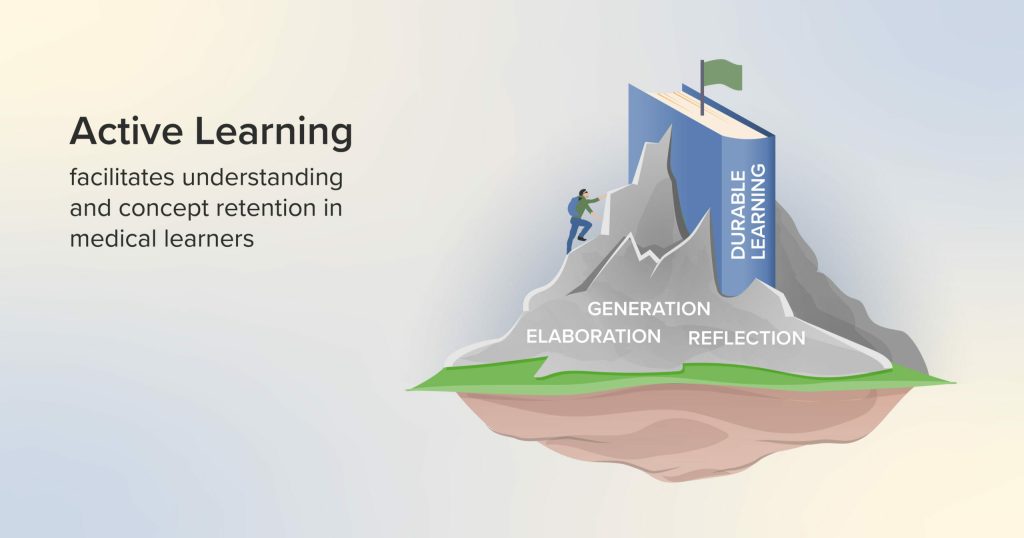
Passive reading or watching tutorials often leads to fleeting knowledge. Instead, active engagement transforms the learning experience into something dynamic and memorable. Techniques such as summarizing the material in your own words, teaching concepts to peers, or creating mind maps can significantly enhance retention. For example, a student learning a new programming language could benefit from teaching a fellow student or even blogging about their learning process, thus solidifying their grasp on the subject. This interaction not only deepens understanding but also boosts recall by creating connections in the brain.
Spaced Repetition: Timing Matters
The spaced repetition technique draws on the psychological principle that the human brain retains information more effectively when it is revisited at specific intervals. This method is particularly valuable for complex subjects, where learners may struggle to absorb a large volume of information all at once. For instance, language learners can utilize this technique by reviewing vocabulary words over several days or weeks, gradually increasing the intervals at which they revisit each word or phrase. Tools like flashcards and spaced repetition software can help facilitate this process, making it easier to reinforce knowledge over time.
Practical Application: Learning Through Doing
The adage “practice makes perfect” rings especially true when it comes to practical application. Engaging with material in real-world scenarios not only reinforces learning but also builds confidence. For instance, a budding photographer can enhance their skills by attending workshops, participating in local exhibitions, or even creating an online portfolio. These experiences not only help in honing technical skills but also in unearthing creative potentials. By consistently applying what one has learned, the neural pathways associated with that knowledge become stronger, making the retention of information more robust.
Understanding and implementing these strategies can transform independent skill acquisition into a more structured and fulfilling journey. Research has consistently shown that effective knowledge retention leads to increased confidence and competence, ultimately making the time and effort invested in learning all the more worthwhile. As we explore further into effective learning strategies, consider how these approaches will not only help skills to stick but also promote their growth, enabling you to thrive in your chosen pursuits.
DISCOVER MORE: Click here to learn about effective goal setting
Leveraging Variety: The Power of Multimodal Learning
One of the most effective strategies for knowledge retention is embracing multimodal learning. This approach involves engaging with educational materials through different modalities—whether visual, auditory, or kinesthetic. By utilizing a mix of resources, learners can stimulate various areas of the brain, thereby enhancing understanding and memory retention. For example, watching instructional videos, listening to podcasts, and participating in hands-on workshops can cater to different learning styles, making the experience more comprehensive.
Incorporating multiple forms of content can solidify the learning experience. Here are some effective multimodal practices to consider:
- Visual aids: Use diagrams, charts, or infographics to clarify complex ideas.
- Audio resources: Listen to subject-related podcasts or audiobooks to absorb information while on the go.
- Interactive tools: Experiment with simulation software or online quizzes to apply knowledge immediately.
- Peer discussions: Engage in study groups where discussions can foster deeper insights and understanding.
Self-Assessment: Tracking Progress and Gaps
Self-assessment is a critical component in the learning process that enables learners to identify their strengths and areas requiring further attention. This practice can be achieved by taking regular quizzes or engaging in reflective journaling. By assessing knowledge continuously, learners can bolster their retention by reinforcing what they know and addressing gaps in understanding. For instance, a musician may record their practice sessions to critique their performance and note areas for improvement. This kind of feedback loop tailored to one’s specific needs dramatically enhances the learning journey.
Connecting New Knowledge with Existing Frameworks
One of the most potent tools for retaining new information is the ability to connect new knowledge with existing frameworks. This cognitive strategy involves building on what you already know, effectively creating a ‘mental scaffolding’ that helps the new information fit into your existing understanding. For instance, when learning a new skill such as graphic design, an individual might draw on prior experience with art or photography, linking concepts like color theory or composition. Such connections not only facilitate the retention of new knowledge but also foster a deeper, more integrated understanding of the subject matter.
In conclusion, implementing these diverse strategies for knowledge retention can transform the independent skill learning experience from a passive act into an engaging and dynamic practice. As we progress through this exploration, the ways in which we can utilize these techniques to enhance our learning journey will become increasingly apparent, paving the way for mastery and lifelong skill development.
| Strategy | Benefits |
|---|---|
| Active Recall | Promotes better retention through frequent self-testing. |
| Space Repetition | Optimizes memory retention over longer periods by spacing learning sessions. |
| Mind Mapping | Enhances comprehension and connection between ideas visually, aiding in recall. |
| Interleaved Practice | Improves problem-solving skills by mixing different topics or skills during practice sessions. |
| Summarization | Encourages understanding of material by distilling essential information and promoting engagement. |
By employing these strategies, independent skills learners can significantly enhance their knowledge retention. Active recall and spaced repetition create a robust framework for long-term memory storage, enabling learners to revisit and reinforce information effectively. Mind mapping provides a unique visual perspective, allowing for better understanding, while interleaved practice fosters adaptability in applying learned concepts. Summarising further cements knowledge, prompting learners to crystallize their understanding and prepare for more complex skills. Embracing these techniques may lead to tremendous progress and newfound confidence in independent skill acquisition. Explore these methods further to tailor your learning experience for maximum effectiveness.
DISCOVER MORE: Click here to enhance your practice strategies
Mindfulness and Focus: Creating a Learning Environment
Another critical strategy for effective knowledge retention is the cultivation of mindfulness and focus during the learning process. In our fast-paced society, distractions are ever-present, making it essential to develop an environment conducive to concentration. Crafting a dedicated learning space, free of digital interruptions and clutter, enhances one’s ability to absorb new information. Studies have shown that individuals who learn in environments with minimal disturbances retain knowledge significantly better than those who multitask.
In addition to a physical space, mental clarity plays a vital role. Employing mindfulness techniques—such as meditation or deep-breathing exercises—before engaging in skill learning can enhance cognitive function and memory retention. Evidence suggests that such practices not only reduce stress but also improve attention and information processing. Therefore, dedicating a few minutes to these exercises can lead to a more fruitful learning session, allowing learners to internalize concepts effectively.
Goal Setting: Defining Outcomes for Motivation
Setting clear learning objectives is another powerful tool within the realm of independent skill learning. By defining specific, measurable, achievable, relevant, and time-bound (SMART) goals, learners can create a structured path that guides their progress. This method not only clarifies what is to be accomplished but also provides motivational milestones along the journey. For example, a budding programmer may set a goal to complete an online course within three months, culminating in building a personal project by the end of that period. Achieving these smaller goals fosters a sense of accomplishment, driving the learner to continue engaging with the material.
- Daily or weekly objectives: Breaking down larger goals into smaller, manageable tasks helps maintain focus and direction.
- Tracking progress: Utilizing a planner or digital tools to log achievements keeps learners accountable and motivated.
- Celebrating milestones: Acknowledging achievements fosters positive reinforcement and encourages the pursuit of the next challenge.
Principle of Spaced Repetition
The principle of spaced repetition is another scientifically backed method that enhances long-term memory retention. This strategy proposes that learning is more effective when information is revisited at increasing intervals over time. Instead of cramming for a short period, learners should revisit concepts after a day, then a week, and finally a month. Research has shown that spacing out study sessions significantly improves retention compared to massed practice, allowing for a more profound assimilation of the complexities within skill learning. For instance, language learners using spaced repetition software (SRS) can master vocabulary more effectively than through traditional rote memorization techniques.
The Power of Teaching Others
Finally, one of the most impactful techniques for enhancing knowledge retention is the ability to teach others. When learners explain complex concepts or skills to peers or friends, they solidify their own understanding and identify any gaps in their knowledge. This method of peer teaching not only reinforces what has been learned but also develops communication skills. It takes the learner from passive absorption to active engagement, ensuring that the material becomes ingrained. For example, many online learning platforms encourage “buddy systems” where partners take turns teaching each other new skills or concepts.
Incorporating these strategies into independent skill learning endeavors holds the potential to revolutionize how knowledge is retained and applied. By focusing on mindfulness, goal setting, spaced repetition, and peer teaching, learners can augment their educational journey and cultivate a lasting proficiency in their chosen skills.
DIVE DEEPER: Click here to learn how peer accountability can boost your learning</p
Conclusion: Empowering Your Learning Journey
In conclusion, the quest for effective knowledge retention in independent skill learning is not merely about acquiring information but also about embracing a holistic approach to understanding and application. By implementing the strategies discussed—cultivating mindfulness, setting SMART goals, employing the principle of spaced repetition, and teaching others—learners can transform their educational experiences into lasting achievements.
Mindfulness fosters an environment that enhances concentration, while well-defined goals keep motivation high and provide clear direction for progress. Furthermore, spaced repetition is essential for solidifying memory over time, emphasizing that consistent review trumps short bursts of intensive study. The act of educating peers further reinforces one’s grasp of the material, creating a reciprocal learning environment that benefits both teacher and learner.
As the landscape of independent learning continues to evolve, these methods not only equip individuals with the ability to retain knowledge but also foster critical thinking and adaptability—skills that are invaluable in today’s dynamic world. Whether you are a hobbyist exploring a new interest or a professional enhancing your career through lifelong learning, the strategic application of these techniques will pave the way for more profound engagement and mastery of your chosen skills.
By reflecting on these considerations and integrating them into your practice, you can unlock the potential for effective skill acquisition and retention that will serve you well beyond the learning experience itself.