
The Impact of Physical Exercise on Pet Training

Understanding the Connection Between Exercise and Pet Training
The utilization of physical exercise in pet care extends far beyond basic fitness; it serves as a catalyst for positive behavior and effective training outcomes. By exploring the intrinsic relationship between exercise and pet training, pet owners can cultivate a more rewarding and harmonious bond with their furry companions.
Incorporating regular physical activity into a pet’s daily routine presents numerous benefits that enhance both their physical health and their capacity to learn. These benefits include:
- Increased Focus – A pet that engages in regular exercise demonstrates improved concentration during training sessions. When energy levels are managed through physical activity, pets are less likely to be distracted by their surroundings, enabling them to absorb and respond to commands more effectively. For instance, a dog that has been walked or played with is often more attentive and ready to follow instructions.
- Reduced Anxiety – Exercise acts as a natural remedy for stress and anxiety, common issues for many pets. Activities such as running, playing catch, or navigating obstacle courses can release endorphins, creating a calming effect. Dogs or cats, often anxious due to changes in their environment or separation from their owners, can greatly benefit from a structured outlet for their energy.
- Improved Obedience – Regular physical activity does more than promote fitness; it strengthens the bond between pet and owner. A pet feeling secure and healthy is generally more compliant with the commands taught during training sessions, leading to a higher success rate in obedience.
Moreover, it is essential to recognize that different types of exercise can address the unique needs of various pets. Engaging in specific activities can significantly enhance both physical fitness and cognitive abilities. Consider the following examples:
- Leash Walks – Regular walks on a leash offer pets a structured environment where they can learn to walk calmly beside their owner while encountering new sights and smells. This not only promotes physical condition but also encourages good leash manners.
- Agility Courses – Setting up an agility course with jumps, tunnels, and weave poles can boost a pet’s coordination and confidence. These courses are especially popular in dog training and can even be a fun way for owners to engage with their pets, fostering teamwork.
- Fetch Games – Playing fetch is more than just a game; it is an excellent way to encourage physical exertion while also strengthening the pet-owner bond. The repetitive action of retrieving an item reinforces basic commands and allows for playful interaction.
As diligent pet owners, understanding the profound impact of physical exercise on training will undoubtedly enhance both the behavior of pets and the overall training experience. By elegantly blending exercise with targeted training techniques, pets will not only stay fit and healthy but also develop into well-mannered family members that enrich our lives.
DISCOVER MORE: Click here to learn about the benefits of balanced nutrition for your dog
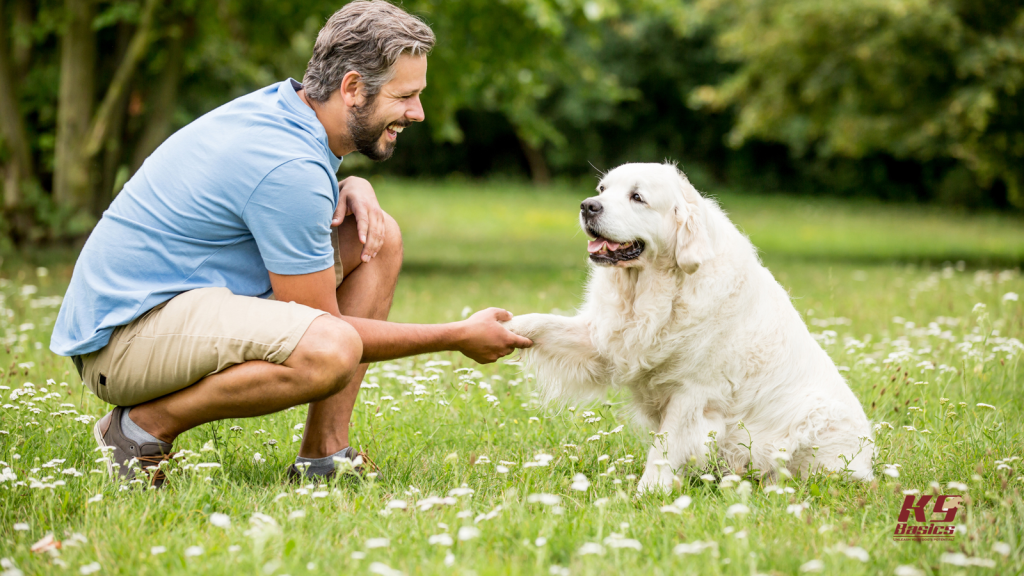
The Role of Physical Exercise in Enhancing Training Efficiency
When addressing the impact of physical exercise on pet training, it is vital to understand how exercise influences both the physical and mental capabilities of pets. Regular physical activity provides a multitude of advantages, including the enhancement of cognitive function, improved behavior patterns, and an overall more beneficial training experience.
Many pet owners may not realize that the type and amount of exercise can significantly dictate training outcomes. Engaging pets in thoughtfully structured physical activities can unlock their potential as responsive learners. Below, we explore several compelling reasons why exercise should be an integral component of any pet training regimen:
- Enhanced Cognitive Function – Exercise stimulates brain activity, ultimately leading to heightened cognitive function. Activities that require problem-solving, like puzzle toys or scent tracking, paired with physical exertion, can expand your pet’s mental capabilities. This mental stimulation is particularly crucial for highly intelligent breeds, as their energy often manifests in destructive behavior if not channeled through exercise.
- Socialization Opportunities – Regularly taking your pet to parks or doggy daycare provides essential social interaction. These environments allow pets to meet other animals and people, reducing fearfulness and anxiety in training situations. A well-socialized pet is typically more adaptable and eager to respond to commands, making training sessions smoother and more effective.
- Behavioral Improvements – Incorporating exercise into a pet’s daily routine can alleviate common behavioral issues associated with boredom, such as barking, digging, or chewing. Regular activity can redirect this pent-up energy toward positive behaviors. For example, a dog that participates in daily runs is less likely to develop behavioral problems, making training less of a challenge.
Moreover, the timing of exercise can also play a significant role in training efficacy. Prior to training sessions, a brief period of vigorous activity can help your pet become more receptive to learning. This approach can be particularly useful when introducing new commands or concepts, reducing the likelihood of frustration for both pet and owner.
Understanding each pet’s individual exercise needs is crucial when tailoring training. For instance, high-energy breeds such as Border Collies might require extensive physical challenges, while smaller or older pets may benefit from lighter activities like gentle walking or playtime indoors. Recognizing these differences will allow for a more personalized training strategy that maximizes success while ensuring that pets remain engaged and less overwhelmed by the training process.
Incorporating exercise seamlessly into daily routines not only supports physical well-being but also fosters a deep connection between pets and their owners. By focusing on the integration of exercise within training protocols, owners can cultivate a positive environment that nurtures both learning and bonding, ultimately leading to more satisfying results in pet behavior and training outcomes.
The Benefits of Physical Exercise in Pet Training
Understanding the impact of physical exercise on pet training delves into the multifaceted advantages that regular physical activity offers for both pets and their owners. Exercise is not merely a method to expend energy; it significantly enhances behavior, learning capacity, and overall health. In this section, we will explore how engaging in exercise can transform the dynamics of pet training through a structured approach that combines physical and mental enrichment.
| Advantage | Description |
|---|---|
| Enhanced Obedience | Regular exercise promotes focus and attentiveness, leading to better training responsiveness. |
| Improved Behavior | Physical activity helps reduce behavioral problems such as anxiety and aggression, fostering a calmer pet. |
Incorporating physical exercise into your pet’s daily routine not only enhances their training experience but also strengthens the bond between pet and owner. By providing regular opportunities for exercise, you set the foundation for a more obedient and well-adjusted companion. Different activities, such as agility training, fetch, or even simple walks, can also stimulate mental engagement, thereby accelerating the learning process.
As we continue to explore the topic further, consider how different forms of exercise can be integrated into daily routines to maximize the benefits for effective training. Discovering the right balance between physical activity and training can lead to an enriched relationship and a happier, healthier pet.
DIVE DEEPER: Click here to uncover the benefits of balanced nutrition for your dog
Improving Learning and Retention Through Physical Engagement
The connection between physical exercise and enhanced learning in pets is not merely anecdotal; it is grounded in scientific research that underscores the importance of physical activity in cognitive retention. Engaging in physical exercise can lead to an intricate relationship between a pet’s mental state and their ability to learn. This phenomenon can be particularly evident during training sessions designed to introduce new skills or reinforce existing ones.
Pets, much like humans, benefit from increased blood circulation to the brain during physical activity. This physiological reaction increases oxygen flow, enabling better cognitive performance, which can be pivotal in understanding and retaining commands. For instance, studies show that dogs who engaged in a moderate exercise routine before training were able to learn commands 20% faster than those who did not experience prior physical activity. This highlights the importance of incorporating exercise into a training schedule, especially when tackling more complex tasks.
Moreover, certain types of exercise can specifically enhance the mental faculties required for training. Activities involving agility, such as obstacle courses or fetch, not only improve physical fitness but also develop coordination and focus. These skills translate effectively into training environments. A dog trained on an agility course is more likely to display improved attentiveness during obedience training sessions, as the physical and mental challenges they have faced work synergistically to refine their overall learning capabilities.
The Role of Consistency and Variety in Exercise
Another critical aspect is the consistency and variety of physical activities. Regular exercise routines provide structure, which has been shown to improve the predictability in a pet’s responses during training. This consistency helps pets to understand the learning environment better, making it an enriching experience. Mix-ups in routines with varying activities such as swimming, hiking, or playing different games can also stimulate curiosity and excitement. Engaging them in diverse exercises keeps dogs mentally stimulated, as they are less likely to become bored or disengaged during training sessions, leading to better retention of commands.
Additionally, physical exercise enables pets to channel their energy into productive behaviors, ultimately decreasing anxiety during training. For example, a dog that has had a challenging day of fetch or a spirited nature hike is less likely to become hyperactive or disruptive when it’s time for formal training. Engaging in physical activities that require focus, such as obedience runs or trick training, allows pets to hone their self-control, which is essential for effective training outcomes.
Emotional Well-Being and Its Impact on Training
Furthermore, the emotional state of pets plays a crucial role in their learning capabilities. Physical exercise is known to release endorphins—often referred to as the “feel-good” hormones—enhancing overall mood and reducing stress. A less anxious dog is more likely to respond positively to training commands, creating a harmonious learning atmosphere. For instance, therapy and service dogs that have a routine of regular exercise often display remarkable focus and willingness to learn due to their strong emotional health.
In urban settings, where dogs are often confined to small living spaces, maximizing the opportunities for physical exercise becomes essential for their emotional well-being. Activities such as structured fetch sessions or attending agility classes not only fulfill their need for physical stimulation but can also optimize their capacity for learning during subsequent training exercises.
In summary, integrating physical exercise into pet training not only enhances cognitive function but also emotionally prepares pets for effective learning. Through improved retention skills, emotional well-being, and the right variety of activities, owners can experience significantly better training outcomes, fostering a more fulfilling relationship with their beloved companions.
LEARN MORE: Click here to find out why animal adoption matters
Conclusion: Maximizing Training Potential Through Physical Exercise
In conclusion, the impact of physical exercise on pet training cannot be overstated. Regular physical activity not only fosters improved cognitive functions but also enhances emotional well-being, both of which are pivotal for effective learning in pets. Owners who prioritize exercise as part of their training routines will likely witness significant advancements in their pets’ ability to learn and retain commands, making training sessions less daunting and more productive.
The synergy between physical fitness and cognitive acuity highlights the need for structured and engaging exercise routines. By embracing a variety of activities, such as agility training, fetch, or even interactive play, pet owners can stimulate their companions’ minds, keeping them engaged and eager to learn. The exponential increase in capability—evidenced by studies showing improved command retention amongst exercised pets—serves as a compelling argument for incorporating exercise into training agendas.
Moreover, the emotional benefits—such as reduced anxiety and increased focus—further solidify the value of pairing physical activity with training. It is essential for pet owners, especially in urban environments where space may be limited, to explore creative avenues for exercise that also cater to their pets’ mental health needs. Engaging with pets through physical activities is not merely a means of expending energy; it is a proactive step towards fostering a well-rounded, obedient, and emotionally balanced companion.
As we continue to unravel the intricate connections between physical engagement and learning, it becomes clear that a holistic approach to pet training can create a profound impact on the quality of life for both pets and their owners. Investing in physical exercise is investing in a brighter, more harmonious future for our cherished animal companions.