The Importance of Environmental Enrichment in Pet Training
Understanding Environmental Enrichment in Pet Training
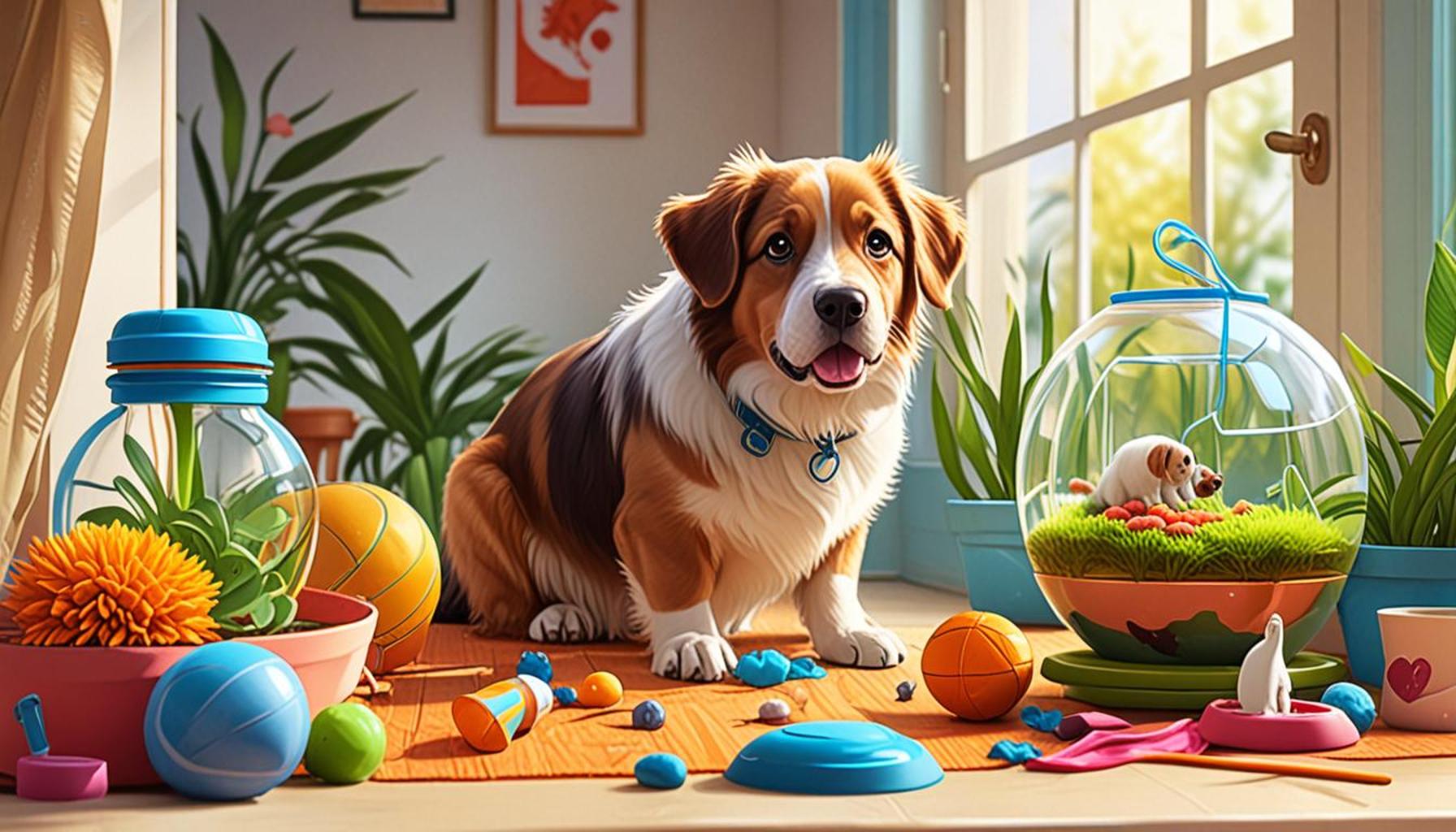
Pets thrive in stimulating environments that cater to their natural instincts. Environmental enrichment goes beyond mere physical exercise; it fosters mental engagement and emotional well-being, which are crucial for effective training. By providing diverse experiences, pet owners can enhance their animals’ learning capabilities and strengthen the human-animal bond.
Why is Environmental Enrichment Essential?
- Encourages Exploration: Exploring new sights, sounds, and textures captivates a pet’s curiosity and can lead to enhanced confidence. For instance, cats may be inclined to investigate crinkly toys or climbing structures, while dogs may find excitement in walks through varied terrains, from grassy parks to wooded trails.
- Reduces Boredom: Just like humans, pets experience boredom. Insufficient mental stimulation can result in unwanted behaviors, such as chewing furniture or excessive barking. Providing puzzle toys or hide-and-seek games with treats can keep your pet mentally active and less likely to develop destructive habits.
- Improves Training Outcomes: Engaged pets learn faster and follow commands more reliably. For example, incorporating scent games where pets sniff out hidden treats can motivate them to focus not only on the game but also on the commands you give during training sessions.
In the United States, many pet owners are turning to innovative resources to provide enrichment—from interactive toys to complex training games. This trend is crucial as it acknowledges our pets’ inherent need for mental challenges. By understanding the components of environmental enrichment, you can transform your pet’s training experience into a stimulating adventure.
Key Aspects of Environmental Enrichment
- Social Interaction: Allowing pets to interact with other animals fosters social skills and reduces anxiety. Dog parks and pet-friendly events offer ideal opportunities for dogs to engage with peers, while playdates with other pets can enhance companionship for cats.
- Variety in Activities: Regularly changing activities can keep pets engaged and excited about training. Introducing new games—like agility training or advanced fetch—can prevent monotony and renew interest in learning.
- Use of Natural Elements: Incorporating natural materials can appeal to your pet’s instincts. Items like logs for climbing, leaves for rummaging, or even small water features can pique interest. This approach mirrors the environments pets would naturally interact with, thereby making enrichment more impactful.
As you delve deeper into this subject, consider how environmental enrichment can not only improve training but also promote a happier, healthier life for your pet. Adopting innovative strategies and tools will ensure that your furry companions remain mentally sharp, emotionally balanced, and ready for training sessions. Ultimately, both pets and their owners benefit from an enriched environment designed to stimulate the mind and body alike.
DISCOVER MORE: Click here to learn about your pet’s socialization
The Psychological Benefits of Environmental Enrichment
Environmental enrichment plays a vital role in addressing the mental health of pets, which is particularly relevant given the increasing recognition of pet welfare in today’s society. Many pet owners may not realize that pets experience emotions and psychological needs similar to humans. Compelling studies suggest that mental stimulation is just as significant as physical exercise for pet well-being. A well-enriched environment reduces anxiety, builds confidence, and lowers the likelihood of behavioral issues that can disrupt training.
Understanding Behavioral Impacts
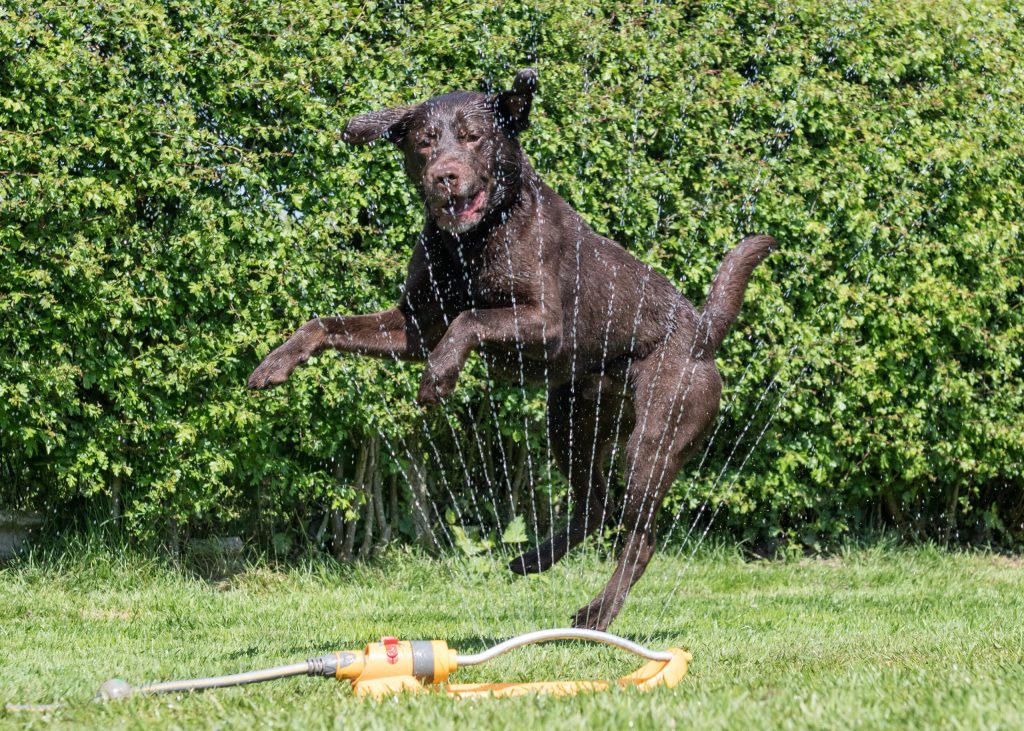
Pets left alone in barren environments may develop a range of behavioral problems, from separation anxiety to aggression. These issues can hinder the training process and complicate the development of a healthy relationship between pet and owner. The idea is straightforward: when pets are mentally challenged, they are less likely to act out. Some common behavioral changes that can arise from inadequate mental stimulation include:
- Destruction of Household Items: Pets might chew on furniture, scratch at doors, or dig up gardens when they lack engaging activities. This destruction is often a cry for help—an indication that they require more stimulation.
- Excessive Barking or Meowing: When pets are bored, they might vocalize their frustration through barking or meowing. This unwanted noise can be a sign that they are seeking attention or need a more stimulating environment.
- Hyperactivity: Conversely, some pets might react to boredom with hyperactivity, jumping around or being overly energetic. An enriched environment can provide constructive outlets for their energy.
Interestingly, studies have shown that pets who engage in consistent environmental enrichment demonstrate higher levels of cognitive functioning. A recent study presented in the Journal of Veterinary Behavior indicated that both dogs and cats exposed to enriching activities showed improved obedience and adaptability during training sessions. For instance, dogs participating in agility courses or obedience classes in engaging settings are more likely to respond positively to commands compared to those trained in monotonous environments.
The Role of Routine in Environmental Enrichment
Beyond introducing new toys or activities, the establishment of an engaging routine can also foster a sense of predictability and security for pets. A regular schedule that includes varied enrichment activities helps pets learn expectations, thus having a calming effect on their overall behavior. The goal is not only to occupy their time but to encourage meaningful interactions that enhance their learning experiences.
Incorporating a structured routine along with environmental enrichment allows pet owners to balance innovation with consistency. By applying a blend of engaging activities—whether it be training sessions intertwined with playtime or daily enrichment tasks—pets can enjoy a fulfilling routine that nurtures their natural instincts while effectively enhancing training outcomes.
As we explore more aspects of environmental enrichment, it becomes evident that intentional efforts to create a stimulating and nurturing environment serve not only to improve training but also to support the overall health and happiness of pets, making them well-adjusted companions ready to tackle learning challenges head-on.
| Category | Details |
|---|---|
| Cognitive Stimulation | Engaging activities that enhance mental activity improve pets’ problem-solving skills and reduce anxiety. |
| Physical Health | Environmental enrichment encourages exercise, leading to better physical condition and preventing obesity. |
| Behavioral Improvements | Activities tailored to pets reduce destructive behavior by providing appropriate outlets for energy. |
| Strengthening Bonds | Shared experiences through training and play foster stronger relationships between pets and their owners. |
| Enhancing Lifelong Learning | Ongoing environmental challenges encourage pets to learn new skills throughout their lives. |
Environmental enrichment is not just a luxury for pets; it is a necessity that shapes their mental and physical well-being. By incorporating diverse and stimulating activities into training routines, pet owners ensure that their companion animals experience both cognitive growth and emotional satisfaction. As pets interact with their environments in meaningful ways, they not only enjoy a richer life but also develop essential skills that contribute to their overall happiness and health. The significance of environmental enrichment in pet training cannot be overstated—it paves the way for healthier, well-adjusted pets capable of forming strong bonds with their humans. Learning how to implement these strategies can profoundly impact the joy and longevity of the pet-owner relationship, illuminating a path to happier lives for both.
DIVE DEEPER: Click here to discover the benefits of pet adoption
Enhancing Learning through Environmental Enrichment
The link between environmental enrichment and learning in pets cannot be overstated. When pets are given opportunities to explore, play, and interact with their surroundings, they engage more readily in the training process. This is particularly important for young pets or those new to training, as their attentiveness can be significantly influenced by how stimulating their environment is. Research shows that pets experiencing enriched environments exhibit a higher capacity for learning complicated commands and tricks compared to their counterparts in less engaging settings.
Stimulating the Senses
Environmental enrichment isn’t merely about physical toys; it involves creating a multisensory experience for pets. By introducing elements that stimulate their sense of smell, sight, sound, and touch, pet owners can have a profound impact on their learning. For instance, using interactive toys that dispense treats when manipulated can keep a pet’s focus and encourage problem-solving skills. Additionally, incorporating different textures through various surfaces, like grass, sand, or rubber, allows pets to explore their surroundings more fully.
Moreover, sensory stimulation facilitates the development of healthy neural pathways in pets. A study conducted by the University of Illinois showed that dogs exposed to diverse sounds and scents demonstrated enhanced memory and obedience skills. This sensory-rich environment not only alleviates boredom but actively engages pets, paving the way for a more effective training regimen.
The Impact of Social Interaction
Another integral component of environmental enrichment is social interaction. Pets are inherently social animals, and their training is significantly influenced by their interactions with humans and other animals. Regular socialization opportunities provide valuable experiences that help pets adapt well to various situations and stimuli. Group training sessions, visits to dog parks, or playdates with other pets can enhance their social skills, making them more receptive to training cues.
Interestingly, data from the American Kennel Club indicates that pets who interact frequently with other animals and people are less prone to fear-based reactions, making them more amenable to learning. Establishing positive associations through enjoyable interactions can mitigate anxiety and improve responsiveness during training sessions, leading to more successful outcomes.
Creative Play as a Training Tool
Beyond the traditional methods of training, pet owners can transform playtime into moments of learning. Engaging in creative play, such as hide-and-seek games or obstacle courses, encourages pets to think critically while having fun. Training sessions that integrate play help solidify commands in a positive context, reinforcing desirable behaviors while allowing pets to associate learning with enjoyable experiences.
For example, use of clicker training during play can promote an atmosphere conducive to learning. Each time a pet exhibits the desired behavior, a click followed by a treat serves as immediate positive feedback. This combination of play and training fosters a bond of trust between pet and owner, enhancing the learning experience.
Ultimately, understanding the various aspects of environmental enrichment empowers pet owners to cultivate an engaging atmosphere that not only enhances training but also nurtures happier, healthier pets. By incorporating sensory stimulation, socialization, and creative play, owners can provide a well-rounded environment that benefits both training efforts and overall pet welfare.
DISCOVER MORE: Click here to learn about the benefits of a balanced diet for your dog
Conclusion: Unlocking the Full Potential of Pet Training
The significance of environmental enrichment in pet training transcends mere play and engagement; it is a fundamental component in nurturing well-rounded, responsive pets. From stimulating their senses with interactive toys to fostering social butterflies through positive group interactions, the elements of enrichment play a critical role in enhancing learning outcomes. Recognizing these components equips pet owners with the tools needed to facilitate a deeper connection with their animals while effectively reinforcing training.
Moreover, the data reveals a promising correlation between enriched environments and improved training results. With studies indicating better memory and obedience in pets exposed to diverse stimuli, it becomes clear that the learning process isn’t confined to traditional methods. Incorporating fun, creativity, and socialization can transform training into enjoyable experiences, reinforcing desirable behaviors in an environment that embraces exploration and growth.
As pet owners, it is our responsibility to advocate for our companions’ well-being by providing environments that enrich their lives and stimulate their instincts. By prioritizing environmental enrichment in training regimens, we not only develop obedient and healthy pets but also create lasting bonds built on trust, understanding, and joy. The journey of pet training is ultimately a shared adventure that benefits both pets and their owners, so let us embrace the potential of enrichment and embark on this journey together.