
The Importance of Proper Nutrition for Pet Health
Understanding Pet Nutrition
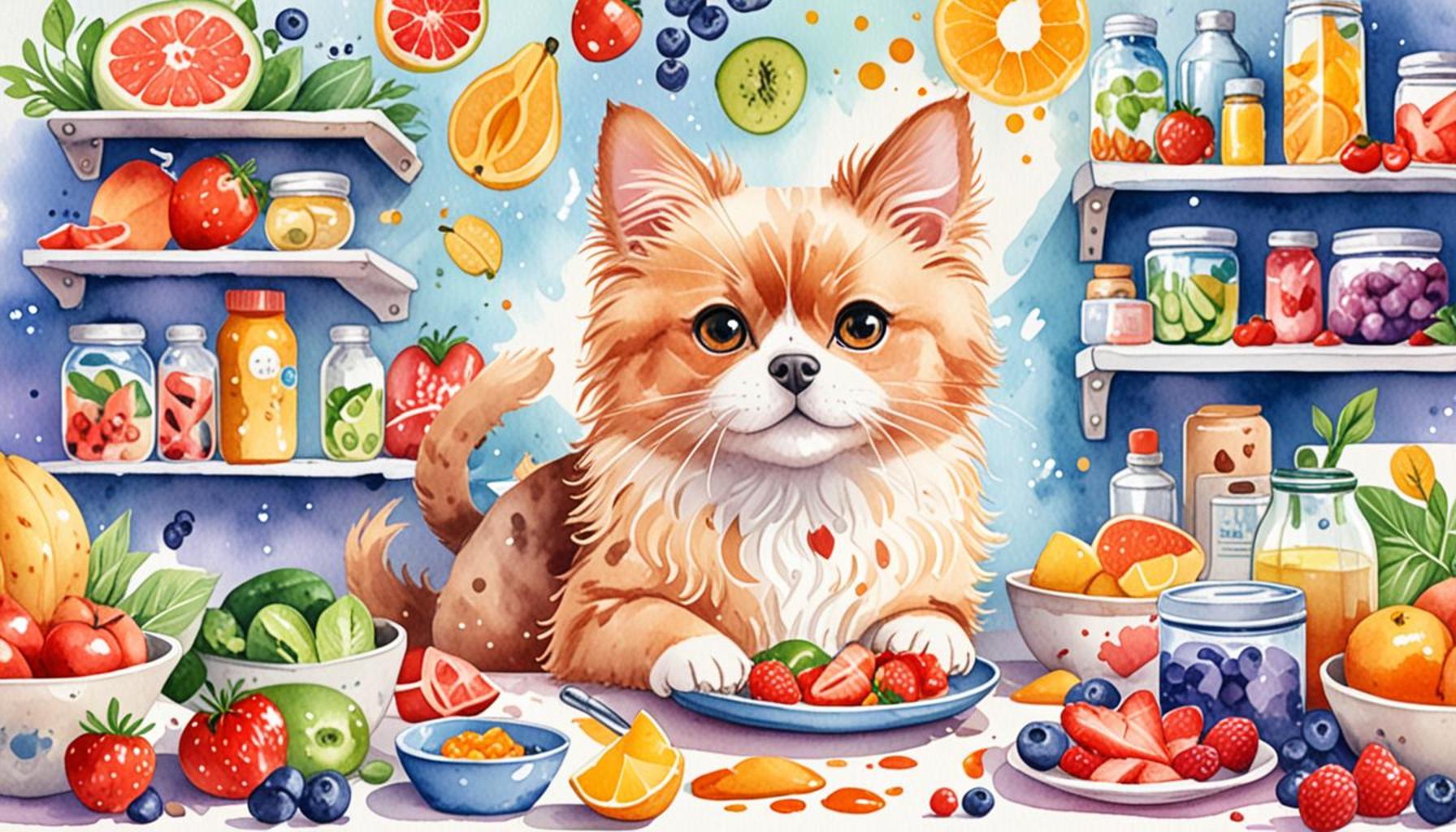
As pet owners, it is vital to recognize that proper nutrition plays a fundamental role in the wellbeing of our furry companions. The food we provide does much more than just satisfy hunger; it serves as the fuel that powers their daily activities, bolsters their immune systems, and preserves their overall health. By being informed about the specific dietary needs of our animals, we can make choices that lead to happier, healthier lives for them.
Why Nutrition Matters
The repercussions of poor nutrition can be far-reaching and serious. Similar to humans, pets can face numerous health issues directly tied to what they eat. For instance, obesity is a growing concern among pets in the United States—over 50% of dogs and cats are considered overweight or obese. This excess weight can lead to a host of health problems, including diabetes, heart disease, and joint issues.
Additionally, some diets may inadvertently contribute to dental problems. For example, dry kibble may not always prevent plaque buildup, leading to gum disease, which can be painful and result in loss of teeth if unaddressed. Moreover, in a world where dietary allergies are becoming increasingly common, a poor diet may exacerbate food sensitivities and result in skin irritations or gastrointestinal distress.
On a more positive note, conversely, a well-rounded diet can significantly enhance your pet’s quality of life. A nutritious diet translates to improved energy levels, allowing your furry friend to engage in play and other physical activities eagerly. Furthermore, studies show that proper nutrition can contribute to a longer lifespan, with pets on balanced diets living more vibrant, fulfilling lives. A diet rich in quality proteins and healthy fats, for example, can yield a coat that not only looks beautiful but is also resilient, indicating overall health.
Making Informed Choices
Navigating the landscape of pet nutrition can feel overwhelming at times with an array of products and options available. One key to making informed choices lies in understanding pet food labels and recognizing how specific ingredients benefit your pet’s health. Look for options that are specifically tailored to your pet’s age, breed, size, and health status; for instance, large breed puppies require a different nutritional balance than senior dogs.
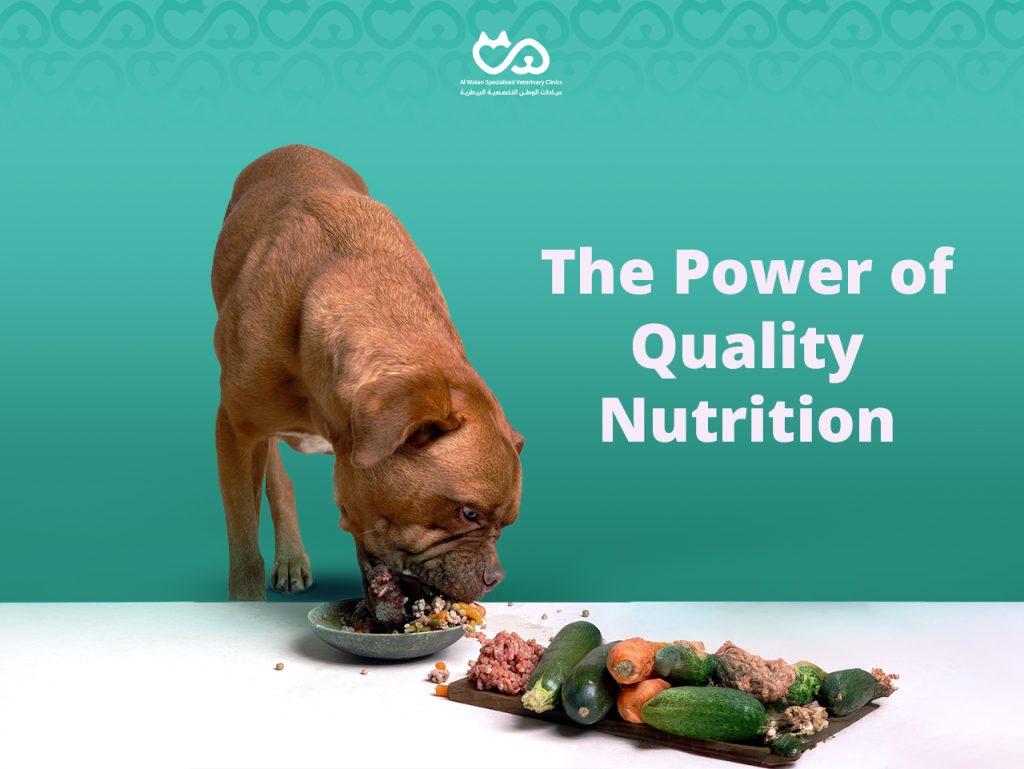
Moreover, becoming familiar with terms like “complete and balanced,” “natural,” and “grain-free” can help guide your decisions. Remember, what works best for one pet may not be ideal for another, so it might take some trial-and-error to find the right fit. Consulting with a veterinarian can provide personalized advice and insights tailored to your pet’s unique needs.
Ultimately, by prioritizing optimal nutrition, you are not just feeding your pet; you are investing in their health and wellbeing, paving the way for a vibrant, active, and enjoyable life together.
DIVE DEEPER: Click here to learn about the crucial role of socialization in your dog’s mental health
The Impact of Diet on Pet Health
Understanding the nuances of pet nutrition is essential for every pet parent. Just like humans require a balanced diet to thrive, our animal companions depend on quality nutrition to maintain their health and vitality. The right food supports not only their physical well-being but also their emotional and behavioral health. When we neglect to provide adecuada diets, we do more than merely negate their hunger; we significantly increase the risk of health issues down the road.
One of the most alarming outcomes of inadequate nutrition is the prevalence of obesity in pets, with studies indicating that nearly 60% of dogs and cats in the U.S. are overweight or obese. This alarming statistic highlights the dangers of overfeeding and feeding pets diets high in calories, processed ingredients, and harmful additives. Obesity can lead to increased risks of serious conditions such as:
- Joint Problems: Excess weight puts additional stress on joints, leading to arthritis and other mobility issues.
- Heart Disease: Overweight pets are more prone to cardiovascular conditions, which can significantly diminish their quality of life.
- Diabetes: Like humans, pets can develop insulin resistance, leading to diabetes, which requires ongoing treatment and management.
Furthermore, the consequences of poor dietary choices extend beyond weight gain. Afood poorly balanced in nutrients can result in deficiencies or excesses that lead to chronic health problems. For example:
- Dental Health: A lack of appropriate nutrition may contribute to plaque buildup and gum disease, which are not only painful but can also lead to tooth loss and infections.
- Gastrointestinal Issues: Cheap fillers and artificial ingredients can disrupt digestive health, resulting in bloating, diarrhea, or other gastrointestinal distress.
- Skin and Coat Problems: Nutritional deficiencies can manifest as dull fur, excessive shedding, or skin irritations that affect your pet’s comfort and appearance.
On a brighter note, when proper nutrition becomes a priority, the benefits can be profound. A diet filled with high-quality proteins, healthy fats, and essential vitamins and minerals not only improves energy levels but also enhances overall well-being. Pets on a well-balanced diet exhibit:
- Enhanced Immune Function: Good nutrition supports a stronger immune system, keeping pets healthy and reducing susceptibility to diseases.
- Improved Mental Acuity: Omega fatty acids, for instance, have been linked to better cognitive function, helping to keep your pet sharp as they age.
- Longer Lifespan: Pets fed nutritious diets are more likely to enjoy extended, healthier lives, allowing you to cherish more time together.
By fostering a deeper understanding of the importance of proper nutrition, pet owners can make informed choices that fuel their pets’ bodies in the best possible way. Making these choices – whether it’s selecting high-quality food options or consulting with a veterinarian – empowers us to enhance the lives of our furry friends and reinforce their cherished place in our families.
| Advantage | Explanation |
|---|---|
| Improved Longevity | A balanced diet fosters a longer life for pets, reducing the risk of chronic diseases. |
| Weight Management | Proper nutrition helps maintain a healthy weight, preventing obesity-related issues. |
| Enhanced Vitality | Nutritious food provides essential energy levels, supporting an active lifestyle. |
| Better Coat Health | Foods rich in omega fatty acids can lead to a shiny and healthy fur coat. |
Incorporating high-quality ingredients in your pet’s diet is key to addressing their specific needs, ensuring that essential vitamins and minerals are present for optimal growth and development. Additionally, incorporating a mix of protein sources can aid in muscle development, promote a healthy immune system, and enhance overall well-being. It’s essential to understand how specific nutrients contribute to your pet’s health, such as how fiber can improve digestion, or how antioxidants can help combat aging. By paying close attention to your pet’s nutritional needs, you not only support their physical health but also contribute to their emotional well-being, making them happier and healthier over the years. Remember, a well-nourished pet reflects not only good health but also a strong bond between you and your furry friend as you embark on a journey to ensure their best life possible.
DISCOVER MORE: Click here to learn about balanced nutrition for your pet
Navigating the Complexities of Pet Diets
When it comes to pet nutrition, it is crucial to recognize that pets have unique dietary requirements that vary based on their age, breed, size, and health status. For instance, puppies and kittens have distinct nutritional needs compared to adult or senior pets, requiring more energy and specific nutrients to support their rapid growth and development. Conversely, older pets may need diets that are lower in calories yet higher in specific nutrients to maintain their health and vitality.
Moreover, the concept of life stage diets has gained traction in recent years, with manufacturers producing specialized formulas tailored to the specific needs of pets at various stages of life. For example, a large breed dog may benefit from a diet formulated to support joint health through the inclusion of glucosamine, while a senior cat might need increased fiber to address potential digestive issues. Attention to life stage-specific nutrients can significantly contribute to a pet’s overall well-being and health, thus preventing challenges associated with improper nutrition.
Understanding Ingredient Labels
An essential aspect of ensuring adequate nutrition for pets involves understanding the ingredients listed on pet food labels. Unfortunately, pet food marketing can sometimes be misleading, making it essential for pet owners to educate themselves about what constitutes a quality diet. Ingredients are typically listed by weight, and the first few components are particularly significant. Whole meats, named meats (like chicken or beef), and quality sources of fat should occupy the top slots on the ingredient list.
Additionally, it is vital to be cautious of vague terms such as “meat by-products” or “animal digest,” which may indicate lower-quality ingredients. A diet rich in whole foods can help prevent nutrient imbalances and support better health outcomes. Look for foods that include beneficial additives, notably probiotics and antioxidants, that can enhance your pet’s gut health and fight inflammation respectively.
Consulting Professionals for Tailored Recommendations
To best navigate the complexities of pet nutrition, consulting with a veterinarian or a certified pet nutritionist can be invaluable. These professionals can provide tailored advice based on your pet’s unique lifestyle and health conditions. For example, if your pet suffers from food allergies or sensitivities, professionals can suggest appropriate dietary modifications or recommend hypoallergenic food options.
Additionally, periodic check-ups are essential. Regular health assessments are crucial not just for identifying current health issues but for proactively preventing potential future problems linked to inadequate nutrition.
- Weight Management: A vet can assist in establishing an ideal weight for your pet and recommend feeding guidelines or activity adjustments accordingly.
- Balanced Supplements: Depending on individual needs, veterinarians can help determine if supplementation is necessary and guide you on the appropriate types.
- Nutritional Transitions: Guidance during dietary switches is important to avoid gastrointestinal upsets; professionals can suggest gradual transitions and appropriate food choices.
Ultimately, ensuring proper nutrition is not just a responsibility; it is a commitment to a happier, healthier life for our beloved pets. A well-informed pet owner can make a world of difference, enhancing not just the length but the quality of the lives we share with them. By prioritizing high-quality nutritional choices, we set the stage for our pets to thrive, allowing for joyful years filled with companionship and adventure.
DISCOVER MORE: Click here for essential tips on creating a cozy space for your pet
Conclusion: A Path to Pet Longevity and Vitality
In conclusion, navigating the world of pet nutrition is not merely a task; it is a crucial commitment that every pet owner must embrace. The foundational role that proper nutrition plays in promoting health, longevity, and overall well-being for our furry companions cannot be overstated. By understanding the unique dietary needs of pets based on their life stage, breed, and individual health circumstances, owners are empowered to make informed choices that significantly impact their pets’ lives.
Furthermore, being able to decipher ingredient labels and recognizing the importance of quality ingredients can ensure that our pets receive the nutrients they require for optimal health. Always prioritize whole, recognizable foods over vague or questionable components. Consulting with veterinarians or nutritionists is essential, offering tailored recommendations that can address specific health challenges or dietary needs, from weight management to supplement considerations.
Moreover, as our understanding of pet health continues to evolve, we find ourselves equipped with tools and information that encourage proactive care. Frequent check-ups, nutrition education, and an open dialogue with pet care professionals allow us to be vigilant in preventing nutritional deficiencies or ailments. Thus, investing time and effort into meal planning today can lead to a lifetime of vitality and cherished moments with our pets.
As we devote ourselves to enhancing the nutritional quality of their diets, we foster a deeper connection and provide a pathway to a fulfilling, healthy life for our beloved animals. Together, let’s celebrate the journey of pet ownership through the lens of exceptional nutrition.