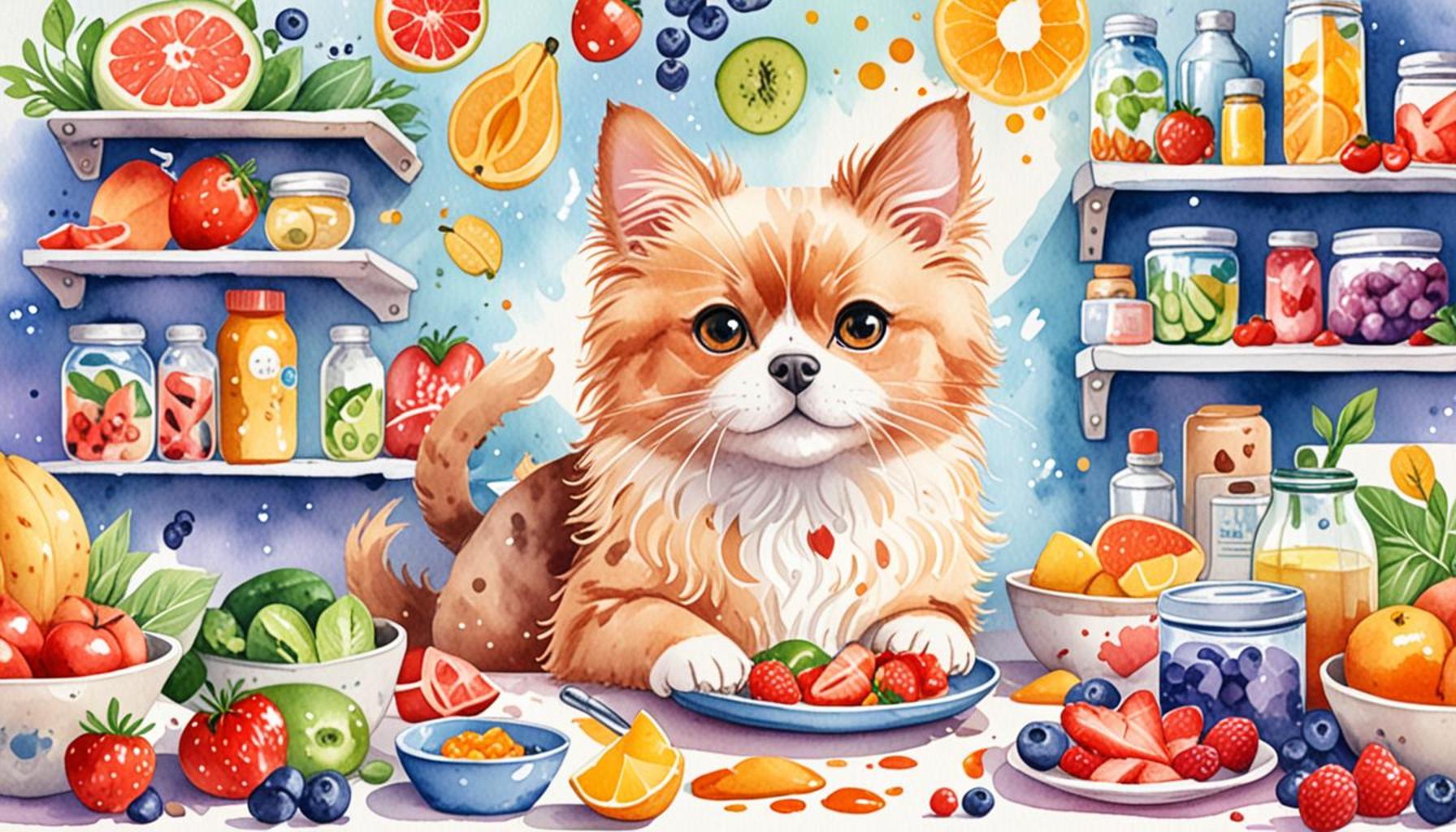
The Importance of Proper Nutrition in Pet Health

Understanding Your Pet’s Nutritional Needs
A pet’s health is deeply intertwined with its nutrition. Just like humans, pets require a balanced diet to thrive and prevent health issues. Proper nutrition is vital for enhancing their quality of life and longevity. With an ever-growing variety of pet food options available, understanding your pet’s specific nutritional needs is more crucial than ever.
Key Benefits of Proper Nutrition
- Weight Management: Maintaining a healthy weight reduces the risk of obesity-related diseases such as diabetes, arthritis, and heart disease. For example, a Golden Retriever that is 10% over its ideal weight may face increased stress on its joints, leading to chronic pain and mobility issues.
- Boosted Immune System: A well-balanced diet strengthens immunity, helping pets fight infections. Nutrients such as antioxidants found in fruits like blueberries or vegetables like spinach can enhance immunity and support overall health, allowing your pet to fend off common ailments.
- Improved Digestion: Quality ingredients promote better digestive health and nutrient absorption. Ingredients such as probiotics and dietary fibers, commonly found in premium dog and cat foods, help in regulating intestinal health and can prevent gastrointestinal issues.
Despite the importance of nutrition, many pet owners remain uninformed. Understanding the right nutrients and their functions can fundamentally shift how we care for our furry companions. For instance, essential fatty acids like Omega-3 and Omega-6 support skin and coat health, while proteins play a crucial role in muscle development and repair. A diet rich in protein sourced from real meat can be particularly beneficial for active breeds.
Engaging in Better Nutrition Choices
Choosing the right food might seem daunting due to the vast array of products available. However, a few critical factors can guide your decisions and help you make informed choices for your pet:
- Life Stage: Puppies, adult dogs, and seniors all have different dietary needs. For example, puppy foods are typically higher in calories and nutrients to support growth, while senior formulas focus on reducing calories and adding fiber to aid digestion.
- Breed Considerations: Large and small breeds may require different formulations. For instance, large breed formulas often contain controlled levels of calcium and phosphorus to support bone health and prevent growth issues.
- Health Concerns: Always consult a veterinarian regarding any special dietary needs. Pets suffering from allergies may thrive on grain-free or hypoallergenic diets, while others may need specific nutrients to manage chronic conditions.
By prioritizing proper nutrition, pet owners can significantly enhance their pets’ health and well-being, ensuring they have a vibrant and active life. Education on pet nutrition not only helps in making better food choices but also fosters a deeper bond between pet and owner, illustrating that care goes beyond simple feeding—it’s about nurturing a happy and healthy life.
DISCOVER MORE: Click here to learn about essential puppy training and socialization tips!
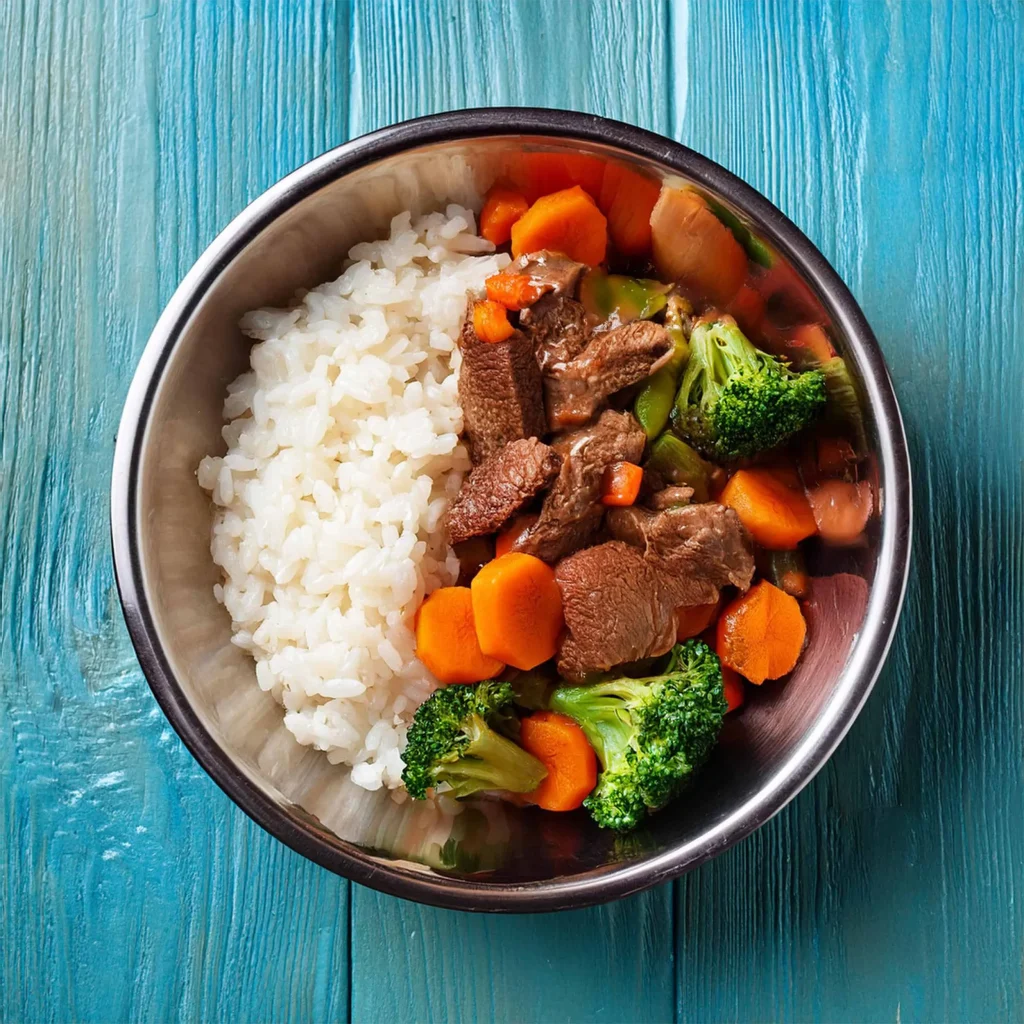
Recognizing Nutritional Elements Key to Pet Well-Being
Understanding the specific nutritional requirements of pets is essential for ensuring their optimal health. Different species and breeds have unique dietary needs that can significantly affect their overall well-being. Just as we monitor our own diets for health benefits, the same diligence must be applied when selecting food for our beloved pets. A disciplined approach to pet nutrition can lead to improvements in energy levels, physical health, and even behavioral stability.
Essential Nutritional Components
A well-rounded diet for pets consists of several key components that each play a vital role in maintaining health. Here are some fundamental ingredients to consider when evaluating pet food:
- Proteins: The building blocks of muscle mass, proteins are essential for dogs and cats alike. Look for high-quality sources such as chicken, beef, or fish, as these are rich in critical amino acids that contribute to muscle development, immune function, and tissue repair.
- Carbohydrates: While not all pets require high amounts of carbohydrates, they can provide valuable energy. Whole grains, fruits, and vegetables can supply important vitamins and help in maintaining a healthy digestive system.
- Fats: Healthy fats, such as Omega-3 and Omega-6 fatty acids, are necessary for maintaining a shiny coat and healthy skin. They also support cognitive functions and joint health, crucial for older pets or those with arthritis.
- Vitamins and Minerals: Essential micronutrients—like calcium for bone strength and vitamins A, D, and E—play critical roles in cellular function, vision, and overall metabolic processes. A deficiency in these can lead to serious health issues.
Furthermore, the caloric needs of pets vary widely based on factors like age, weight, activity level, and health status. For example, an active working dog will require more calories than a sedentary house cat. Understanding these distinctions can greatly enhance the quality of life for your pet, preventing issues such as undernourishment or obesity.
Dietary Misconceptions and Common Pitfalls
Despite the awareness of the importance of proper nutrition, many pet owners fall prey to common myths that can hinder their pet’s health. For instance, some believe that feeding table scraps is acceptable, but such practices can lead to nutritional imbalances or even obesity. Additionally, some pet foods are marketed as “premium” or “natural,” yet they may contain fillers or artificial additives that do not benefit your pet’s health. It is crucial to read ingredient labels carefully and prioritize foods that list high-quality ingredients at the top.
As pet owners, the responsibility lies not just in selecting the right food, but in being proactive about understanding how the nutrients within that food affect our pets’ lives. By educating ourselves about the importance of proper nutrition in pet health, we can make informed decisions that ultimately lead to happier, healthier companions.
The Role of Nutrition in Disease Prevention
Proper nutrition is crucial not only for maintaining a pet’s overall health but also for preventing a myriad of diseases. When pets consume a balanced diet rich in essential nutrients, they are equipped with the necessary tools to strengthen their immune systems. A strong immune system enables pets to fight off infections and diseases, minimizing the risk of health issues later in life. For instance, antioxidants found in certain fruits and vegetables can combat oxidative stress, which is linked to chronic diseases such as cancer.Moreover, obesity—a common issue in pets—stems from improper nutrition. Feeding pets high-calorie, low-nutrient foods can lead to weight gain, resulting in a host of health problems including diabetes, heart disease, and joint issues. By choosing the right food, pet owners can help their furry companions maintain a healthy weight, effectively reducing the risk of obesity-related health conditions.
The Importance of Hydration in Pet Nutrition
Hydration is another critical component of proper nutrition that is often overlooked. Water plays an essential role in digestion, nutrient absorption, and even temperature regulation. Pets that do not consume enough water may suffer from dehydration, leading to severe health complications such as kidney disease. It’s vital for pet owners to ensure their pets have access to clean and fresh water at all times. Furthermore, including wet food in a pet’s diet can significantly boost hydration levels, benefiting overall health.In essence, the relationship between nutrition and a pet’s health cannot be overstated. A well-balanced diet tailored to individual needs can greatly enhance a pet’s quality of life, paving the way for a healthier, longer lifespan.
| Category | Advantage |
|---|---|
| Disease Prevention | Promotes a strong immune system to combat infections. |
| Weight Management | Reduces the risk of obesity-related diseases by maintaining a healthy weight. |
| Hydration | Improves overall health by ensuring adequate fluid intake. |
In exploring the various facets of pet nutrition, it becomes clear that a proper diet influences not only physical well-being but also enhances longevity and vitality. Pet owners are encouraged to assess their pets’ nutritional needs and make informed dietary choices.
DISCOVER MORE: Click here to learn how to choose the best cat food
Building a Customized Nutrition Plan for Your Pet
Creating a tailored nutrition plan for your pet goes beyond just picking up a bag of kibble at the grocery store. It involves understanding your pet’s individual dietary requirements and preferences along with consultation with a veterinarian. Each pet is unique, and just as we consider personal dietary restrictions for ourselves, the same mindset should extend to our pets.
Age and Life Stage Considerations
One of the first factors to consider when evaluating your pet’s nutrition is their age. Puppies and kittens have specific dietary needs to support their rapid growth and development. Their diet should be rich in proteins and calories to help build muscle and support brain development. For example, high-quality puppy food will often contain the required levels of calcium and phosphorous to promote healthy bone growth. In contrast, senior pets often face different challenges and may require lower calorie diets to prevent obesity, along with supplements to support joint health and digestive function.
In addition to age, breed-specific diets may also be suitable. Certain breeds are predisposed to specific health issues. For instance, large breed dogs can develop hip dysplasia and may benefit from diets that have controlled levels of calcium and calories to ensure they grow at a regulated pace. Consulting breed-specific nutritional guidelines can inherit substantial benefits for your four-legged companions.
Special Dietary Needs
As with human health, pets may also encounter specific health conditions that demand tailored nutritional strategies. Pets suffering from allergies or sensitivities may require limited-ingredient diets that eliminate common allergens, such as grains or specific proteins. Dietary modifications can also alleviate issues like diabetes, wherein a diet low in carbohydrates and high in fiber can significantly improve blood sugar control.
It’s paramount to recognize that diagnostics, such as blood tests or veterinary examinations, should guide these dietary choices. Collaborating with a veterinarian can provide clarity on which food will be most beneficial for pets with chronic medical conditions. For example, a pet with kidney disease may benefit from foods lower in protein, thereby easing the strain on their kidneys.
The Role of Pet Treats in Nutrition
While treats are often seen as mere indulgences, they can also play an integral role in a pet’s nutritional regimen. Choosing healthy, nutrient-dense treats can offer health benefits, provided they are given in moderation. Look for treats that contain whole food ingredients like pumpkin or sweet potatoes, which are high in vitamins and fiber, and can contribute positively to digestive health. Keeping treat sizes small and calorically appropriate is paramount to avoid disrupting balanced meals.
Moreover, incorporating treats as part of training can enhance bonding and stimulate mental engagement. This highlights the importance of considering nutrition holistically; what your pet eats extends beyond their meals into every aspect of their daily life.
Ultimately, proper pet nutrition is an evolving subject based on continuous research and insights. Understanding the complexities of pet dietary needs can translate into improved health outcomes, longevity, and a richer quality of life for our cherished companions. Being aware of the unique requirements of each pet will equip owners with the necessary knowledge to foster a healthful environment grounded in proper nutrition.
DON’T MISS: Click here to discover why socialization is vital for your pet
Conclusion
In summary, prioritizing proper nutrition is crucial for ensuring the well-being and longevity of our furry companions. By recognizing the unique requirements based on factors such as age, breed, and health conditions, pet owners can make informed choices that cater specifically to their pets’ needs. It is essential to approach pet nutrition with the same seriousness we afford our own diets, understanding that nutritional imbalances can lead to a myriad of health complications, including obesity, diabetes, and more serious chronic conditions.
Furthermore, collaborating with veterinarians to build personalized nutrition plans allows for a deeper insight into the nutritional landscape tailored to each pet. Incorporating high-quality ingredients, whether through regular meals or treats, not only satisfies hunger but also contributes positively to overall health and behavioral well-being. It is important to see nutrition as an integral component of pet care that impacts not just their physical health but their happiness and activity levels as well.
As research continues to unveil the intricate connections between diet and health, staying informed about the best practices in pet nutrition becomes vital. To enhance your pet’s quality of life, consider diving into reputable resources, engaging with pet nutrition experts, and continuously reassessing your pet’s dietary needs. A commitment to proper nutrition is a step towards fostering both a healthier and a longer-lasting bond with your beloved pets.