The Influence of Social Media on New Skincare Trends
Transformative Power of Social Media in Skincare
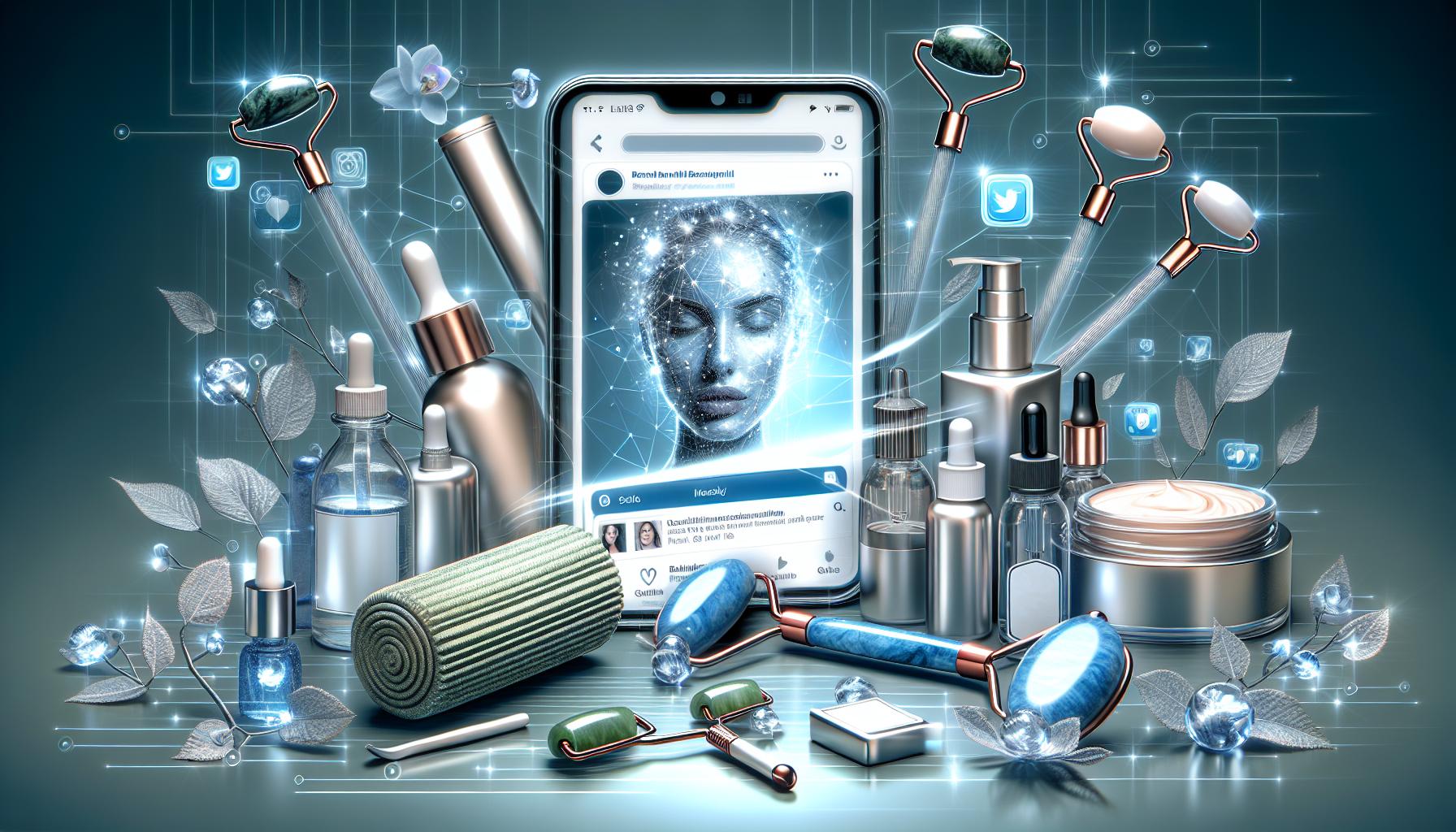
The digital landscape has revolutionized how consumers perceive and engage with skincare. Today, social media platforms such as Instagram, TikTok, and YouTube are more than just virtual meeting places; they have become trendsetters fundamentally altering consumer preferences, product innovations, and even the way brands communicate with their audiences.
One of the most significant impacts of social media on skincare is the rapid pace at which new trends can emerge. With influencers and beauty gurus posting daily, unique skincare routines and products can explode in popularity almost overnight. For instance, the recent surge in demand for products containing ingredients like hyaluronic acid or niacinamide can be traced back to viral social media content. These platforms allow consumers to witness firsthand accounts of product efficacy, as influencers often showcase their personal results in real-time.
- Instant Feedback: Customers can share their experiences in real-time, providing brands with immediate insight into product performance and customer satisfaction. For example, brands such as Glossier often monitor social media discussions to understand consumer pain points and adjust their offerings accordingly.
- Viral Trends: Unique routines or products can gain traction through shares and likes. The “10-step Korean skincare routine” became a global phenomenon partly due to social media influencers sharing their morning and night rituals, enticing audiences with imaginative visuals.
- Expert Opinions: Dermatologists and estheticians leverage platforms like TikTok to educate viewers, debunking pervasive myths and sharing best practices. This not only increases credibility but also empowers consumers with the knowledge to make informed choices.
- Visual Appeal: The skincare community thrives on engaging content, including tutorials and before/after photos that captivate audiences. Brands are increasingly utilizing aesthetically pleasing visuals to enhance their online presence and build brand loyalty.
The visual and communal aspects of social media amplify discussions surrounding skincare products and ingredients. As consumers frequently rely on peer reviews and influencer recommendations, brands find themselves increasingly dependent on social media metrics to shape their marketing strategies and product development processes.
Delving into the intricate interplay between social media and skincare trends unveils not only what products are currently popular but also the underlying reasons why specific practices resonate with consumers. Understanding these patterns will allow brands to better cater to their audiences while helping consumers navigate an ever-evolving market.
As this relationship deepens, it poses exciting implications for the future of skincare, inspiring innovation, and pushing brands to be more transparent and responsive. The next time you discover a new product, consider how the digital interactions you encounter shape not only your choices but also the industry at large.

DISCOVER MORE: Click here to dive deeper
Rapid Trend Cycles: The Mechanics Behind Social Media’s Skincare Influence
The world of skincare is no stranger to trends, but the role of social media in accelerating their emergence is truly unprecedented. In a landscape where a product can transition from obscurity to bestseller within hours, understanding the mechanics behind this phenomenon is essential for both brands and consumers. The agility with which trends now manifest sets the stage for consumers to experiment with innovative products and routines that they may have never encountered otherwise.
At the core of this rapid trend cycle lies the phenomenon known as viral marketing. Social media platforms thrive on the fast-paced sharing of content, which can create a ripple effect that influences purchasing decisions far and wide. With captivating hashtags and compelling storytelling, users are drawn into the narratives surrounding specific skincare products. Examples abound, including the recent frenzy over slugging, a practice made famous by TikTok creators showcasing their nightly moisturizing rituals. As consumers observe these routines and witness the promising results, they are compelled to jump on the bandwagon.
- Hashtags and Challenges: Hashtags like #SkincareRoutine and #SkinTok create a community where users feel encouraged to share their personal skincare journeys. Challenges, such as the “7-day glow-up,” amplify participation and engagement, which, in turn, drives product sales.
- Influencer Collaborations: Skincare brands are increasingly turning to influencers for partnership opportunities. By collaborating with well-regarded figures in the beauty world, brands can tap into established audiences, thereby amplifying their reach. These partnerships often include exclusive product launches or customized skincare kits that plot a direct course from social media favorites to shopping baskets.
- User-Generated Content: Social media empowers consumers to become content creators themselves. By sharing before and after images or video testimonials featuring skincare products, everyday users contribute to a wealth of authentic content that enhances trust in those products. Brands that repost or showcase customer content demonstrate their appreciation for the community, further solidifying loyalty.
Another crucial aspect of this social media influence is the emphasis on the naturalness and inclusivity of products. Consumers nowadays are more attuned to ingredients and their sources than ever before. The rise in popularity of clean beauty, coupled with an increase in awareness surrounding sustainability and ethical sourcing, has led many brands to promote transparency. This shift is echoed in widespread discussions about cruelty-free and vegan skincare, which have gained immense traction due to social media advocacy.
The phenomenon of social media-driven skincare trends underscores consumer desire for relatable, authentic content. As customers increasingly seek community and validation in their skincare choices, brands that successfully cultivate an online presence see substantial growth. By staying attuned to these rapidly evolving trends, both consumers and brands can engage in a mutually beneficial relationship that shapes the future of skincare.
| Advantage | Description |
|---|---|
| Enhanced Visibility | Social media platforms like Instagram and TikTok provide a powerful stage for skincare brands to showcase their products, leading to rapid consumer engagement. |
| Consumer Feedback | Users can share their reviews and experiences, significantly impacting product development and influencing marketing strategies. |
| Viral Trends | Social media drives viral trends that can instantaneously popularize innovative ingredients or skincare routines, transforming consumer habits overnight. |
| Influencers as Trendsetters | Skincare influencers hold the power to set trends by endorsing specific products, creating a direct link between their recommendations and consumer purchases. |
The impact of social media on skincare trends cannot be overstated. For instance, the rise of ‘glass skin’ and the focus on natural ingredients have both been largely fueled by viral content shared among users. Furthermore, platforms such as TikTok have seen a surge of ‘skincare challenges’ that encourage users to try new products and techniques, leading to greater exploration within the skincare community. This aligns consumer interests with brand messaging, allowing for an eclectic mix of traditional skincare practices and modern innovations. As the dialogue continues, staying in tune with social media trends becomes essential for both brands and consumers wanting to navigate the ever-evolving skincare landscape.
DISCOVER MORE: Click here to learn about the latest advances in anti-aging technology
The Power of Community: How Social Media Shapes Skincare Choices
In today’s interconnected world, social media platforms have become more than just mediums for sharing selfies or vacation photos; they have evolved into powerful arenas for shaping skincare choices and trends. With the rise of online communities centered around beauty and skincare, individuals find themselves part of a larger narrative that greatly influences their buying behavior. This phenomenon can be attributed to both the collective wisdom shared within these communities and the emotional connections that develop among users.
One of the standout features of social media is the establishment of micro-communities that cater to specific skin types, concerns, and product preferences. Platforms like Instagram and Reddit host a multitude of forums where individuals discuss challenges such as acne, hyperpigmentation, and aging skin. These spaces not only provide actionable tips and product recommendations but also foster a sense of belonging, which can profoundly impact consumer decisions. For instance, forums dedicated to oily skin often highlight products that effectively control shine, creating a shared pool of knowledge that guides purchases.
- Real-Time Feedback: Unlike traditional advertising, social media allows for immediate interaction and feedback. Consumers can pose questions about products and receive real-time insights from experienced users or professionals. This interaction reduces the gap between the brand and consumer, as recommendations come from relatable figures rather than distant marketing campaigns.
- Comparative Reviews: Sites like YouTube offer a wealth of comparative reviews where users can see side-by-side demonstrations of products. This transparency helps potential buyers gauge product effectiveness and decide if they are worth the investment. As skincare enthusiasts tune in to these reviews, they become more educated consumers, capable of making informed choices.
- Emphasizing Ingredients: Social media influencers often highlight not just the products but their ingredients, allowing consumers to become ingredient-savvy. As a result, many users conduct thorough research before purchasing new products, leading brands to focus more on transparency regarding their formulations.
Moreover, the inclusivity that social media promotes has transformed the skincare landscape. Platforms like TikTok and Instagram have celebrated beauty in all its forms, leading to a more diverse representation in the beauty community. Users with varied skin tones and types now share their routines, shining a light on products that cater to a broader audience. This emphasis on inclusivity encourages brands to expand their offerings to accommodate the diverse consumer base, resulting in a greater variety of products on the market.
The rise of trends such as the glass skin phenomenon—characterized by ultra-hydrated, luminous skin reminiscent of glass—underlines how social media can create aspirational beauty standards. Influencers often share the secret formulas to achieving such looks, turning specific products into must-haves. This trend did not emerge isolated from the collective shared knowledge but instead thrives as users continuously validate and support each other’s skincare goals.
As the social media influencer culture grows, so does the demand for authentic and relatable content. Users seek recommendations that resonate with their experiences rather than polished advertisements. Brands that manage to harness this ethos—by featuring real customers and showcasing holistic skincare routines—are more likely to thrive in an oversaturated market. Ultimately, social media designs the landscape of consumer expectations, positioning authenticity as a cornerstone of modern skincare trends.
DIVE DEEPER: Click here to discover the powerful natural ingredients
Conclusion: The Future of Skincare Influenced by Social Media
In conclusion, the influence of social media on new skincare trends cannot be overstated. Platforms like Instagram, TikTok, and YouTube have transformed how we engage with skincare, fostering a dynamic ecosystem where consumer needs, preferences, and shared knowledge intersect. As discussed, the emergence of micro-communities allows individuals to connect and seek advice tailored to their unique skin concerns, revolutionizing the traditional beauty narrative.
The real-time feedback loop enabled by social media allows consumers to make informed decisions, contributing to a more educated clientele. The emphasis on ingredient transparency and comparative reviews has redefined brand-consumer relationships, encouraging brands to prioritize authenticity and inclusivity in their messaging. For instance, trends like glass skin not only reflect aspirational beauty standards but also illustrate how social validation plays a crucial role in shaping consumer choices.
Looking forward, as the skincare industry continues to evolve, it is essential for brands to adapt to the rapid changes instigated by social media. Engaging with consumers on a personal level through relatable content and promoting inclusivity will be vital for success. The digital landscape is fast-paced and ever-changing; thus, brands must remain responsive and innovative to meet the demands of an increasingly conscientious consumer base. Ultimately, social media will continue to be a driving force behind skincare trends, encouraging brands and consumers alike to forge deeper, more meaningful connections.