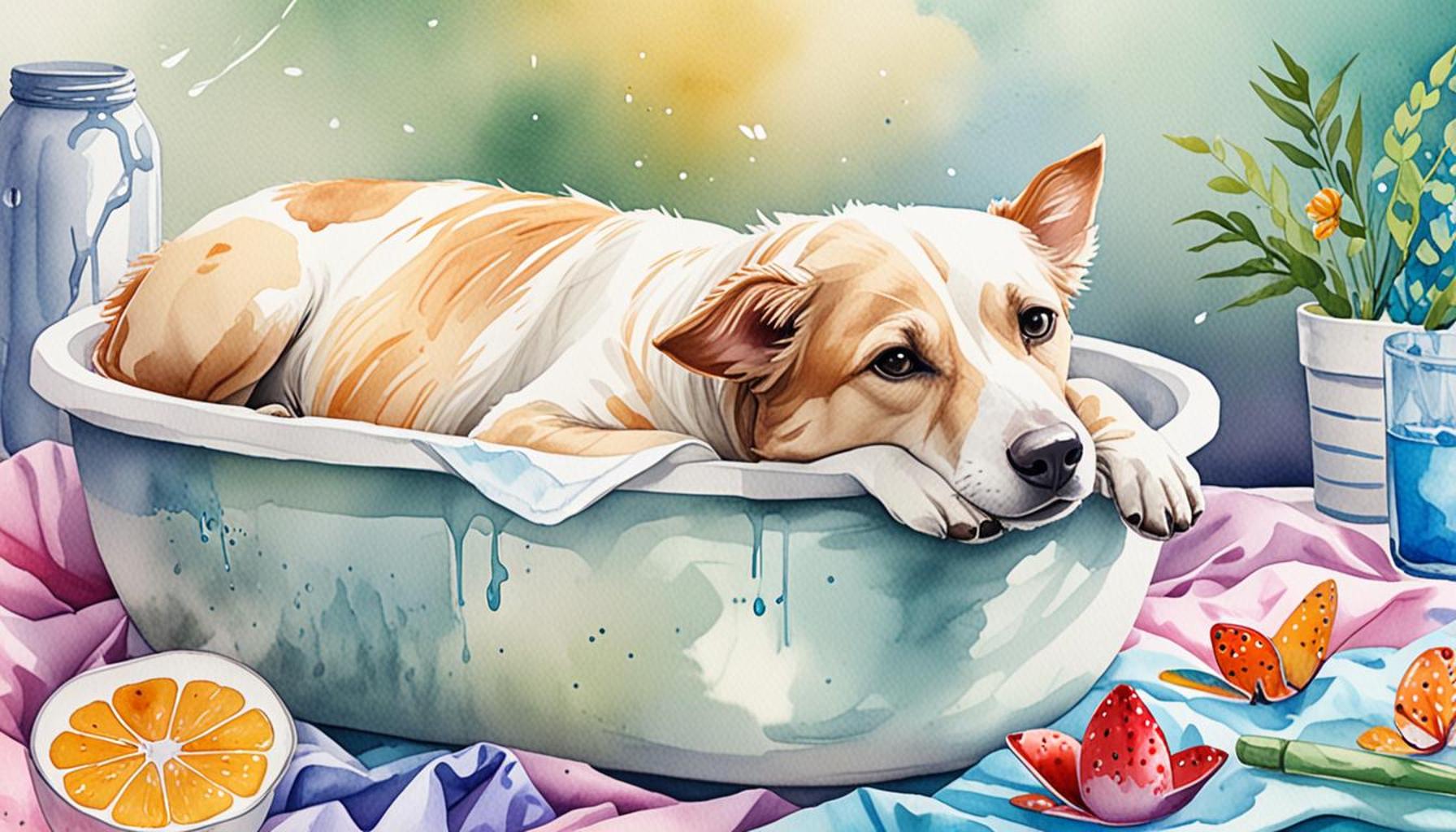
The Role of Mental Health in Pet Longevity

The Impact of Mental Health on Pet Longevity
When it comes to ensuring that our beloved pets live long and healthy lives, the focus often leans heavily toward physical health measures—like regular vet check-ups, vaccinations, and diet. However, the significance of mental health should not be underestimated. Research consistently underscores the idea that a pet’s mental well-being has a profound influence on their overall longevity and quality of life.
Pets can suffer from various mental health challenges, including anxiety, depression, and stress, all of which can have detrimental effects on their lifespan. For instance, pets that experience chronic stress may be at a higher risk of developing health complications such as heart disease or gastrointestinal issues. This vulnerability comes from the fact that stress can weaken a pet’s immune system, making them more susceptible to illness. Consequently, the implications of mental distress extend far beyond mere emotional outcomes; they can impact physical health in significant ways.
- Increased illness risk: Stress can lead to a weakened immune system, allowing diseases to take hold more easily. Regular exposure to stressful environments—like loud noises or frequent changes in the home—can contribute to this heightened risk.
- Behavioral issues: Untreated mental health conditions often manifest in destructive behaviors, such as excessive barking, chewing, or even aggression. Such issues not only pose problems for pet owners but can also lead to a more isolated and unhappy existence for the pet.
- Relationship strain: A pet’s mental health can significantly affect their bond with their owners. An anxious or fearful animal may shy away from affection and interaction, leading to a decrease in shared joy and companionship.
Recognizing the signs of mental distress is crucial for caregivers. Common indicators include changes in appetite, increased aggression or withdrawal, and sudden destructive behaviors. For example, a previously playful dog that suddenly becomes withdrawn may be communicating a need for emotional support. Understanding these signs can empower pet owners to take proactive measures to improve their pets’ mental health.
Several techniques can bolster a pet’s mental well-being. Enrichment activities, such as puzzle toys or interactive games, can provide mental stimulation and alleviate boredom. Proper training not only reinforces good behaviors but also enhances the pet-owner relationship, reducing anxiety. Additionally, ensuring pets have regular opportunities for socialization—whether through playdates with other pets or visits to dog parks—can significantly reduce feelings of loneliness and anxiety.
This exploration into the interconnectedness of mental health and longevity sheds light on the importance of addressing every aspect of our pets’ well-being. By prioritizing mental health alongside physical care, pet owners can potentially add years to their pet’s life, fostering a joyful and fulfilling companionship. Through this understanding, the journey of caring for pets becomes more enriched, ultimately benefiting both animals and their owners.

EXPLORE MORE: Click here to discover the significance of socialization in dog training
Understanding Mental Health Challenges in Pets
A deep dive into the realm of pet mental health reveals that animals experience emotions similarly to humans. These emotions can be influenced by their environment, exposure to stressors, and interactions with others—including their owners. For this reason, it is essential to understand the most common mental health challenges that can impact a pet’s longevity.
Pets can face various psychological issues, with anxiety and depression being two of the most prevalent conditions. For instance, dogs may develop separation anxiety when left alone for extended periods or display an overwhelming fear of thunderstorms or fireworks. Cats can also experience anxiety, often leading to hiding or excessive grooming behaviors. A report by the American Kennel Club estimates that approximately 20% of dogs suffer from anxiety-related disorders. Such conditions not only affect day-to-day behaviors but also contribute to chronic stress, which is vital to recognize.
Depression, on the other hand, can manifest following significant changes in a pet’s life—like the loss of a companion or a relocation. Many owners might notice that their pets become indifferent, lose interest in their favorite activities, or even exhibit changes in eating habits. Research shows that pets undergoing periods of depression may experience health issues like weakened immune systems and increased vulnerability to illness.
The Connection Between Mental and Physical Health
The relationship between a pet’s mental and physical health is interwoven, illustrating that neglecting mental health can lead to serious physical repercussions. Understanding this link can empower pet owners to be more proactive in caring for their furry companions. Here are a few critical connections:
- Chronic Stress Syndromes: Prolonged exposure to stress can contribute to a variety of health problems in pets, including digestive issues, poor coat condition, and even chronic conditions like diabetes.
- Behavioral Changes: A pet suffering from untreated mental health issues may display behavioral changes that can lead to injuries or accidents, potentially resulting in serious physical harm.
- Quality of Life Concerns: Mental distress can severely diminish a pet’s joy and enthusiasm for life. In losing their zest, they are likely to exhibit destructive behaviors that can lead to accidents or injuries.
It’s important for pet owners to actively monitor their pets for any early signs of these challenges. Recognizing occasional signs of anxiety or depression can prompt timely interventions, ultimately leading to improved well-being. Simple strategies, such as creating safe spaces or engaging in calming activities, may alleviate some psychological stressors for pets. By fostering environments that promote emotional stability, the chances of enhancing a pet’s longevity increase significantly, encouraging happier and healthier lives.
In this age of heightened awareness surrounding mental health, both in humans and animals, embracing the psychological needs of pets can be a game-changer. Understanding how mental health influences pet longevity is not just about recognizing problems when they arise; it is about creating nurturing environments that promote well-being throughout a pet’s life.
| Category | Key Features |
|---|---|
| Emotional Well-being | Regular interaction and mental stimulation are crucial for improving your pet’s emotional health, promoting a longer, more fulfilling life. |
| Stress Reduction | Managing anxiety and stress through play and companionship can reduce health problems and increase the longevity of your pet. |
Research increasingly highlights that mental health plays a pivotal role in pet longevity, creating a bridge between their emotional states and physical health. For instance, pets suffering from chronic stress tend to develop conditions that can shorten their lifespan, such as heart disease and obesity. Promoting activities such as interactive play and routine training not only enhances mental engagement but also fosters a deeper connection between pets and their owners, which can significantly improve their overall well-being.Additionally, the incorporation of mind-stimulating toys and engaging activities into a pet’s daily routine not only combats boredom but also nurtures cognitive function. This engagement prevents the decline in mental acuity that can accompany aging. Therefore, prioritizing mental health not only enriches the current life of pets but also serves as a proactive measure towards enhancing their lifespan. Understanding and addressing the intricate relationship between your pet’s emotional and physical health can unlock new dimensions of care that ultimately lead to a healthier, happier, and longer life for your furry companions.
DISCOVER MORE: Click here to learn about balanced nutrition for your pet
Promoting Mental Wellness for Enhanced Longevity
As pet owners become more attuned to the mental health of their furry companions, innovative strategies to promote mental wellness have gained traction. These approaches not only help mitigate mental health challenges but also aim to enhance overall pet longevity. A multi-faceted strategy that includes environmental enrichment, socialization, and routine veterinary care can lead to healthier, more fulfilled lives for pets.
Environmental Enrichment
Providing a stimulating environment is crucial for a pet’s mental health. Environmental enrichment involves creating opportunities for pets to engage in playful, cognitive, and sensory activities. Pet toys that challenge their intellect, such as puzzle feeders or treat-dispensing toys, can help combat boredom and anxiety. A study from the Journal of Applied Animal Welfare Science found that animals provided with enrichment activities displayed significantly lower anxiety levels compared to those with limited stimulation.
Moreover, creating safe outdoor spaces where pets can explore and interact with nature can also foster mental health. Gardening with pet-friendly plants or setting up a small agility course can boost both physical activity and mental stimulation. Remember that pets are naturally curious; providing a space to channel that curiosity positively contributes to their emotional well-being.
The Importance of Socialization
Just like humans, pets are social creatures and thrive on interaction. Socialization plays a pivotal role in developing a well-rounded personality in pets. Introducing them to new environments, people, and other animals can significantly decrease feelings of anxiety and fear.
For dogs, regular playdates with other dogs not only helps alleviate boredom but also encourages positive behaviors and reduces aggression. For cats, setting up playdates with other feline friends or providing interactive playtime with their owners can create a more stimulating experience and reduce potential behavioral problems.
A lack of social interaction can lead pets to feel isolated and depressed, potentially leading to serious health complications. Studies show that well-socialized pets tend to have lower stress-related illnesses, thus contributing to their overall longevity.
Integration of Veterinary Care
Routine veterinary care is an essential aspect of maintaining both the mental and physical health of pets. Regular check-ups allow veterinarians to identify early signs of mental distress and offer interventions tailored to specific needs. For instance, if a pet is diagnosed with an anxiety disorder, veterinary professionals can recommend behavioral therapies, training, or even medication to help manage symptoms effectively.
Moreover, veterinary care can help provide a holistic view of a pet’s health. Regular vaccinations, dental cleanings, and nutritional needs can ensure that physical health doesn’t become a barrier to mental wellness. A pet experiencing chronic pain may exhibit anxiety or depression as a response to their discomfort, making weary owners aware that mental health and physical health are interdependent.
Empowering pet owners with knowledge about mental health allows them to take proactive measures in improving their pets’ lives. By embracing a comprehensive approach that integrates environmental enrichment, socialization, and consistent veterinary care, pet owners can foster a healthy lifestyle that ultimately encourages longer, happier lives for their beloved companions.
DISCOVER MORE: Click here for practical tips on your cat’s diet
Conclusion: The Crucial Link Between Mental Health and Pet Longevity
Understanding the connection between mental health and pet longevity is paramount for any responsible pet owner. As we have explored, a pet’s emotional well-being directly influences not only its quality of life but also its lifespan. Engaging in practices that promote mental wellness—such as offering environmental enrichment, encouraging socialization, and ensuring consistent veterinary care—creates a holistic framework that benefits both physical and mental health.
The evidence is compelling. A mentally stimulated and socially engaged pet is generally healthier, exhibiting lower levels of stress and anxiety. Studies indicate that pets with a rich emotional and physical lifestyle tend to experience fewer stress-related ailments, reinforcing the premise that mental health is indeed a key player in longevity. The proactive measures that owners take today—whether it’s introducing new toys, organizing playdates, or scheduling regular vet visits—have the potential to yield significant long-term benefits.
As we move forward, it’s essential for pet owners to remain vigilant about their pets’ mental states and to understand that addressing mental health is an integral part of overall well-being. By tapping into resources and knowledge surrounding mental health in pets, we can ensure that our furry companions lead not just longer, but also happier and more fulfilling lives. Ultimately, the dialogue surrounding mental health in pet care is one that enriches our understanding of these beloved animals—reminding us that our pets, like us, thrive best when nurtured in both body and mind.