Trends in Skincare Based on Natural Ingredients: The Return to Essentials
Nature’s Revival in Skincare
In recent years, the skincare industry has witnessed a remarkable resurgence in the popularity of natural ingredients. Driven by consumer demand for transparency and health-conscious choices, more individuals are seeking products that emphasize the power of simplicity. As more people become aware of the potential health impacts of the chemicals often found in skincare, there is a significant shift towards formulations that prioritize purity and nature’s offerings.
This movement isn’t just about aesthetics; it reflects deeper values about health, sustainability, and ethical consumption. Modern skincare trends highlight brands that are committed to minimalist formulations, which aim to reduce chemical exposure. This trend resonates particularly well with consumers looking for clean beauty options, allowing them to discern what they are applying to their skin. Brands such as CeraVe and The Ordinary have gained immense popularity by focusing on essential ingredients without unnecessary fillers.
Additionally, the emphasis on sustainable sourcing has begun to redefine industry standards. Consumers are now more informed about the environmental implications of their purchases and are opting for products that have minimal ecological footprints. Companies like Lush and Herbivore Botanicals showcase their commitment to ethical sourcing, ensuring that ingredients are harvested responsibly while supporting local communities. This approach not only appeals to conscientious buyers but also helps promote biodiversity and environmental stewardship.
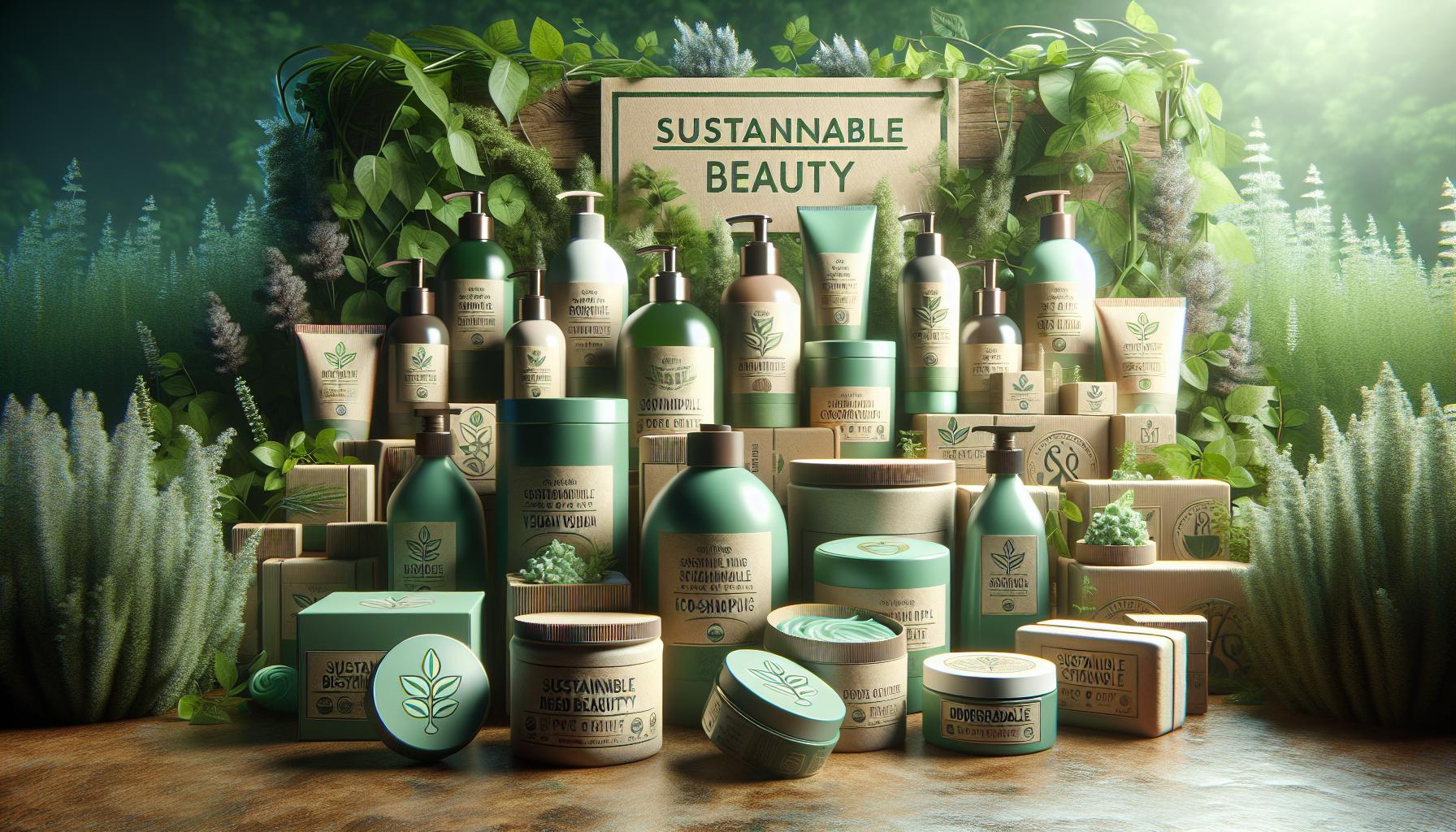
Another significant aspect of this trend is the increasing demand for eco-friendly packaging. Brands are recognizing the need to align their values with those of their consumers, who are keen to reduce plastic waste. For instance, companies are moving towards biodegradable or reusable packaging solutions. This shift not only catches the eye of environmentally conscious consumers but also encourages a broader conversation about waste and sustainability in the beauty industry.
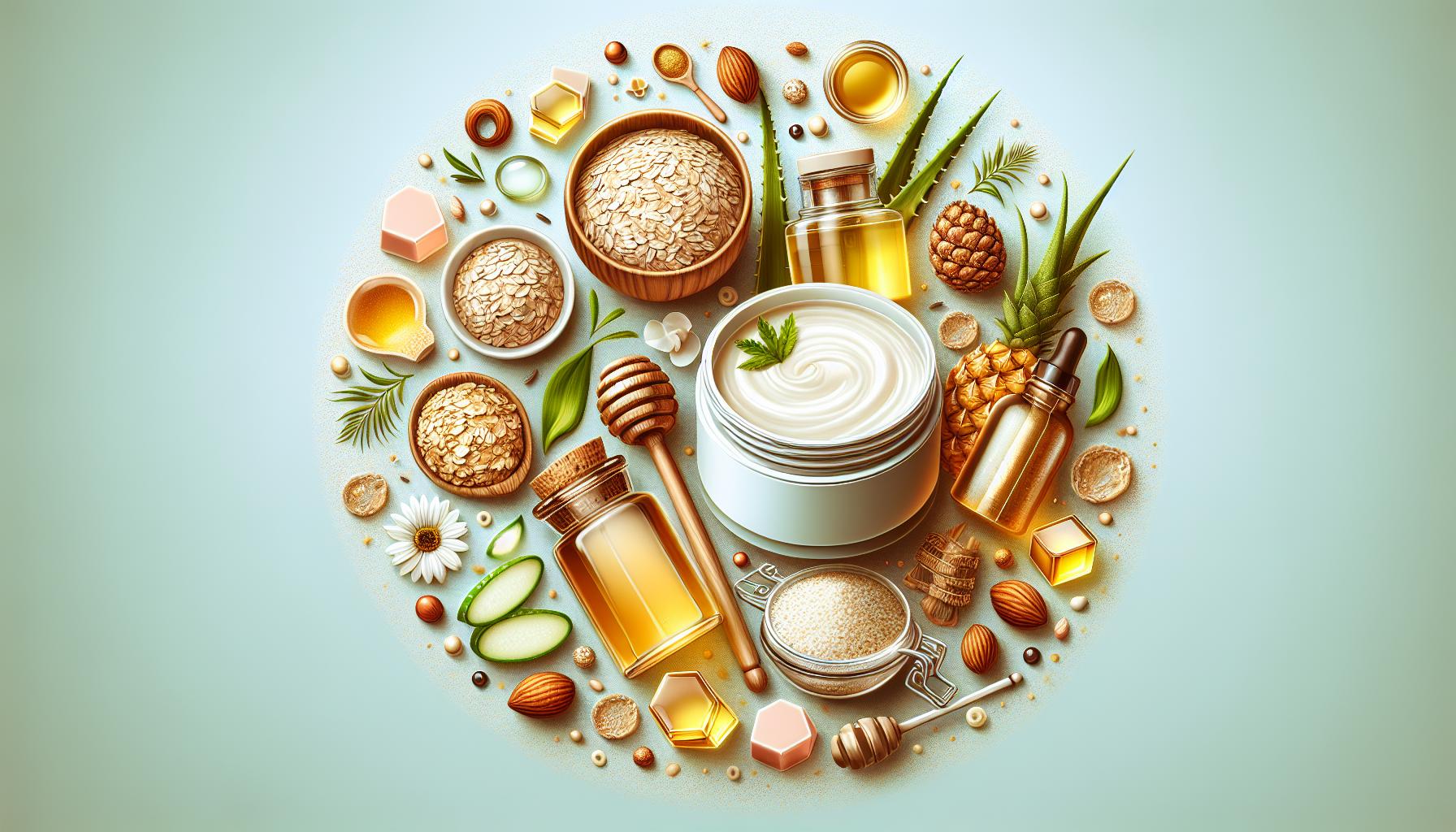
Diverse ingredients have taken center stage, ranging from time-tested botanicals to innovative extracts that have captivated skincare enthusiasts. Some trending natural components include:
- Tea tree oil, widely praised for its antimicrobial properties that can help combat acne and skin infections.
- Aloe vera, known for its soothing and hydrating qualities, is often used for its healing benefits for sunburn and irritations.
- Shea butter, a staple in moisturizing creams, offers deep nourishment and protection for dry skin.
This return to essentials is a response to the growing awareness of the potential harms linked to synthetic additives. As skincare enthusiasts shift their focus toward products that promise purity and efficacy, the emphasis on natural ingredients continues to reshape beauty routines across the United States. This evolving landscape invites consumers not only to explore new, nature-based formulations but also to engage in a broader dialogue about sustainability and health in their everyday choices. As this trend gains momentum, it will be fascinating to see how both brands and consumers navigate the intricacies of beauty that respects both personal health and the planet.
DISCOVER MORE: Click here to learn about minimalist skincare
The Rise of Ingredient Transparency
The shift towards natural ingredients in skincare is not merely a fleeting trend; it is indicative of a broader consumer demand for transparency and authenticity. Many consumers today prioritize understanding the ingredients in their skincare products, leading to increased scrutiny of labels and formulations. A recent survey found that over 60% of consumers are now more likely to purchase a product that lists all its ingredients clearly, reflecting an emerging expectation in the beauty industry for honesty in marketing and product formulation.
One of the driving forces behind this focus on ingredient transparency is the rising awareness of the potential side effects of synthetic chemicals. Ingredients such as parabens, sulfates, and artificial fragrances have come under fire for their possible links to skin irritation and hormonal disruptions. Consequently, skincare aficionados are making informed choices, gravitating towards brands that prioritize wholesome, natural components that resonate with their desire for safety and health.
Moreover, social media platforms have amplified the conversation about which ingredients are beneficial and which are best avoided. Influencers and skincare experts alike are advocating for a return to simplicity, fueling interest in products featuring recognizable ingredients. This cultural shift has opened the floodgates for brands that emphasize dermatologically tested, plant-derived formulations filled with vitamins, antioxidants, and age-old botanicals.
Spotlighting Popular Natural Ingredients
As part of this growing trend, certain ingredients have begun to dominate shelves and beauty regimes. Some of the most notable natural ingredients making waves include:
- Jojoba oil, known for its moisturizing properties and ability to mimic the skin’s natural oils, making it suitable for various skin types.
- Rosehip oil, celebrated for its high vitamin C content and ability to improve skin tone and texture, as well as reduce signs of aging.
- Matcha green tea, a powerful antioxidant that helps to protect the skin from environmental stressors while providing a soothing effect.
- Coconut oil, favored for its ability to deeply hydrate and nourish dry skin, as well as its antimicrobial properties.
This embrace of natural ingredients signifies that consumers are not just looking for quick fixes; they are invested in long-term skin health. The combination of effective and sustainable ingredients is ushering in an era of skincare that champions the benefits of both cleanliness and efficacy. As companies innovate and formulate products based on this essential philosophy, the beauty landscape continues to evolve, creating opportunities for brands to build trust with their audiences.
The conversation surrounding natural skincare is set to expand, inviting further exploration of how these essentials can be integrated into daily routines. As consumers continue to place a premium on holistic health, the skincare industry will likely adapt, leading to even richer conversations about sustainability, education, and wellness in personal care.
Exploring the Essentials of Natural Skincare
The skincare industry has seen a remarkable shift towards natural ingredients in recent years, driven by an increasing consumer awareness of the benefits of holistic skincare. This trend, often referred to as the Return to Essentials, emphasizes simplicity, efficacy, and transparency in beauty regimes. As we explore this resurgence, it is essential to highlight the significance of ingredients that are not only effective but also sustainable, embodying the principles of clean beauty.
1. Emphasis on Pure Ingredients
Skincare brands are pivoting towards formulations that center on a few key natural ingredients rather than an overwhelming list of synthetics. Ingredients such as aloe vera, jojoba oil, and sheabutter have regained popularity for their nourishing properties and minimal risk of irritation. This shift highlights a return to time-tested solutions that benefit the skin without the burden of harsh chemicals.
2. Transparency and Consumer Trust
Today, consumers are more discerning than ever, seeking transparency from brands regarding their ingredient sources and production methods. This trend has led to the rise of local and artisanal skincare lines that prioritize ethically-sourced ingredients, allowing customers to feel more connected to the products they use. Such transparency not only fosters trust but also encourages consumers to make informed decisions regarding their skincare options.
3. Sustainability and Environmental Impact
As awareness of environmental issues grows, the skincare industry is under pressure to adopt sustainable practices. Brands are increasingly focusing on biodegradable packaging and carbon-neutral production methods, appealing to eco-conscious consumers. This responsibility extends to sourcing ingredients, with many companies actively promoting fair trade and supporting local farmers.
4. The Role of Traditional Remedies
An intriguing aspect of this trend is the revitalization of traditional remedies. Ancient practices from cultures around the globe are finding their place in modern skincare, such as the use of Turmeric in Asia for its anti-inflammatory properties or Tea Tree Oil from Australia for its antimicrobial benefits. By integrating these time-honored techniques with contemporary science, brands are providing products that address modern skin concerns while honoring cultural wisdom.
Table of Advantages
| Category | Details |
|---|---|
| Natural Ingredients | Offer effective solutions with minimal risk of irritation. |
| Sustainability | Supports eco-friendly practices and responsible sourcing. |
| Transparency | Builds consumer trust through clear ingredient sourcing. |
| Cultural Heritage | Integrates traditional remedies into modern formulations. |
The growing interest in natural ingredients reflects a broader movement towards holistic and sustainable living, ultimately inspiring individuals to rethink their beauty routines and embark on a journey towards healthier skin. Whether through the use of artisanal products or by incorporating ancient wisdom, the allure of essential skincare continues to flourish, inviting exploration and discovery.
DISCOVER MORE: Click here to learn about powerful natural ingredients
Consumer Education and the Role of Technology
As the rise of natural ingredients becomes increasingly prominent within the skincare industry, consumer education is taking center stage. Modern-day skincare enthusiasts are not just passively purchasing products; they are seeking to educate themselves about the functionality of each ingredient. This quest for knowledge has led to an explosion of resources available online, enabling consumers to become more discerning shoppers. Websites, blogs, and social media are teeming with skincare advice, ingredient breakdowns, and even home remedy recipes, thus empowering individuals to make informed choices in their skincare routines.
Apps designed to analyze product ingredients have gained traction as well, providing users with an easy way to assess the safety and efficacy of various skincare products. These applications often employ barcode scanning technologies and offer in-depth details about the environmental impact and ethical sourcing of ingredients. This emergence of technology not only enhances knowledge but also aligns with the growing demand for sustainability in the beauty sector. Brands that can transparently communicate their ingredient sourcing and production methods are likely to gain a major competitive edge.
Emphasis on Sustainability and Ethical Sourcing
Alongside ingredient transparency and consumer education, sustainability has become a significant focus within the natural skincare movement. Today’s consumers are more environmentally conscious than ever and demand responsibly sourced ingredients that reflect their values. Brands such as Herbivore Botanicals and Youth To The People exemplify this trend, integrating ethically sourced, plant-based ingredients and eco-friendly packaging into their offerings.
The emphasis on sustainability is evident in the rise of brands that actively seek to reduce their carbon footprint. Initiatives like zero-waste packaging, refillable containers, and vegan formulations resonate with a demographic that prides itself on being globally conscious. Additionally, the incorporation of local and seasonal ingredients is gaining popularity, as it not only supports local economies but also minimizes transportation-related emissions. Such practices echo a deeper cultural shift toward embracing natural, wholesome living.
The Science Behind Natural Ingredients
While the appeal of natural skincare products is largely rooted in their perceived purity and safety, there is a growing body of scientific research supporting their efficacy. For instance, studies have demonstrated that aloe vera possesses healing properties that can aid in wound healing and skin hydration, while turmeric has been shown to exhibit anti-inflammatory benefits beneficial for acne-prone skin. Furthermore, the antioxidant properties found in ingredients like green tea extract and vitamin E offer powerful protection against environmental stressors, reinforcing the importance of incorporating these elements into a daily regimen.
As education about the science behind these ingredients expands, consumers are likely to approach natural skincare with a newfound appreciation for their complexity and effectiveness. This intersection of knowledge and product innovation marks a significant moment in the skincare landscape, one where science and nature coexist harmoniously.
This embrace of natural ingredients and holistic methods reflects a shift in consumer priorities, as more individuals opt to elevate their skincare routines to align with their values and lifestyles. As the demand for natural, transparent, and sustainable skincare continues to rise, brands must adapt not just their formulations, but also their narratives to resonate with the evolving desires of their audience. The future holds promising potential for the integration of nature’s best offerings into our daily skincare rituals.
DIVE DEEPER: Click here to discover more minimalist makeup trends
Conclusion: The Resurgence of Natural Skincare
The trends in skincare showcasing a notable shift towards natural ingredients reflect a profound realignment of consumer values and priorities. This resurgence signals more than just a fleeting fad; it illustrates a deeper movement towards embracing purity, ethics, and sustainability. As knowledge expands and consumers become increasingly engaged, their expectations for transparency and efficacy have drastically transformed the skincare landscape. The intersection of science and natural beauty is particularly significant, as research continues to validate the benefits of ingredients like aloe vera and turmeric, compelling consumers to incorporate these naturally derived components into their daily rituals.
In this era of informed consumers, brands must adapt not only their product formulations but also the narratives they convey. They need to showcase their commitment to sustainable practices, ethical sourcing, and the integrity of their ingredients to connect authentically with today’s discerning audience. Moreover, the importance of technology in facilitating consumer education cannot be overstated, as tools for ingredient analysis help shoppers feel empowered in their skincare choices.
As we look ahead, the natural skincare movement is poised to grow, driven by a collective desire for products that resonate with both personal well-being and environmental consciousness. Whether it’s through innovative formulations or eco-friendly practices, the future holds a promising blend of tradition and innovation. The return to essentials in skincare invites all consumers to not only explore the benefits of nature but to also embrace a holistic approach to beauty that honors oneself and the planet.