
Using Crate Training as a Tool for Housebreaking and Comfort
Understanding Crate Training: A Pillar of Responsible Pet Ownership
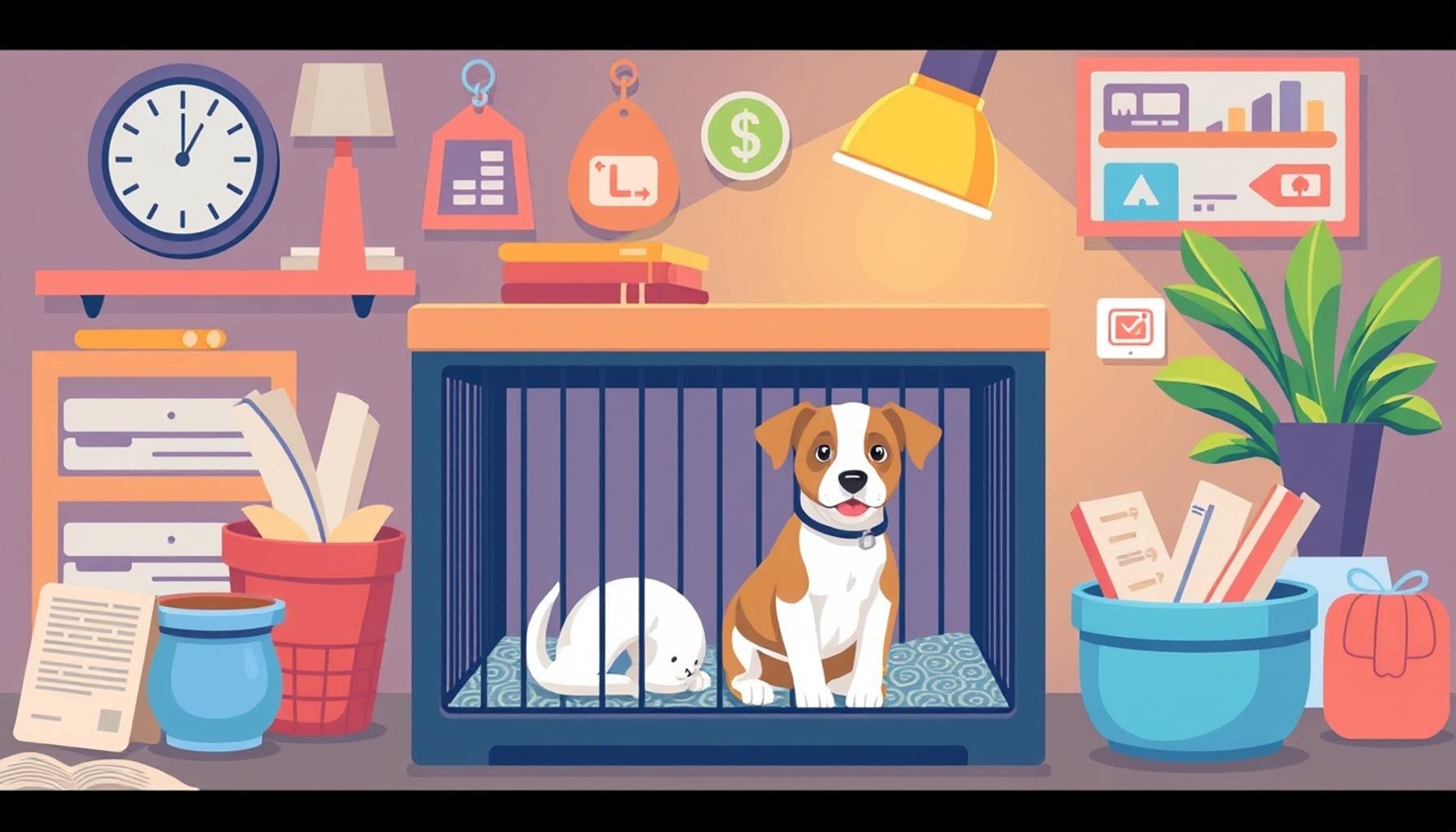
Crate training is more than just a tool for teaching your pet where to relieve themselves; it is a method that nurtures a sense of safety and security for your dog. While many pet owners may have reservations—thinking that a crate limits freedom—it’s important to recognize that a well-utilized crate can serve as a personal retreat for your canine companion. In fact, dogs have natural denning instincts which drive them to seek small, enclosed spaces for rest and relaxation.
The benefits of crate training extend beyond mere housebreaking. Let’s delve deeper into its numerous advantages:
- Housebreaking efficiency: A crate can significantly aid in housebreaking your dog. Since dogs naturally avoid soiling their living space, a crate encourages them to hold their bladder until they are let outside. This technique can streamline the potty training process, reducing accidents in the house and reinforcing the routine of going outside.
- Safety: When left unsupervised, dogs can engage in destructive behaviors, such as chewing on furniture, ingesting harmful items, or even getting into dangerous situations. A crate provides a safe haven when you can’t directly supervise your pet, allowing you to attend to household tasks without worry.
- Comfortable space: For dogs that experience anxiety, a crate offers a cozy space away from the chaos of household activities. By introducing your dog to their crate gradually, you can create a comfortable refuge that they can retreat to during stressful situations, such as loud noises or unfamiliar visitors.
Veterinarians and certified trainers across the United States often recommend crate training as a crucial part of responsible pet ownership. Its alignment with a dog’s natural instincts makes it an effective strategy for fostering desired behaviors. By understanding how to implement crate training properly, you can create a positive experience for your dog that enhances your mutual bond.
In this article, we will explore various strategies for effective crate training and emphasize the vital role it plays in ensuring your pet feels secure and comfortable. Through a comprehensive understanding of these practices, you can transform not just your dog’s behavior, but also your relationship with your furry friend, paving the way for a harmonious living environment.
DIVE DEEPER: Click here to discover innovative pet training tools
Strategies for Effective Crate Training: Turning Challenges into Comfort
Crate training can be a rewarding experience both for you and your dog, but it requires a well-thought-out approach to be truly effective. Aiming for the dual goals of housebreaking and creating a sense of comfort, pet owners should consider several key strategies that make the process smoother for their canine companions. Understanding how to set the stage for a positive experience can transform your dog’s perception of the crate from a mere enclosure to a safe haven.
1. Choosing the Right Crate
The journey to successful crate training starts with selecting the right type of crate. There are various options available, including plastic vari kennels, wire crates, and soft-sided options. Each type has its pros and cons:
- Plastic Vari Kennels: These provide a cozy, den-like atmosphere and are generally easier for dogs to view as a safe space.
- Wire Crates: These offer excellent visibility and airflow, making them suitable for dogs that prefer to see their surroundings.
- Soft-Sided Crates: Ideal for travel or short-term setups, these can create a warm environment but may not be durable for heavy chewers.
Choosing a crate that suits your dog’s personality and size can foster the development of a positive association with this space.
2. Proper Crate Introduction
Introducing your dog to their crate should be a gradual and thoughtful process. Never simply force your dog into the crate as this can create anxiety and resistance. Here are practical steps to ease your pet into their new space:
- Positive Reinforcement: Start by encouraging your dog to enter the crate voluntarily, using treats or toys as motivation.
- Short Stays: Initially, keep crate time short—just a few minutes—before gradually increasing the duration as your dog becomes more comfortable.
- Comfort Items: Place a blanket or a favorite toy inside to create a welcoming atmosphere, fostering a sense of security.
Throughout this process, remain patient and avoid scolding your dog for any signs of hesitation or anxiety. Creating a positive environment is crucial for encouraging cooperation and fostering trust.
3. Timing and Consistency
Establishing a consistent routine is essential in crate training. Use the crate during specific times, like while you are away or at night, and ensure that your dog has ample opportunities to relieve themselves beforehand. Consistency helps reinforce the understanding that the crate is part of a normal routine, thereby enhancing the housebreaking process as well.
Overall, crate training, when implemented properly, can serve as a powerful tool for creating a secure environment for your dog. By following these strategies that emphasize both comfort and training, you can enable your furry friend to develop trust in their crate, ultimately leading to a healthier and more harmonious relationship between you and your pet.
| Advantages | Description |
|---|---|
| Effective Housebreaking | Crate training facilitates a structured environment that significantly aids in housebreaking by teaching puppies and dogs to hold their bladder until they are let outside. |
| Safety and Comfort | A crate serves as a safe haven for pets, providing them with a cozy retreat where they can feel secure, reducing anxiety during storms or while traveling. |
| Behavior Management | Crate training can help manage behaviors such as chewing or digging by limiting a dog’s access to certain areas of the home. |
| Enhanced Bonding | Using a crate encourages a deeper bond between the pet and owner as it promotes positive reinforcement and shared experiences during training sessions. |
Using crate training as a method for housebreaking and comfort not only addresses practical concerns of pet ownership but also enhances pets’ emotional well-being. It’s essential to consider how effective crate training can lead a happier, healthier life for both pets and owners alike, making it a topic worth exploring further.
LEARN MORE: Click here to discover effective techniques
Building a Positive Crate Experience: Enhancing Learning and Reducing Anxiety
While the initial steps of selecting the right crate and introducing your dog to it are vital, the next phase of crate training entails focusing on creating a truly positive experience that alleviates anxiety and fosters reliable housebreaking. With the right mix of techniques and mindfulness, pet owners can turn potential challenges into opportunities for bonding and comfort.
4. Using Crate Time Positively
To ensure that crate time is perceived positively, it is essential to make it enjoyable. Engaging your dog with interactive toys that dispense treats while they are inside the crate can create a positive association. This not only serves as a distraction but also helps your dog view the crate as a place for fun rather than confinement. These toys can stimulate mental engagement, allowing your canine to associate their crate with rewarding experiences.
Furthermore, consider providing meals inside the crate. Feeding your dog in their crate can help them see it as their personal dining area, enhancing the comfort factor. It builds a strong connection between the crate and positive experiences like eating or playing, reinforcing the idea that this space is a haven.
5. Recognizing Signs of Distress
It’s crucial for pet owners to remain observant and responsive to any signs of stress or anxiety. Dogs can display various behaviors that indicate discomfort, such as whining, barking, or attempting to escape. Understanding these signals will allow you to adjust the crate training approach effectively.
For instance, if your dog becomes overly distressed during crate time, they may need shorter intervals or more gradual exposure. Instead of forcing them to stay, give them a break, returning to previous steps for easing into crate training. This responsiveness fosters trust and reinforces the idea that the crate is not a source of fear but rather a safe, comfortable space.
6. Crate Training for Special Circumstances
Crate training can also be particularly useful during specific situations, such as introducing a new pet into your home or when traveling. With new arrivals, individual crates provide a safe, quiet space where dogs can retreat and feel secure amidst changes. It can greatly assist in reducing potential conflicts between pets, allowing for a smoother transition.
When traveling, a crate serves not only as a method for transport but also offers your dog familiarity in unknown environments. Many dogs feel more secure when they have a designated space to call their own, even in unfamiliar settings. Therefore, acclimating your dog to their crate well before travel is essential—practice short trips to build their comfort with the car and the crate simultaneously, ensuring a stress-free experience.
7. Consistent Crate Routine
To reinforce effective housebreaking, establishing a consistent crate routine is critical. This includes creating a schedule for bathroom breaks, meal times, and crate duration. By maintaining this routine, dogs learn to hold their bladder when anticipated outside time is near, ultimately promoting successful housebreaking.
In addition, it’s advisable to keep a close eye on your dog’s water intake. Ensuring that they have access to water throughout the day while limiting consumption just before crating can help manage accidents. Being attuned to your dog’s needs and developing a thoughtful routine drastically enhances the effectiveness of housebreaking through crate training.
With a focus on positivity, responsiveness to distress, and the establishment of routines, crate training emerges as a multifaceted tool that not only aids in housebreaking but also cultivates a lasting sense of comfort and security for your dog.
DISCOVER MORE: Click here to learn about effective clicker training
Conclusion: The Transformative Power of Crate Training
In summary, crate training serves as a formidable tool in fostering both effective housebreaking and emotional comfort for dogs. By creating a positive atmosphere around the crate, pet owners can facilitate a deeper bond with their furry companions, ensuring their pets view the crate as a safe haven rather than a form of punishment. Utilizing interactive toys, providing meals, and recognizing signs of distress are all integral components that can enhance this experience.
Moreover, a consistent routine plays a pivotal role in solidifying the benefits of crate training, ultimately leading to successful housebreaking. Dogs thrive on predictability, and by synchronizing bathroom breaks with crate time, owners can encourage their pets to establish good habits. This attention to routine not only aids in effective potty training but also contributes to a sense of security for the dog as they learn to navigate their environment.
Crate training is not just a temporary solution; it can adapt to various situations, from welcoming a new pet into the home to easing travel anxieties, proving itself to be a versatile strategy. As dog owners reflect on their training journeys, embracing crate training as a tool for both housebreaking and comfort can elevate the overall experience for both the pet and the owner.
Ultimately, when approached with patience, empathy, and understanding, crate training can transform a necessary task into a rewarding opportunity for bonding and trust. Both you and your furry friend can thrive in a harmonious environment, embracing the journey of learning and growing together.