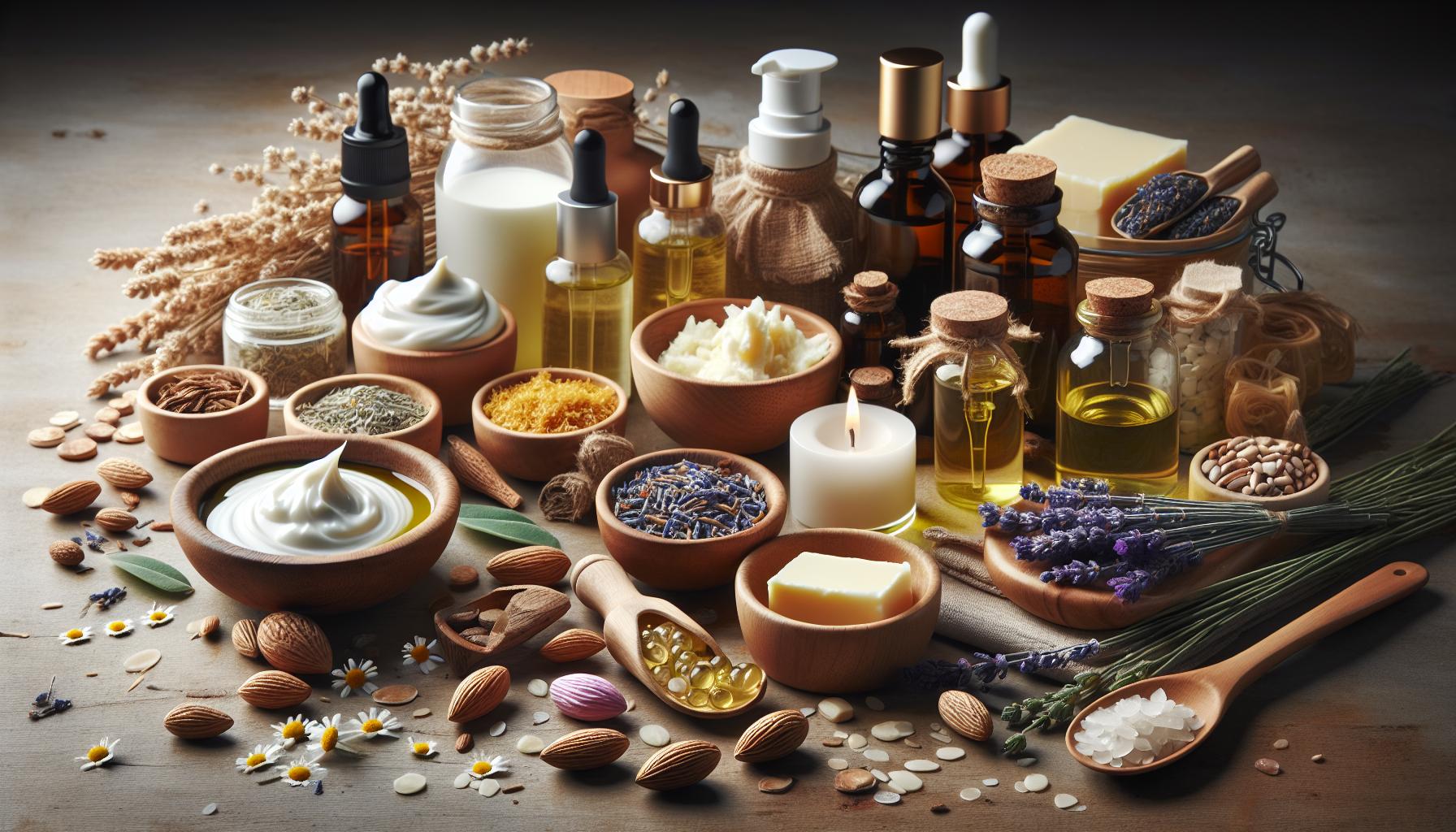
How to Create a Sustainable Beauty Routine with Natural Ingredients

Understanding Natural Beauty Routines
As more consumers recognize the importance of environmentally conscious choices, the demand for natural beauty routines has surged. This shift is not only about improving one’s appearance but also about embracing a lifestyle that respects the planet. With the beauty industry often associated with harmful chemicals and unsustainable practices, turning toward natural alternatives offers a refreshing and responsible approach.
Transitioning to a more sustainable approach can not only enhance your beauty regimen but also safeguard your skin from potentially harmful substances. It starts with a few impactful steps that anyone can undertake.
Research Natural Ingredients
Understanding which natural substances can benefit your skin is crucial. For example, shea butter is an excellent moisturizer known for its healing properties, ideal for dry skin, while coconut oil serves multiple functions—it can help with hair conditioning, makeup removal, and skin hydration. Essential oils, such as lavender or tea tree oil, present antimicrobial properties and are beneficial for various skin types. Diving into the origins and benefits of these ingredients can be a rewarding journey, informing you on how to use them effectively.
Assess Your Current Products
Take a close look at the beauty products currently occupying your shelves. Many mainstream items contain harmful chemicals like parabens and sulfates that can be detrimental to both your skin and health. By evaluating your beauty stash, you can identify these problematic ingredients and begin the search for natural replacements, such as opting for natural cleansers made from plant-based ingredients. This critical assessment not only streamlines your routine but also empowers you to make healthier choices.
DIY Solutions
Crafting your skincare and haircare products at home can be an enjoyable and fulfilling experience. By utilizing everyday kitchen items, you can create effective and personalized beauty treatments. For instance, a simple facial mask made from mashed avocado and honey can serve as a hydrating treatment, while a mixture of olive oil and sugar can act as an excellent body scrub. The possibilities are virtually endless, and engaging in DIY beauty allows for creativity while ensuring that you know exactly what goes into your products. Moreover, homemade solutions can often save money compared to store-bought items.

These adjustments not only foster well-being but also reflect a broader trend. Remarkably, the organic beauty market in the U.S. has doubled in recent years, signaling a definitive pivot towards more conscious consumer choices. With consumers increasingly valuing transparency and sustainability, the push for natural beauty routines aligns with larger environmental goals.
By thoughtfully integrating these practices into your daily life, you can cultivate a beauty routine that not only enhances your personal care but also contributes to a healthier planet. Explore the riches of nature, enrich your skin, and join a movement that represents a brighter, greener future.
DIVE DEEPER: Click here to discover more
Embracing Change: The Steps to a Natural Beauty Routine
Transitioning to a sustainable beauty routine is not just about swapping products; it’s an enlightening journey that encourages mindfulness regarding personal care and environmental impact. By embracing natural ingredients, you can create a regimen that is as beneficial for your skin as it is for the planet. Here are some essential steps to get you started on this transformative path.
Identify Your Skin Type
The first crucial step in developing a sustainable beauty routine is to understand your skin type. This involves recognizing the unique needs of your skin, which can vary from dry to oily, sensitive, or combination. Each skin type responds differently to various ingredients, and this knowledge will guide you in selecting the most effective natural components. Here’s a brief overview of common skin types to consider:
- Dry Skin: Look for rich moisturizers like shea butter, which can deeply hydrate and replenish.
- Oily Skin: Ingredients like witch hazel and tea tree oil can help balance oil production and prevent breakouts.
- Sensitive Skin: Opt for soothing components like aloe vera or chamomile that can calm irritation.
- Combination Skin: A blend of different ingredients, such as balancing oils and gentle exfoliators, can address various areas effectively.
Knowing your skin type will not only guide your ingredient choices but will also allow you to personalize your beauty routine to maximize its benefits.
Explore Sustainable Brands
The rise of eco-friendly brands showcases a growing commitment to sustainability within the beauty industry. Look for brands that prioritize natural and ethically-sourced ingredients, sustainable packaging, and transparent practices. Some key characteristics to consider when exploring these brands include:
- Ingredient Sourcing: Brands that provide information about where their natural ingredients come from often ensure responsible sourcing.
- Packaging: Opt for companies that utilize recyclable, biodegradable, or refillable packaging options.
- Ethical Practices: Support brands that are cruelty-free and have a clear stance on environmental responsibility.
Researching and investing in sustainable brands not only enhances your beauty routine but also supports companies aligned with your values.
Hydration and Nutrition from Within
A sustainable beauty routine extends beyond topical applications; it encompasses overall wellness. Consuming a balanced diet rich in antioxidants, vitamins, and minerals can significantly impact your skin’s health. Incorporate ingredients such as:
- Fruits and Vegetables: Rich in vitamins A, C, and E, they help combat skin aging.
- Healthy Fats: Foods like avocados and nuts support skin elasticity and hydration.
- Hydration: Drinking plenty of water is essential for maintaining skin moisture and elasticity.
By nurturing your body with nourishing foods, you’ll likely see a positive effect on your external appearance, creating a holistic approach to sustainability in beauty.
Taking these steps creates a strong foundation for a sustainable beauty routine. Combining awareness, ethical choices, and internal health will foster a personal care regimen that feels good and supports the planet. Embrace these changes, and you might just uncover the secret to not only radiant skin but also a more conscientious lifestyle.
Understanding Your Skin Type for a Tailored Routine
To create a truly sustainable beauty routine with natural ingredients, the first and foremost step is to understand your skin type. Different skin types—oily, dry, combination, or sensitive—require different natural ingredients. For instance, oily skin may benefit from ingredients like tea tree oil or clay, which help absorb excess oil. In contrast, dry skin can thrive with nourishing oils like jojoba or avocado oil, which provide much-needed hydration.
Choosing Ingredients Wisely
When selecting natural ingredients for your routine, consider their source and sustainability. Look for brands that prioritize ethical sourcing and low environmental impact. Ingredients like organic shea butter, coconut oil, and essential oils not only offer beauty benefits but also contribute to sustainability by being biodegradable and less harmful to the ecosystem.
Minimizing Packaging Waste
An eco-friendly routine also involves minimizing waste. Opt for products that come in recyclable or biodegradable packaging. Consider switching to bulk options or refillable containers to reduce plastic usage. Additionally, DIY beauty products are an excellent way to control not just the ingredients, but also the packaging. Recipes for homemade face masks or body scrubs using ingredients from your kitchen can significantly lower your carbon footprint while providing effective beauty solutions.
Testing for Allergens
As you explore different natural ingredients, always conduct a patch test to ensure you aren’t allergic. Some natural substances, despite their benefits, may cause irritation. For example, essential oils can be potent and need to be diluted appropriately. Prioritizing your skin’s safety should be an integral part of your sustainable routine.
| Category | Advantage |
|---|---|
| Natural Ingredients | Free from harsh chemicals, reducing skin irritation. |
| Sustainable Practices | Contributes to environmental conservation and resource preservation. |
By working with nature rather than against it, you can establish a beauty regimen that is not only effective but also supports the world we live in. Embracing such practices opens the door to discovering new ingredients, expanding your beauty knowledge, and ultimately leading to a more fulfilling beauty experience.
DISCOVER MORE: Click here to learn about minimalist makeup trends
Crafting Customized Natural Products
Once you have identified your skin type and explored sustainable brands, the next step involves creating customized products tailored to your individual needs. Not only does this promote sustainability by minimizing waste from packaging, but it also allows you to take full control over what you apply to your skin. Here are some ideas for natural beauty products you can create at home:
Homemade Facial Cleanser
Creating your own facial cleanser is an excellent way to avoid harsh chemicals while ensuring you use ingredients that are safe and effective. A simple recipe includes:
- Ingredients: 1 tablespoon of raw honey, 1 teaspoon of coconut oil, and a few drops of lavender essential oil.
- Instructions: Mix the ingredients together until they form a smooth paste. Apply to damp skin and massage gently for 1-2 minutes before rinsing off with warm water.
This cleanser not only removes dirt and makeup but also provides antibacterial benefits from honey and soothing properties from lavender, making it suitable for various skin types.
Natural Exfoliants
Regular exfoliation is key for maintaining radiant skin, but many commercial exfoliants contain microbeads and synthetic agents that can harm marine life. Instead, you can make your own natural exfoliant using:
- Ingredients: 1 cup of brown sugar, 1/2 cup of olive oil, and a dash of lemon juice.
- Instructions: Combine all ingredients in a bowl, then gently scrub the mixture onto your face or body in circular motions before rinsing off.
This blend not only buffs away dead skin cells but also hydrates deeply due to the olive oil, making it an ideal choice for those with dry skin.
DIY Moisturizers
A well-formulated moisturizer can work wonders for your skin, and crafting your own gives you the ability to include only the most beneficial natural oils and butters. Here’s a simple recipe:
- Ingredients: 1/4 cup of shea butter, 1/4 cup of coconut oil, and essential oils of your choice for fragrance.
- Instructions: Melt the shea butter and coconut oil together and allow it to cool slightly. Add your essential oils before whipping the mixture with a hand mixer until fluffy. Store it in a glass jar.
This natural moisturizer provides essential fatty acids that enhance skin hydration and elasticity while avoiding synthetic additives.
The Importance of Patch Testing
Before fully integrating any homemade product into your regimen, it is critical to perform a patch test. Apply a small amount of the product to a discreet area of skin (such as the inner arm) and wait for 24 hours to ensure there’s no adverse reaction. This precaution helps you avoid potential irritations while ensuring that natural ingredients complement your skin’s needs.
Creating your own beauty products can be an incredibly rewarding experience, leading to better skin and a smaller ecological footprint. It encourages exploration and boosts confidence, as you realize the power of nature in enhancing your beauty routine.
DISCOVER: Click here to discover the latest trends
Conclusion
In summary, creating a sustainable beauty routine with natural ingredients is not just a trend—it’s a lifestyle choice that can have profound benefits for both your skin and the environment. As we’ve explored, understanding your skin type and experimenting with natural ingredients empowers you to formulate personalized products that cater to your unique needs while steering clear of harmful chemicals. Not only does this approach reduce the environmental impact associated with excessive packaging and synthetic production, but it also reconnects you with the natural world by harnessing the power of botanicals.
The recipes shared for homemade cleansers, exfoliants, and moisturizers provide a fantastic starting point for anyone eager to dive into DIY beauty. By selecting simple, effective ingredients such as honey, olive oil, and essential oils, you can indulge in high-quality skincare without compromising on sustainability. Remember, the beauty of crafting your own products lies in the ability to customize them to suit your preferences, both in scent and texture, while being mindful of what goes onto your skin.
Furthermore, embracing patch testing as a standard practice underscores the importance of safety and sensitivity in your beauty regimen. As consumers become increasingly conscious of their choices, the shift towards sustainable beauty fosters greater awareness and responsibility, prompting industry changes and innovations in natural formulations.
As you embark on this journey toward a more eco-friendly beauty routine, consider exploring local, organic markets for ingredients, supporting ethical brands, and engaging in community workshops. The beauty realm is vast and vibrant, so let your curiosity guide you as you discover the transformative power of nature. By prioritizing sustainability, you’ll be contributing to a healthier planet while enhancing your own natural beauty—an endeavor worth pursuing.