How Culture and Traditions Influence the Use of Natural Ingredients in Beauty Products
Cultural Heritage and Beauty
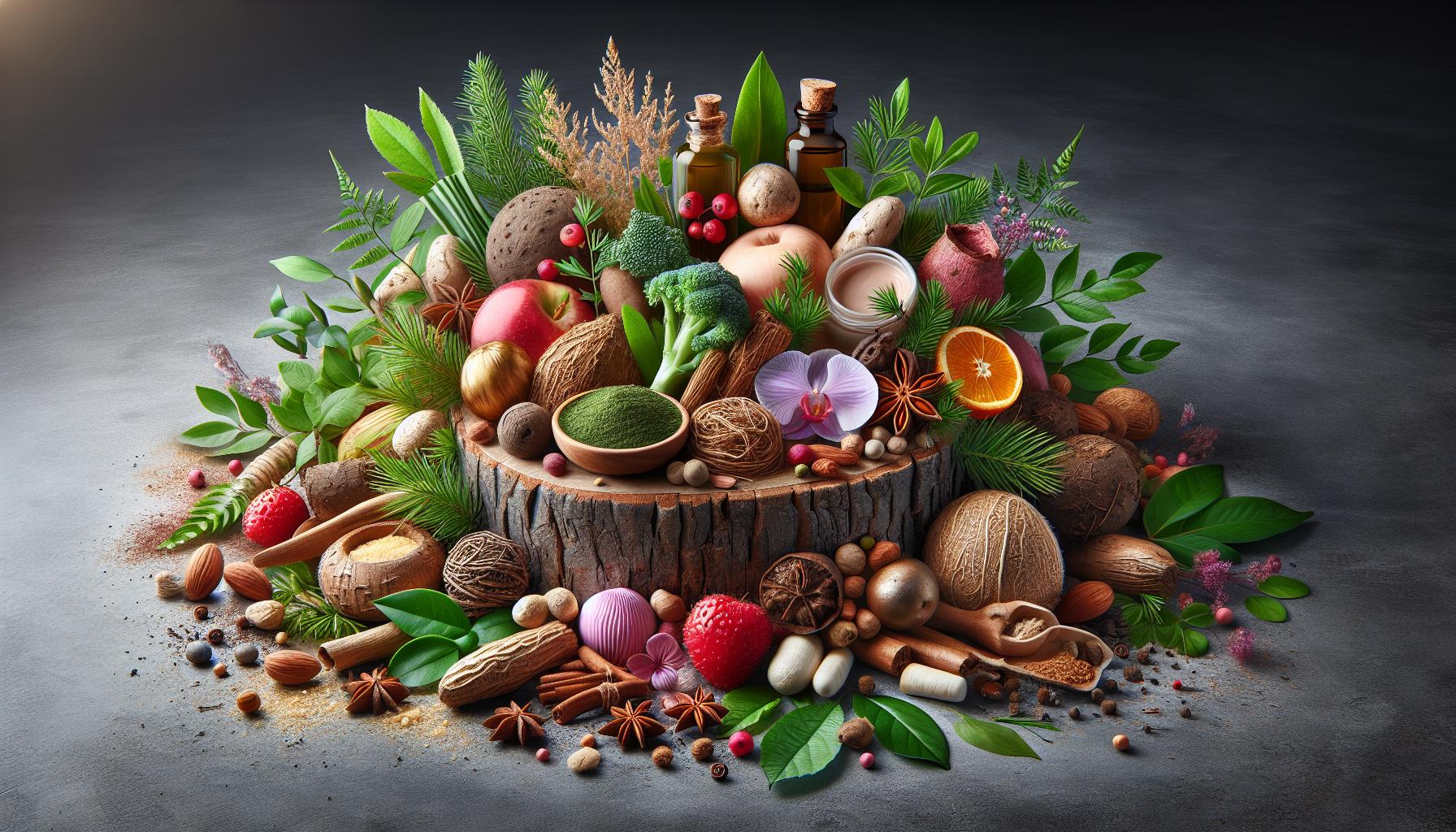
Beauty rituals have long been intertwined with cultural identity, and they often reflect a rich tapestry of history, practices, and values. Each culture has its unique approach to beauty, shaped by the available natural resources, environmental conditioning, and inherited wisdom passed down through generations. For instance, in regions where certain plants flourish, the use of these flora becomes prevalent in beauty routines. This confluence of nature and cultural tradition offers a fascinating lens through which we can explore beauty today.
Indigenous Practices
Indigenous practices have been a cornerstone of beauty routines for many Native American tribes. Ingredients such as cedar and sage not only serve practical purposes—like cleansing the skin—but also play a spiritual role in rituals aimed at promoting physical and emotional well-being. The fragrant properties of sage, for instance, have made it a staple in cleansing ceremonies, celebrating the connection to nature. Increasingly, modern beauty brands in the United States are looking to these indigenous practices to inspire new products that honor and highlight these traditional methods.
Regional Ingredients
The influence of regional ingredients in beauty products is palpably felt in the Southern U.S., where magnolia extract is celebrated for its soothing properties. Southerners have long valued the magnolia tree, which symbolizes strength and beauty. By infusing products with magnolia, brands honor local heritage while creating products that connect users to the landscape. Furthermore, regions like California leverage the state’s rich agricultural biodiversity to create beauty lines infused with ingredients like avocado, citrus, and almonds, showcasing how locale shapes beauty formulations.
Herbal Remedies
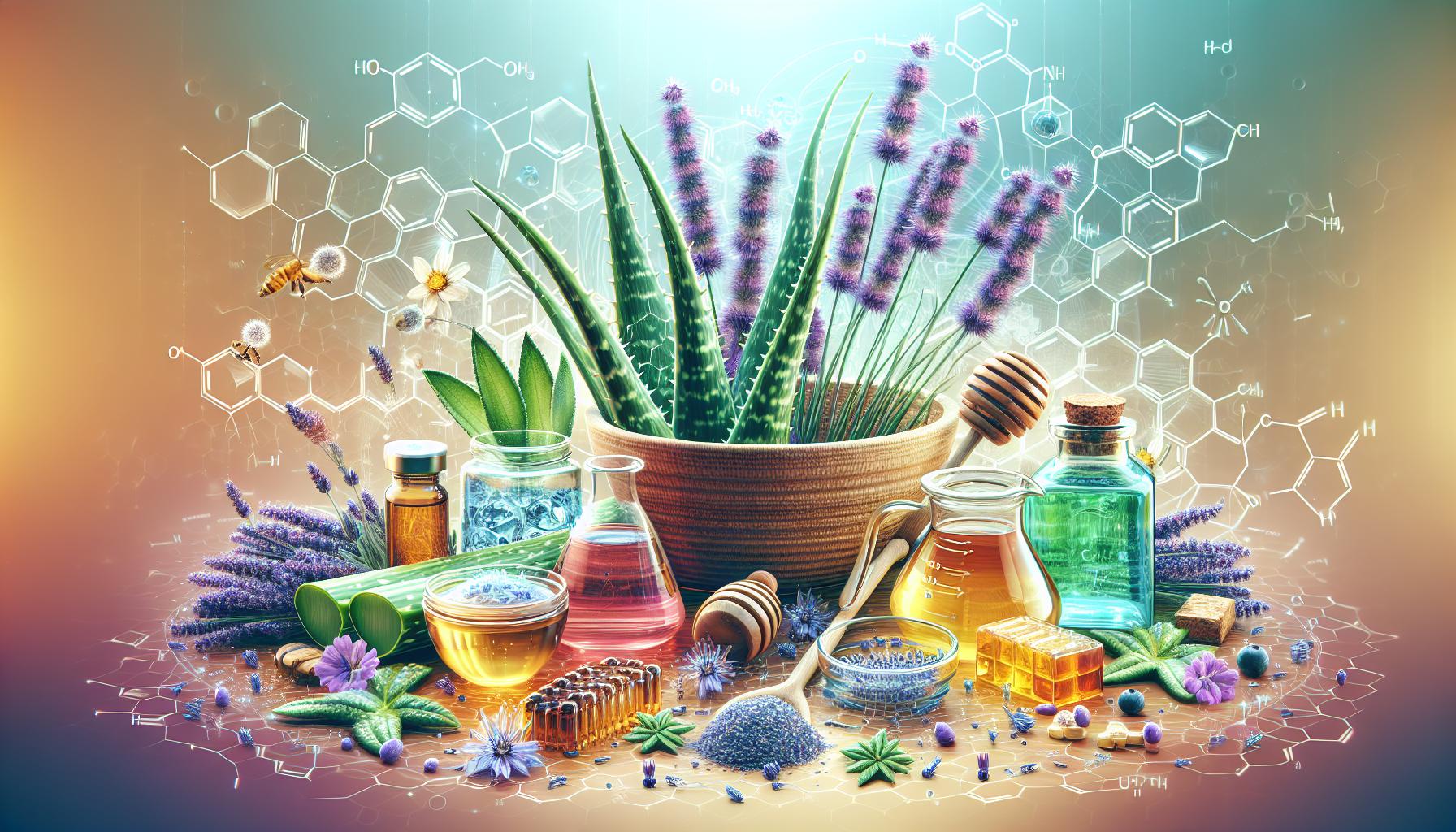
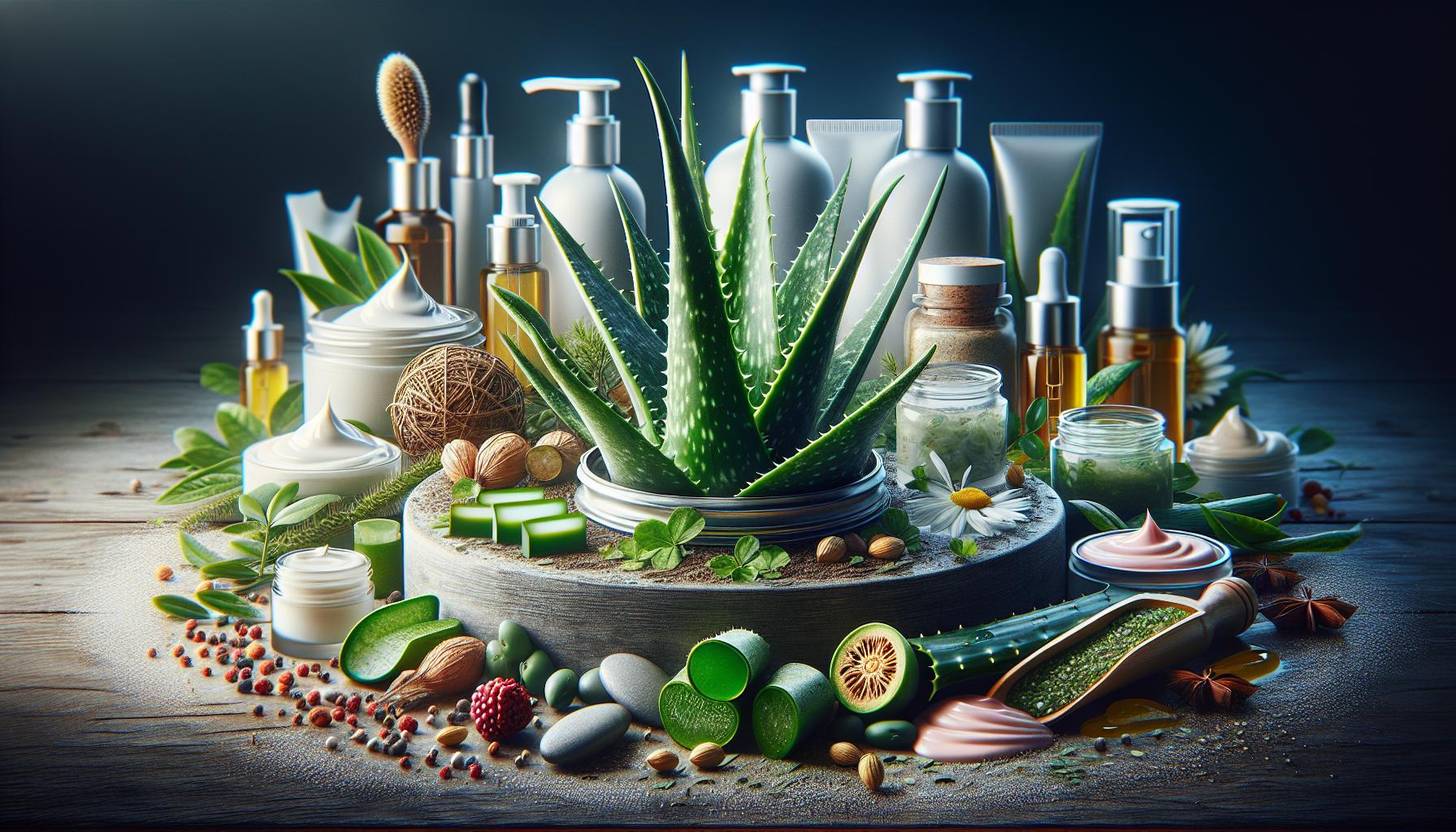
Across the country, many communities continue to rely on herbal remedies that highlight the power of nature in skincare. Aloe vera, known for its soothing and hydrating properties, has become an essential ingredient in sunburn relief products, emphasizing the connection to the climate and lifestyle of sun-rich states. Consumers with a keen interest in wellness are drawn to these traditional herbal applications, further propelling brands to explore ways to integrate dependable, natural healing elements into their offerings.
This exploration of cultural influences on beauty reveals a broader narrative where each product is more than just a cosmetic; it embodies a story of resourcefulness, environmental consciousness, and heritage. As awareness of these traditions rises among consumers, there is an escalating demand for products that are both authentic and sustainable, leading brands to focus more on responsible sourcing and clean ingredients.

By understanding how historical practices shape modern formulations, consumers can cultivate a greater appreciation for the intersection of beauty and nature. This movement not only challenges conventional beauty standards but also advocates for a more inclusive definition of beauty that honors cultural diversity and environmental stewardship.
DISCOVER MORE: Click here to learn about double cleansing
Global Perspectives on Natural Ingredients
The beauty industry is a vibrant mosaic of cultural influences that shape the way natural ingredients are utilized. From Africa’s shea butter to Asia’s rice water, each ingredient not only serves a functional purpose but also embodies the essence of cultural practices and beliefs. Understanding how these natural elements are revered worldwide provides insight into their enduring popularity in beauty routines.
Shea Butter: The West African Treasure
Shea butter is celebrated globally, but its roots are firmly planted in West African traditions. Used for centuries by African women to protect and nourish their skin and hair, shea butter is extracted from the nuts of the shea tree. The cultural significance of shea butter transcends its moisturizing benefits; it is an integral part of ceremonies and community gatherings, showcasing its role in cultural identity. As demand for sustainable products rises, many beauty brands are sourcing shea butter directly from West African cooperatives, ensuring fair trade practices while highlighting its traditional uses.
Cultural Routines Surrounding Rice Water
In many East Asian cultures, rice water has been valued for its beautifying properties, notably among the Geisha of Japan who used it to maintain their complexions. The practice involves soaking or boiling rice in water, where the leached nutrients are believed to promote skin clarity and texture. This simple yet effective beauty secret has seen a resurgence in popularity as consumers seek chemical-free alternatives to conventional beauty products. With the growing emphasis on heritage and authenticity, brands are capitalizing on this trend by formulating rice water-based products that invite users to partake in a time-honored routine.
Ayurvedic Influences
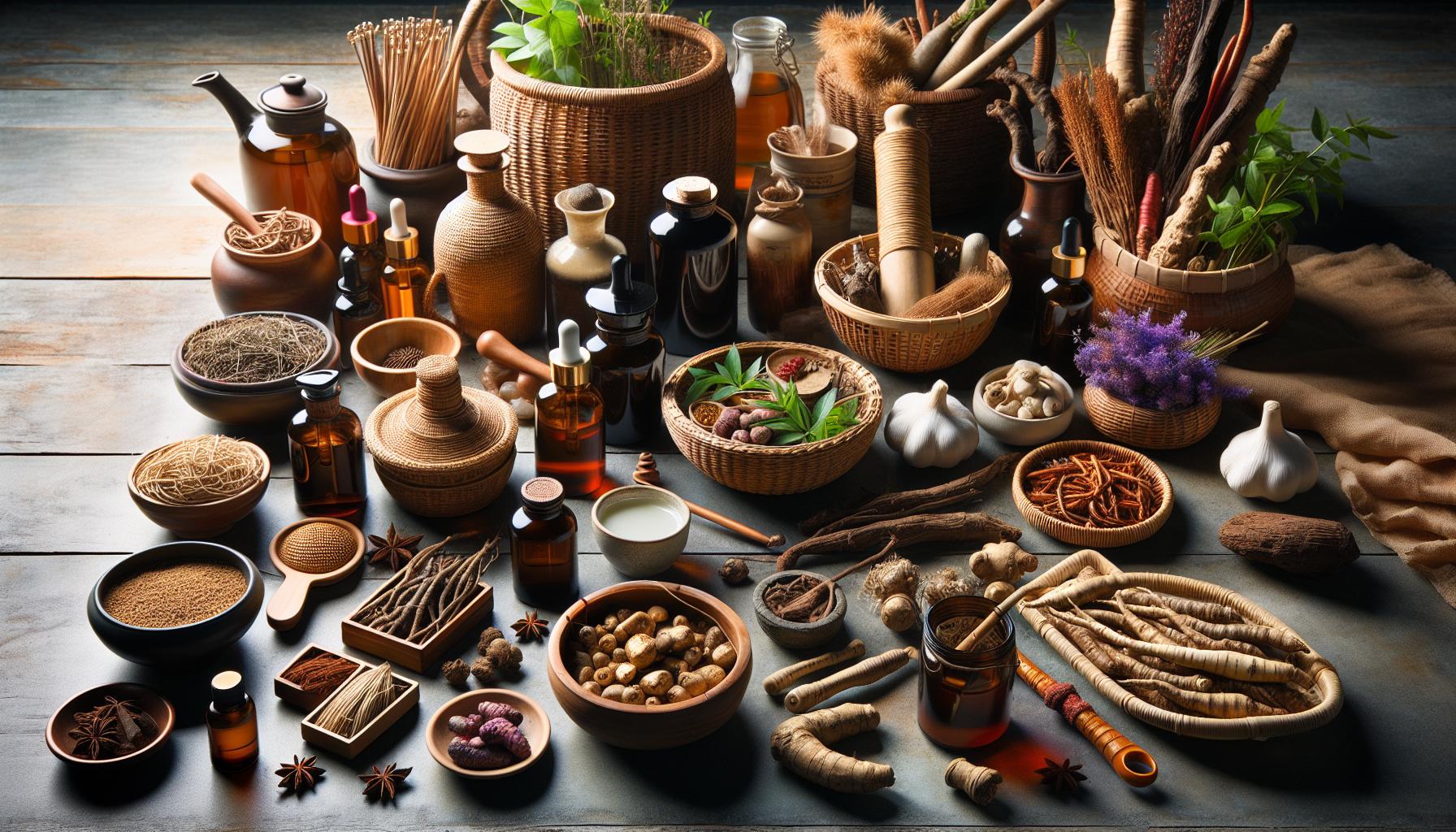
The principles of Ayurveda, a holistic healing system originating from India, profoundly influence contemporary beauty practices. Central to Ayurvedic skincare is the use of natural botanicals such as turmeric, neem, and sandalwood, each chosen for its unique healing properties. Turmeric, famous for its anti-inflammatory and brightening effects, exemplifies how traditional knowledge continues to inform modern formulations. The alignment of these natural ingredients with cultural wellness practices demonstrates how deeply ingrained traditions provide a blueprint for effective beauty solutions today.
- African shea butter for moisturizing and cultural significance.
- Asian rice water for skin clarity and historical use.
- Ayurvedic botanicals like turmeric for holistic healing.
The intermingling of cultural traditions with natural ingredients creates a rich narrative within beauty practices. As consumers increasingly seek products steeped in authenticity and cultural heritage, beauty brands are inspired to take greater care in how they source ingredients and tell their stories. This trend not only honors the ancestral knowledge but also elevates the conversation around sustainability and ethical beauty. By appreciating the global dimensions of beauty rituals, individuals can foster a deeper connection with the products they choose and the rich history each ingredient brings.
Exploring Cultural Heritage in Beauty Rituals
The influence of culture and traditions in beauty products is profound, as various societies deeply embed their historical practices into contemporary routines. Many beauty brands today draw from ancient recipes that utilize native plants and herbs, signaling a return to nature. For instance, in Indigenous cultures, ingredients like aloe vera and argan oil are revered not only for their benefits but as symbols of cultural identity. These natural elements often carry stories of tribulations and victories, making them invaluable in the production of beauty products.
Regional Ingredients and Global Appeal
Some regions have specific ingredients that are localized with unique properties and traditions. For example, Asian cultures commonly incorporate green tea and rice bran into skincare, celebrated for their antioxidant and moisturizing benefits. This practice emphasizes the significance of natural remedies that have been passed down through generations, creating a narrative that enhances the appeal of these products on a global scale. Furthermore, with the rise of the clean beauty movement, consumers are increasingly attracted to authentic stories behind the ingredients, promoting a stronger connection between the user and the product.
Creating a Sustainable Future
With growing awareness around sustainability, utilizing natural and local ingredients is becoming more than tradition—it’s a necessity for the future. Brands that embrace this philosophy not only respect cultural heritage but also engage in responsible sourcing practices that support local economies. This approach leads to a more sustainable ecosystem where beauty meets ethics, creating products that customers can feel proud to use. The intersection of culture, tradition, and sustainability is indeed paving the way for innovative beauty solutions that resonate meaningfully with consumers worldwide.
| Cultural Influence | Natural Ingredients |
|---|---|
| Ancient Remedies | Utilization of historical herbs and plants |
| Cultural Identity | Connection through traditional practices |
DISCOVER MORE: Click here to learn how to adapt your skincare routine</a
Regional Practices and Natural Ingredients
When delving deeper into how culture and traditions shape the utilization of natural ingredients in beauty products, it is essential to explore regional practices and unique applications. The way communities have harnessed local flora and fauna speaks to the values, beliefs, and environmental conditions unique to each geographical area. This synergy between tradition and nature fosters an elaborate tapestry of beauty rituals that are both effective and laden with meaning.
Indigenous Wisdom in Native American Beauty
Native American tribes have long practiced the art of integrating natural elements into their beauty regimens, often relying on what the land provides. For example, the sage plant is not only revered for its spiritual cleansing properties but also used in skincare for its antibacterial benefits. Additionally, indigenous women have utilized bearberry leaves in traditional beauty treatments to help even out skin tones. The reverence for natural ecosystems emphasizes sustainability and harmony with nature, creating a beauty philosophy that extends far beyond surface-level aesthetics.
The Role of Essential Oils in Mediterranean Cultures
The Mediterranean region has long had a cultural affinity for essential oils, derived from indigenous herbs and flowers. The ancient Greeks and Romans used these oils not only for their fragrance but also for their purported healing and soothing properties. Essential oils like lavender, known for its calming effects, and rosemary, acclaimed for its hair growth stimulation, are now celebrated in contemporary skincare formulations. The historical importance of these ingredients is increasingly recognized in modern beauty products, often marketed as ‘aromatherapy’ to appeal to consumers seeking a sensory experience rooted in ancient practices.
Harmonizing Tradition with Modernity in Indigenous Communities
As societies become more globalized, there is an exciting intersection where traditional practices meet modern beauty standards. For instance, the use of coconut oil in many South Asian cultures for both skincare and haircare exemplifies how traditional knowledge is being rediscovered in the beauty industry. This versatile oil, integral to daily rituals for generations, has found its way into mainstream products throughout the United States, often presented as a superfood for beauty. Moreover, brands that offer fusion products reflecting a blend of traditional ingredient use with contemporary scientific research are gaining considerable traction in the market, demonstrating consumers’ growing awareness of both heritage and efficacy.
- Native American use of sage for cleansing and beauty.
- Mediterranean essential oils like lavender and rosemary for skin and hair.
- The rise of coconut oil as a staple in both traditional and modern beauty products.
The dialogue between culture and natural ingredients continues to evolve, with communities around the globe celebrating their heritage while adapting to contemporary consumer preferences. As beauty enthusiasts increasingly gravitate toward products that tell a story, the importance of understanding each ingredient’s cultural backdrop becomes paramount. Not only does this add authenticity to the products we use, but it also fosters a more profound respect for the natural world and the traditions that have shaped beauty practices through the ages.
DIVE DEEPER: Click here to discover the latest trends
Conclusion: Embracing Heritage in Beauty
In exploring how culture and traditions influence the use of natural ingredients in beauty products, we uncover a rich narrative that is not just about aesthetics but stems from a profound connection between people and their environments. From the sage of Native American tribes to the cherished essential oils of Mediterranean cultures, the emphasis on harnessing nature’s bounty reveals a collective understanding that beauty transcends mere appearance; it is inherently tied to identity, spirituality, and sustainability.
The resurgence of traditional practices in a modern context, as noted in the case of coconut oil, illustrates how ancient wisdom can seamlessly integrate with contemporary needs and preferences. As consumers in the United States increasingly seek authenticity and efficacy, the demand for products that tell a story and embody a deep respect for culture is growing stronger. The journey of these natural ingredients through history not only enriches the appeal of beauty products but also fosters a deeper appreciation of their origins.
Ultimately, the ongoing dialogue between tradition and innovation highlights the importance of understanding the cultural significance behind beauty regimens. As we embrace these natural ingredients, we cultivate not just a healthier relationship with beauty, but also a tribute to the diverse traditions that continue to shape our understanding of what it means to feel beautiful. By acknowledging this interplay, we can appreciate our beauty rituals on a deeper level, celebrating our shared heritage while nurturing the planet’s resources for generations to come.