The Rise of Natural Ingredients in Skincare: Benefits and Trends
The Rise of Natural Ingredients in Skincare
In recent years, the beauty industry has experienced a remarkable shift toward natural ingredients in skincare. This growing trend is a response to a heightened awareness of what goes into our products, along with a desire for healthier alternatives. Consumers are becoming increasingly informed and discerning, leading them to explore options that promise both efficacy and safety. This proactive approach not only influences purchasing decisions but also reshapes product formulations across the industry.
Key factors driving this transformation include:
- Increased health awareness: A growing body of research highlights the potential long-term effects of synthetic chemicals on skin health, prompting consumers to seek gentler formulations. Many individuals now prefer products that incorporate ingredients with a proven track record of safety, such as those originating from plants and organic sources.
- Environmental consciousness: With climate change and environmental degradation becoming pressing global issues, there is a collective push toward sustainability. Brands are increasingly recognized for their eco-friendly sourcing practices, promoting biodegradable packaging and ethical ingredient sourcing that appeals to eco-aware consumers.
- Transparency: Modern customers demand clear ingredient lists and ethical business practices. They wish to understand the origins of the ingredients they apply to their skin, leading brands to adopt transparent practices that foster consumer trust.
As a result of these factors, many brands are integrating ingredients derived from nature, such as:
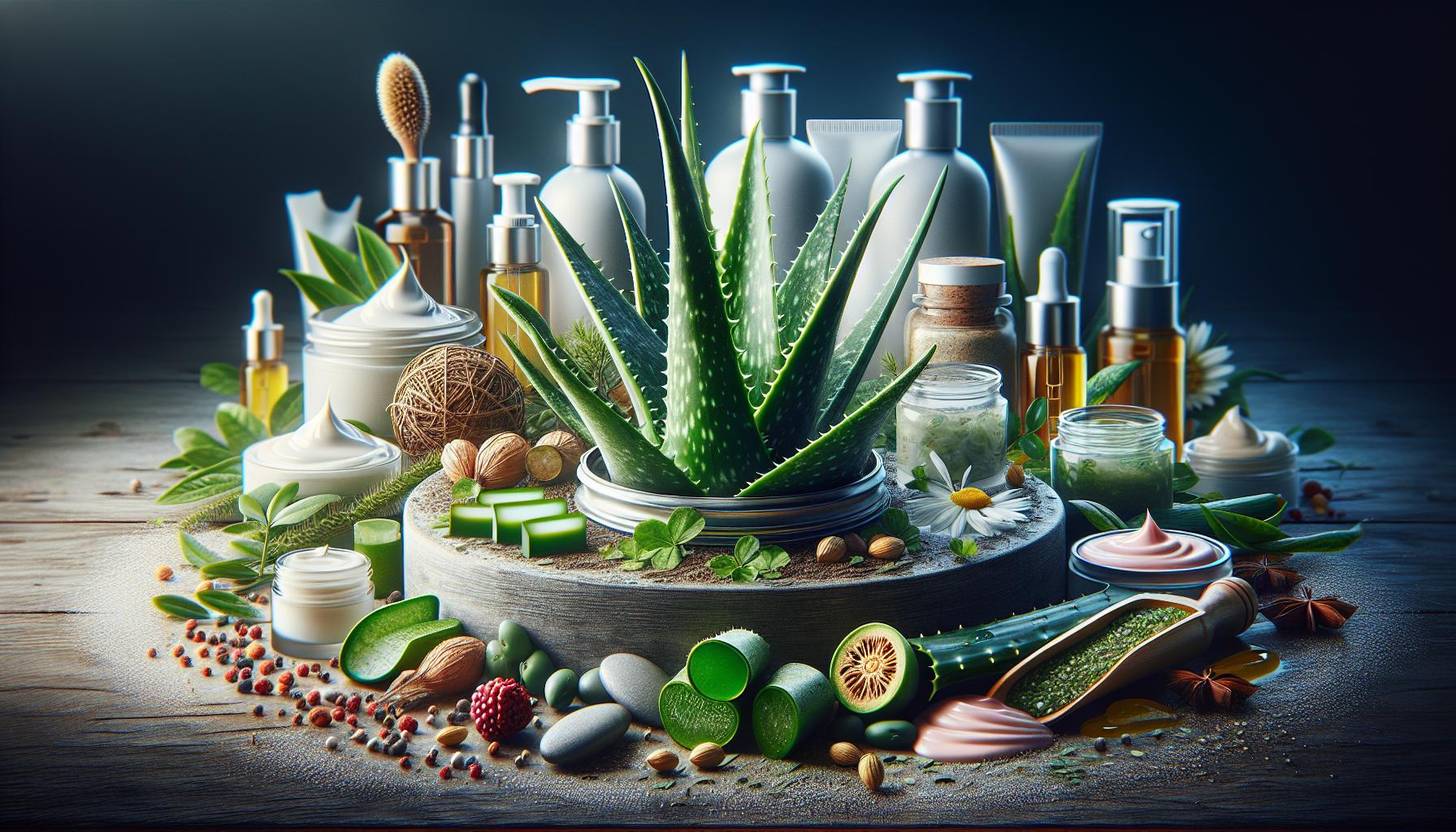
- Aloe Vera: Renowned for its soothing properties, aloe vera has been utilized for centuries as a natural remedy for skin irritation. It provides hydration and is effective in reducing inflammation, making it a staple in moisturizing gels and creams.
- Tea Tree Oil: This essential oil, derived from the leaves of the Melaleuca alternifolia plant, is valued for its antibacterial and acne-fighting benefits. Its natural antimicrobial properties make it a popular choice for treatments aimed at blemish-prone skin.
- Shea Butter: Harvested from the nuts of the shea tree, shea butter is lauded for its deep moisturizing qualities. It offers restoration for dry, cracked skin and contains vitamins A and E, which support overall skin health.
This surge in popularity is not just a fleeting fad; it reflects a deeper cultural shift towards holistic wellness and self-care. Many consumers are now viewing their skincare routines as vital components of their overall health. Understanding the benefits and emerging trends associated with natural skincare can empower consumers to make informed choices. By exploring what sets natural ingredients apart from their synthetic counterparts, individuals can enhance their skincare regimes responsibly and effectively.
As we delve deeper into this topic, it is crucial to recognize how these changes are reshaping the landscape of beauty. The demand for natural formulations encourages more brands to innovate while adhering to these values, ultimately leading to a diverse and healthier market for all skincare enthusiasts.

DIVE DEEPER: Click here to learn more
The Benefits of Natural Ingredients in Skincare
The transition toward natural ingredients in skincare products is not merely a trend—it signifies a profound shift in consumer attitude towards health and environmental concerns. One of the primary advantages of incorporating natural ingredients lies in their dermatological benefits. Unlike synthetic alternatives, which can often provoke sensitivity or adverse reactions, many natural ingredients are known for their gentle properties, making them suitable for a broader range of skin types.
Many consumers are embracing the idea that what they put on their skin should reflect their overall lifestyle choices. Natural ingredients are frequently less processed, allowing for a more holistic approach to skincare. Here are some key benefits associated with adopting natural ingredients:
- Minimal Risk of Allergic Reactions: Natural ingredients like chamomile, calendula, and coconut oil are generally less likely to irritate the skin than synthetics. The presence of fewer chemical compounds in these products helps to reduce the risk of allergies and sensitivities.
- Rich in Nutrients: Many natural ingredients offer a wealth of vitamins, antioxidants, and fatty acids that contribute to skin health. For instance, vitamin C-rich rosehip oil can brighten dull skin, while fatty acid-rich jojoba oil closely resembles human sebum, making it an excellent moisturizer.
- Proven Efficacy: Numerous natural ingredients have stood the test of time and are supported by both historical use and modern scientific research. For example, honey has been utilized for centuries for its antibacterial properties and as a natural humectant, attracting moisture to the skin.
This growing reliance on natural formulations is further spurred by the integration of eco-conscious practices in skincare. Many brands are now focusing on sourcing ingredients sustainably, thereby reducing their ecological footprint. Consumers are increasingly concerned about the manufacturing processes and the impact of their purchases on the environment.
Moreover, the demand for transparency in ingredient sourcing is a vital factor driving the popularity of natural skincare. More and more brands are taking the initiative to educate their customers about the origins and benefits of their ingredients, fostering a sense of trust and loyalty. In a world where consumers are bombarded with information, the desire for authenticity is crucial to decision-making.
As consumers become increasingly aware of environmental issues, brands that prioritize sustainability are more likely to resonate with their target audience. This shift is paving the way for innovations in natural product offerings, as companies seek to differentiate themselves in an ever-competitive market.
In essence, the rise of natural ingredients in skincare reflects not just an industry trend, but also a deeper cultural awakening where consumers prioritize health, wellness, and environmental care. By prioritizing their choices and purchasing products that align with their values, consumers are not just influencing the market—they are fostering a movement toward a cleaner, more sustainable standard in beauty.
The Rise of Natural Ingredients in Skincare: Benefits and Trends
The skincare industry is witnessing a significant shift towards natural ingredients, as consumers become increasingly aware of the potential benefits of using products free from synthetic additives. This movement reflects a growing demand for sustainable and clean beauty options that prioritize skin health and environmental impact. Natural ingredients, such as botanical extracts, essential oils, and mineral-rich formulations, are gaining popularity due to their ability to nourish the skin without causing irritation, a common issue with many conventional products.
One of the primary reasons for the rise of natural ingredients is the increasing awareness around health and wellness. Many consumers are now scrutinizing labels for harmful chemicals and artificial preservatives, favoring brands that use ethically sourced ingredients. Additionally, the transparency of ingredient sourcing and manufacturing processes plays a critical role in consumer decision-making. Furthermore, studies have begun to highlight the efficacy of natural components in providing beneficial effects, such as hydration, anti-aging, and soothing properties.
| Category | Description |
|---|---|
| Natural Ingredients | Derived from plants, minerals, and natural sources, these ingredients offer effective skincare solutions. |
| Sustainable Practices | Brands focus on eco-friendly production methods that contribute to environmental conservation. |
As this trend continues to grow, many new players in the skincare market are emerging, often highlighting their commitment to natural ingredients and environmental sustainability. These brands not only meet the rising consumer demand but also pave the way for innovation in product formulations. With each new launch, the popularity of natural skincare expands, encouraging traditional brands to rethink their ingredient lists and practices. Therefore, exploring the potential benefits and ongoing trends in natural ingredients becomes imperative for both consumers and industry professionals alike.
DISCOVER MORE: Click here to learn about the benefits of natural versus synthetic ingredients</p
Emerging Trends in Natural Skincare
The surge in the popularity of natural ingredients in skincare has not only redefined consumer preferences but has also sparked innovative trends that shape the industry. As awareness continues to grow, several noteworthy trends have emerged that emphasize the significance of natural formulations and sustainable practices.
One of the most compelling trends is the rise of clean beauty, which champions products free from harmful chemicals and synthetic additives. According to a recent survey, over 60% of consumers in the United States indicate they are willing to pay more for products labeled as “clean” or “natural.” This heightened interest has prompted brands to reformulate existing products, ensuring they meet the clean beauty standard while maintaining effectiveness.
Another pivotal movement is the advent of plant-based ingredients making their way into mainstream formulations. Ingredients such as adaptogens—herbs that help the body manage stress—like ashwagandha and reishi mushroom are finding their place in skincare products, showcasing their anti-inflammatory and rejuvenating properties. These ingredients address contemporary skincare concerns, tapping into the growing demand for wellness-oriented beauty regimens.
Additionally, the trend of DIY skincare has gained traction, with an increasing number of consumers aiming to create their own products using natural ingredients. Social media platforms, especially Instagram and TikTok, have played a significant role in popularizing homemade skincare recipes. Tutorials on making everything from hydrating face masks to nourishing serums using pantry staples like honey, avocado, and olive oil invite users to take control of their skincare routine while fostering a greater connection to the ingredients they choose.
The focus on sustainability is further elevated by a burgeoning interest in wild-harvested and upcycled ingredients. Brands are now exploring ways to incorporate materials that would otherwise go to waste, such as coffee grounds and fruit peels, into their products. This practice not only minimizes waste but also provides unique benefits, like exfoliation or added antioxidants. Consumers are increasingly drawn to such sustainable offerings, understanding that their choices can have a positive impact on the planet.
Moreover, the rise of transparency and traceability in ingredient sourcing is reshaping brand-consumer relationships. Many companies are opting for eco-friendly packaging and disclosing the entire sourcing process of their ingredients, thus fostering trust and loyalty among consumers who value authenticity. Platforms like Instagram allow brands to share their stories and connect with their audience on a personal level, which is increasingly influencing purchasing decisions.
As trends continue to evolve, another noteworthy observation is the shift towards gender-neutral skincare. Traditional notions of gender-specific products are falling by the wayside, with many companies embracing inclusivity in their offerings. The market is witnessing a variety of natural products that cater to all skin types and concerns, focusing on the ingredients’ efficacy rather than their gender-based marketing—a revolutionary step towards uniting consumers in their quest for healthy skin.
The rise of natural ingredients in skincare is more than just a fleeting trend; it represents a fundamental transformation in the way consumers engage with the beauty industry. By prioritizing ethical practices, ingredient transparency, and eco-conscious formulations, the skincare landscape is progressively becoming a space where consumers are empowered to make informed choices that align with their values.
DISCOVER MORE: Click here to learn how to create your own skincare products at home
Conclusion
The rise of natural ingredients in skincare has undeniably altered the beauty landscape, shifting consumer demand towards products that prioritize health, sustainability, and authenticity. As the emphasis on clean beauty continues to dominate, consumers are more informed and conscious of what they apply to their skin. This evolution is supported by the increasing availability of plant-based ingredients and innovative formulations that cater to both efficacy and ethical considerations.
Trends such as DIY skincare and the incorporation of upcycled ingredients exemplify a broader movement toward personalization and sustainability that resonates deeply with today’s environmentally-aware consumers. Brands that embrace transparency and gender neutrality are poised to forge stronger connections with their audience, fostering loyalty through shared values and inclusivity.
As we anticipate the future of the skincare industry, we can expect to see further advancements in natural formulations that not only enhance our beauty rituals but also contribute positively to our planet. By choosing products that align with their values, consumers can lead the charge toward a more sustainable beauty sphere, promoting not only personal well-being but also a healthier, more conscious world.
In summary, the surge of natural ingredients in skincare represents a significant shift in consumer behaviors and industry standards. It invites us all to explore new possibilities, make informed choices, and discover the profound benefits of embracing nature in our daily beauty practices.