The Science Behind Natural Preservatives in Skincare: Balancing Efficacy and Safety
The Rise of Natural Preservatives in Skincare
In recent years, there has been a noticeable shift within the beauty industry, with emphasis placed on natural preservatives as a pivotal element in skincare formulations. As more consumers become aware of the ingredients in their beauty products, they place an increased focus on finding options that not only promise safety but also sustainability. This convergence between consumer awareness and the demand for clean and sustainable beauty solutions has brought natural preservatives into the limelight. Understanding how these substances work and their benefits is increasingly vital.
Benefits of Natural Preservatives
Natural preservatives are celebrated not just for their ability to maintain product integrity, but also for their additional skin health benefits. Here are a few compelling advantages:
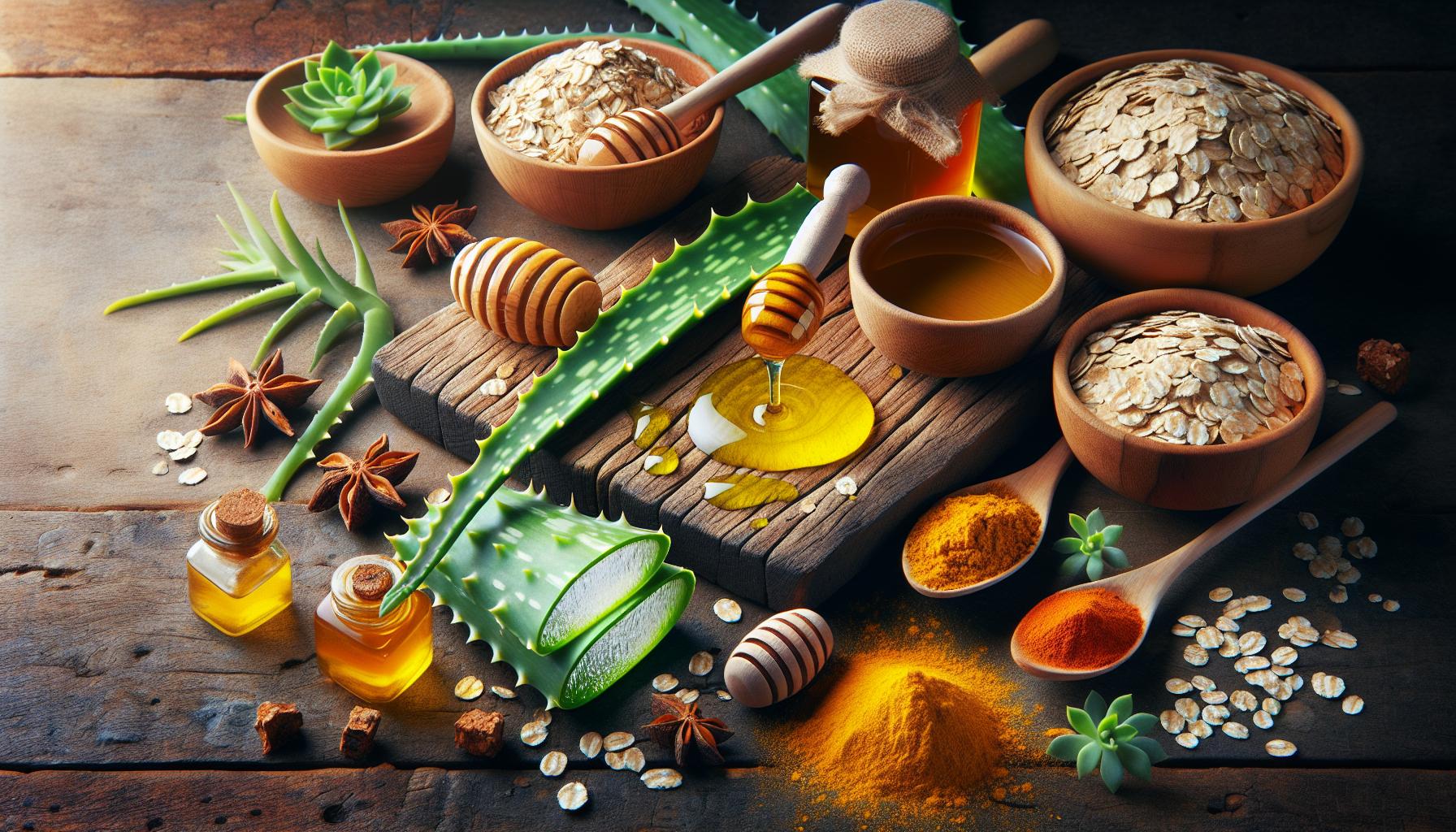
- Enhanced shelf life: Natural preservatives such as rosemary extract and vitamin E oil help to protect products from microbial growth and oxidative damage, thereby extending their shelf life. For instance, a skincare product containing rosemary extract may last longer on shelves than one that solely relies on synthetic chemicals.
- Safe alternatives: Ingredients like grapefruit seed extract and certain essential oils are gaining traction as safer substitutes for synthetic preservatives like parabens and phenoxyethanol. Many of these natural options can be less irritating for sensitive skin, making them appealing choices for consumers looking for gentler solutions.
- Antioxidant properties: Many natural preservatives offer dual benefits. Vitamin C, for example, not only helps to preserve products but also acts as a powerful antioxidant that fights free radicals, providing additional nourishment and protection to the skin.
Complexities and Considerations
Despite their benefits, the effectiveness of natural preservatives can vary significantly. Factors such as formulation, concentration, and the overall ingredient synergy play a crucial role in determining their performance. For example, while honey and certain essential oils are known for their natural antimicrobial properties, they may not provide the same level of preservation as synthetic alternatives in all formulations.
Moreover, navigating the regulatory landscape surrounding natural preservatives is essential for manufacturers and consumers alike. In the U.S., the FDA does not have specific regulations that differentiate between synthetic and natural preservatives, placing the onus on brands to ensure the safety and efficacy of their products.
Conclusion
As the trend toward clean beauty continues to grow, understanding the nuanced dynamics surrounding natural preservatives is invaluable. Consumers curious about making informed choices in their skincare routines, and formulators aiming to innovate responsibly, must consider the science behind these ingredients. From their varied effectiveness to real-world applications, the world of natural preservatives is rich with opportunities for exploration. By delving deeper into this subject, consumers can better align their skincare habits with their values concerning health and environmental sustainability.
DIVE DEEPER: Click here to discover more about technology in anti-aging
The Mechanics of Natural Preservatives: How They Work
Understanding the science behind natural preservatives is essential for comprehending how they function within skincare products. Unlike synthetic preservatives, which often rely on chemical compositions to inhibit microbial growth, natural preservatives utilize various bioactive compounds derived from plants, essential oils, and other natural sources. These compounds exhibit properties that not only stabilize products but also enhance their efficacy.
Key Mechanisms of Action
Natural preservatives work through several mechanisms that prevent the growth of harmful microorganisms. Here are some of the primary ways in which they contribute to product safety:
- Antimicrobial Properties: Many natural preservatives, such as extracts from grapefruit seeds, exhibit potent antimicrobial activity against bacteria, mold, and yeast. This activity helps ensure that the formulation remains uncontaminated throughout its shelf life.
- pH Regulation: Certain natural preservatives can help maintain the pH balance of skincare products. By controlling pH levels, formulators can create an environment that is less hospitable to microbial growth. For example, citric acid not only acts as a pH adjuster but can also present antifungal activity.
- Antioxidant Action: Ingredients like vitamin E and green tea extract are celebrated for their antioxidant capabilities, which combat oxidative stress. By reducing oxidative damage within the product, these ingredients help prevent spoilage while offering added benefits for skin health.
The Importance of Concentration and Synergy
The effectiveness of natural preservatives is heavily influenced by their concentration and interaction with other ingredients in the formulation. For instance, while a low concentration of honey can offer some preservation benefits, higher levels may be necessary to achieve optimal protection against microbial growth. Additionally, combining different natural preservatives can enhance their efficacy. A synergy between ingredients such as essential oils and botanical extracts can create a more robust preservation system, minimizing the need for synthetic alternatives.
However, it’s crucial to recognize that not all natural preservatives are universally effective. The specific formulation, type of product, and storage conditions can greatly impact their performance. Therefore, formulators must conduct thorough testing to identify the right combinations and concentrations to ensure both efficacy and safety in their products.
In the realm of clean beauty, consumer interest in transparency and ingredient sourcing has stimulated brands to innovate within the parameters of natural preservation. As a result, ongoing research and development are underway to better understand these ingredients and unlock their full potential, offering exciting possibilities for future skincare formulations.
The use of natural preservatives in skincare products is gaining traction due to increasing consumer awareness about ingredients and their impacts on health and the environment. Natural preservatives, derived from plant sources, offer unique benefits that synthetic alternatives may lack. This shift towards natural solutions embraces not only efficacy but also safety, aligning with the growing demand for clean beauty.Natural preservatives, such as rosemary extract, vitamin E, and grapefruit seed extract, not only extend the shelf life of products but can also contribute anti-inflammatory and antioxidant properties, enhancing the overall quality of skincare formulations. For instance, rosemary extract is celebrated for its antimicrobial properties, effectively inhibiting bacterial growth while simultaneously protecting skin from oxidative stress. This dual function makes it a compelling choice for formulators looking to balance efficacy with safety.Moreover, the integration of natural preservatives often complements the need for sustainable and eco-friendly practices in skincare manufacturing. Many consumers are now seeking out products that reflect their values, and natural preservatives fit perfectly into this paradigm—offering a safer alternative while being less harmful to the environment. The challenge remains, however, in achieving the right balance of preservation and performance. Many natural preservatives may require additional understanding and formulation expertise to ensure they provide the necessary shelf stability without compromising the product’s overall integrity. For instance, while some oils may possess preservative-like qualities, they can impact the product’s aroma and feel, influencing consumer acceptance.As research progresses, the potential of plant-based and naturally derived preservatives unveils opportunities for innovative formulations that prioritize both safety and effectiveness. The scientific exploration into these ingredients continues, revealing that nature holds the key to not just preserving products, but also enhancing their benefits while ensuring consumer safety. With ongoing advancements, the skincare industry is likely to witness a further shift towards these solutions, paving the way for a new era in cosmetics. Incorporating natural preservatives in skincare regimens is not only a trend but a movement toward healthier, safer, and more sustainable beauty choices.
DISCOVER MORE: Click here to learn about the latest technology in anti-aging treatments
Natural Preservatives: Efficacy Versus Safety
While natural preservatives boast a myriad of benefits for skincare formulations, the debate surrounding their efficacy and safety is an intricate one. Consumers today are increasingly concerned about what they apply to their skin and are inclined to embrace products that forgo synthetic chemicals in favor of nature-derived alternatives. However, this transition isn’t without its challenges. A deeper understanding of the implications of using natural preservatives is critical to striking a balance between effectiveness and safety.
The Spectrum of Safety and Sensitivity
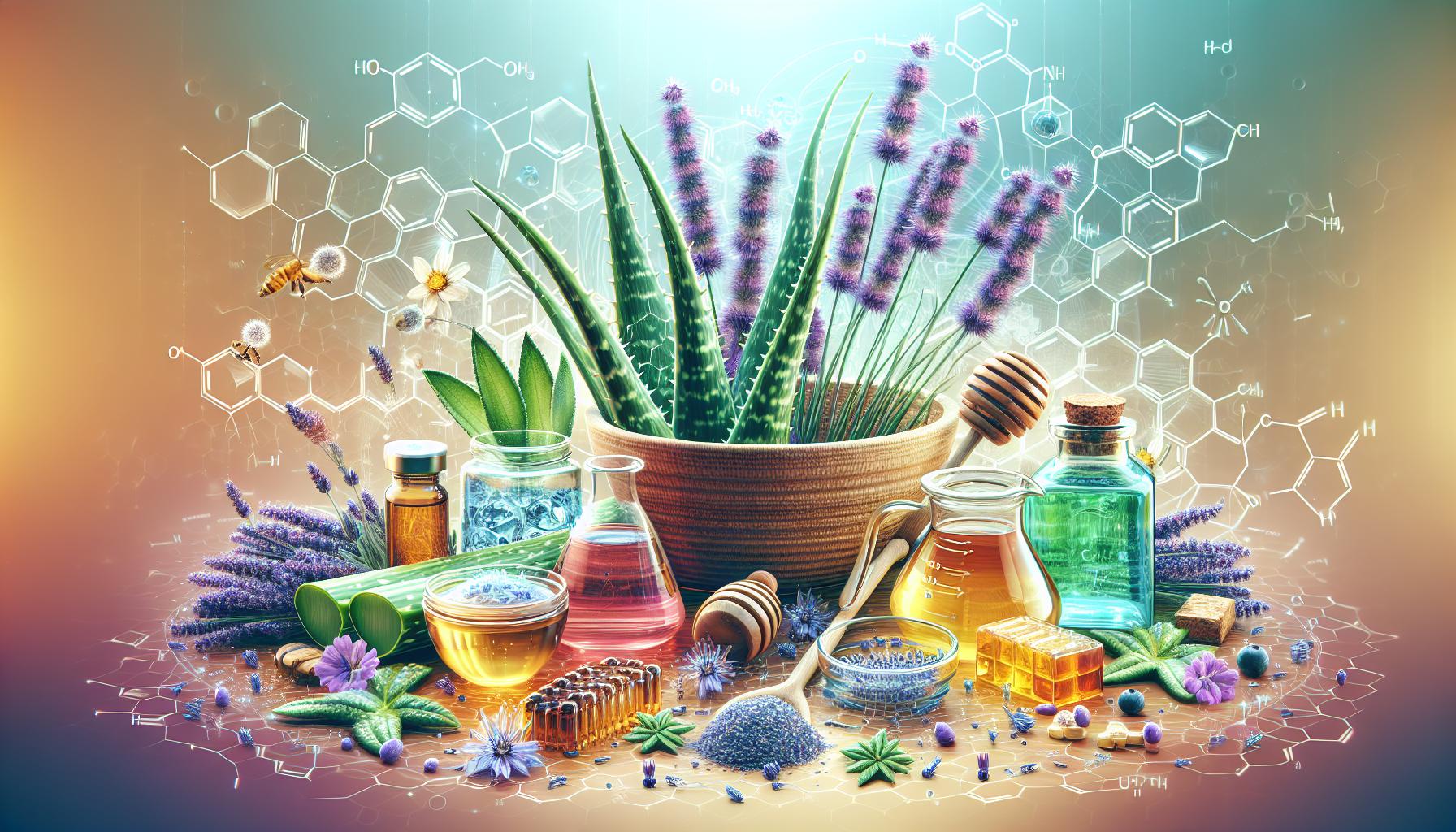
One remarkable aspect of natural preservatives is their potential to cause fewer side effects compared to synthetic options. Ingredients such as willow bark extract (a natural source of salicylic acid) and aloe vera gel are often celebrated for their gentle nature on the skin. However, safety doesn’t imply universal tolerance. Some natural preservatives can induce allergic reactions or sensitivities in certain individuals, particularly those with pre-existing skin conditions. For instance, essential oils derived from plants like lavender and tea tree may be irritants for some, prompting formulators to tread carefully when incorporating these elements. Conducting thorough patch tests and making clear labeling practices can help mitigate these risks.
Regulatory Landscape and Consumer Awareness
The regulatory framework surrounding natural preservatives is still evolving. In the U.S., the Food and Drug Administration (FDA) does not formally recognize “natural” as a regulatory term, leading to ambiguity in ingredient labeling. This lack of standardized definitions requires consumers to educate themselves about what constitutes a truly effective natural preservative. Brands are proactively addressing this void by emphasizing transparency and informed ingredient sourcing, ensuring that consumers can make educated choices about the skincare products they use.
Moreover, as public interest in sustainability and ethical sourcing grows, many brands increasingly seek certifications that validate their commitment to natural ingredients. Certifications such as USDA Organic or EcoCert give consumers confidence in the preservation methods used in formulations. This alignment of industry standards with consumer expectations not only fosters trust but also encourages innovation in natural preservation techniques.
Emerging Trends and Future Innovations
The field of natural preservatives is witnessing groundbreaking discoveries driven by a commitment to sustainability and efficacy. Researchers are exploring the potential of probiotics and fermented ingredients as alternatives to synthetic preservatives. These formulations harness the beneficial properties of bacteria and yeast to promote a healthy microbiome not just on the skin but also within the product itself, creating a self-preserving effect.
Additionally, innovations in nano-technology and encapsulation techniques are being employed to improve the delivery and effectiveness of natural preservatives. By creating lipid-based carriers or micro-encapsulating active ingredients, formulators can enhance stability and efficacy, minimizing the risk of degradation while extending the shelf life of products.
In summary, while the landscape of natural preservatives presents challenges, the ongoing research and evolving understanding surrounding these ingredients herald exciting opportunities for safe and effective skincare. As the industry adapts to meet demands for transparency and sustainability, consumers can expect an increasing number of formulations that effectively balance efficacy and safety.
DON’T MISS OUT: Click here to discover the latest trends
Conclusion: A New Era for Natural Preservatives
As the skincare industry trends towards natural preservatives, it is evident that the balance between efficacy and safety remains pivotal for consumers and formulators alike. The increasing preference for products devoid of synthetic components is driven by a growing consciousness around personal health and environmental sustainability. However, the complexities associated with natural preservatives demand a comprehensive understanding of their roles, potential risks, and the ongoing innovations that shape this domain.
The research into probiotics and fermentation underscores an exciting frontier for formulation, indicating that the future holds remarkable possibilities beyond traditional methods. These emerging trends not only aim to enhance product longevity but also promote skin health through natural means. The potential applications of advanced techniques such as nano-technology further promise improved delivery systems, enhancing both performance and safety while minimizing adverse reactions.
For consumers, knowledge is power in navigating the ever-evolving market of skincare. Understanding the nuances of ingredient labeling, particularly concerning natural claims, prepares individuals to make informed choices in alignment with their skincare needs. Simultaneously, brands are encouraged to prioritize transparency and regulatory compliance, fostering trust and confidence in their products.
In summary, the journey towards integrating natural preservatives in skincare is marked by ongoing research, dynamic developments, and consumer-driven advocacy. As the demand for effective yet safe products continues to rise, the skincare industry stands at the frontier of transformative practices. This evolution calls for an informed and engaged consumer base, eager to explore the benefits of nature while embracing the advancements that lead towards safer, more sustainable formulations.