The Influence of Social Media on New Beauty and Skincare Trends in 2023
The Transformation of Beauty Standards in a Digital Age
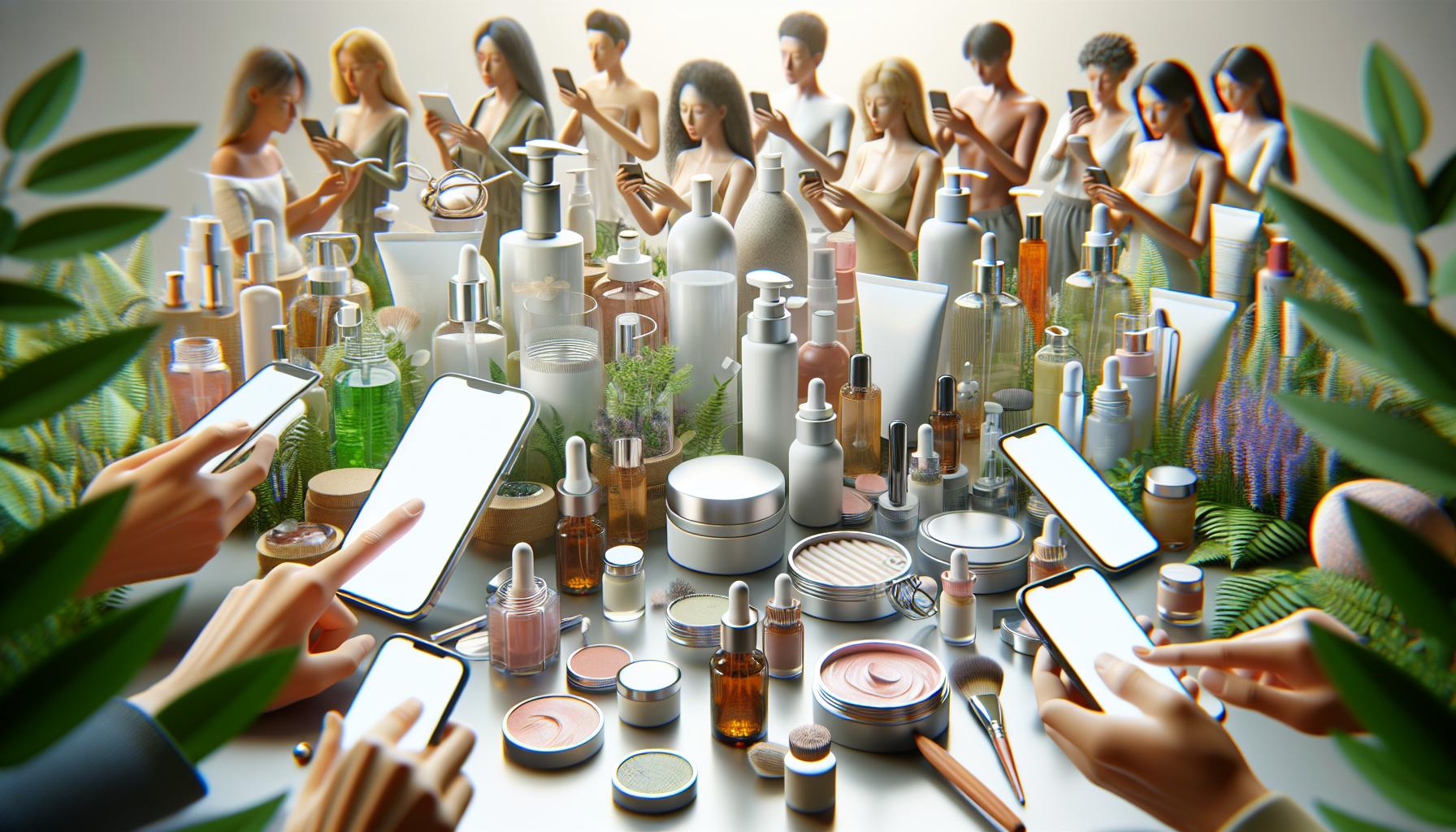
Social media platforms like Instagram, TikTok, and YouTube are no longer just places for social interaction; they have become essential tools in shaping the beauty and skincare landscape. In 2023, these platforms serve as modern-day runways, showcasing the latest styles and trends, often shifting them at an unprecedented pace. With brands and influencers collaborating more than ever, the impact of social media on beauty culture continues to grow.
Real-time feedback has emerged as a cornerstone of this shift. Consumers now share their thoughts and experiences with beauty products instantly, providing valuable insights that brands can leverage. For example, after a notable TikTok beauty influencer showcases a new foundation that promises full coverage and a natural finish, comments flood in from followers, sharing their results and opinions, which can directly affect a product’s popularity. This immediate feedback loop allows brands to quickly alter their marketing strategies or even tweak formulations in response to consumer desires.
Viral challenges and trends are another powerful aspect of social media’s influence on beauty. Platforms like TikTok have become breeding grounds for trends such as the “Euphoria-inspired makeup” or the “glass skin” routine—each challenge sparks a visual frenzy where users replicate looks in hopes of going viral themselves. These trends not only encourage user creativity but also create community engagement, as participants often bond over shared aesthetics and techniques. For instance, the “clean girl aesthetic” became wildly popular, emphasizing minimal makeup with an apparent focus on glowing skin and natural beauty. Such movements can shift purchasing behaviors overnight, generating spikes in sales for products featured in these trends.
Moreover, inclusivity and representation within the beauty industry are increasingly championed on social media. Diverse voices and creators are gaining more visibility, promoting products that cater to various skin types and tones. Brands are now more likely to feature models of different ethnic backgrounds, body types, and gender identities, reflecting a broader spectrum of beauty. This shift not only resonates with consumers but also taps into an underserved market. For instance, brands like Fenty Beauty, founded by Rihanna, have set new standards by offering an extensive range of foundation shades that cater to diverse complexions, backed by the overwhelming support of social media.
The statistics support these observations; over 70% of consumers now rely on social platforms for beauty inspiration, driving brands to invest significantly in social media marketing and influencer partnerships. This shift highlights how crucial it is for brands to adapt to the dynamic landscape shaped by consumer preferences.
The power of social media in transforming beauty trends is profound and continues to evolve. As new trends emerge, they hold the potential to affect not just consumer behavior, but the identity and values of the beauty industry itself. The interplay of technology, creativity, and community engagement makes for an exciting era in beauty, prompting both consumers and brands to navigate this landscape with curiosity and awareness.
DISCOVER MORE: Click here to learn about double cleansing
The Acceleration of Trends: From Virality to Consumer Choice
In the fast-paced world of beauty and skincare, social media has become an accelerator of trends, enabling new products and techniques to go viral almost overnight. In 2023, a single post by a social media influencer can propel a previously obscure brand into the limelight, leading to astronomical sales growth and brand recognition. This phenomenon has changed how beauty and skincare brands interact with consumers, making social media a focal point for marketing strategies.
One of the most significant aspects of this digital transformation is the power of influencer marketing. Brands are increasingly collaborating with influencers not just as models, but as trusted voices in the community. These influencers often have significant sway over their followers, leading to product recommendations that carry more weight than traditional advertising. For instance, a skincare routine demonstrated by a popular influencer can trigger an upsurge in product purchases, often resulting in products selling out within hours. Beauty enthusiasts in the U.S. have reported that they trust recommendations from influencers more than advertisements, highlighting the shift in consumer sentiment toward organic endorsements.
Additionally, the rise of short-form video content has drastically altered how beauty trends are disseminated. Platforms such as TikTok have given rise to quick tutorials and “get ready with me” videos that simplify complex looks and products into digestible segments. This format appeals to an audience eager for instant gratification and can lead to rapid trends that may last only weeks or even days. According to recent statistics, nearly 60% of Gen Z consumers say they’ve discovered new beauty products through TikTok, signifying a major generational shift in how beauty products are marketed and consumed.
Furthermore, the democratization of beauty expertise has led to the emergence of countless micro-influencers who, while having smaller followings, often achieve higher engagement rates. These creators build trust and community around niche interests, catering to more specialized audiences. Their recommendations can influence beauty purchases within these communities significantly, often leading to localized trends that brands must account for in their marketing strategies.
Amid the whirlwind of digital influence, it’s essential to acknowledge the role of community engagement in shaping trends. Consumers are no longer passive recipients of marketing; they actively participate in crafting the narrative around beauty products. They engage in discussions, share their experiences, and critique products based on real-life usage, which makes brands more accountable than ever. This surge in consumer activism has prompted brands to focus on transparency and authenticity, responding to calls for cleaner, ethically sourced ingredients and more sustainable packaging.
In a landscape where trends change as swiftly as the scroll on a feed, the importance of social media in influencing beauty and skincare trends cannot be overstated. Consumers are more informed, engaged, and empowered today than in years past, leading to a continuously evolving beauty landscape where innovation is a constant requirement. For beauty brands looking to thrive, being attuned to the pulse of social media is no longer optional; it’s an essential strategy for survival.
As the landscape of beauty and skincare continues to evolve, social media platforms have emerged as the primary catalysts driving new trends in 2023. With platforms such as Instagram, TikTok, and Pinterest at the forefront, the instantaneous nature of sharing visual content has allowed both brands and consumers to interact more dynamically than ever before. Influencers, who often serve as trendsetters, play a crucial role in promoting products that catch the attention of millions, shaping consumer preferences and interests in real-time.
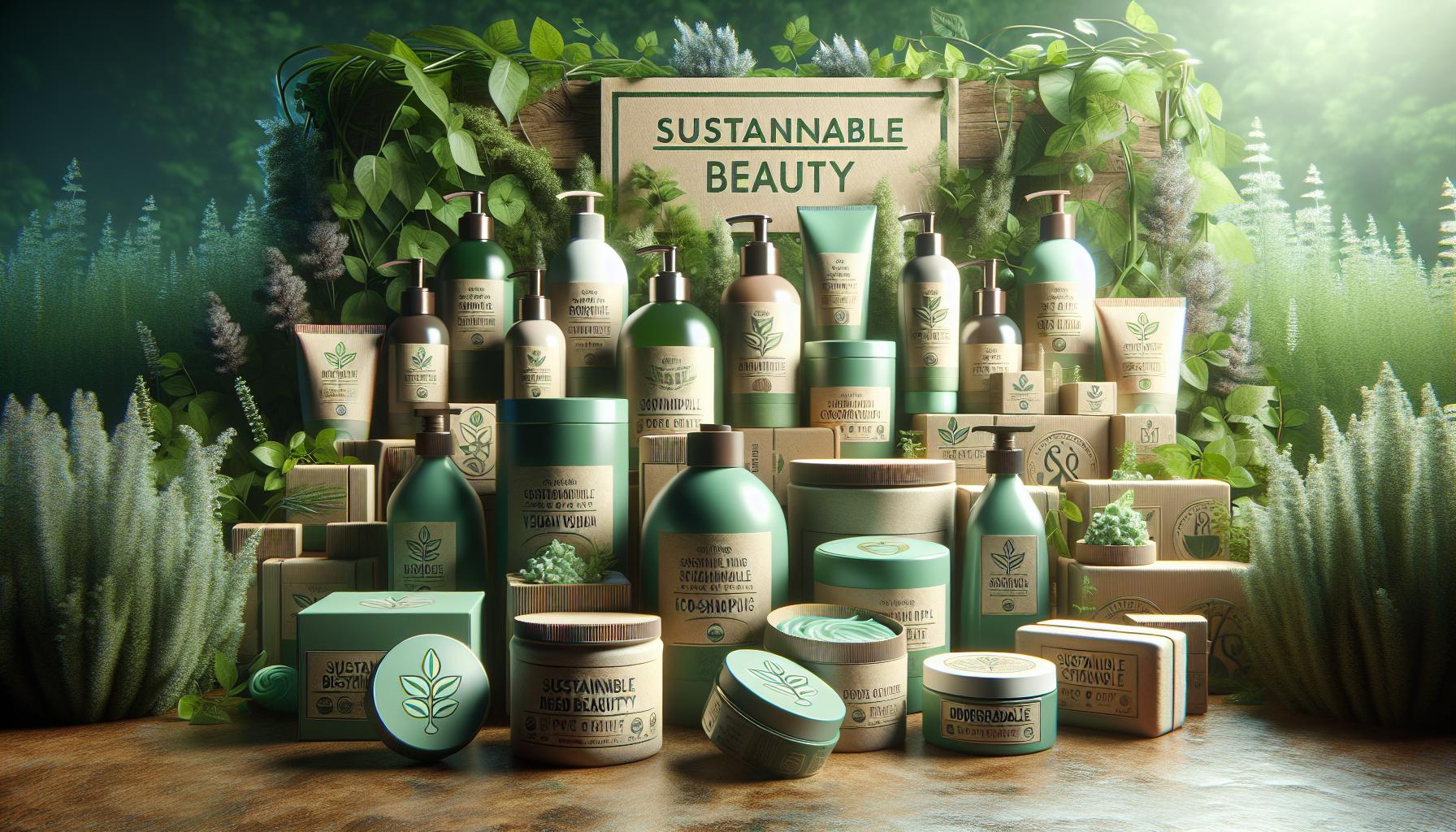
One of the most significant shifts has been towards natural and clean beauty products. Social media users are increasingly drawn to brands that emphasize transparency and sustainability, reflecting a collective desire for products that are not only effective but also eco-friendly. This trend is fueled by viral challenges and hashtags that promote the benefits of going green, pushing companies to adapt quickly to meet these consumer demands.
Moreover, the integration of augmented reality (AR) technologies has also revolutionized how products are marketed. Virtual try-ons allow consumers to experiment with different looks from the comfort of their homes, reducing the hesitation that can come with purchasing beauty products online. For example, trying on lipstick shades or eyeshadow palettes through a mobile app can lead to more informed buying decisions, enhancing customer satisfaction. The successful implementation of AR-led marketing strategies is resulting in higher engagement rates and ultimately influencing purchases.
In 2023, the significant impact of social media on beauty and skincare trends is evident not just in product innovations but also in the way brands communicate with their audiences. Real-time feedback through comments, shares, and likes fosters a more authentic connection, creating community-driven movements around beauty inclusivity and diversity. This ensures that consumers not only feel represented but also empowered to express their individuality through their beauty choices.
| Category | Key Features |
|---|---|
| Natural Beauty Products | High demand for sustainable and eco-friendly options. |
| Augmented Reality Integration | Enhances the shopping experience through virtual try-ons. |
| Community Engagement | Fosters a sense of belonging and personalization in beauty. |
As the influence of social media continues to grow, beauty brands must remain agile and responsive to these trends to capture consumer interest and loyalty. The future of beauty and skincare will undoubtedly be shaped by these digital platforms, urging brands to think beyond traditional marketing strategies and engage authentically with their audience.
DISCOVER MORE: Click here to dive deeper
The Power of Community-Driven Movements and Ethical Consumption
As we delve deeper into the impact of social media on beauty and skincare trends in 2023, it becomes evident that community-driven movements are taking center stage. The rise of platforms like Instagram, TikTok, and YouTube has not only facilitated the rapid spread of trends but also fostered communities that prioritize shared values around beauty and skincare. Today, consumers are more likely to rally behind brands that resonate with their personal and ethical beliefs, urging companies to align their practices with consumer expectations.
One of the most talked-about movements in recent years has been the clean beauty revolution. Social media has been instrumental in promoting a shift toward products that are paraben-free, cruelty-free, and formulated with sustainable ingredients. According to a survey conducted by the Cosmetic Executive Women (CEW), nearly 70% of American consumers consider ingredient safety when purchasing beauty products. This statistic highlights an emerging trend where social media is guiding consumers not only to new products but also to products that reflect broader values of wellness and transparency.
Brands are now deploying social media campaigns to emphasize their commitment to sustainability, showcasing behind-the-scenes processes, ingredient sourcing, and environmental impacts. For instance, brands like Patagonia Provisions have successfully married lifestyle and skincare by communicating their environmental initiatives through engaging content. The authenticity of such campaigns resonates with consumers, leading to increased loyalty and higher engagement rates. In contrast, brands that fail to address ethical concerns may find themselves facing backlash on social platforms, as consumers leverage their collective voice to hold companies accountable.
The notion of diversity and inclusivity has also made significant strides in the beauty industry, largely propelled by social media. Influencers and consumers alike are using their platforms to advocate for a broader representation of skin tones, body types, and gender identities in beauty campaigns. Brands that embrace this shift can benefit from increased market share and customer loyalty, as seen with Fenty Beauty’s successful launch. This reaction to societal changes is being captured in real-time, adding a layer of urgency for brands to not only recognize but actively participate in inclusivity conversations.
Moreover, social media platforms are facilitating the rise of peer reviews and user-generated content, shaking up traditional marketing models. TikTok hashtags like #SkincareAddict or #BeautyCommunity allow brands to harness organic discussions surrounding their products. These user-generated videos often reach millions, organically creating buzz around specific items or routines. This harnessing of natural peer recommendations elevates the importance of genuine product feedback, making it crucial for brands to effectively engage with their audiences.
As the landscape of beauty continues to evolve, the expectation of brands to adapt to emerging consumer behaviors is pressing. More than ever, brands must acknowledge and respond to calls for transparency, ethical practices, and community engagement. Acquiescing to this growing demand for authenticity not only supports the contemporary consumer’s value system but also builds a more resilient brand destined to thrive in an era defined by the influence of social media on beauty and skincare trends.
DIVE DEEPER: Click here to craft your own skincare
Conclusion: Embracing Change in the Beauty Landscape
In conclusion, the influence of social media on beauty and skincare trends in 2023 is reshaping the industry’s dynamics, resulting in a landscape that is more community-oriented, ethically aware, and inclusive. As we’ve explored, platforms such as Instagram, TikTok, and YouTube are not merely channels for advertising; they have become integral in building vibrant communities that prioritize shared values such as sustainability, diversity, and authenticity. The presence of the clean beauty revolution exemplifies how consumers are not only seeking products that are effective but also align with their ethical standards, driving demand for cleaner, greener formulations.
The push for transparency and ethical consumption is now a fundamental expectation, challenging brands to adapt or risk losing consumer trust. Companies that commit to authentic storytelling and openly share their sustainability journeys are seeing remarkable loyalty from their audiences. Brands that fail to heed this call may find themselves increasingly alienated in a market where customers are leveraging their social media platforms to advocate for change.
In this hyper-connected age, the impact of user-generated content cannot be understated. Genuine peer reviews and recommendations are capturing attention and driving sales, providing consumers with greater agency over their beauty choices. As such, brands must pivot their strategies to engage effectively with this dynamic, emphasizing real-life applications and interactions over traditional marketing methods.
Ultimately, the interplay of social media and new beauty trends presents a wealth of opportunities for brands willing to innovate and engage authentically. As we move forward, the call remains clear: adapt to the evolving landscape or be left behind in a world where beauty is no longer defined solely by products, but by the values they represent.