DIY Natural Beauty: How to Create Your Own Skincare Products at Home
Unlock the Secrets of DIY Natural Beauty
In a world where every ingredient matters, creating your own skincare products at home has never been more appealing. The rise of natural beauty reflects a shift towards conscious living, where you have the power to dictate what goes on your skin. With an increasing number of people focusing on ingredient transparency and sustainability, DIY skincare offers an enticing alternative to commercial products laden with synthetic additives.
Why choose DIY skincare? There are several compelling reasons that make this approach not only beneficial but also enjoyable:
- Control over ingredients: With DIY skincare, you know exactly what you’re applying to your body. This transparency allows you to avoid harmful chemicals like parabens and sulfates often found in mass-produced products. For instance, if you have sensitive skin, you can carefully select ingredients that cater specifically to your needs.
- Cost-effective solutions: DIY skincare can save you money compared to store-bought products, particularly if you opt for bulk purchasing of essential ingredients. For example, a jar of organic coconut oil can serve as a moisturizer, hair conditioner, and makeup remover—all for a fraction of the cost of multiple commercial products.
- Customization: Creating your own skincare products means you can tailor formulas to suit your skin type. Whether you are oily, dry, or somewhere in between, you can adjust the ratios of ingredients in masks or scrubs to create the perfect recipe. For example, if your skin tends to be oily, you might incorporate clay powder into your DIY face mask for extra oil absorption.
- Eco-friendly practices: Many DIY skincare enthusiasts prioritize reducing waste. By using sustainable materials, such as glass containers for storage and opting for ingredients with minimal packaging, you contribute to a healthier planet. Also, making small batches helps to minimize unused products that may end up in landfills.
Moreover, many everyday ingredients can transform your routine. For example:
- Coconut oil: A versatile moisturizer, ideal for hydrating both skin and hair. It can also act as a natural makeup remover, making it a staple in the DIY beauty arsenal.
- Honey: Known as nature’s antibacterial agent, honey can help soothe inflamed skin and is excellent in face masks for its moisturizing properties. When paired with oatmeal or yogurt, it forms a luxurious and healing treatment.
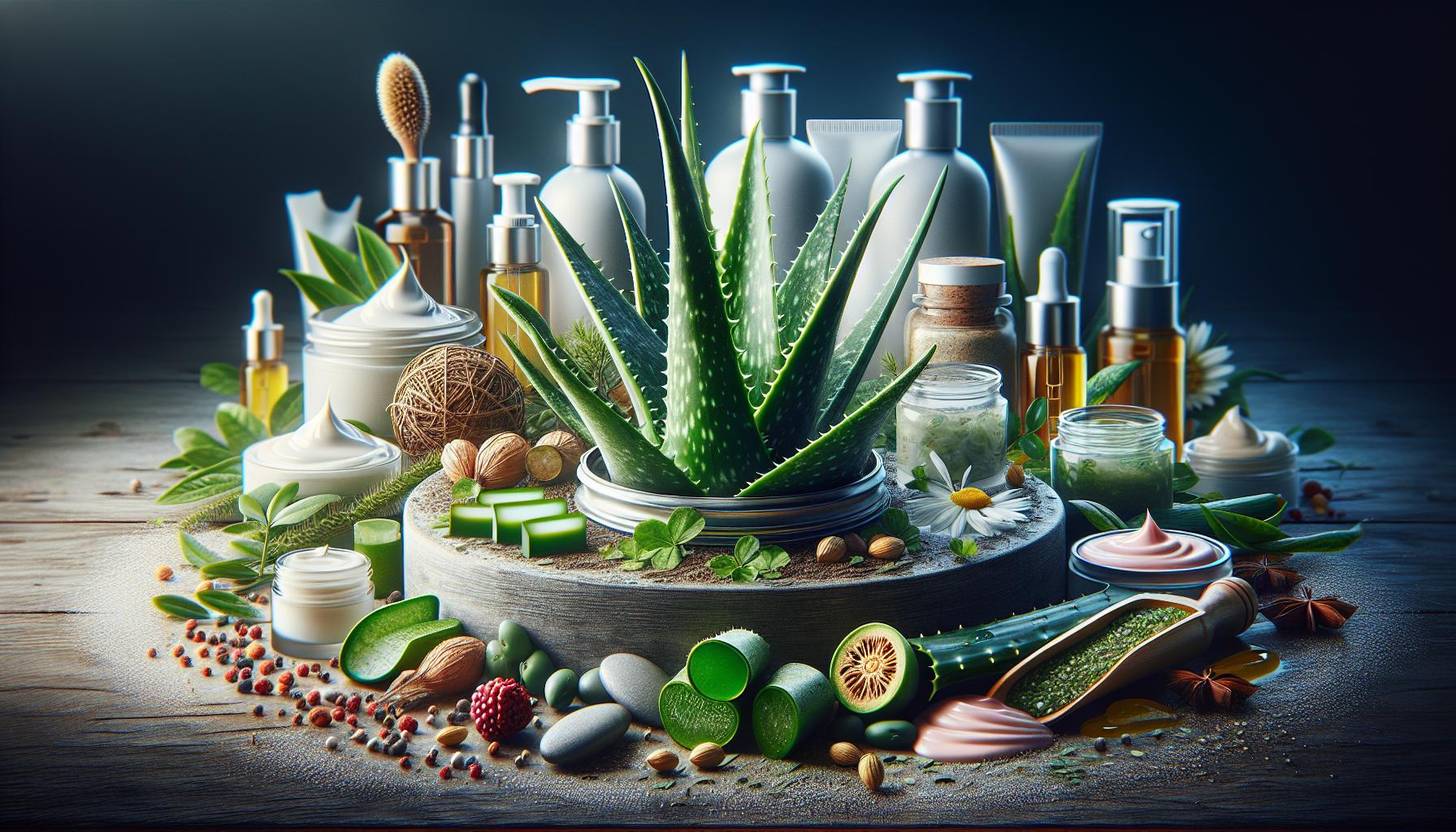
- Aloe vera: Perfect for soothing and repairing skin, especially after sun exposure. This gel can be used on its own or mixed with other ingredients, such as coconut oil or essential oils, to enhance its soothing effects.
With an assortment of recipes available online, it has become easier than ever to dive into DIY skincare. From homemade face masks featuring egg whites for tightening pores to organic sugar scrubs blended with essential oils for a spa-like experience at home, the options are endless. Get ready to explore how simple ingredients can enhance your natural beauty right at home.
Embrace your creativity by experimenting with various combinations. As you embark on this journey into DIY beauty, not only will you discover products that truly nourish your skin, but you may also find a rewarding hobby that allows you to connect with nature and expand your knowledge about skincare.

DISCOVER MORE: Click here to delve deeper
The Basics of DIY Skincare: Getting Started
Beginning your journey into the world of DIY natural beauty is an exciting prospect filled with numerous opportunities for creativity and self-discovery. To successfully create your own skincare products at home, it’s essential to familiarize yourself with some of the foundational principles and techniques that will guide your process. Here are some key points to consider:
- Understanding Skin Types: Each person’s skin is unique, typically categorized into four main types: normal, oily, dry, and combination. Identifying your skin type will allow you to choose the right ingredients that suit your skin’s needs. For example, oily skin tends to benefit from ingredients like tea tree oil, while dry skin calls for heavier moisturizers like shea butter.
- Safe Ingredient Selection: Selecting high-quality, natural ingredients is the cornerstone of DIY skincare. Look for organic and unrefined options to maximize the benefits. Ingredients like jojoba oil, shea butter, and essential oils should be on your list. Pay special attention to any potential allergens – patch testing is always recommended!
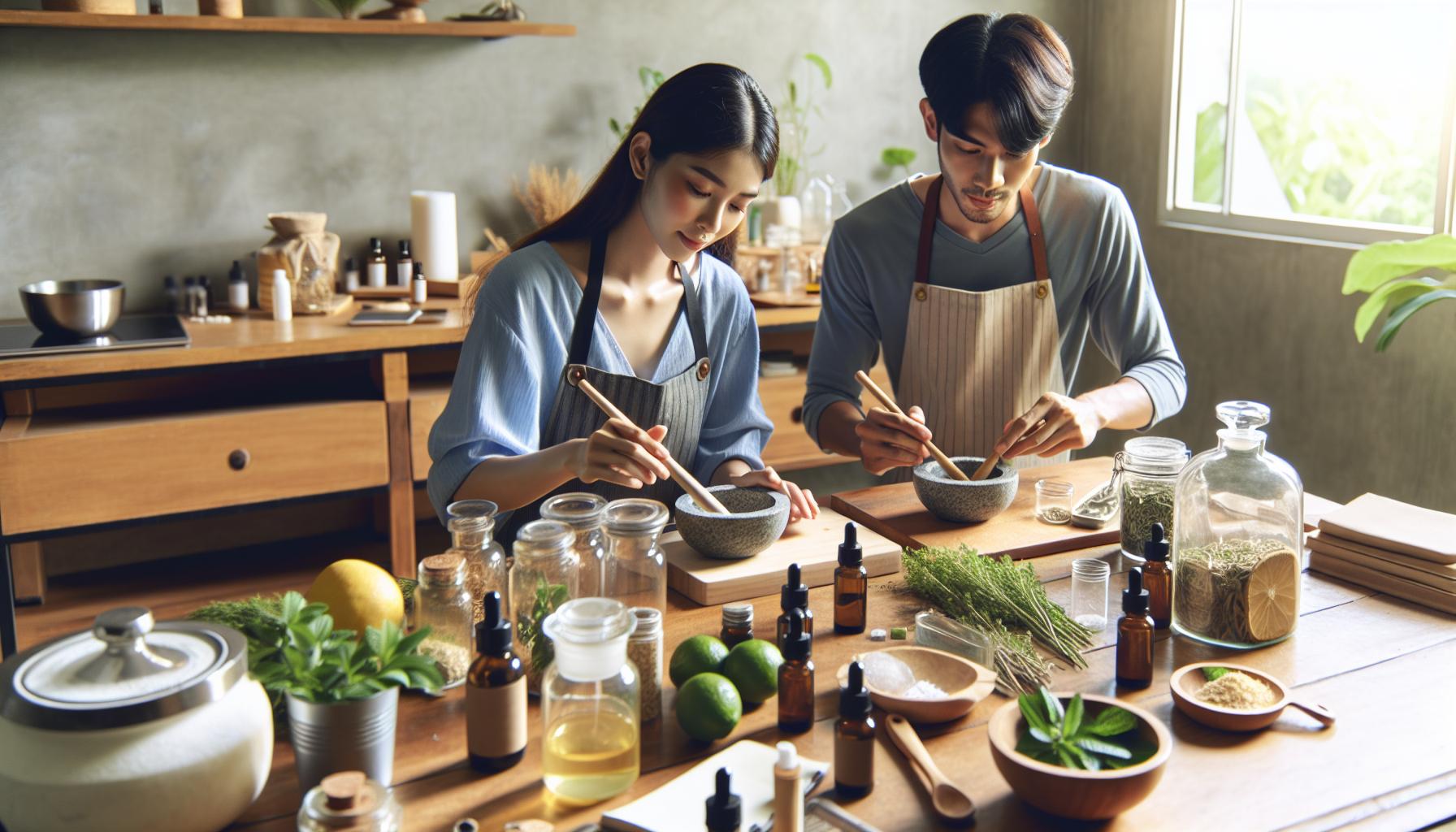
- Basic Tools for Creation: Equipping your kitchen or workspace with a few essential tools makes the production process smoother. Common tools include mixing bowls, measuring cups, spoons, a whisk or hand blender, and a double boiler for melting ingredients. Clean, glass containers are ideal for storing your finished products, ensuring their longevity and safety.
- Preservation Techniques: While many natural ingredients are praised for their antibacterial and preservative properties, it’s crucial to understand that homemade products can have a shorter shelf life compared to commercial skincare items. To extend the life of your creations, consider adding Vitamin E oil as a natural preservative, and always store your products in cool, dark places to maintain their freshness.
As you dive deeper into the world of DIY skincare, experimentation becomes a significant part of the process. Every ingredient you choose contributes to the overall formulation, and minor adjustments can have a noticeable impact on your product’s efficacy and texture. If you’re not sure where to start, consider these popular homemade recipes:
- Moisturizing Face Cream: Combine equal parts of shea butter and coconut oil, and add a few drops of your favorite essential oil. Blend until you achieve a creamy consistency that your skin will love.
- Refreshing Face Mask: Mix honey with finely ground oats to create a soothing mask that hydrates and exfoliates. Leave on for 15 minutes before rinsing off for a glowing complexion.
- Gentle Exfoliator: Combine brown sugar with olive oil for a simple yet effective scrub. This homemade blend can help slough off dead skin cells while moisturizing for a healthy glow.
With these tips and recipes at hand, you’re well on your way to creating customized skincare products that align with your values and needs. As you continue your exploration into DIY natural beauty, don’t hesitate to document your creations and the unique effects they have on your skin. This not only helps you refine your recipes but may also inspire others to join you on this transformative journey toward holistic wellness and beauty.
Unveiling the Secrets of DIY Natural Beauty
When it comes to enhancing your skincare routine, exploring DIY natural beauty can be an incredibly rewarding experience. The freedom to create your own skincare products not only allows for a personal touch but also paves the way for using fresh, organic ingredients. Taking this route can lead to an impressive array of benefits for your skin, many of which store-bought products simply cannot provide.
The Personalization Advantage
One of the most significant advantages of making your own skincare products is the ability to customize formulations tailored to your unique skin type and concerns. Whether you struggle with dryness, acne, or sensitivity, you can easily adjust the ingredients to suit your needs. This personalization empowers you to make informed choices about what you put on your skin, minimizing the risk of reactions to harsh chemicals often found in commercial products.
Cost-Effectiveness
Creating your own skincare products at home can also be a cost-effective solution. Many common natural ingredients such as coconut oil, olive oil, and aloe vera are relatively inexpensive and often used in multiple recipes. A single bottle of a high-end moisturizer can easily cost upwards of $50, while DIY options can provide similar results at a fraction of the price. The long-term savings can be substantial, allowing you to allocate funds towards other aspects of your beauty routine or self-care.
Environmental Benefits
Additionally, embracing natural DIY beauty can have a positive impact on the environment. By choosing to create products at home, you reduce the demand for plastic packaging and other non-biodegradable materials often associated with commercial products. Moreover, many natural ingredients are biodegradable themselves, contributing to a more sustainable beauty regimen. This green approach resonates with those looking to embrace eco-friendly practices while caring for their skin.
Quality Control
Making your own skincare products also ensures more control over quality. You can source high-quality, organic ingredients, ensuring that you’re avoiding harmful additives or preservatives. This level of quality control not only gives peace of mind but also has the potential to yield better results for your skin. As you experiment with different combinations and learn with each recipe, you can discover what your skin truly loves.Now that you understand some of the remarkable benefits of DIY natural beauty, here’s a look at a table summarizing these advantages:
| Advantage | Key Features |
|---|---|
| Personalization | Tailored ingredients for your skin type |
| Cost-Effective | Affordable ingredients compared to high-end products |
By delving deeper into the world of DIY skincare, you can unlock a new realm of possibilities that are not only beneficial for you but also for the planet. As you start your journey, remember to research and experiment responsibly for your best skin yet!
DISCOVER MORE: Click here to learn about the impact of ingredients
Common Natural Ingredients and Their Benefits
As you embark on creating your own skincare products, it’s vital to understand the uses and benefits of various natural ingredients. Each ingredient offers unique properties that can address specific skin concerns, allowing you to formulate products tailored to your needs. Here are some prominent natural ingredients commonly used in DIY skincare:
- Aloe Vera: Often termed “the plant of immortality,” aloe vera gel is celebrated for its soothing, hydrating, and anti-inflammatory properties. It is especially beneficial for irritated or sunburned skin and can be used as a base for creams, masks, and lotions.
- Coconut Oil: Renowned for its moisturizing abilities, coconut oil is a fantastic multi-purpose ingredient. Its antibacterial properties help combat acne, while its fatty acids provide deep hydration, making it excellent for all skin types, particularly dry skin. Use coconut oil as a carrier oil in various formulations or as a standalone moisturizer.
- Jojoba Oil: Valued for its similarity to natural skin sebum, jojoba oil is non-comedogenic, making it perfect for oily and acne-prone skin. Its balancing properties can help control oil production, while also offering nourishment and hydration.
- Essential Oils: These concentrated plant extracts not only add delightful scents to your skincare products but also possess various therapeutic benefits. Lavender oil is known for its calming properties, tea tree oil is revered for its antibacterial effects, and chamomile oil is excellent for soothing sensitive skin. Always dilute essential oils before applying them to the skin to avoid irritation.
- Honey: A natural humectant, honey attracts moisture, making it ideal for maintaining hydration. It has antibacterial properties and acts as a gentle exfoliant, making it an excellent ingredient for masks and cleansers.
- Green Tea: Loaded with antioxidants, green tea protects the skin from free radical damage and has anti-inflammatory properties. It can be infused into face masks or as a soothing ingredient in toners, providing a refreshing boost to your skincare routine.
Creating Your Personalized Skincare Routine
Once you have a solid grasp of ingredients, the next step is to tailor a skincare routine that meets your unique needs. Consider the following components to create an effective regimen using your DIY products:
- Cleanser: Start your skincare routine with a gentle cleanser that effectively removes impurities. A mix of honey and castile soap can create a soothing cleanser, perfect for various skin types.
- Toner: A natural toner can help balance your skin’s pH levels. You might consider infusing witch hazel with rose water for a hydrating spritz that tightens pores and refreshes the skin.
- Serum: Incorporate a serum packed with essential nutrients. Consider creating a simple herbal-infused oil using jojoba oil and a blend of your favorite herbs for a nourishing boost.
- Moisturizer: As discussed, shea butter or a blend of oils makes for a rich moisturizer perfect for daily use. Customize it by adding essential oils to suit your preference.
- Exfoliation: Regular exfoliation is crucial for maintaining healthy skin. Use your homemade exfoliant, made from sugar and coconut oil, once to twice a week to remove dead skin cells.
By understanding the properties of various natural ingredients and crafting a skincare routine tailored to your personal needs, you can fully embrace the art of DIY natural beauty. Each creation becomes an opportunity for self-expression and a step towards flawless skin. Remember that experimentation is key; don’t hesitate to adjust recipes until you find the perfect blend that works for you. As you experiment, keep a record of your formulations, and take note of the results they yield, thus enhancing your journey into the world of DIY skincare.
DIVE DEEPER: Click here to discover the role of herbal extracts in skincare
Conclusion: Embrace the DIY Natural Beauty Revolution
In a world increasingly conscious of the products we apply to our skin, DIY Natural Beauty offers a powerful alternative to commercial skincare, allowing individuals to take control of their beauty regimen with vibrant, wholesome ingredients. By creating your own skincare products, you not only tailor treatments to your personal skin needs but also foster a deeper connection with the ingredients you choose. From soothing aloe vera to nutrient-rich coconut oil, each natural component brings its unique benefits, transforming your self-care routine into a personalized ritual.
Moreover, the process of crafting these products can be incredibly fulfilling and empowering. It encourages creativity, instills a sense of achievement, and promotes learning about the effects different elements have on your skin. As you delve into this fascinating journey, remember that patience and experimentation are crucial; finding the perfect formulas might take time, but the results will be well worth the effort. Don’t hesitate to share your discoveries and tips with friends or through social media, contributing to a community of like-minded DIY enthusiasts.
As you explore the world of homemade skincare, keep in mind that natural beauty isn’t merely about looking good; it’s about nurturing your skin’s health sustainably. By choosing natural ingredients free from harsh chemicals, you make a conscious decision to prioritize both your well-being and the environment. So go ahead, embark on your DIY adventure today, and unlock the limitless potential of natural beauty tailored just for you!