
The Rise of Plant-Based Ingredients in Skincare: Benefits and Trends
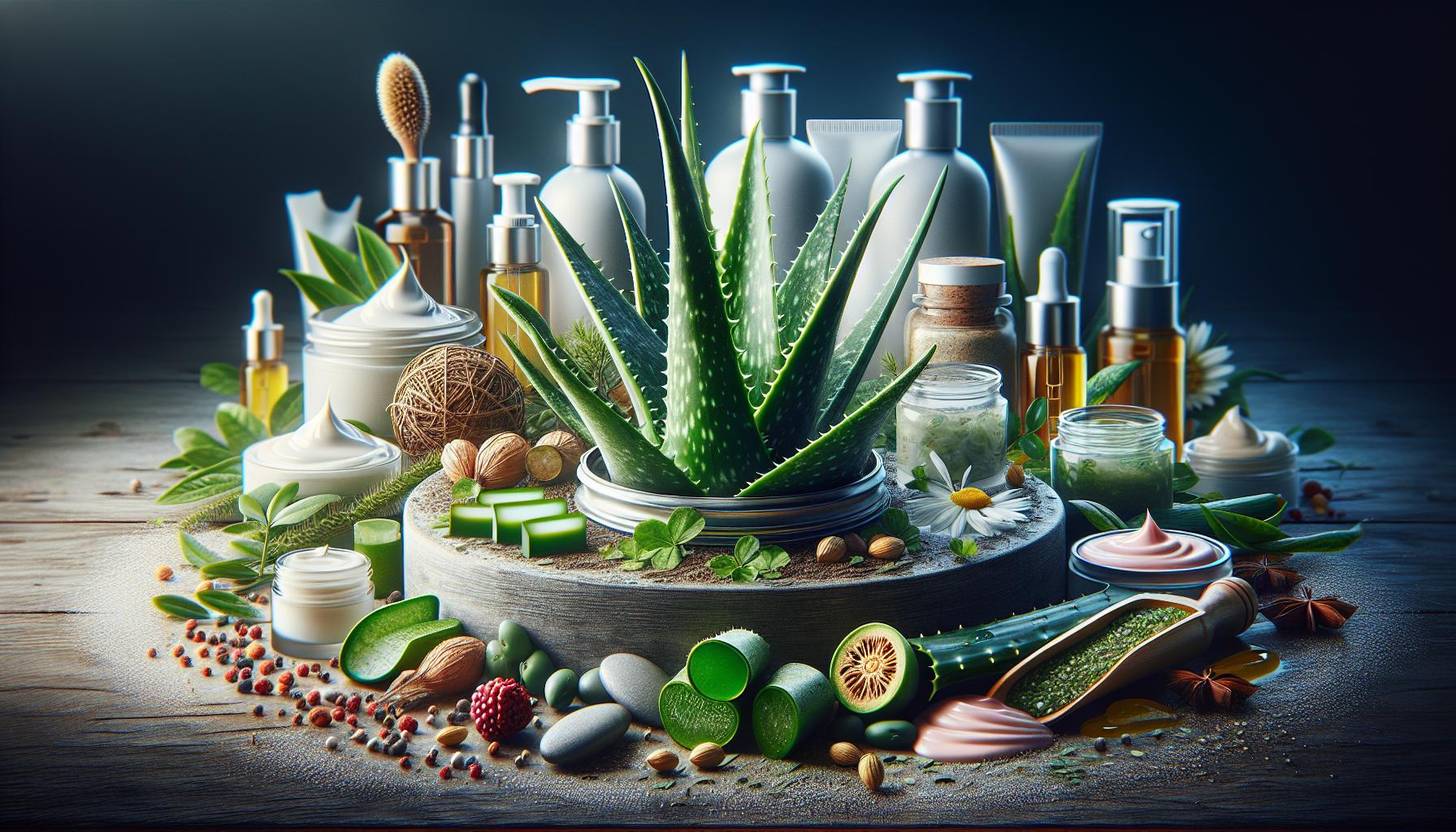
The Rise of Plant-Based Skincare
In recent years, the skincare industry has witnessed a remarkable shift towards the use of plant-based ingredients. Consumers are increasingly seeking products that harness the power of nature, driven by both environmental consciousness and a desire for healthier alternatives. This trend is not merely cosmetic; it reflects a deeper cultural movement towards holistic living and sustainable practices.
Several key factors contribute to this trend, indicating a transformative shift in consumer priorities:
- Natural Benefits: Plant-based ingredients are often rich in vitamins, antioxidants, and anti-inflammatory properties. For instance, green tea extract is celebrated for its high antioxidant content, which can combat free radicals and help in preventing skin aging. Similarly, chamomile, known for its calming properties, offers soothing benefits that can reduce redness and irritation.
- Eco-Friendly Choices: Many brands are committed to sustainability and ethical sourcing of botanical materials. Companies like Burt’s Bees exemplify this trend by sourcing ingredients that are responsibly harvested. Their practices not only support environmental stewardship but also align with the growing consumer demand for transparency in the beauty industry.
- Skin Health: Natural extracts are less likely to contain harsh chemicals that can irritate the skin. Ingredients such as jojoba oil and coconut oil help nurture the skin barrier and provide moisture without the risk associated with synthetic additives. This aspect is crucial for individuals with sensitive skin who seek products with fewer allergens.
As consumers embrace a lifestyle that prioritizes wellness, they are drawn to products that reflect their values. The rise of clean beauty has made ingredients like aloe vera, shea butter, and essential oils staples in many skincare routines. These elements not only offer practical benefits but also create a sensory experience that is appealing to users.
Moreover, this trend is not just a passing phase. It signals a profound change in how consumers approach skincare. Industry analysts report that the popularity of plant-based skincare is likely to expand further as brands innovate and refine their formulations. For example, brands are now exploring the incorporation of superfoods, such as spirulina and matcha, into their products, enhancing their nutritional profiles.
With a wealth of options available, understanding the implications of this shift is essential for anyone looking to enhance their skincare regimen. As you navigate this evolving landscape, consider the legacy of traditional herbal remedies and the ongoing dialogue about what constitutes “natural.” Dive deeper into the benefits and trends shaping the future of plant-based ingredients in skincare, as your choices may lead to not only improved skin health but also a more sustainable planet.

DISCOVER MORE: Click here to dive deeper
Exploring the Impact of Plant-Based Ingredients in Skincare
As the movement towards plant-based skincare gains momentum, it is essential to understand the multifaceted benefits and trends driving this change. The impact of using botanical ingredients extends beyond mere aesthetics, influencing overall wellness and lifestyle choices. Each ingredient tells a story, rooted in time-honored practices and modern innovation, shaping the landscape of skincare today.
One of the most significant advantages of incorporating plant-based ingredients into skincare formulations lies in their nutritional richness. Below are some standout benefits that make these ingredients sought after:
- Nourishment: Plant-based oils, such as argan and avocado, are loaded with essential fatty acids and vitamins that help nourish the skin. For example, argan oil is not only deeply hydrating but also rich in vitamin E, which is crucial for skin repair and regeneration.
- Antimicrobial Properties: Certain plant extracts possess natural antimicrobial properties, aiding in the prevention of acne breakouts and other skin irritations. Tea tree oil, for instance, has been used for its ability to combat bacteria and fungi, making it a popular ingredient in acne-fighting formulations.
- Natural Fragrance: The use of botanical extracts can provide a natural fragrance to skincare products, enhancing the sensory experience without synthetic additives. Essential oils derived from lavender or peppermint can provide a calming effect, transforming a simple skincare routine into a soothing ritual.
The surge in plant-based skincare is not solely a consumer choice; it also aligns with larger trends within the beauty and wellness industries. As people grow more aware of environmental issues, they tend to gravitate towards brands that prioritize sustainable practices and ethical sourcing. This shift is reflected in the transparency with which brands now communicate their ingredient lists and sourcing methods. Companies like Lush and The Body Shop have taken meaningful steps to ensure their ingredients are not only effective but also sustainably harvested.
Moreover, the plant-based skincare trend coincides with a broader cultural shift towards clean beauty. The concept of clean beauty emphasizes safety and transparency, inviting consumers to scrutinize the ingredients of everyday products. Research indicates that many consumers are willing to pay a premium for products that are marked as “free from harmful chemicals.” Brands are responding by introducing lines that are free from parabens, sulfates, and phthalates, further driving the demand for natural alternatives.
This evolution is also witnessed through the rise of small businesses and independent brands that focus on artisanal, hand-crafted skincare products made from plant-based ingredients. These brands often highlight local sourcing, cultural heritage, and the artistry involved in product creation. From small-batch facial oils to organic serums, these offerings cater to consumers looking for unique, personalized beauty experiences.
As we dive deeper into the world of plant-based skincare, it becomes clear that this trend is reshaping the beauty landscape significantly. The exploration of these natural offerings not only promises ethical and nourishing options but also encourages consumers to take an active role in understanding their skincare choices. The landscape of beauty is evolving, driven by a burgeoning desire to reconnect with nature and a commitment to well-being.
The Advantages of Plant-Based Ingredients in Skincare
The shift towards plant-based ingredients in skincare is not just a passing trend; it’s a transformation fueled by growing consumer awareness and demand for sustainable beauty products. The benefits of these natural components extend beyond their ecological footprint, offering a spectrum of advantages for skin health and overall well-being.
| Advantages | Description |
|---|---|
| Natural Healing Properties | Many plant-based ingredients, such as aloe vera and chamomile, are known for their anti-inflammatory and soothing qualities, making them ideal for sensitive skin types. |
| Nutrient-Rich Formulations | Plant derivatives, like jojoba oil and argan oil, are packed with vitamins and fatty acids that nourish the skin, enhancing hydration and elasticity. |
These plant-based ingredients not only prioritize skin health but also emphasize the importance of sustainability in skincare. As brands evolve to meet consumer expectations, the integration of eco-friendly practices alongside effective formulas has become a focal trend.
The appeal of this new wave of skincare is further bolstered by a more profound connection to nature, allowing consumers to indulge in products that reflect their values. Transitioning to plant-based skincare can lead to healthier skin and a more responsible beauty routine, encouraging consumers to embrace the natural world.
DISCOVER MORE: Click here to learn about the latest technology in anti-aging treatments
The Blend of Science and Nature: Innovation in Plant-Based Skincare
As consumers become increasingly aware of what they are putting on their skin, the convergence of science and nature within the realm of plant-based skincare has sparked an innovative revolution. The incorporation of advanced technologies with traditional botanical knowledge is propelling these products into the mainstream, providing enhanced efficacy and profound results that appeal to both novice and seasoned skincare enthusiasts.
One noteworthy trend in the plant-based skincare space is the rise of biotechnology. Forward-thinking brands are utilizing biotechnological methods to extract active ingredients from plants more sustainably and effectively. For example, brands such as Amorepacific have pioneered techniques that cultivate plant cell cultures, harnessing the power of botanicals without extensive land use or environmental disruption. This alignment of technology with sustainability not only responds to consumer demand for purity but also promotes a more ethical approach to skincare formulation.
Furthermore, there is a surge of interest in adaptogens, a class of herbal ingredients said to help the body adapt to stressors. Ashwagandha, holy basil, and reishi mushrooms are just a few adaptogens finding their way into skincare products. These ingredients are lauded for their potential to boost skin resilience and improve overall skin health, providing consumers with targeted solutions for stress-induced skin issues, such as inflammation and dullness. As studies continue to emerge supporting the benefits of these natural compounds in delivering holistic healing, adaptogens are set to solidify their spot in the beauty market.
In addition, the influence of social media has played a pivotal role in popularizing plant-based skincare trends. Platforms like Instagram and TikTok have created a vibrant community for beauty enthusiasts to share their experiences and discoveries. The “green beauty” movement has encouraged consumers to seek out plant-powered alternatives, often leading them to grassroots brands that focus on transparency and ethical practices. Hashtags like #plantbasedbeauty and #greenbeauty have become rallying points for those looking to make informed choices in their skincare routines.
Moreover, the demand for clean, ethical sources has propelled brands to engage in activism and social responsibility. Many skincare lines are aligning their missions with causes that resonate deeply with consumers, such as climate action, animal welfare, and fair trade practices. For instance, companies like Herbivore Botanicals emphasize cruelty-free production and minimal environmental impact, appealing to consumers who prioritize social consciousness alongside product efficacy.
With the increasing popularity of multi-functional skincare products, plant-based ingredients often serve dual purposes. Products that incorporate both skincare and treatment benefits are becoming more prevalent, such as moisturizers infused with chemical exfoliants like alpha hydroxy acids derived from fruit, allowing consumers to simplify their routines without sacrificing results.
As the quest for honest, effective, and plant-based solutions continues to evolve, the beauty industry is positioned to embrace a future based on natural integrity and innovation. The integration of plant-based ingredients with technology not only elevates the skincare experience, but it also nourishes a new cultural ethos centered around wellbeing, sustainability, and authenticity.
DISCOVER MORE: Click here to learn about herbal extracts in skincare
Final Thoughts: Embracing the Future of Plant-Based Skincare
In summary, the rise of plant-based ingredients in skincare represents a transformative shift in consumer preferences, driven by a desire for more natural, ethical, and effective formulations. As individuals increasingly seek products that align with their values of health and sustainability, the integration of science and innovative technologies has enabled brands to offer potent skincare solutions derived from nature’s bounty. This union not only satisfies the demand for purity but enhances the overall effectiveness of skincare products, catering to a wide audience.
Moreover, the popularity of adaptogens and biotechnological advancements plays a critical role in revolutionizing traditional skincare practices. Consumers are now empowered to make informed choices, guided by the transparency and accountability that brands are being urged to adopt. The influence of social media continues to amplify this movement, allowing awareness to spread rapidly and cultivate a community unified by principles of clean beauty.
As we look forward, the future of skincare seems bright, marked by innovation and a commitment to sustainable practices. These trends are not merely fleeting; they are emblematic of a deeper cultural shift towards lifestyle choices that prioritize wellbeing and environmental responsibility. Health-conscious consumers are likely to continue driving the demand for plant-based skincare solutions, setting the stage for ongoing evolution in this vibrant sector.
For those eager to explore this landscape, whether by adopting a new routine or supporting eco-conscious brands, the journey into the world of plant-based skincare promises not only beauty but also a sustainable path toward holistic health and wellness.