
Sustainability in Beauty: How Natural Ingredients are Shaping Eco-Friendly Products
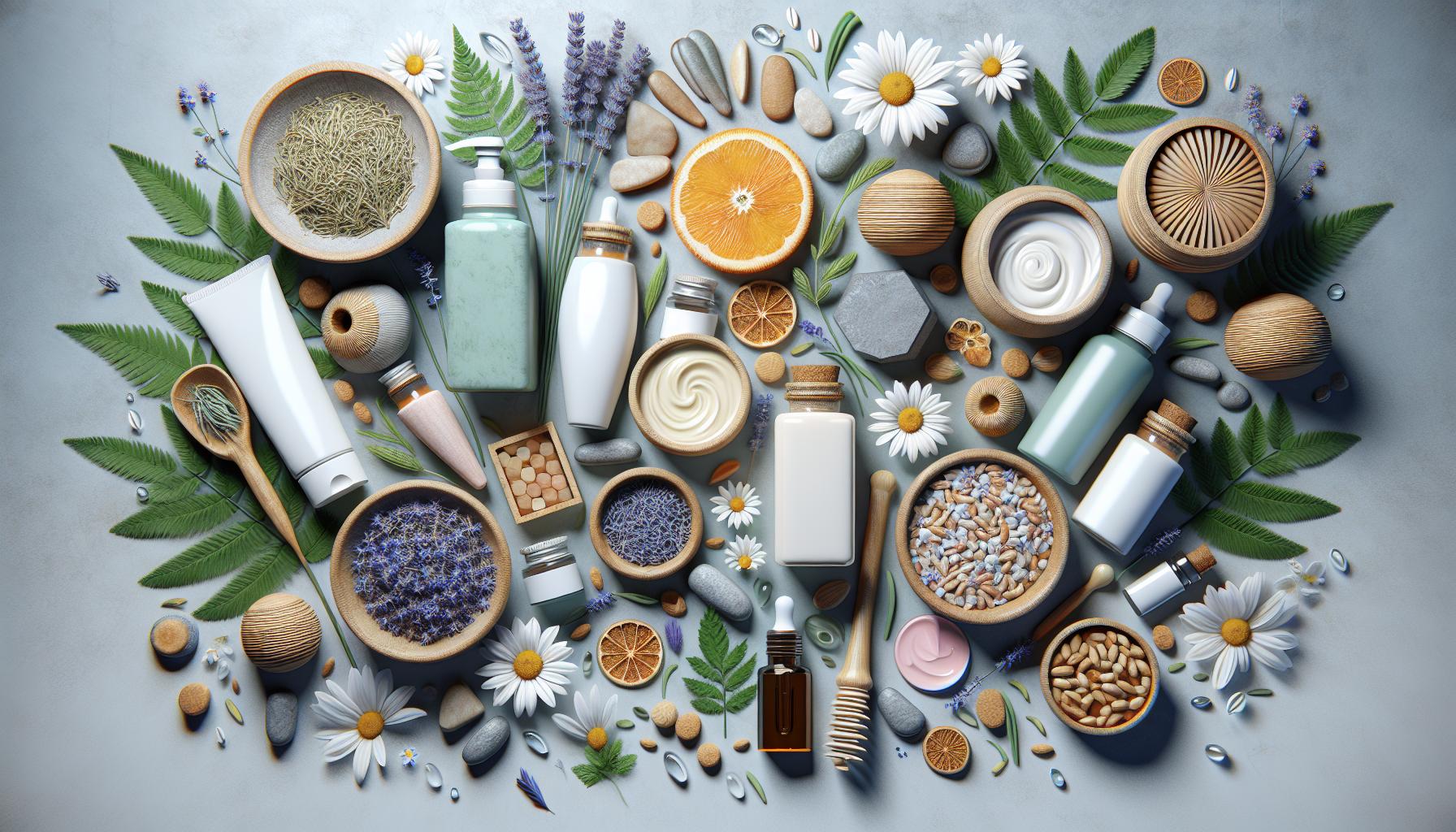
The Rise of Sustainable Practices in the Beauty Industry
The global beauty industry has entered a pivotal era marked by a profound shift towards sustainability. In an age where environmental consciousness is more pronounced than ever, consumers are becoming discerning about their purchasing habits. This awareness isn’t just about personal care—it’s about the broader implications of those choices on the environment. Brands are responding to this demand for sustainable practices, integrating them deeply into their business models and product lines.
This transformation is characterized by the increasing popularity of natural ingredients, which not only serve as safer alternatives for our skin but also present a reduced ecological footprint. With this in mind, let’s explore some critical aspects driving this movement:
- Ingredient Transparency: In today’s market, transparency has become a non-negotiable quality. Brands are compelled to provide insight into their formulations, detailing every ingredient used. This initiative builds trust with consumers and promotes accountability within the industry. For example, a brand like Beautycounter has pioneered ingredient disclosure, allowing consumers to make educated choices.
- Eco-Friendly Packaging: The packaging of beauty products has often been overlooked. However, companies are now shifting towards recyclable or biodegradable materials to combat the plastic crisis. Brands such as Lush are leading the way by using minimal packaging or adopting innovative approaches like naked products, which eliminate packaging altogether.
- Ethical Sourcing: The concept of ethical sourcing involves obtaining ingredients from suppliers who prioritize sustainable farming practices. This not only mitigates environmental degradation but also supports local farmers and communities. For instance, SheaMoisture emphasizes fair trade practices with its ingredients, showcasing a commitment to both social and environmental integrity.
Moreover, innovative brands are stepping forward to create products that effectively marry efficacy with eco-consciousness. For example, many current popular items contain:
- Plant-Based Extracts: These natural alternatives replace synthetic chemicals, thereby diminishing the risk of skin irritation and allergies. The use of botanical elements like aloe vera or green tea has seen a surge, as consumers seek gentler options.
- Organic Certifications: Products that boast organic certifications proudly signal their dedication to natural standards. These certifications often reassure consumers that the products they are purchasing are free from harmful substances and are sourced sustainably.
- Waterless Formulations: With water scarcity becoming a real concern, many brands are exploring waterless formulations. These concentrated products not only conserve a vital resource but often deliver more potent benefits, exemplifying efficiency in beauty.
The shift toward sustainability in the beauty sector is far from being a fleeting trend; it’s a transformative movement reshaping the entire market landscape. As consumers increasingly gravitate towards conscious shopping, grasping how these shifts influence the offerings on store shelves is essential. It’s an exciting time for beauty enthusiasts and environmental advocates alike, compelling all to consider how personal choices intersect with global sustainability efforts.
DIVE DEEPER: Click here to uncover the science

Embracing Natural Ingredients: A Cornerstone of Sustainable Beauty
As the beauty industry evolves, one of the most compelling narratives unfolding is the embrace of natural ingredients. These elements stem from the earth, often requiring less processing than their synthetic counterparts while offering the skin nourishing benefits associated with health and vitality. The pivot towards natural ingredients is not merely a response to consumer demand; it is also a proactive step toward reducing environmental impacts.
The growing awareness and importance of sustainability have made consumers more conscious of what they apply to their bodies as well as the ecological implications of those choices. The push for natural ingredients is reshaping product formulations, giving birth to a new wave of beauty products that embody both ethical responsibility and effectiveness. Here are some reasons fueling this shift:
- Consumer Demand for Clean Beauty: A significant segment of modern consumers, particularly millennials and Gen Zers, are gravitating towards brands that promise clean, green formulations. Surveys show that nearly 70% of shoppers are keen on purchasing beauty products that feature natural ingredients, which signals a noticeable shift in purchasing behavior.
- Reduction of Harmful Chemicals: Natural ingredients often come with fewer side effects compared to synthetic alternatives. The use of botanical extracts, such as chamomile or calendula, can promote healthier skin without the adverse reactions triggered by synthetic additives. Brands are increasingly minimizing the use of chemicals like parabens and sulfates, emphasizing that ‘clean’ can also mean ‘effective.’
- Innovative Formulation Technologies: The advancement of technology has enabled brands to harness the full potential of natural ingredients. Techniques such as cold-press extraction and cryo-milling allow for the preservation of vitamins and nutrients that can be lost through traditional methods, leading to potent formulations. The modern consumer can reap the benefits without compromising on efficacy.
In addition, sustainability is closely intertwined with the cultivation and sourcing of these natural ingredients. Ethical sourcing not only supports sustainable farming practices but also champions social responsibility. For instance, many brands are opting for ingredients like argan oil from cooperatives in Morocco, ensuring fair wages for local communities and preserving the environment. This relationship between sustainability and natural sourcing underscores a holistic approach to beauty that extends beyond the products themselves.
This emphasis on natural ingredients is further reflected in the rise of certifications that validate the sustainability claims made by beauty brands. Look for labels like “USDA Organic” or “EcoCert,” which provide consumers with clear indicators of a product’s commitment to ethical and sustainable practices. These certifications can be a guiding compass in the often murky waters of beauty marketing, revealing which products genuinely uphold their claims.
As we delve further into the changing landscape of the beauty industry, it becomes increasingly evident that the preference for natural ingredients is not a mere trend but a foundational shift towards a more sustainable future. The implications for individuals, communities, and the planet are profound, paving the way for a new definition of beauty that is both accessible and environmentally sound.
| Category | Benefits |
|---|---|
| Natural Ingredients | Utilizing plant-based compounds minimizes chemical exposure and enhances skin health. |
| Eco-Friendly Packaging | Adopting recycled or biodegradable materials reduces environmental impact and conserves resources. |
| Cruelty-Free Certification | Products that are tested without harming animals appeal to conscious consumers and promote ethical standards. |
| Sourcing Practices | Responsible sourcing of ingredients supports local communities and fosters biodiversity. |
The beauty industry is undergoing a profound transformation as consumers increasingly seek products that embody sustainability. This shift is not merely a trend; it represents a growing recognition of the importance of eco-friendly practices in mitigating climate change and preserving our planet’s resources. By focusing on natural ingredients, brands can enhance the safety of their products while also addressing consumer demand for transparency. Interestingly, many traditional beauty products contain synthetic chemicals that may have adverse effects on both health and the environment. In contrast, natural ingredients like shea butter, essential oils, and plant extracts provide effective alternatives, ensuring that beauty enthusiasts can enjoy their routines without compromising their values.Furthermore, brands that prioritize eco-friendly packaging are not only improving their sustainability profile but also appealing to a more environmentally conscious demographic. As awareness about plastic pollution grows, companies are turning to innovative materials that are either biodegradable or made from recycled resources, thereby reducing their overall footprint. This paradigm shift towards sustainability reflects a broader movement in consumer behavior, recognizing that choices in beauty can have profound implications not just for individual health, but for the planet as a whole.
DISCOVER MORE: Click here to learn about the benefits of meditation on skin youthfulness
The Role of Transparency in Sustainable Beauty Practices
As beauty brands are increasingly turning to natural ingredients, transparency in sourcing and production practices has emerged as a pivotal aspect of sustainability. Consumers are no longer satisfied with vague marketing rhetoric; they demand to know not only what is in their products but also where those ingredients come from and how they are harvested. This quest for transparency is prompting brands to share more information than ever before, creating stronger connections between consumers and manufacturers.
Many brands are stepping up their efforts to disclose ingredient origins and production processes. For instance, companies like Herbivore Botanicals and 100% Pure prominently feature ingredient sourcing details on their websites, enabling consumers to make informed choices. This level of transparency builds consumer trust, as users are more likely to patronize brands that openly share their sustainability commitments and practices. In fact, studies indicate that more than 80% of consumers feel more inclined to support brands that prioritize ethical sourcing and manufacturing.
Furthermore, the demand for sustainable packaging aligns with the broader movement towards eco-friendly beauty products. Many companies are reevaluating their packaging choices to reduce waste and ensure recyclability. Brands like Lush and Alima Pure have implemented policies that encourage the use of refillable or recyclable containers to minimize their environmental footprint. This has significant implications for the beauty industry, where packaging can often contribute more to environmental harm than the products themselves.
The movement towards sustainability also encourages brands to engage in community outreach and education. Many companies are leveraging their platforms to raise awareness on environmental issues and advocate for responsible consumption. For instance, campaigns around reducing plastic use or advocating for sustainable palm oil sourcing not only contribute to brand visibility but position these companies as leaders in the sustainability conversation. This community engagement creates a ripple effect, as consumers are inspired to modify their behaviors and advocate for sustainability in their own lives.
Moreover, the integration of biotechnology in the beauty sector is gaining traction, offering exciting possibilities for sustainable formulations. Innovative brands are utilizing lab-grown ingredients and biotechnology to create naturally-derived components that are environmentally friendly. For example, some skincare brands are now producing hyaluronic acid through fermentation processes, reducing reliance on animal-based or resource-intensive sources. This biotechnology represents a merging of science and sustainability that could redefine the future of beauty.
As awareness of sustainable practices spreads, the concept of circular beauty is becoming a driving force in the industry. This model incorporates a lifecycle approach to beauty products, emphasizing the need to consider the entire product journey—from sourcing and production to usage and disposal. Brands are exploring ways to create products that are not just sustainable in origin but also in disposal. Initiatives like take-back programs and biodegradable formulations are emerging as ways to facilitate a circular approach that minimizes waste and maximizes resources.
The realm of sustainability in beauty is continuously evolving, merging ancient wisdom from natural remedies with cutting-edge innovations in formulation and production. As more consumers demand accountability from brands, this focus on transparency, sustainable practices, and community engagement are solidifying the role of natural ingredients at the forefront of eco-friendly beauty products.
DISCOVER MORE: Click here to learn about natural ingredients that fight skin aging
Conclusion: Embracing a Greener Future in Beauty
The journey towards sustainability in the beauty industry is more than a fleeting trend—it’s a cultural shift. As consumers increasingly embrace the significance of natural ingredients and sustainable practices, they are driving companies to rethink their approach to product formulation, sourcing, and packaging. The emphasis on transparency not only establishes trust but also empowers consumers to make informed decisions that align with their values.
Moreover, the integration of biotechnology and circular beauty principles highlights a forward-thinking approach, where science and environmental responsibility go hand in hand. Brands that adapt to this new paradigm, like Lush and Herbivore Botanicals, are not only catering to eco-conscious consumers but are also transforming the landscape of the beauty industry as a whole.
As interest in sustainability deepens, it becomes evident that the future of beauty lies in holistic practices that honor the planet as much as they enhance individual beauty. By championing initiatives focused on sustainable packaging and active community engagement, brands are paving the way for a more ethical and responsible industry. This ongoing evolution underscores the profound impact of consumer choices—making every purchase a vote for the kind of world we wish to create.
In conclusion, as the demand for eco-friendly products continues to resonate, the collective movement towards sustainability signifies not just a change in ingredients but a reimagining of the entire beauty culture. The path ahead is promising, with natural ingredients leading the charge toward a more sustainable and beautiful world.