Evaluating the Efficacy of Natural vs. Synthetic Ingredients in Beauty Products
Understanding the Beauty Ingredient Debate
Beauty enthusiasts today find themselves at a crossroads, faced with a plethora of choices when it comes to skincare and cosmetics. The dichotomy between natural and synthetic ingredients in products often leads to intense discussions among consumers, dermatologists, and beauty influencers alike. With a growing demand for transparency in the beauty industry, understanding these ingredients’ origins, benefits, and potential drawbacks is essential.
Natural Ingredients: The Appeal of Mother Nature
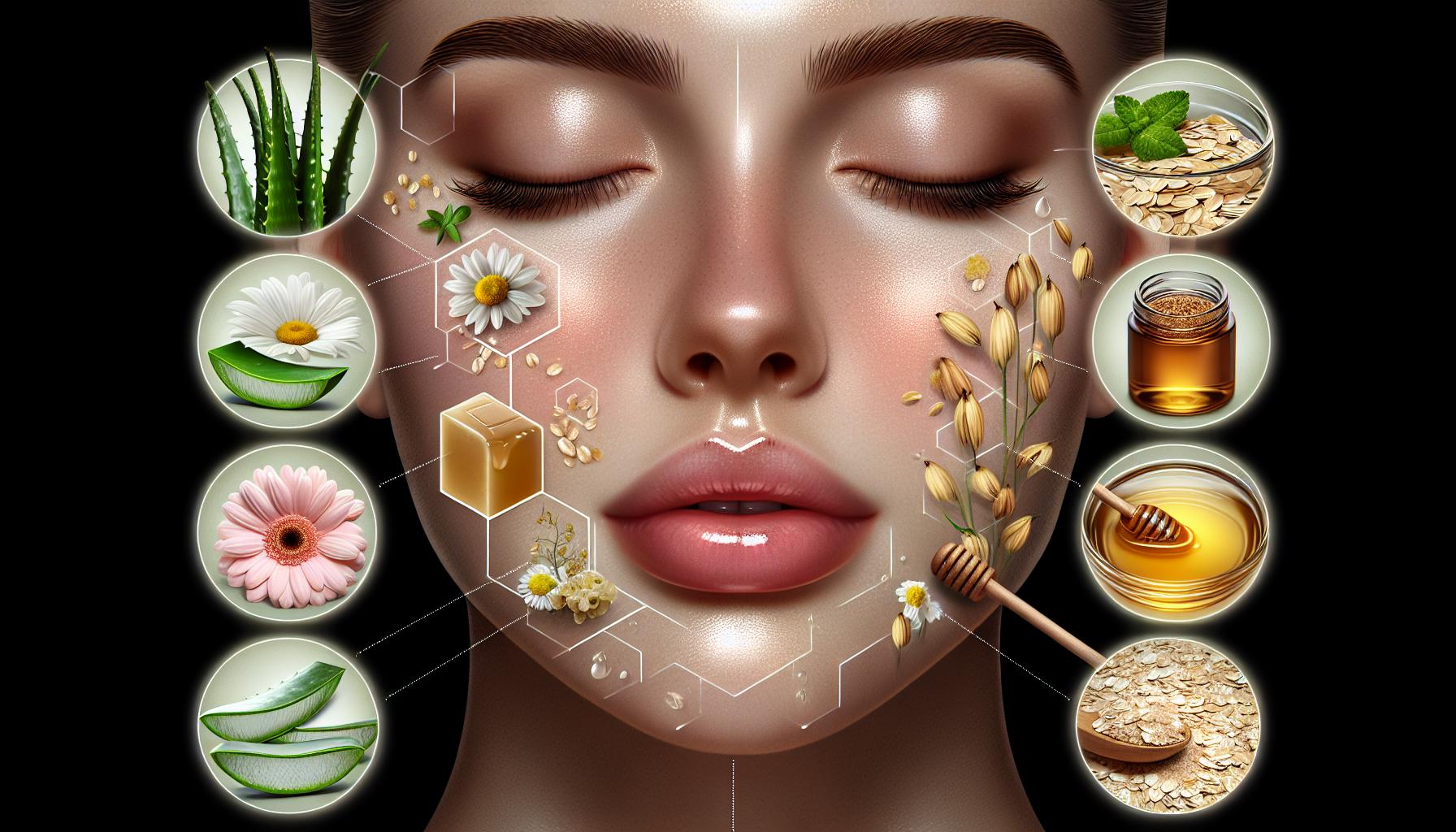
Natural ingredients hold a treasured reputation, largely due to their origin—extracted from plants, fruits, and minerals with minimal processing. For instance, Aloe Vera is more than just a summer staple; it has been used for centuries to alleviate skin irritation and hydrate materials thanks to its high water content and vitamins. Similarly, Coconut Oil has gained notoriety not just for its culinary uses but for its ability to deeply penetrate skin cells, making it an excellent moisturizer. However, the benefits do not stop there; it also possesses antimicrobial properties, which can help combat acne.
Another widely used ingredient, Shea Butter, is celebrated for its anti-inflammatory properties and ability to soften and protect the skin. Rich in vitamins A, E, and F, this creamy substance acts effectively to combat dryness, providing vital hydration during harsh winter months. Yet, while the allure of natural products is compelling, it is crucial to note that they are not without their limitations. Natural ingredients can sometimes be less stable and might trigger allergic reactions in sensitive individuals.
The Reliability of Synthetic Ingredients
On the flip side, synthetic ingredients offer a remarkable level of consistency and reliability. Preservatives, for example, remain a critical component of many formulations. They prevent microbial growth and ensure that products remain safe and effective over time, thus enhancing the longevity of beauty goods. Without preservatives, many of the products that consumers rely on could quickly spoil, leading to potential health risks.
Furthermore, emulsifiers play a vital role in creating the smooth textures and blendability that many users seek. They are key to ensuring that water and oil-based ingredients mix well, providing not just aesthetic appeal, but also functional benefits for application. Lastly, synthetic active ingredients, such as retinoids or hyaluronic acid, are often engineered to target specific skin concerns—ranging from signs of aging to hyperpigmentation—with remarkable precision and efficacy.

Navigating the Landscape of Beauty Ingredients
As consumers arm themselves with knowledge, they are empowered to make informed choices about their skincare regimens. The decision to opt for natural versus synthetic ingredients often boils down to personal preferences, individual skin types, and specific concerns. Many brands now merge the best of both worlds, combining the nourishing qualities of natural components with the stability of synthetics.
In conclusion, the debate over natural versus synthetic ingredients in beauty products is not merely a marketing ploy; it reflects a deeper discussion about safety, efficacy, and sustainability in the industry. By exploring the foundations of each ingredient type, consumers can better navigate the complex landscape of beauty formulations and discover what truly works for their unique needs. As the industry continues to evolve, staying informed will be key to making choices that align with both personal values and skincare goals.
DIVE DEEPER: Click here to discover more
Natural Ingredients: Benefits and Limitations
The appeal of natural ingredients in beauty products is grounded in their perceived health benefits and eco-friendliness. Many consumers opt for products labeled as “natural” due to their association with purity and a holistic approach to skincare. For example, ingredients like Honey are renowned for their natural antibacterial properties, making them a popular choice for soothing inflamed or acne-prone skin. Additionally, essential oils, such as Lavender and Tea Tree Oil, not only provide captivating scents but also offer calming and antiseptic qualities that can enhance the beauty routine.
However, the efficacy of these natural components can vary significantly based on factors such as the extraction methodology and the concentration used in formulation. For instance, while an ingredient like Green Tea Extract is lauded for its antioxidant properties, its effectiveness largely depends on the extraction process and the amount included in the product. Moreover, natural ingredients are not universally suitable for every skin type; some individuals with sensitivities may experience adverse reactions. Concerns over the potential for contamination or spoilage further complicate the reliability of these ingredients.
Exploring the Role of Synthetic Ingredients
In contrast, synthetic ingredients represent a different approach to formulation that emphasizes stability and precision. Some synthetics have been engineered to address complex skin concerns more effectively than their natural counterparts. For example, Salicylic Acid is a powerful synthetic ingredient that penetrates pores to combat acne, offering results that are often faster and more consistent than natural alternatives. Additionally, synthetic formulations often include a wider range of active ingredients designed for targeting specific skin issues, such as reducing the appearance of fine lines or enhancing hydration.
The benefits of synthetic ingredients extend beyond efficacy; they also address practical considerations in product formulation. Items such as emulsifiers and stabilizers ensure product longevity and prevent separation, factors that are critical in maintaining product integrity. Furthermore, advances in cosmetic technology have led to the development of novel ingredients that mimic the benefits of natural substances while ensuring safety and efficacy, appealing to a broader audience concerned with both performance and ingredient quality.
Comparative Insights: What to Consider
As beauty consumers navigate the complexities of natural versus synthetic ingredients, several factors warrant consideration:
- Skin Type: Different ingredients may react uniquely based on individual skin conditions, which can affect the choice between natural and synthetic options.
- Ingredient Source: Understanding whether an ingredient is sustainably sourced can influence purchase decisions for environmentally conscious consumers.
- Personal Values: Some consumers prefer natural products due to ethical beliefs or sensitivity, while others prioritize proven effectiveness found in synthetic alternatives.
Ultimately, the dialogue surrounding natural and synthetic beauty ingredients continues to evolve. By appreciating the strengths and weaknesses of both sides, consumers can make informed decisions about their beauty routines and product selections, paving the way for more tailored and effective skincare regimens.
| Category | Description |
|---|---|
| Natural Ingredients | Derived from plants and minerals, often touted for their gentle properties. |
| Synthetic Ingredients | Chemically manufactured compounds that may provide better stability and consistency. |
Continuing our exploration of the debate surrounding natural versus synthetic ingredients, we find that natural ingredients are frequently praised for their environmental benefits and the absence of harsh chemicals. Ingredients such as aloe vera and shea butter are revered for their moisturizing properties and are less likely to cause irritation. However, it’s crucial to note that not all natural products are free from potential allergens or irritants. On the other hand, synthetic ingredients have the advantage of being more readily available and can often offer enhanced efficacy in formulations, such as improved absorption or extended shelf life. For instance, compounds like hyaluronic acid, when synthetically produced, can deliver intense hydration that some natural alternatives may lack. Additionally, with stringent testing, synthetic formulations can ensure >greater consistency in results, ensuring that consumers can achieve predictable outcomes with their beauty routines.As consumers increasingly demand transparency and efficacy, understanding the differences between these types of ingredients becomes essential to making informed choices about skincare and cosmetic products. The ongoing research and development in both categories lead to innovative products that cater to a diverse audience’s needs and preferences.
DISCOVER: Click here to learn more
Consumer Perspectives on Ingredient Choices
In today’s beauty landscape, consumer awareness and demands are evolving, driving a nuanced exploration into the efficacy of natural versus synthetic ingredients. As consumers increasingly seek transparency in beauty products, understanding the implications of ingredient choices becomes essential. In a recent survey conducted by Statista, over 60% of respondents indicated that they prefer products containing natural ingredients, demonstrating a growing trend towards seeking nature-derived components in skincare. However, this preference does not overshadow the practicality and effectiveness that synthetic ingredients often provide.
The Safety and Regulatory Landscape
Another critical aspect to consider is the safety and regulation surrounding beauty ingredients. The Food and Drug Administration (FDA) in the United States does not pre-approve cosmetic ingredients, leaving manufacturers responsible for ensuring their safety. While many natural ingredients boast a long history of usage, their safety isn’t universally guaranteed. For instance, some natural oils can cause irritation or allergies in sensitive individuals, such as those with nut allergies who may react to ingredients derived from nuts. Conversely, synthetic ingredients undergo rigorous testing, especially when marketed for sensitive skin. Consequently, brands often highlight this facet to reassure consumers of their commitment to safety.
Innovation in Ingredient Formulations
The intersection of natural and synthetic ingredients has sparked innovation within the beauty industry. Emerging trends reveal a rising popularity of biotechnology, which utilizes bioengineered ingredients that blend the best of both worlds. Ingredients such as squalane, which can be derived from either olives or synthetically produced, showcase similarly effective hydration properties. Furthermore, brands like Biossance have gained traction for their commitment to sustainability by offering synthetic alternatives that mitigate the environmental impact of sourcing natural materials.
A notable example of such innovation is the development of *peptides*, often recognized as synthetic powerhouses in anti-aging skincare. Peptides can stimulate collagen production, making them popular for consumers concerned about skin elasticity. In fact, research indicates that peptides can provide visible results in reducing fine lines and wrinkles, often surpassing traditional natural remedies.
Market Trends and Consumer Education
The differentiating attributes of these ingredients are reflected in market trends, with consumers increasingly investing in brands that share educational resources on product formulations. This shift has encouraged companies to provide detailed information on ingredient sourcing, percentages, and efficacy, further influencing consumer decision-making. The ongoing dialogue is essential as awareness continues to grow regarding not only ingredient effectiveness but also their environmental ramifications. Consumers are becoming more discerning, seeking beauty products that align with their values – whether that’s a preference for clean beauty or a focus on biologically engineered ingredients that promise remarkable benefits.
As brands strive to appeal to a diverse audience, they begin to incorporate a balanced blend of natural and synthetic ingredients, aiming to cater to those seeking holistic approaches while maintaining a focus on efficacy and results. This evolving landscape positions consumers as informed and active participants, driving demand for transparency and quality in their beauty products.
DISCOVER MORE: Click here to learn about herbal extracts
Conclusion: Navigating the Future of Beauty Ingredients
In the intricate world of beauty products, the debate over natural versus synthetic ingredients continues to evolve, reflecting shifting consumer preferences and an increasing demand for transparency. It is clear that both categories possess unique advantages that cater to diverse skin needs and preferences, raising important questions about efficacy and safety.
On one hand, natural ingredients appeal to consumers seeking sustainability and gentle solutions, often inspired by traditional remedies. However, as highlighted in this analysis, their safety is not guaranteed, and adverse reactions may occur, necessitating careful selection. On the other hand, synthetic ingredients have earned their place in skincare due to rigorous testing and demonstrable results, particularly in areas such as anti-aging with innovative components like peptides and hydration agents like squalane.
As consumers become more knowledgeable and discerning, they are likely to favor brands that prioritize ingredient transparency and sustainability without compromising on efficacy. This ongoing dialogue about ingredient efficacy serves not only to enlighten consumers but also to inspire brands to innovate responsibly. By combining the best aspects of both natural and synthetic ingredients, the beauty industry is poised to offer products that are effective, safe, and aligned with consumers’ values.
In conclusion, as the beauty industry navigates this landscape, continuous evaluation of ingredient efficacy remains vital. Consumers are encouraged to delve deeper, engage with brands, and make informed decisions that align with their personal beauty philosophies. With ongoing advancements in biotechnology and a commitment to quality, the future of beauty products can bridge the gap, ensuring that both safety and effectiveness define the solutions we choose.