How to Identify Natural Ingredients in Skincare Products: A Practical Guide

The Rise of Natural Ingredients in Skincare
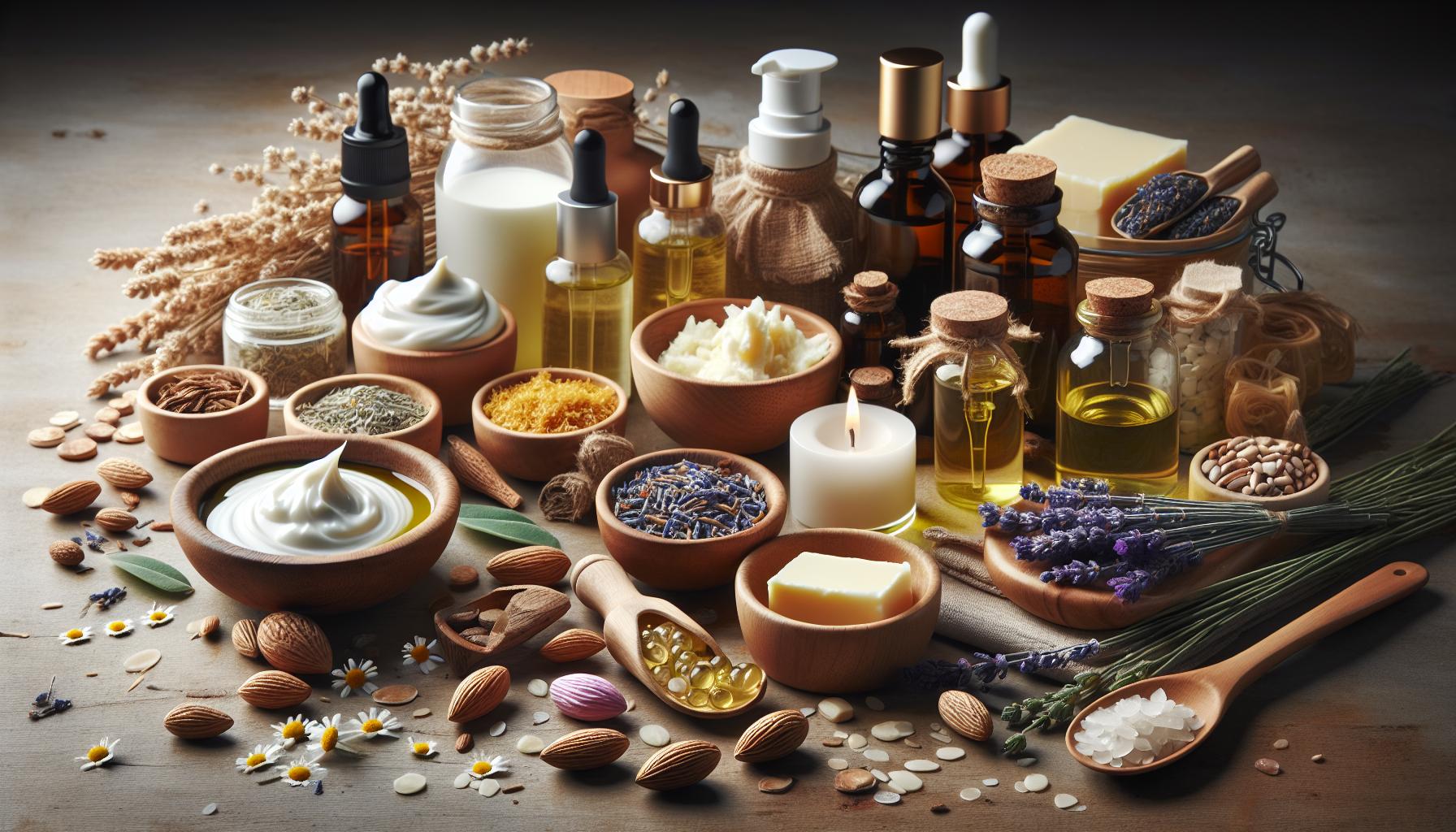
In recent years, the beauty industry has witnessed a seismic shift towards natural ingredients, capturing the attention of consumers who are increasingly health-conscious and environmentally aware. The allure of clean beauty products lies not just in their composition but also in the promise of nourishing skin without the harsh effects often associated with synthetic alternatives. However, with shelves overflowing with options, distinguishing genuine natural ingredients from synthetic fillers can become this daunting task.
Decoding Ingredient Labels
One of the first steps in evaluating skincare products is understanding how to read ingredient labels effectively. Ingredients are listed in descending order by quantity, meaning those appearing first are the most prevalent in the product. This knowledge empowers consumers to identify products that genuinely prioritize natural components over chemical additives. For example, if a product prominently features “water” as its primary ingredient, it may be less beneficial than one that lists a potent extract like “aloe vera juice” at the top.
Common Natural Ingredients
Familiarizing yourself with popular natural ingredients can further aid in making informed choices. For instance:
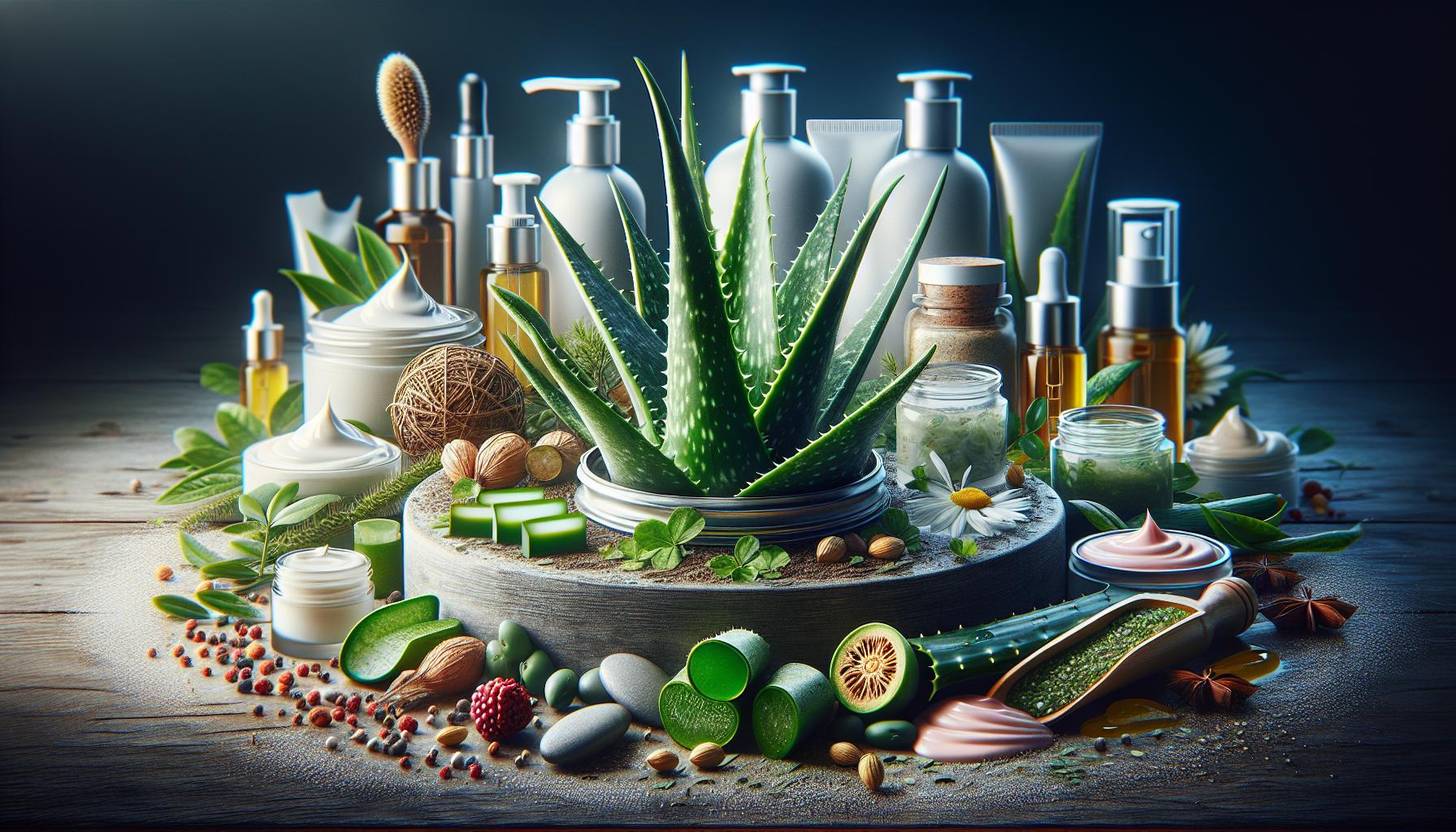
- Aloe Vera: Renowned for its soothing properties, aloe vera is often used in gels and creams that target hydration and skin irritation.
- Jojoba Oil: This oil closely resembles the natural sebum produced by our skin, making it an excellent moisturizer that balances oil production without clogging pores.
- Shea Butter: Packed with vitamins A, E, and F, shea butter is a powerhouse for deep moisturization and is especially beneficial during cold winter months when skin tends to dry out.
By knowing these ingredients, consumers can hone in on formulations that offer more than just superficial benefits. Instead, they can select products that truly contribute to long-term skin health.
Recognizing Certification Marks
Understanding certification marks is another crucial aspect of navigating the natural skincare market. Look for labels like the USDA Organic seal, which confirms that the product meets strict standards for organic farming, harvesting, and processing practices. Other certifications, such as cruelty-free or fair trade, offer additional layers of trustworthiness, ensuring that the product aligns with ethical practices.

As you explore the world of natural skincare, it is essential to equip yourself with the knowledge necessary to discern the quality of products. This journey not only enhances your skincare routine but also resonates with a growing commitment to sustainability. By taking a moment to analyze what you apply to your skin, you are making steps towards a healthier lifestyle and a more environmentally responsible future.
DISCOVER MORE: Click here to uncover the latest trends
Understanding the Nuances of Ingredient Terminology
As you delve into the world of skincare, one of the critical elements to grasp is the terminology associated with natural ingredients. Words like “natural,” “organic,” and “botanical” often flood the labels of skincare products but can sometimes be misleading. Natural does not always equate to safe or effective; similarly, terms like “eco-friendly” and “non-toxic” lack regulatory definitions. This ambiguity can make it difficult for consumers to navigate the market and feel confident about their choices.
To aid in this process, familiarize yourself with some common terms that frequently appear on ingredient lists:
- Botanical Extracts: These derive from plants and are prized for their purported benefits. However, not all plant extracts are created equal, and some may undergo extensive processing that dilutes their efficacy.
- Synthetic vs. Natural: While natural ingredients are derived from nature, synthetics can mimic these compounds. For instance, synthetic glycerin can perform similarly to its natural counterpart but lacks the inherent skin-repairing properties of the original naturally sourced form.
- Wildcrafted: This term refers to plants harvested from their natural habitat without environmental impact. Wildcrafted products can often provide heightened efficacy due to their purity and potency.
Grasping these nuances navigates the often murky waters of skincare labeling and empowers you to make more informed choices. While a product may boast natural ingredients, a deep dive into those terms will help you better assess its authenticity. Take, for example, a product that claims to be made with “natural botanicals” but contains a slew of added fragrances and preservatives; this can negate the benefits of the natural components.
Researching Ingredient Sources
To truly feel confident in your skincare selections, it’s crucial to investigate the sources of ingredients. Many reputable brands take pride in transparency and will include links on their websites detailing where their ingredients come from and how they are harvested. For instance, a skincare company that sources its rosehip oil from small, sustainable farms in Chile lends credibility to their product and signals a commitment to quality.
Additionally, if you’re curious about the origin of an ingredient, consider looking it up on databases like the Environmental Working Group (EWG) Skin Deep database. This resource provides comprehensive information about various ingredients, allowing consumers to assess their safety and potential environmental impact.
In a market saturated with diverse products, understanding ingredient terminology and researching sources is essential. By equipping yourself with this knowledge, you become a better advocate for your skin—and your health—while supporting brands that value transparency and quality. This practice not only enriches your skincare journey but also aligns with a broader vision of informed consumerism that champions integrity and awareness in the beauty landscape.
Understanding Natural Ingredients
Natural ingredients in skincare products often refer to components derived from plants, minerals, and other naturally occurring substances. To effectively identify these ingredients, familiarity with common plant-based extracts is essential. For instance, aloe vera is renowned for its soothing properties, while coconut oil serves as an excellent moisturizer. Furthermore, herbs such as chamomile and green tea are frequently utilized for their anti-inflammatory and antioxidant potential.
The Importance of Certifications
Another critical factor in identifying natural ingredients is the presence of relevant certifications on product labels. Look for labels such as certified organic or natural ingredient approved, which ensure that products meet specific standards. It’s important to note that the term “natural” is not regulated universally; hence, relying on third-party certifications provides a layer of assurance regarding product integrity.
Reading Ingredient Lists
Taking the time to read ingredient lists can dramatically improve your ability to distinguish between natural and synthetic options. Ingredients are typically listed in descending order of weight, meaning that the first few items make up the majority of the product. Watch out for common synthetic additives like parabens and sulfates, which can indicate a less natural formulation. Understanding these listings can empower consumers to make informed decisions.
| Category | Details |
|---|---|
| Plant Extracts | Derived from leaves, roots, and flowers, known for skincare benefits. |
| Organic Certifications | Ensure adherence to strict standards for natural and organic products. |
| Ingredient Transparency | Clear labeling aids informed choices, avoiding harmful synthetics. |
Incorporating knowledge about natural ingredients fosters a deeper awareness of what goes onto your skin. Like any health decision, empowerment through information is pivotal. Continuous education allows consumers to navigate the beauty industry effectively, ensuring that personal care aligns with desired values and health standards.
DISCOVER MORE: Click here for essential skincare tips while traveling
Examining Ingredient Lists Like a Pro
Now that you’re equipped with a foundational understanding of skincare terminology and the importance of ingredient sourcing, let’s dive deeper into the actual ingredient lists found on product labels. Mastering the art of reading these lists is essential for identifying natural ingredients effectively.
First and foremost, familiarize yourself with the order of ingredients. In the U.S., the Food and Drug Administration (FDA) mandates that ingredients are listed in descending order by their weight. This means that if a product claims to be rich in a particular natural ingredient like shea butter or coconut oil, it should be among the first few items on the list. If you find it listed near the bottom, it may only be present in minimal amounts, diminishing the product’s efficacy.
Next, make a note of the number of ingredients. A long, chemically laden list can be a red flag, suggesting that the product may contain fillers and synthetic components. On the other hand, products with shorter ingredient lists often point to a higher concentration of active, natural ingredients, which can lead to better results. For example, brands such as Drunk Elephant emphasize their “clean-clinical” ethos, often formulating products with fewer, more effective components.
Spotting Red Flags: Additives and Preservatives
While searching for natural ingredients, it’s equally important to be aware of potentially harmful additives. Terms like parabens, phthalates, and sulfates often indicate the inclusion of synthetic compounds, which may pose risks for both skin health and the environment. For skincare enthusiasts aiming for clean beauty, avoiding these preservatives should be a priority.
Another aspect to consider is the presence of fragrance or artificial colors. Even if a product is primarily composed of natural ingredients, the addition of synthetic fragrances can negate its benefits. These fragrances can lead to skin irritation or allergic reactions, and companies are not required to disclose the chemicals used within them. Opt for products labeled as “fragrance-free” or “unscented” to best safeguard your skin.
Utilizing Apps and Online Tools
Advancements in technology provide consumers with new avenues to decode skincare ingredients with relative ease. Various mobile applications, like Think Dirty or INCI Decoder, can aid you in identifying the nature of ingredients by simply scanning barcodes or searching product names. These applications categorize ingredients by safety ratings and provide users with transparent insights into whether ingredients are natural or synthetic, further empowering you to make well-informed choices.
Furthermore, consider checking your favorite brands’ websites for their commitment to using natural ingredients. Many companies are becoming increasingly transparent, often sharing their sourcing practices, behind-the-scenes operations, and even certifications from organizations verifying their commitments to organic or natural formulations. Brands like Tatcha and Herbivore Botanicals frequently provide educational resources for consumers, assisting them in navigating the sometimes overwhelming ingredient landscape.
By honing your skills in examining ingredient lists, being cautious of additives, and utilizing available tools, you will undoubtedly enhance your ability to identify and choose truly natural skincare products. Empowering yourself with this knowledge not only supports your skincare journey but also encourages the beauty industry to remain committed to integrity and transparency.
DISCOVER MORE: Click here for insights on natural ingredients
Conclusion: Empowering Your Skincare Choices
As consumers become more knowledgeable and discerning about their skincare choices, the ability to identify natural ingredients in products is undeniably empowering. With the right tools and understanding, you can confidently navigate ingredient lists and make informed decisions that enhance your skin’s health and vitality. As outlined in this guide, paying attention to the order of ingredients and being vigilant against harmful additives are foundational steps in your quest for clean beauty.
Moreover, leveraging innovative technology through mobile apps and online resources simplifies the process of assessing skincare products. By utilizing these tools, you can gain further insights into the ingredients that make up your skincare routine, allowing for a personalized approach that prioritizes both efficacy and safety.
In addition to adopting these practices, don’t hesitate to reach out for further information directly from brands. Many reputable companies are eager to share their commitment to transparency and sustainability, providing you with valuable knowledge regarding their ingredient sourcing and formulation processes.
Ultimately, the journey towards identifying natural skincare products is not merely about following trends; it’s about fostering a deeper connection to the products we use on our skin and, by extension, our overall health. Armed with the insights shared in this article, you have the opportunity to cultivate a skincare routine that aligns with your values, promotes well-being, and encourages a more conscious approach to beauty. So, take the plunge and start exploring, because informed choices lead to radiant results!