
The Impact of Seasonal Changes on Skincare Routines: Adapting Your Regimen for Optimal Skin Health
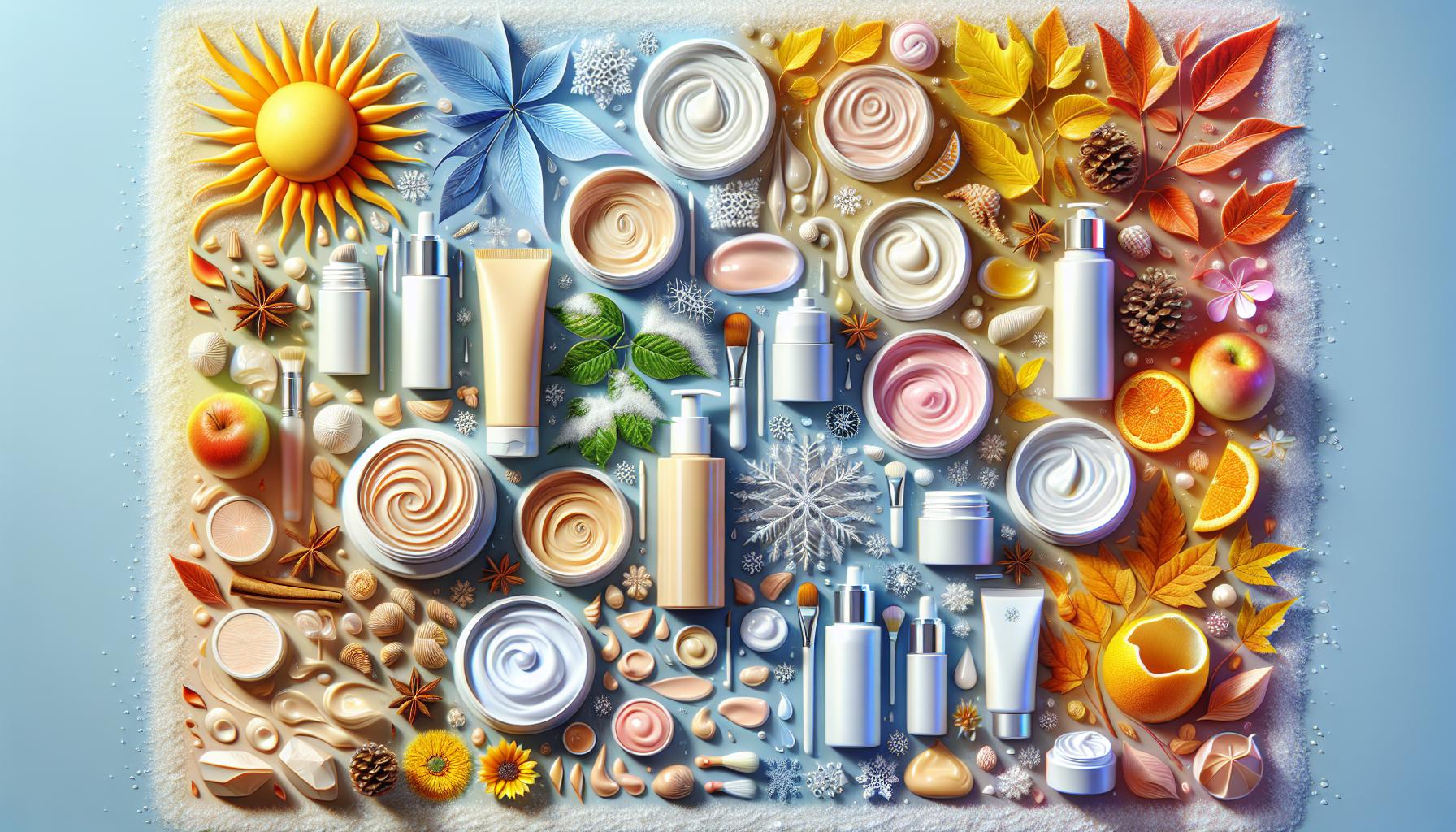
Understanding Seasonal Skincare Shifts
As the year progresses, our skin encounters numerous transformations driven by shifting environmental conditions. These fluctuations can profoundly impact not just the health of our skin but also its overall appearance. Recognizing how seasonal changes influence our skincare products and routines is crucial for preserving optimal skin health. From the biting chill of winter to the vibrant energy of summer, making small adaptations to your skincare regimen can lead to significant improvements in how your skin feels and looks.
The Importance of Adapting Your Regimen
Each season is characterized by distinct environmental traits that call for tailored skincare strategies. Understanding these shifts equips you with the knowledge to alter your routine effectively. Here’s how different seasons can affect your skincare:
- Winter: During the colder months, dry air can sap moisture from your skin, resulting in rough patches and increased sensitivity. Consider using a richer moisturizer and incorporating hydrating serums that contain ingredients like hyaluronic acid to help lock in moisture. Products with occlusives, such as petroleum jelly, can also provide an extra layer of protection against the frigid air.
- Spring: As blossoms bloom and pollen fills the air, spring brings allergens that can irritate your skin. Moreover, UV rays become stronger as the days grow longer. Implementing a broad-spectrum sunscreen is essential during this time to protect against potential sun damage. Additionally, consider using gentle exfoliants to remove dead skin cells that may accumulate due to changing weather.
- Summer: High humidity levels and increased heat can lead to sweaty, oily skin, which in turn may cause breakouts. Lightweight, non-comedogenic formulations are ideal for this season. Look for gels and fluid-like products instead of heavy creams. Ingredients like salicylic acid can help keep pores clear and prevent acne flare-ups.
- Fall: As the warm weather fades, humidity drops, signaling a return to drier air. This change often leads to skin becoming parched and dull. It’s beneficial to reintroduce rich, nourishing products filled with antioxidants to combat environmental stressors while restoring moisture. Look for ingredients such as ceramides and vitamin E to help rebuild the skin barrier.
By recognizing these seasonal shifts, you can proactively modify your skincare routines, ensuring that your skin remains healthy and vibrant throughout the year. This vigilance empowers you to choose the right products, enhancing your overall skincare strategy. Whether it’s winter dryness, spring pollen, summer heat, or autumn chill, understanding and adapting to your skin’s needs promotes a balanced, radiant complexion. Join us as we delve deeper into how to fine-tune your regimen based on the rhythms of nature, transforming your skincare journey into a more effective and personalized experience.
DISCOVER MORE: Click here to learn how to make your own skincare products
Seasonal Skin Challenges and Solutions
Adapting your skincare routine to the changing seasons is not just about comfort; it’s a smart strategy for maintaining the health and vitality of your skin. Each season presents unique challenges that can provoke reactions in our skin, prompting the need for a revisited approach to skincare. Let’s delve deeper into how the seasons impact your skin and discover strategies to combat these effects:
Winter: Combatting Dryness and Sensitivity
The dry, cold air of winter can lead to a loss of moisture, leaving skin feeling tight, dry, and more susceptible to irritation. This annual phenomenon can wreak havoc, particularly for those with naturally sensitive or dry skin. Exposure to indoor heating further exacerbates the issue. To combat winter dryness, it’s essential to:
- Switch to a thicker moisturizer: Look for formulations that contain glycerin, ceramides, or lanolin to create a barrier that locks in hydration.
- Use a humidifier: Consider adding moisture to the air with a humidifier, which can help retain skin hydration during long heating months.
- Hydrate from within: Drinking plenty of water is crucial during winter, as it helps maintain moisture levels in the skin.
Spring: Navigating Allergens and UV Exposure
As the flowers bloom and trees begin to bud, spring allergies emerge alongside more intense UV rays. These seasonal changes can lead to flare-ups for many, including redness and sensitivity. Thus, a spring skincare routine should focus on allergy management and protective measures:
- Incorporate a broad-spectrum sunscreen: The sun’s rays can increase significantly, making it crucial to use sunscreen daily, even on cloudy days.
- Gentle exfoliation: As the skin may be sluggish after winter, use exfoliants to clear away dead skin cells. Opt for products featuring alpha hydroxy acids (AHAs) or beta hydroxy acids (BHAs) to promote cell turnover without irritation.
Summer: Managing Heat and Oily Skin
Summer brings heat and humidity, which can trigger excess oil production and lead to breakouts. The key to a successful summer skincare routine is to maintain a fresh and breathable complexion:
- Use lightweight products: Transition to non-comedogenic gels, serums, and moisturizers that won’t clog pores while keeping the skin hydrated.
- Regular cleansing: Make it a habit to cleanse your face frequently to remove sweat and grime, particularly after outdoor activities. Products with salicylic acid can help manage breakouts effectively.
Fall: Replenishing and Restoring
As summer fades and temperatures begin to drop, your skin may exhibit signs of dryness and dullness. The transition into fall signals a need for replenishment. Strengthening the skin barrier should be the focus during this season:
- Reintroduce rich moisturizers: Formulas that contain antioxidants such as vitamin C or green tea extract can help combat free radicals and promote skin rejuvenation.
- Layering products: As the air begins to dry out, consider layering your skincare with a serum followed by a moisturizer, sealing in moisture effectively.
Understanding how each season fundamentally alters the skin’s condition enables us to maintain an effective skincare strategy year-round. Whether winter winds or summer humidity challenge your skin, adapting your regimen can significantly improve its resilience and appearance. Knowledge is the foundation of a vibrant skincare journey; stay tuned as we explore specific product recommendations and deep-dive techniques tailored for each season.
The Impact of Seasonal Changes on Skincare Routines: Adapting Your Regimen for Optimal Skin Health
As the seasons change, so too should your skincare routine. Each season presents unique challenges and benefits to your skin’s health, leading to the necessity for tailored skincare adjustments. Below we explore some key aspects to consider in your seasonal skincare regimen.
| Seasonal Considerations | Skincare Adjustments |
|---|---|
| Winter | Increase the use of moisturizers to combat dryness and maintain hydration. |
| Spring | Incorporate exfoliants to remove dead skin cells and prepare for increased sun exposure. |
| Summer | Use lightweight serums and sunscreens to protect against UV damage while keeping skin light and breathable. |
| Fall | Transition to richer creams that provide nourishment as temperatures drop and humidity levels change. |
Adapting your skincare routine not only helps in managing seasonal skin challenges but also enhances your overall complexion and skin vitality. Understanding your skin’s needs during these shifts is key to achieving a healthy and radiant appearance year-round. By recognizing the impact of elements like temperature, humidity, and sun exposure, you can proactively manage your skincare regimen, ensuring that your skin remains balanced and rejuvenated regardless of the season.
With meticulous adjustments in your skincare routine throughout the year, you can tackle the varying challenges each season presents, allowing your skin to thrive and maintain its optimal health.
DISCOVER MORE: Click here to learn about the latest trends in natural skincare ingredients
Personalizing Your Skincare Regimen Throughout the Year
With the knowledge of the various seasonal challenges our skin faces, it’s essential to consider how to personalize our skincare routines effectively for optimal skin health. Each individual’s skin is unique, influenced by factors such as genetics, skin type, lifestyle, and environmental influences. Adapting your regimen with a personalized approach can yield significant benefits, ensuring that your skin remains vibrant and healthy across all seasons. Here, we explore how you can tailor your skincare regimen as the seasons shift.
Identifying Your Skin Type
Before making adjustments to your regimen, it is crucial to identify your skin type, which can change with the seasons. Common skin types include:
- Oily Skin: Characterized by excess sebum production, often leading to enlarged pores and breakouts.
- Dry Skin: Skin that often feels tight, flaky, or rough, indicating a lack of moisture.
- Combination Skin: Exhibiting characteristics of both oily and dry skin, typically oily in the T-zone and dry on the cheeks.
- Sensitive Skin: Easily irritated or prone to redness and reactions from environmental triggers or certain ingredients.
Understanding your skin type is imperative to selecting the right products and adjusting your routine accordingly. For instance, oily skin may benefit from gel-based products during summer, whereas dry skin would need a rich cream formulation in winter.
Seasonal Ingredient Focus
The effectiveness of skincare products often lies in their ingredients. Different seasons call for different active ingredients to address specific issues:
- Winter: Focus on humectants (like hyaluronic acid) to attract moisture, and think about incorporating occlusives (such as shea butter) to lock in hydration.
- Spring: Incorporate antioxidants to protect against environmental stressors. Vitamin C serums are excellent for boosting brightness and combating dullness after winter.
- Summer: Utilize products containing salicylic acid for their ability to reduce oiliness and prevent acne flare-ups due to heat and sweat.
- Fall: Emphasize nourishing ingredients like essential fatty acids found in oils (e.g., rosehip oil) to restore moisture and improve skin texture.
Keen Attention to Specific Skin Concerns
Another layer of personalization involves addressing any specific skin concerns that may arise due to seasonal transitions. For example:
- Those prone to rosacea might experience exacerbations in the winter, requiring them to avoid products with alcohol or fragrance that could further inflame the skin.
- Hyperpigmentation can often worsen in the summer due to increased sun exposure; thus, daily sunscreen and brightening agents like niacinamide should be part of the routine.
- Individuals with eczema may find that their symptoms worsen in winter months, necessitating a review of both their moisturizer and their food intake to ensure hydration from the inside out.
In addition, having an annual skincare check-up with a dermatologist can be beneficial. They can guide on how to best approach any changing conditions or chronic concerns as the seasons shift. The importance of routine adjustments cannot be overstated, as proactive skincare not only addresses issues as they arise but also builds resilience against potential future skin concerns.
DIVE DEEPER: Click here to learn more
Conclusion: Embracing Seasonal Adaptations for Radiant Skin
Adapting your skincare routine according to seasonal changes is not merely a trend; it is a vital aspect of maintaining optimal skin health throughout the year. As we’ve explored, different environmental conditions necessitate shifts in our approach to skincare, from ingredient selection to product formulation. Recognizing how seasonal variations affect your skin type can empower you to implement changes that preserve hydration in winter, combat oiliness in summer, or restore radiance in the transitional months of spring and fall.
Furthermore, understanding your unique skin concerns, such as acne, eczema, or sensitivity, allows for targeted strategies tailored to each season’s specific challenges. Consider it a dialogue with your skin, where your regimen evolves alongside your body’s needs. Annual check-ups with a dermatologist can further enhance this dialogue, providing expert insights into long-term skin health strategies.
In an era where knowledge is at our fingertips, embracing the impact of seasonal changes on skincare not only helps to mitigate common issues but also lays a foundation for resilience against future challenges. By tailoring your regimen and embracing proactive care, you can ensure that your skin remains balanced and beautiful year-round. With ongoing education and a willingness to adapt, every season can be an opportunity for radiant skin health.