The Relationship Between Diet and Skin Health: What to Include in Your Routine
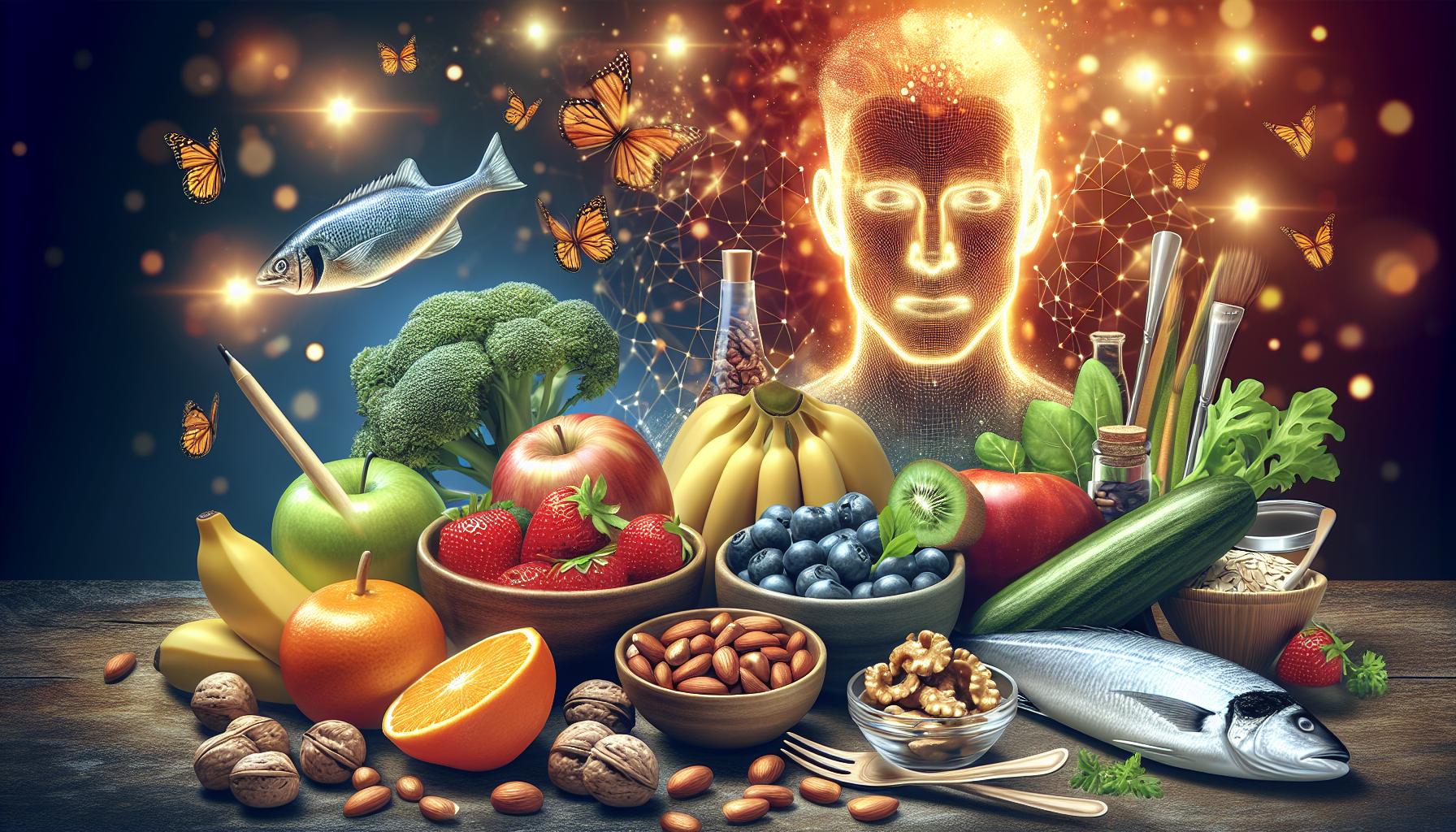
Understanding the Impact of Diet on Skin Health
It’s fascinating how the foods we consume can drastically affect our skin’s appearance and health. Many individuals often overlook this connection, focusing primarily on creams and lotions in their skincare routines. However, a growing body of research suggests that what we eat can directly influence our skin’s condition, sometimes even more than the products we apply externally.
The relationship between diet and skin health is profound, often revealing itself in the manner our skin reacts to various nutrients. To illustrate, consider the role of hydration. When you think of hydration, you might envision drinking water, but hydration also comes from the foods we consume. Fruits like watermelon and cucumbers are over 90% water, and eating them can significantly contribute to keeping your skin hydrated and looking dewy. Conversely, excessive consumption of salty and processed foods can lead to dehydration and puffiness.
Another pivotal factor to consider is the presence of essential vitamins in our diet. For instance, Vitamin C plays a critical role in collagen production, essential for maintaining youthful skin. Foods like citrus fruits, bell peppers, and strawberries are rich in Vitamin C and can aid in skin repair and rejuvenation. Similarly, Vitamin E, found in nuts and seeds, acts as an antioxidant, protecting the skin from damaging free radicals caused by sun exposure and pollution.
Speaking of antioxidants, incorporating foods that are high in these compounds can act as a natural shield against oxidative stress, a key contributor to premature aging. Berries, such as blueberries and raspberries, are excellent for combating oxidative damage due to their high anthocyanin content. The vibrant colors of these fruits signal high nutrient density, promoting not just skin health but also overall wellness.
In a culture obsessed with flawless skin, it is essential to remember that nourishing our bodies plays a crucial role in achieving that glow. By focusing on a balanced intake of vitamins, minerals, and hydration, we can foster an environment where our skin thrives.

As we move forward, this article will delve deeper into effective dietary strategies designed to boost your skin’s vitality. You will discover specific foods to prioritize and those you might want to limit, enhancing your understanding of nutrition’s role in skincare. Get ready to unearth valuable insights and practical advice that intertwine the realms of nutrition and dermatology!
DIVE DEEPER: Click here to uncover the truth behind beauty ingredients
Essential Nutrients for Radiant Skin
When it comes to achieving healthy skin, understanding the essential nutrients that support its vitality is crucial. The right balance of proteins, fats, carbohydrates, vitamins, and minerals can be the game-changer in your skincare journey. Below, we will explore some of these vital components that can help nurture and revitalize your skin.
Protein: The Building Block of Skin
Protein is indispensable for skin health as it forms the cornerstone of collagen and elastin—two crucial proteins responsible for maintaining the skin’s firmness and elasticity. Incorporating high-quality protein sources in your diet, such as:
- Lean meats (chicken, turkey, beef)
- Fish (especially fatty fish like salmon, rich in omega-3 fatty acids)
- Legumes (lentils, chickpeas, and beans)
- Nuts and seeds (almonds, chia seeds, and pumpkin seeds)
- Dairy products (Greek yogurt and cottage cheese)
These food items not only provide essential amino acids that the body requires but also support the skin’s structural integrity.
Healthy Fats: Nourishing from Within
Healthy fats are paramount in supporting skin health, particularly because they maintain the skin’s barrier function, preventing moisture loss and promoting hydration. You’ll find beneficial fats in:
- Avocados, which are rich in monounsaturated fats
- Olive oil, known for its antioxidants and anti-inflammatory properties
- Fatty fish, again, which provide omega-3 fatty acids
- Flaxseeds and chia seeds, which are excellent sources of omega-3s and fiber
Including healthy fats in your diet can help to reduce inflammation, a common culprit in skin issues such as acne and eczema.
Carbohydrates: Choose Wisely
While carbohydrates often get a bad rap, they are a vital energy source for the body. However, it’s essential to opt for whole, nutrient-dense sources rather than refined options. Whole grains, such as:
- Quinoa
- Brown rice
- Oats
These foods provide fiber along with vitamins and minerals that contribute to a healthier digestive system, which in turn reflects positively on the skin.
When it comes to maintaining optimal skin health, a substantial focus should be placed on the quality of nutrients consumed. A diet filled with whole foods rich in vitamins and antioxidants not only nourishes the skin at a cellular level but also combats free radical damage, paving the way for a more radiant complexion.
In the next sections, we will further elaborate on specific vitamins and minerals to prioritize and some dietary pitfalls to avoid. By understanding how certain foods contribute to your skin’s overall health, you can create a targeted skincare routine that addresses your individual needs.
The Impact of Nutrients on Skin Health
An essential aspect of understanding the relationship between diet and skin health revolves around the specific nutrients that our skin demands. Incorporating a diverse array of vitamins and minerals can lead to visibly healthier skin. For instance, Vitamin C plays a crucial role in collagen synthesis, a protein that helps maintain skin elasticity and firmness. Foods rich in Vitamin C, such as citrus fruits, strawberries, and bell peppers, can provide a significant boost to your skin’s overall appearance. Another important player is Omega-3 fatty acids, found abundantly in fatty fish, flaxseeds, and walnuts. These essential fats help to maintain the skin’s lipid barrier, which is instrumental in keeping skin hydrated and preventing dryness. Moreover, Omega-3s have anti-inflammatory properties that can help manage skin conditions like acne and psoriasis.Moreover, Antioxidants are pivotal in protecting your skin from oxidative stress caused by pollution and UV exposure. Incorporating foods like berries, green tea, and dark chocolate can enhance your skin’s natural defenses. In particular, compounds such as flavonoids and polyphenols have been shown to promote an even skin tone and minimize signs of aging.By being mindful of these essential nutrients and actively including them in your daily meals, you may pave the way toward transforming your skin health routine. A holistic approach that combines good dietary choices with proper hydration and skincare products can yield remarkable benefits.
| Nutrient | Benefits for Skin Health |
|---|---|
| Vitamin C | Enhances collagen production, improving elasticity and firmness. |
| Omega-3 Fatty Acids | Maintains skin hydration and reduces inflammation. |
| Antioxidants | Protects skin against oxidative stress, preventing premature aging. |
As you can see, the health of your skin can be significantly affected by what you consume. With the right dietary adjustments, you can not only enhance your skin’s appearance but can also nourish it from within for lasting benefits.
DISCOVER MORE: Click here to uncover DIY skincare secrets
Vitamins and Minerals That Boost Skin Vitality
In addition to macronutrients, vitamins and minerals play an integral role in promoting skin health. The right vitamins can act like magic potions, combating visible signs of aging, restoring skin radiance, and preventing various dermatological issues. Here, we will focus on some key vitamins and minerals that deserve a spot in your everyday diet.
Vitamin A: The Skin Rescuer
Vitamin A is crucial for skin cell production and repair, making it a fundamental part of any skin health regimen. This powerful vitamin can help combat signs of aging and protect against sun damage. Foods rich in vitamin A include:
- Carrots
- Sweet potatoes
- Spinach
- Kale
- Eggs
Incorporating these vibrant fruits and vegetables not only provides a delightful array of colors on your plate but also allows your skin to benefit from this essential nutrient.
Vitamin C: The Antioxidant Powerhouse
Vitamin C is heralded for its antioxidant properties, which help shield the skin from harmful free radicals and UV radiation. Furthermore, this vitamin is vital in synthesizing collagen, keeping the skin firm and youthful. To up your vitamin C intake, indulge in:
- Citrus fruits (oranges, grapefruits)
- Berries (strawberries, blueberries)
- Bell peppers
- Broccoli
- Kiwi fruit
Regular consumption of these foods can help brighten your complexion and promote an even skin tone.
Vitamin E: The Skin’s Guardian
Vitamin E is another remarkable antioxidant that helps reduce oxidative stress in the skin and promotes skin healing. Its moisturizing properties can significantly benefit dry and flaky skin. Rich sources of vitamin E include:
- Nuts (almonds, hazelnuts)
- Seeds (sunflower seeds)
- Avocado
- Wheat germ oil
Integrating these foods into your diet can help maintain the skin’s overall health by enhancing moisture retention and protecting against environmental damage.
Zinc: The Acne Fighter
Zinc is an often-overlooked mineral that plays a vital role in skin health, particularly for those battling acne. It helps in regulating oil production and possesses anti-inflammatory properties. Foods high in zinc include:
- Shellfish (oysters, mussels)
- Red meat and poultry
- Beans and legumes
- Nuts and seeds
- Dairy products (cheese, yogurt)
Adding these zinc-rich foods to your diet may help reduce breakouts, leading to a clearer and more resilient complexion.
By spotlighting these essential vitamins and minerals, you’re not just nourishing your body; you’re arming your skin with the nutrients it needs to thrive. Now, let’s turn our attention to some dietary pitfalls that could sabotage your skin health journey and how to circumvent them.
DISCOVER MORE: Click here to learn about the effectiveness of ingredients
Conclusion: Nourishing Your Skin from the Inside Out
In summary, the relationship between diet and skin health is both profound and multifaceted, underscoring the importance of what we consume in our daily lives. By prioritizing a diverse range of whole foods rich in vitamins, minerals, and antioxidants, you can take proactive steps to enhance your skin’s vitality and resilience. Incorporating nutrient-dense options like colorful fruits and vegetables, healthy fats from sources like avocado and nuts, and mineral-rich foods such as lean meats and beans will not only nourish your skin but also support overall health.
Furthermore, it’s crucial to remain aware of dietary pitfalls that may detract from your skin’s well-being, such as excessive sugar, processed foods, and high levels of unhealthy fats. Keeping a balanced approach will allow your skin to not only feel better but look its best as well.
As we delve deeper into our understanding of the body’s intricate systems, it becomes clear that cultivating a routine centered on nutrition has the potential to be transformative. So why not begin this journey toward better skin health today? By embracing holistic dietary strategies, you’re not just feeding your skin; you’re creating a foundation for lasting beauty and confidence. Explore new foods, unlock new recipes, and watch as your skin radiates the results of your renewed commitment to nourishing it inside and out.