The Importance of Personalization in Skincare Routines: How to Find What Works for You

Understanding Personalization in Skincare
In an era where self-care has become more than just a buzzword, skincare routines need to cater to the diverse needs of individual skins. With countless brands flooding the market with products that promise miraculous results, personalization stands out as a beacon of hope for achieving healthy, radiant skin. Tailoring your skincare regimen based on personal needs not only maximizes effectiveness but also fosters a strong bond with your skin, empowering you to understand and embrace its unique traits.
The Importance of Knowing Your Skin Type
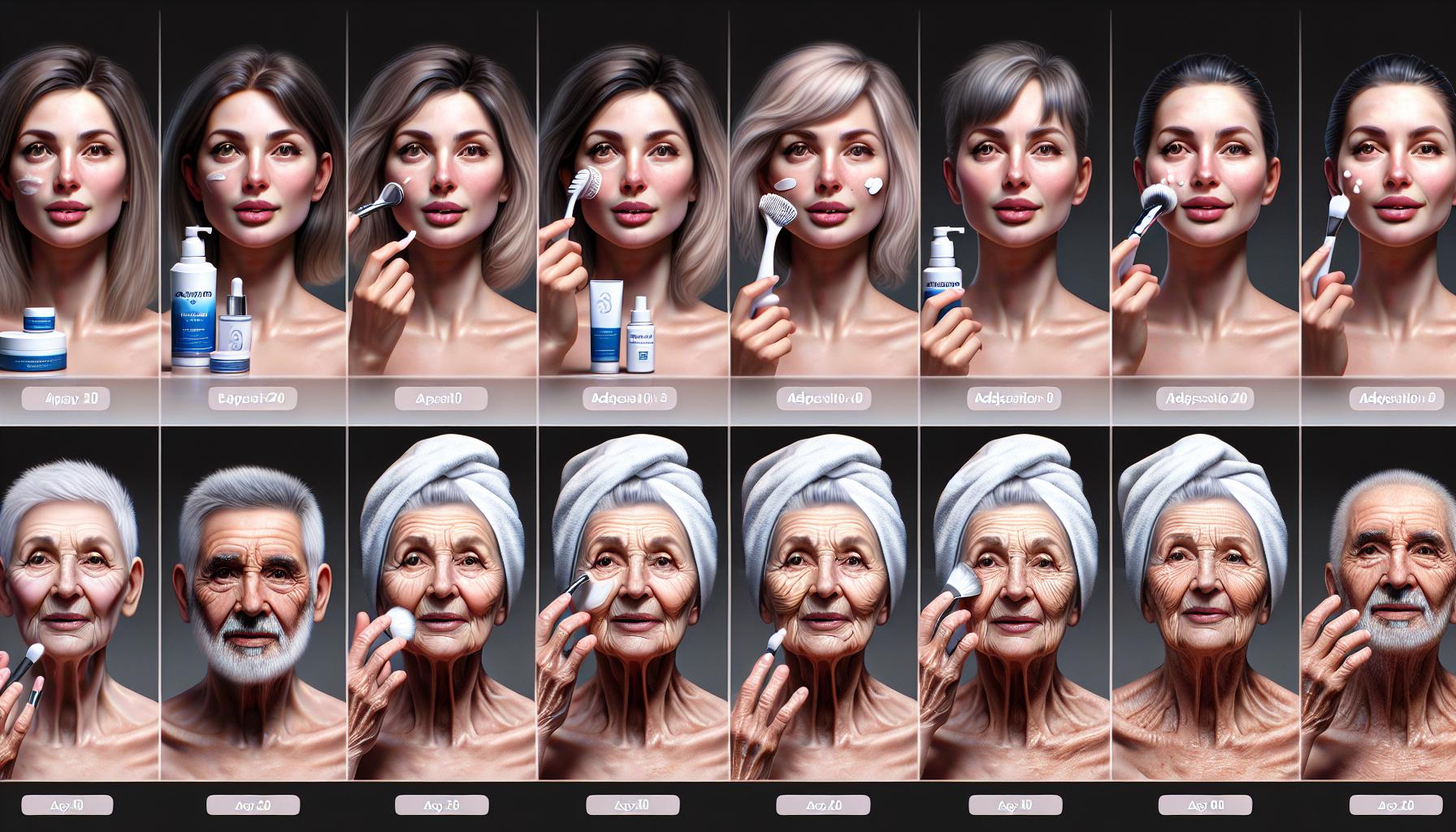
Your skin type is the foundation of your skincare routine. It shapes the path you take to maintain your skin’s health. For instance, if you have oily skin, products that are lightweight and non-comedogenic will be critical to preventing breakouts. In contrast, those with dry skin should focus on rich moisturizers containing ingredients like hyaluronic acid and shea butter to restore moisture. Meanwhile, if you fall into the combination skin category, a balanced approach using varied products on different areas of your face may be most effective. Sensitive skin requires gentle, hypoallergenic products that minimize irritation, often rich in soothing botanicals.
Deciphering Ingredients
Knowing which ingredients benefit or harm your skin is essential in the personalization journey. For instance, salicylic acid can work wonders for those suffering from acne, while vitamin C is renowned for its brightening properties and ability to combat hyperpigmentation. On the other hand, you might want to avoid products with heavy fragrances if you have sensitive skin, as this can lead to irritation. A considerable trend is the formulation of products with clean, natural ingredients that cater to conscious consumers, reflecting a growing awareness regarding skincare safety.
Targeting Specific Skin Concerns
Addressing skin concerns such as aging or acne requires targeted solutions that meet specific needs. For example, retinol products are widely recommended for combating signs of aging by boosting cell turnover and reducing fine lines. Similarly, the use of niacinamide can help to regulate oil production and enhance the skin barrier, helping those with acne-prone skin feel more secure and confident.
The Psychological Impact of Skincare
Additionally, the impact of personalized skincare extends beyond mere aesthetics; it significantly influences overall confidence and mental well-being. Studies have shown that individuals who adapt their skincare routines to their unique physiological needs report a higher level of satisfaction. This satisfaction can empower one to embrace their flaws and enhance self-esteem, ultimately translating to a more positive self-image.

As we explore further into the world of skincare, the key takeaway remains clear: understanding your specific skin needs is not just beneficial – it’s vital. By critically evaluating and customizing your products and routines, you’ll move closer to achieving that perfect skincare regimen that suits you best. It’s time to engage in a journey of discovery, unlocking the secrets to a healthier relationship with your skin.
DIVE DEEPER: Click here to uncover the latest trends
The Role of Lifestyle in Skincare Personalization
As the quest for the ideal skincare routine unfolds, it’s critical to recognize that personalization isn’t solely dictated by skin type or concerns. Your lifestyle plays a pivotal role in how your skin behaves and ultimately, how you should care for it. Factors such as diet, climate, stress levels, and even your daily activities can significantly impact your skin’s condition and needs. An understanding of these dynamics can enhance the effectiveness of your skincare products, making it essential to incorporate them into your personalized regimen.
The Impact of Diet on Skin Health
Your diet is one of the most influential factors for your skin’s appearance. A well-balanced diet rich in vitamins, minerals, and antioxidants can complement your skincare routine considerably. For instance, foods high in omega-3 fatty acids, such as salmon and walnuts, can help to decrease inflammation and keep skin hydrated. On the other hand, high-sugar diets can trigger conditions like acne and dullness. Here are some dietary considerations to keep in mind:
- Hydration: Drinking plenty of water helps maintain skin’s elasticity and moisture levels.
- Fruits and Vegetables: Dense in vitamins A and C, these can enhance skin healing and brightness.
- Healthy Fats: Foods like avocados and olive oil provide essential fatty acids that nourish and protect the skin barrier.
- Avoid Processed Foods: Steering clear of high-sugar and high-fat processed foods can prevent breakouts and improve overall skin texture.
Climate Considerations
Climate is another prominent factor to factor in your personalized routine. The temperature and humidity levels in your environment can change how your skin responds to products and treatments. For instance, individuals living in humid environments may find that they need lighter, oil-free moisturizers to avoid clogged pores. Conversely, those in dry, cold climates will benefit from richer creams and oils to fend off skin dehydration. It’s important to reassess your skincare routine with seasonal changes; what works in summer may not serve you well in winter and vice versa.
The Influence of Stress
Navigating life’s daily stresses can take a toll on your skin, leading to conditions such as dryness, breakouts, or premature aging. When your stress levels rise, your body produces more cortisol, a hormone that can break down collagen and lead to inflammation. Integrating stress-reducing techniques such as gentle exercise, meditation, or skincare rituals can work wonders for both your mental well-being and your skin. Understanding the psychological impacts of your lifestyle brings an added layer to the personalization of your skincare approach.
As you explore the interconnectedness of lifestyle and skincare, it’s vital to engage in a process of observation. By taking note of how changes in your routine affect your skin, you can refine your product selection and methods over time. Personalization in skincare is not a static process; it evolves as your skin and lifestyle do, proving that the journey to healthy, radiant skin is both an art and a science.
The Importance of Personalization in Skincare Routines: How to Find What Works for You
In today’s world, skincare is more than just a beauty routine—it’s a personalized oasis that caters to our unique skin needs. With countless products flooding the market, understanding how to tailor these offerings to your skin is crucial. Personalization is not merely a trend; it’s a necessary approach to achieving optimal skin health. By delving into the captivating landscape of individualized skincare, we can uncover how to effectively address our unique skin concerns.
The human skin varies not only by type—oily, dry, combination, or sensitive—but also by genetics, environment, diet, and age. This complexity suggests that the one-size-fits-all approach is ineffective in skincare. For instance, individuals with oily skin types may benefit from lightweight, non-comedogenic products that control shine without clogging pores. In contrast, those with dry skin often require richer, hydrating formulations that replenish lost moisture. By examining your skin’s requirements, you can gauge what works best and avoid unnecessary product layering that can lead to irritation or other adverse effects.
An increasing number of brands are leveraging innovative technologies, such as AI and microbiome analysis, to offer personalized skincare solutions. Algorithms can analyze selfies or responses to skin-type quizzes and recommend products tailor-made for you. This personalization revolution not only eases the overwhelming choice of products but also empowers consumers to make informed decisions rooted in their precise skincare specifications.
Moreover, continuous adaptation as your skin changes is key. Skin can be influenced by external factors like seasonal shifts, hormonal changes, and lifestyle alterations. Regularly assessing your skincare routine ensures it aligns with your skin’s current state. This flexible approach amplifies effectiveness, allowing users to dynamically engage with their skin rather than adopting a static routine that may become obsolete over time.
Understanding the ingredients in skincare products is paramount in the quest for personalization. For instance, if you’re struggling with acne, active ingredients like salicylic acid or benzoyl peroxide may be beneficial. Alternatively, if you’re facing signs of aging, retinoids or peptides should be prioritized. Knowing the strengths of each ingredient and how they interact with your specific skin type enables you to craft a routine that not only addresses your current needs but also anticipates future skin challenges.
As the landscape of skincare evolves, so does the understanding of what works best for each individual. Engaging with professionals—whether through dermatology consultations or skincare specialists—can provide invaluable insights tailored to your skin’s requirements. It’s an exciting time to explore the possibilities of personalized skincare, pushing the boundaries of traditional beauty routines while embracing a more informed and holistic approach to skin health.
| Category | Key Features |
|---|---|
| Tailored Formulations | Ingredients customized to your skin type and concerns |
| Ongoing Adjustments | Routine evolves with changes in skin condition and environment |
Personalization in skincare encapsulates a transformative journey that educates consumers on their skin’s unique characteristics, leading to healthier skin outcomes and a more satisfying beauty routine.
DISCOVER MORE: Click here for tailored skincare tips
The Significance of Individual Skin Concerns and Goals
While lifestyle factors play a foundational role in skincare personalization, individual skin concerns and personal goals must also be front and center. Each person’s skin is unique, presenting different issues and characteristics that evolve over time due to various influences such as age, hormonal changes, and exposure to environmental stressors. When it comes to crafting an effective skincare routine, understanding and addressing these personalized factors can markedly improve outcomes.
Understanding Skin Types and Conditions
Before diving into product selection, it’s essential to accurately assess your skin type. The most common skin types include:
- Normal: Balanced levels of moisture and oil.
- Oily: Excess oil production can lead to shine and breakouts.
- Dry: May feel flaky and tight, often needing more hydration.
- Combination: A mix of oily and dry areas, typically an oily T-zone.
- Sensitive: Easily irritated by products, environmental changes, or stress.
In addition to skin types, specific skin conditions such as acne, hyperpigmentation, eczema, or rosacea require targeted treatments. For instance, those dealing with acne might benefit from products containing salicylic acid or benzoyl peroxide, whereas individuals facing hyperpigmentation can opt for formulas with vitamin C or retinoid components.
Setting Realistic Skincare Goals
Just as diverse as skin types, people have distinct skincare goals—whether it’s achieving an even skin tone, reducing fine lines, or enhancing hydration. It’s imperative to establish realistic and achievable objectives based on your skin type and condition. For example:
- If your goal is to reduce signs of aging, incorporating retinoids gradually into your routine can foster cell turnover and collagen production.
- For those desiring brighter skin, the addition of exfoliating acids like AHAs can remove dead skin cells and reveal a youthful glow.
- If maintaining a balanced complexion is your priority, make sure to regularly use non-comedogenic products to avoid any clogging of pores.
Moreover, engaging with a skincare professional, such as a dermatologist or esthetician, can significantly enhance your personalized journey. With their expertise, they can provide tailored recommendations and often suggest treatment options that may not be available over-the-counter, such as prescription medications or in-office procedures.
The Importance of Patch Testing
Another crucial aspect of personalization in skincare is understanding how your skin reacts to new products. Patch testing is a simple yet effective method to prevent potential adverse reactions. This process involves applying a small amount of a new product on a discreet area of your skin, usually on the inner wrist or behind the ear, and observing for any irritation or breakout within 24-48 hours. This precaution can save you from possible skin disasters and refine your routine to align with your individual skin’s needs.
Ultimately, recognizing and respecting your individual skin concerns and goals is a significant step in revolutionizing your skincare journey. By approaching your regimen thoughtfully and with strategy, you empower yourself to achieve the radiant complexion you desire.
DISCOVER MORE: Click here for cutting-edge anti-aging solutions
Conclusion: Embracing Personalization for Optimal Skin Health
As we’ve explored, the journey towards achieving glowing, healthy skin is far from one-size-fits-all. The importance of personalization in skincare routines cannot be overstated. A thorough understanding of your unique skin type, individual concerns, and specific goals is pivotal in devising an effective skincare regimen. Whether you are battling dryness, combating acne, or striving for a youthful glow, tailor-made solutions exist for everyone.
Engaging with professionals such as dermatologists or estheticians not only broadens your knowledge but also provides you with invaluable insights into suitable products and treatment options tailored to your skin’s needs. Additionally, a commitment to patch testing enables you to introduce new products safely, minimizing the risk of irritation and setbacks.
Ultimately, personalization in your skincare journey is an empowering process. By actively listening to your skin and adapting your routine accordingly, you open doors to a wealth of confidence and radiance. Remember, the path to the perfect skincare routine is paved with patience, experimentation, and a willingness to understand what truly works for you. As you embark on this personalized quest, keep exploring and refining your choices, and you may find the key to unlocking the best version of your skin.