The Rise of Sustainable Beauty Products: Trends and Innovations
Shifting Consumer Priorities
The ongoing transformation in the beauty industry reflects a growing commitment among consumers towards sustainability and eco-friendly products. This evolving demand is not merely a fleeting trend; instead, it signifies a profound rethinking of what consumers expect from beauty brands. As they become increasingly aware of the environmental implications of their choices, buyers are favoring products from brands that place a strong emphasis on ethical practices and sustainability.
Recent studies bolster this shift, revealing that over 70% of consumers actively prefer brands that demonstrate a genuine commitment to sustainable practices. This statistic highlights a profound consumer consciousness regarding the impact of their purchases. Moreover, the surge in sales of sustainable beauty products by 30% in recent years illustrates a tangible shift in spending patterns. It is no longer about just enhancing beauty but also about ensuring that the impact of those products on the planet is taken into consideration.
Emerging Innovations
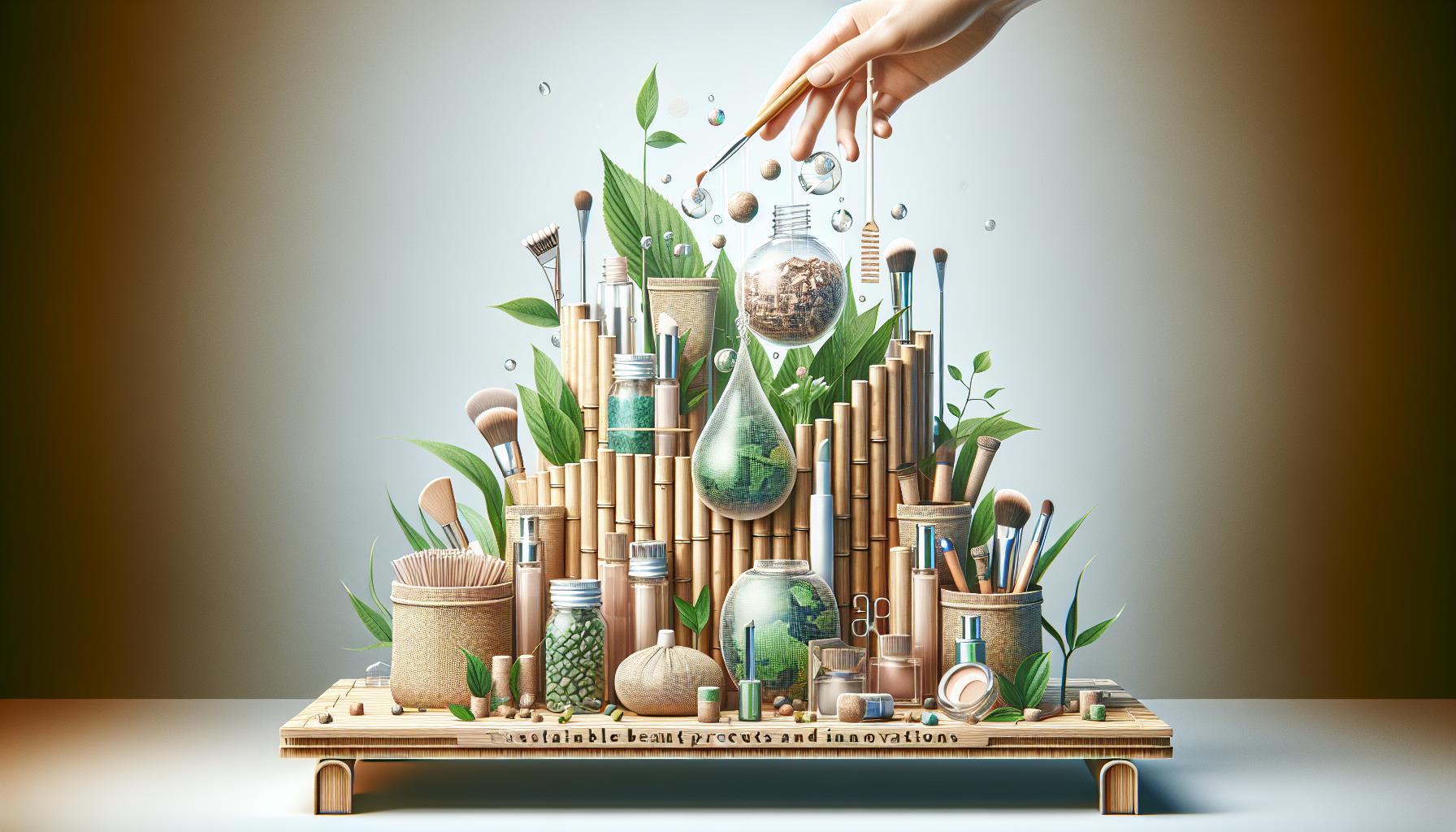
The beauty industry is responding to these changing preferences with groundbreaking innovations that align with these eco-conscious values. One such advancement is the introduction of biodegradable packaging, designed to reduce waste and lessen the ecological footprint of beauty products. As many consumers are familiar, traditional plastic packaging can take centuries to decompose, creating a dire need for sustainable alternatives.
In addition, cruelty-free formulations are gaining traction, as consumers increasingly seek products that are not tested on animals. This growing market segment demonstrates that ethical considerations are becoming as essential as beauty results for many shoppers. Furthermore, the trend of refillable containers is also emerging, allowing customers to purchase refills instead of new products. This not only cuts down on waste but also promotes a circular economy where resources are reused effectively.
A Balancing Act for Manufacturers
As brands strive to meet these evolving expectations, the challenge lies in striking a harmonious balance between performance and sustainability. For manufacturers, this means investing in research and development to create formulations that are both effective and environmentally friendly. Companies are exploring a variety of natural sources for ingredients, shifting towards plant-based formulations that offer benefits without compromising ecological integrity.

As awareness about environmental issues continues to rise in the United States, the beauty industry stands at a pivotal crossroads. Brands committed to sustainability not only attract more customers but also enhance their brand loyalty, fostering a community of consumers who value ethical practices. This paradigm shift will likely reshape the cosmetics landscape, paving the way for innovative practices that contribute positively to both beauty and the environment.
In this article, we will dive deep into the latest trends and innovations within the realm of sustainable beauty products. We will unveil the practices reshaping the industry and explore the implications for the future of cosmetics in the United States. Stay tuned as we navigate through this fascinating transition, uncovering what it means for consumers and the environment alike.
DISCOVER MORE: Click here for natural solutions
Innovative Ingredients Shaping Sustainability
An essential component of the rise of sustainable beauty products is the focus on innovative ingredients that not only enhance efficacy but also prioritize ecological impact. Increasingly, brands are pivoting to natural and plant-based formulations, which are attractive not only for their clean profiles but also for their reduced environmental footprint. These ingredients often come from renewable resources and can be harvested sustainably, setting a standard for responsible sourcing.
Among the rising stars in the ingredient world are formulations derived from algae, hemp, and shea butter. Algae, for instance, is rich in nutrients and known for its skin-conditioning properties. Being fast-growing and highly renewable, algae can yield impressive benefits without draining resources. Meanwhile, hemp is celebrated for its versatility and minimal environmental impact, making it a favorite among eco-conscious producers.
Consumer Transparency and Education
The demand for sustainability is matched by a critical need for transparency. Today’s beauty shoppers seek information not only about the ingredients in their products but also the practices used in their production. Brands are increasingly responding by adopting clean labeling practices, which provide consumers with clear insights into the origins and impacts of the ingredients they purchase. This transparency fosters trust, encouraging consumers to make informed decisions aligning with their values.
Furthermore, education plays a vital role in the sustainable beauty movement. Many companies are actively engaging their consumers through campaigns that highlight the importance of sustainability and the environmental implications of their beauty choices. In fact, brands are leveraging digital platforms to spread awareness about:
- The importance of recycling packaging
- Understanding ingredient sources
- The benefits of cruelty-free and vegan options
This educational outreach not only positions brands as thought leaders but also charges consumers with the knowledge necessary to be ethical participants in the beauty economy.
A Look at Industry Leaders
Several beauty brands have stepped up as pioneers in the sustainable arena, setting benchmarks for others to follow. Companies like Fenty Beauty and Bare Minerals have made significant headway by integrating sustainable practices into their product development and marketing strategies. Fenty, for instance, has announced plans to invest in refillable packaging solutions, while Bare Minerals emphasizes mineral-based formulas that are free from harmful chemicals and prioritize skin health.
Moreover, startups like Flower Hill Institute are making headlines for their commitment to empowering marginalized communities through sustainable beauty practices. By sourcing ingredients from local farmers and emphasizing fair trade, these organizations highlight that sustainability also involves a social justice angle, creating a ripple effect of positive change throughout the industry.
This shifting landscape begs the question: What does the future hold for sustainable beauty? As consumer expectations continue to evolve, industry players will need to adapt quickly, prioritizing sustainability in ways that resonate with their audience while delivering effective, high-quality beauty solutions.
| Sustainable Ingredients | Benefits of Natural Components |
|---|---|
| Organic botanicals | Support Eco-Friendly Practices by utilizing renewable resources. Products like essential oils and plant extracts are celebrated for their potency and purity. |
| Biodegradable packaging | Reduces Environmental Impact through materials that break down over time, lessening landfill waste and pollution. |
As the demand for beauty products that align with sustainability principles rises, brands increasingly focus on using organic botanicals such as aloe vera, green tea, and various essential oils. These natural components not only offer effective beauty solutions but also reflect a growing consumer preference for products that do not harm the planet. Furthermore, the introduction of biodegradable packaging serves as a testament to innovation in the industry. By shifting away from traditional plastic, companies contribute to a circular economy and encourage responsible consumption. This significant trend highlights how the beauty industry is evolving, with an emphasis on ethical standards and environmental accountability. Not only do these sustainable products appeal to environmentally conscious consumers, but they also pave the way for broader industry practices that prioritize both beauty and sustainability.
DIVE DEEPER: Click here to uncover more about customized beauty treatments
Shifting Packaging Paradigms
As consumer awareness about environmental issues grows, sustainable packaging has become a focal point in the beauty industry. Traditional beauty product packaging often contributes significantly to waste, prompting brands to find innovative ways to minimize their environmental impact. Efforts to transition toward eco-friendly packaging materials are gaining momentum, with many brands opting for biodegradable, recyclable, or compostable options that align with their sustainable ethos.
For instance, brands like Lush have established themselves as leaders by implementing “naked” packaging—offering solid products without any packaging at all. This innovative approach significantly reduces waste and encourages consumers to rethink their consumption habits. Furthermore, brands such as Ethique offer beauty bars that eliminate plastic bottles entirely, appealing to consumers eager to reduce their plastic footprint.
Notably, the beauty industry is also embracing refillable packaging solutions, a trend that helps cut down on single-use containers. Companies like Yves Saint Laurent and Guerlain have launched initiatives where users can return empty containers for refills, thereby encouraging a circular economy within the sector. Such strategies not only enhance sustainability but also foster customer loyalty by providing a unique, interactive experience.
The Power of Certification and Standards
With the increasing proliferation of sustainable beauty products on the market, industry certifications have become essential tools for consumers looking for trustworthy options. Certifications from credible organizations, such as Leaping Bunny (for cruelty-free products) and USDA Organic, add a layer of assurance that brands genuinely adhere to sustainable practices. As shoppers become more discerning, these labels can serve as a key differentiator in a crowded marketplace.
Beyond specific certifications, some brands are partnering with third-party organizations to evaluate and validate their sustainability efforts rigorously. For example, brands like CertClean provide businesses with an effective assessment framework to support their clean beauty claims and reinforce consumer trust. As such practices gain traction, consumers can feel confident in their purchases, knowing they are supporting brands committed to sustainability.
Technological Innovations Driving Change
As the beauty industry evolves, technology plays a critical role in advancing sustainability efforts. Innovations in formulation science have led to the development of fully bio-based ingredients created through fermentative processes, minimizing reliance on petrochemicals and artificial additives. Companies are pioneering techniques that reduce environmental impact while maintaining product effectiveness.
Furthermore, technology is being harnessed to enhance brand transparency through blockchain applications, which provide consumers with traceability regarding the sourcing of ingredients and supply chain practices. This level of transparency not only reinforces brand integrity but also empowers consumers to support brands that align with their values. By employing these innovations, beauty brands can engage ethically-minded consumers in a way that builds both community and environmental responsibility.
The convergence of these elements—the search for sustainable packaging, the importance of certifications, and the influence of technology—highlights an exciting shift in the beauty industry. As brands continue to innovate and evolve, the trajectory of sustainable beauty products promises to reshape consumer expectations and industry standards alike.
Dive deeper: Click here to discover how to make your own skincare products at home
Conclusion: Embracing an Eco-Conscious Future in Beauty
The evolution of sustainable beauty products marks a promising chapter in the industry, driven by a collective consciousness prioritizing environmental and ethical considerations. As consumers increasingly demand choices that align with their values, brands are responding through innovative practices that redefine traditional norms, making sustainability an integral aspect of beauty.
The shift toward eco-friendly packaging, supported by innovative solutions like refillable containers and zero-waste products, is revolutionizing how beauty items are presented and consumed. Initiatives from industry leaders, coupled with the adoption of credible certifications, are not only building trust but also elevating consumer expectations. With transparency enhanced by technological advances such as blockchain, shoppers can now trace the origins of their products, reinforcing a sense of responsibility in their purchasing behavior.
Looking ahead, the confluence of innovative formulations, eco-conscious packaging, and transparent practices suggests an industry ripe for transformation. As more beauty brands commit to sustainability, they pave the way for a more conscientious market landscape. This trend presents an exciting opportunity for consumers to explore their choices, knowing they play a pivotal role in supporting sustainable practices. As the beauty industry continues to evolve, embracing these principles will not only enhance our personal care regimes but also contribute to a healthier planet.
Ultimately, the rise of sustainable beauty products is not just about innovation; it’s about creating a movement that prioritizes well-being—both for the consumer and the Earth. As we witness this transformation, it becomes increasingly clear that the path forward lies in balancing beauty with responsibility, paving the way toward a more sustainable future.