The Influence of Natural Cosmetics in the Beauty Industry: Changes and Challenges
Changing Consumer Preferences
In recent years, the beauty market has witnessed a marked shift as consumers become increasingly aware of the ingredients in their cosmetics. Driven by a growing interest in health and wellness, many individuals are steering clear of products laden with synthetic chemicals. Instead, they are gravitating toward natural cosmetics, which are typically formulated with ingredients derived from plants, minerals, and other organic sources. This surge in demand reflects a wider trend that prioritizes both personal well-being and environmental stewardship.
Benefits of Natural Cosmetics
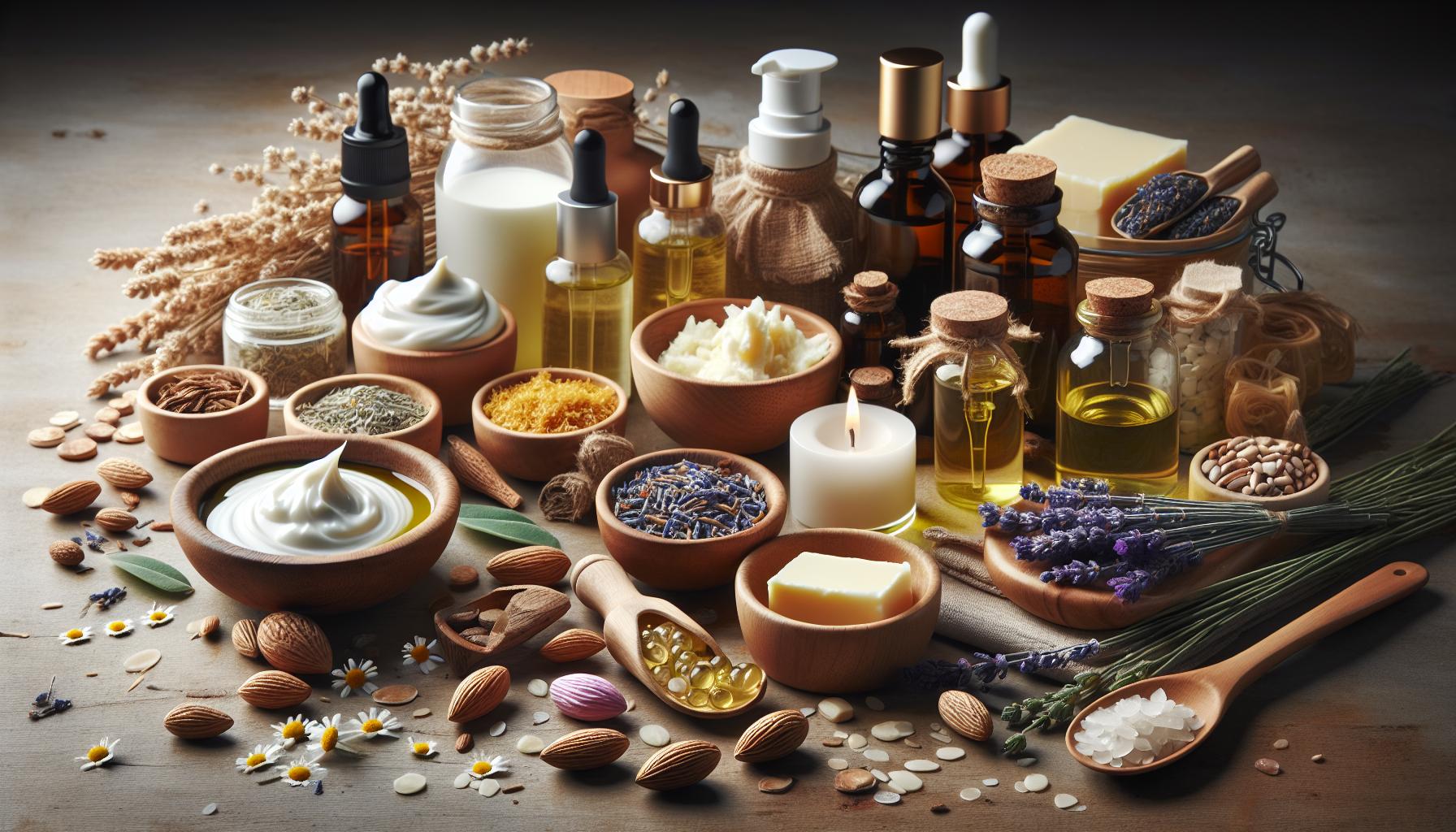
One of the most alluring aspects of natural cosmetics is the use of plant-based ingredients. From soothing aloe vera in moisturizers to finely milled volcanic ash in exfoliants, these products harness the power of nature to promote skin health without the side effects commonly associated with harsh chemicals. For instance, studies indicate that natural ingredients like jojoba oil and shea butter can provide superior hydration while being gentler on the skin than their synthetic counterparts.
Furthermore, eco-friendly packaging has emerged as a key selling point for brands committed to sustainability. Many companies are innovating with recyclable or biodegradable materials, appealing to environmentally-conscious consumers. Brands like Lush and Little Seed Farm are leading by example, opting for minimal packaging or reusable containers that reduce waste.
Animal welfare is another crucial pillar of the natural cosmetics movement. With an increasing number of consumers expressing concern over animal testing, brands that proudly adopt cruelty-free policies are gaining significant traction. By choosing to support companies like Too Faced and Urban Decay that do not test on animals, consumers are making a statement about their values while also benefiting from high-quality, effective products.
Challenges Facing the Industry
Despite its growth, the natural cosmetics sector is not without challenges. Navigating regulatory standards can be a complex undertaking. The term “natural” lacks a cohesive definition in many jurisdictions, making it difficult for consumers to differentiate truly natural products from those with misleading labels. This ambiguity has sparked debates among industry experts about the need for stricter regulations to protect consumers.

Moreover, the influx of new brands has led to heightened market saturation. With so many products vying for consumer attention, companies often face the uphill task of distinguishing themselves from rivals. Innovative marketing strategies and unique offerings become essential in a crowded marketplace to capture consumer interest and loyalty.
Lastly, consumer skepticism poses a notable hurdle. With numerous brands claiming ‘natural’ status, discerning quality from misleading marketing can be daunting for buyers. Educating consumers about the authentic nature of ingredients and the ethical commitments of brands is imperative for fostering trust and encouraging informed purchasing decisions.
Conclusion
As the beauty industry evolves, understanding the influence of natural cosmetics will remain vital for both businesses and consumers navigating this complex landscape. This journey not only reflects changing consumer values but also highlights a critical dialogue surrounding health, wellness, and sustainability. With ongoing discussions about safety, authenticity, and efficacy, the future promises an exciting chapter for the natural cosmetics movement.
DIVE DEEPER: Click here to discover the importance of customized skincare
Innovations in Product Development
As the demand for natural cosmetics surges, brands are finding innovative ways to develop products that resonate with the modern consumer’s preferences. One notable trend is the use of advanced extraction techniques, which allow manufacturers to harness potent active ingredients from plants without compromising their integrity. For instance, cold-press extraction maintains the nutritional benefits of ingredients like avocado and argan oil, leading to products that are both effective and trustworthy.
Another fascinating area of innovation is biotechnology in cosmetics. Companies are increasingly incorporating lab-created natural ingredients that mimic the benefits of traditional botanical ingredients while ensuring consistent quality. For example, lab-grown collagen has entered the market, promising to deliver results comparable to traditional sources while eliminating ethical concerns related to animal-derived components.
The Rise of Clean Beauty
Simultaneously, the clean beauty movement has accelerated the acceptance and popularity of natural formulations. This trend emphasizes transparency regarding ingredient sourcing and manufacturing processes. Customers are now more inclined to research brands, identifying those that align with their personal values regarding health and environmental impact.
In response to this movement, many companies have begun adopting simpler formulations with minimal ingredients. An increasing number of consumers are advocating for multifunctional products—items designed to serve several purposes, such as skincare-makeup hybrids. Brands like Beautycounter and RMS Beauty exemplify this approach, offering products that, for instance, moisturize the skin while providing color or sun protection, catering to the busy lifestyles of today’s consumers.
- Simplicity in Ingredients: The focus on fewer ingredients aligns with consumers’ desires for products that are easy to understand and use.
- Transparency: Brands are now more willing to disclose their ingredient lists and sourcing practices, fostering trust with customers.
- Adaptability: The boom in natural cosmetics has led to the creation of products suited for various skin types and concerns, like sensitive skin or acne-prone skin, enhancing market appeal.
The Role of Social Media
Social media platforms also play a critical role in shaping the landscape of natural cosmetics. Influencers and content creators are pivotal in swaying consumer opinions and driving trends. Through platforms such as Instagram and TikTok, brands can showcase their products while emphasizing transparency and authenticity, thereby reaching a broader audience. This digital environment has amplified consumer demand for products that are not just effective but also beautifully packaged and aesthetically pleasing on social media feeds.
The impact of the organic and natural beauty trend is not limited to established brands. Smaller, independent companies are breaking into the market, offering niche products that appeal to specific consumer desires. These brands often emphasize artisanal craftsmanship or regionally sourced ingredients, enhancing their allure through storytelling and community engagement. This democratization of the beauty industry is a testament to the profound influence of natural cosmetics.
The Influence of Natural Cosmetics in the Beauty Industry: Changes and Challenges
The wave of natural cosmetics is not just a fleeting trend; it marks a significant shift in consumer preferences and industry practices. The rise of eco-conscious consumers has led beauty brands to prioritize sustainability and transparency in their product offerings. Companies are increasingly challenged to reformulate products to eliminate harmful chemicals once deemed acceptable. As a result, the industry is witnessing a renaissance where botanicals, organic ingredients, and green chemistry take center stage.
This movement is largely fueled by rising awareness surrounding health and environmental issues. Shoppers are more educated than ever and demand clean beauty formulations that enhance their well-being without compromising on performance. With research indicating that nearly 70% of consumers consider ingredient safety before a purchase, brands found lacking in this aspect face dire consequences.
Moreover, social media has amplified the demand for natural cosmetics. Influencers emphasize the importance of looking good without compromising health, and beauty enthusiasts share their experiences with clean brands, making clear that performance can go hand-in-hand with safety. This cultural shift presents both opportunities and challenges; brands must adapt to keep up with the rapid pace of change while ensuring ethical practices are maintained.
| Category 1 | Category 2 |
|---|---|
| Sustainability | Focus on eco-friendly packaging and processes. |
| Ingredient Transparency | Detailed disclosure of components used. |
However, amidst this positive change, challenges like the certification of products and maintaining quality while using natural ingredients persist. As brands navigate these hurdles, they need to balance consumer expectations with industry regulations. The importance of regulatory compliance can’t be overstated in a continuously evolving landscape where credibility is key.
In conclusion, the influence of natural cosmetics is reshaping the beauty industry, pushing it toward a more responsible future. While brands grappling with these changes face obstacles, they also have an exhilarating opportunity to innovate and lead the market sustainably.
DIVE DEEPER: Click here to discover the latest trends
Consumer Education and Awareness
In the era of information, consumer education has taken center stage, influencing the natural cosmetics landscape. As customers increasingly prioritize wellness and sustainability, their understanding of ingredients found in personal care products has grown. Through blogs, podcasts, and educational channels, people are becoming more informed about the potential harm of synthetic chemicals and the benefits of natural alternatives. This knowledge drives demand for brands that not only tout simplicity but also highlight the efficacy of plant-based ingredients.
Furthermore, the emergence of certifications—such as the USDA Organic and the Cosmos Organic label—has become a pivotal aspect of consumer trust. These designations are aimed at assuring consumers that the products they purchase meet specific standards of organic practices. As shoppers become more discerning, they are inclined to favor companies that invest in third-party verification, which serves as an additional layer of credibility and assurance. In a world of greenwashing, these certifications are essential for brands seeking to establish authenticity.
Regulatory Challenges and Industry Standards
Despite the remarkable growth and consumer interest in natural cosmetics, the industry faces notable regulatory challenges. In the United States, there has been a growing call for clearer regulations regarding the labeling of natural ingredients. Currently, the FDA does not have a formal definition for “natural,” leading to discrepancies and confusion. This ambiguity allows certain brands to exploit the term without truly adhering to natural principles. As such, advocates are pushing for more stringent guidelines that would help distinguish genuine products from deceptive marketing.
Similarly, the rise in consumer preferences for vegan, cruelty-free, and eco-friendly products promotes the need to set higher benchmarks for the industry. Companies must navigate a landscape of certifications, consumer expectations, and regulatory bodies, all while trying to maintain profitability. Striking this balance is paramount for brands poised to thrive amidst competition and unprecedented scrutiny.
Sustainability and Environmental Impact
The concern for sustainability extends beyond product formulation; it encompasses packaging and supply chains as well. Brands are increasingly looking at ways to reduce their environmental footprints by utilizing recyclable or biodegradable packaging. In fact, industry leaders like Lush and Aesop are recognized for their commitment to sustainability, opting for minimal packaging and emphasizing refillable options. This shift reflects consumer expectations for brands to not only enhance personal beauty but also protect the planet.
Additionally, sourcing raw materials responsibly is crucial in the natural cosmetics landscape. Ethical sourcing practices ensure that ingredients are cultivated without exploiting local communities or damaging ecosystems. Brands are adopting transparent supply chains that allow consumers to trace the origin of their products, thereby fostering a sense of connection and responsibility.
The future of the beauty industry appears to align closely with the principles of sustainability and naturality. As innovations continue to emerge and consumer demands evolve, companies that fail to adapt may find themselves at risk of losing relevance. This ecosystem, marked by a blend of enhanced consumer awareness, regulatory challenges, and sustainable practices, underscores the influential and transformative nature of natural cosmetics in the ever-changing beauty realm.
DIVE DEEPER: Click here to discover the impact of social media on skincare trends
Conclusion
The beauty industry is undergoing a remarkable transformation, driven by the influence of natural cosmetics and the evolving values of consumers. As awareness surrounding the implications of synthetic ingredients heightens, customers are making more informed choices, favoring products that align with their wellness and sustainability aspirations. This trend is not just a fleeting wave; it signifies a fundamental shift in how beauty is perceived and pursued.
While consumer advocacy and education pave the way for authentic change, the industry grapples with regulatory challenges. The absence of a standardized definition for “natural” can lead to confusion and exploitation, underscoring the need for stricter guidelines to protect consumers from misleading claims. Furthermore, with rising expectations for ethical and sustainable practices, brands must navigate a complex landscape of certifications that resonate with their target audience—fostering loyalty and trust.
Ultimately, the pursuit of sustainability transcends product formulation to encompass packaging and supply chain ethics, forming a holistic approach to beauty that aligns with eco-conscious living. Innovative brands that prioritize both efficacy and environmental responsibility are likely to thrive in this competitive market. As the intersection of nature and beauty continues to evolve, stakeholders must commit to transparency and authentic practices to build a future that celebrates not only the art of beauty but also the integrity of our planet.
With the winds of change favoring natural cosmetics, the invitation for exploration remains open. As consumers, brands, and advocates collectively shape the future of beauty, a holistic understanding of the intricate dynamics at play can foster a landscape that empowers us all. This journey is far from over, and as more individuals turn to natural solutions, the beauty industry’s landscape may see even greater transformations ahead.