The Shift Towards Inclusivity in Beauty
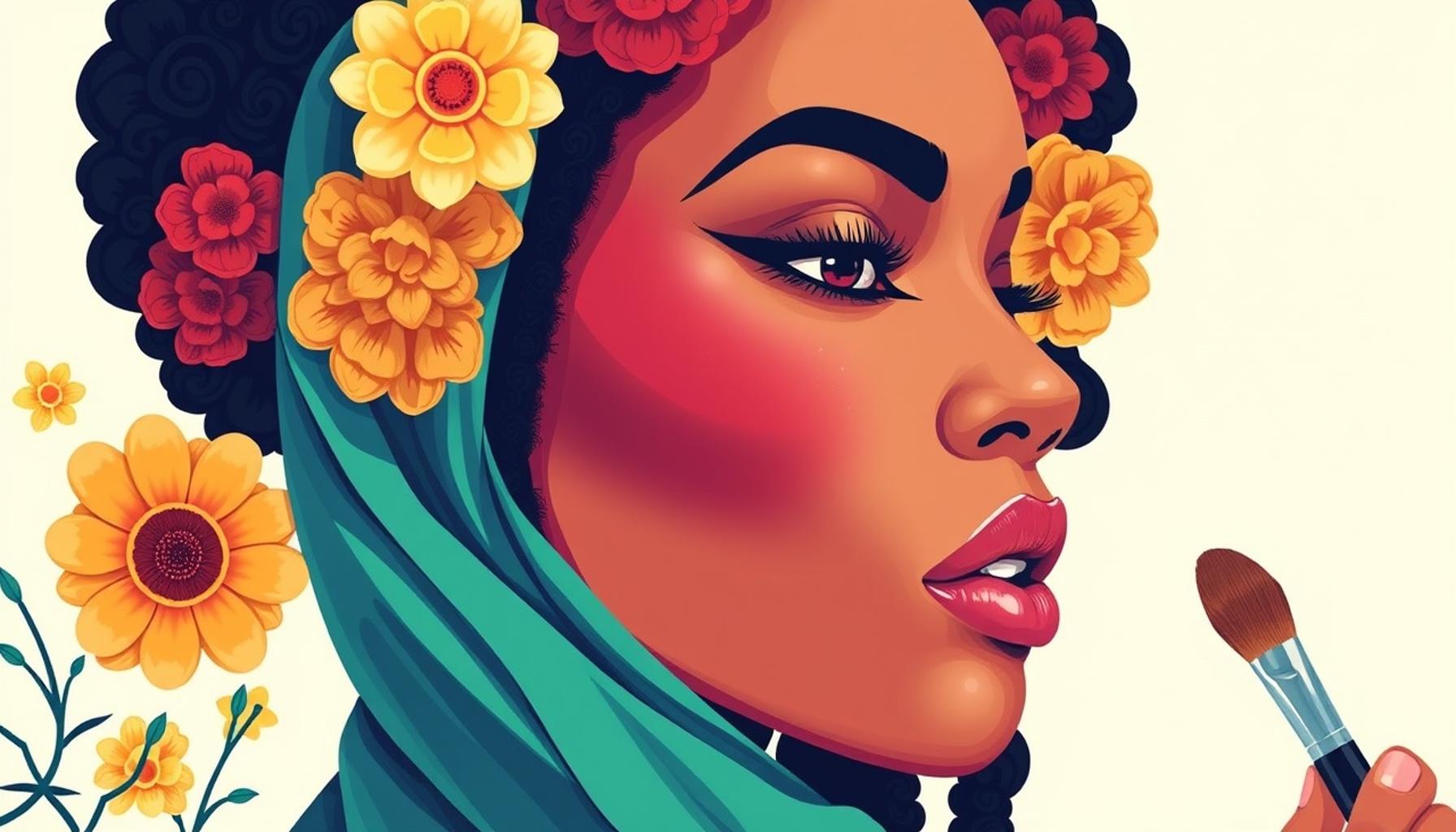
In recent years, the beauty industry has witnessed a significant shift towards inclusivity. This transformation is not just a trend; it has become a movement that celebrates diversity in all forms. Brands and consumers alike are taking steps to ensure that beauty is accessible to everyone, regardless of race, gender, age, or size. As a result, we’re witnessing a paradigm shift that is reshaping makeup trends, and this change holds both social and commercial importance.
Expanded Shade Ranges
One of the most notable changes in the beauty landscape is the introduction of expanded shade ranges. In the past, many makeup brands offered only a handful of foundation shades, leaving numerous skin tones underrepresented. However, brands like Fenty Beauty, launched by Rihanna, revolutionized this aspect by offering 40 shades to suit a wide range of complexions. Today, many brands have followed suit, ensuring that deeper and lighter skin tones alike can find their perfect match. This commitment to diverse shades not only empowers consumers but also ignites conversations about representation and visibility in the industry.
Inclusive Marketing
Advertising campaigns have also evolved significantly to reflect inclusivity. Inclusive marketing has become a staple, with brands showcasing models of various ethnicities, sizes, and ages, thereby making beauty accessible to all. For example, brands like Aerie and Dove have been applauded for their realistic portrayals of beauty, featuring unretouched images and a variety of body types. This marketing strategy resonates with consumers seeking authenticity and relatability, further solidifying their loyalty and trust in these brands.
Innovative Product Lines
The rise of innovative product lines specifically targeting underrepresented communities is another crucial element of this inclusivity movement. Brands like Uoma Beauty and Fenty Skin are dedicated to creating products that address the unique beauty needs of diverse populations. These brands not only provide a wide array of shades and formulations but also prioritize clean, cruelty-free ingredients that appeal to conscious consumers. The demand for targeted products illustrates a shifting landscape where consumers are looking for brands that genuinely understand and cater to their identities and experiences.
As consumers increasingly seek more than just makeup—they desire a connection and affirmation of their identity—the traditional beauty standards are challenged. For instance, statistics reveal that approximately 85% of consumers prefer brands that promote inclusivity. This statistic underscores a pivotal shift in consumer behavior that companies cannot afford to ignore. The concept of beauty is evolving from a one-size-fits-all approach to a more personalized experience that emphasizes individual uniqueness.
As we delve deeper into this fascinating evolution of makeup trends, we will uncover the stories behind notable brands and the influential voices amplifying diversity in the beauty space. Through their journeys, we gain insight into a more inclusive future in beauty that is reflective of the vibrant tapestry of experiences and identities that shape our world today.
DISCOVER MORE: Click here to unlock the secrets of diet for radiant skin
Revolutionizing Makeup Through Community Engagement
The movement towards inclusive beauty is not only evident in the products and marketing strategies of brands, but also in the way that these companies engage with their communities. Community engagement has proven to be a powerful tool in shaping how beauty brands interact with their consumers. By prioritizing feedback from diverse groups, brands can develop products that cater directly to the specific needs and desires of various demographics.
This engagement is visible in numerous ways, including:
- Collaborative Collections: Some brands have embraced collaborations with influencers and community members who reflect the broad spectrum of beauty. These partnerships often lead to innovative products that resonate more deeply with consumers.
- Focus Groups: Brands are increasingly organizing focus groups composed of individuals from diverse backgrounds. This strategy allows them to gain insight into cultural preferences and trends, ultimately informing their product development and marketing strategies.
- Social Media Engagement: Platforms like Instagram and TikTok have become vital channels for brands to connect with their audience. By actively responding to comments, featuring user-generated content, and fostering discussions about inclusivity, brands cultivate a sense of community and loyalty among their consumers.
Moreover, the impacts of engaging with diverse communities extend beyond product offerings. Businesses are tapping into the richness of these dialogues to educate consumers about beauty standards across cultures. Brands like Beauty Bakerie and Juvia’s Place have carved out significant niches by taking inspiration from cultural heritage and aesthetics, which in turn resonate strongly with their customer base.
Breaking Down Barriers in the Workplace
Furthermore, inclusivity isn’t only about the products sold; it’s about diversifying the teams behind these products. A makeup company that prioritizes diverse hiring practices can help ensure that various voices and perspectives are integrated into their design and marketing processes. For instance, companies like Estée Lauder Companies and Unilever have made commitments to increase diversity among their employees, which can lead to more representative decision-making that resonates with a broader audience.
Statistics indicate that a diverse workforce can bolster creativity and innovation, with some studies suggesting that ethnically diverse companies are 35% more likely to outperform their less diverse competitors. This trend reinforces the idea that embracing diversity is not only a moral imperative but also a smart business strategy. As the beauty landscape continues to shift, brands that foster inclusivity in their teams will likely find themselves better equipped to meet the evolving demands of today’s consumers.
Ultimately, the transformation of makeup trends through diverse representation in product offerings, marketing, and workplace policies illustrates a new standard for the beauty industry—one that values individuality and celebrates the rich tapestry of identities within society. As we explore the continued evolution of inclusive beauty, we will delve into how these practices influence consumer preferences and the broader implications for the industry as a whole.
Inclusive Beauty: How Diversity Is Transforming Makeup Trends
The beauty industry is witnessing a remarkable shift as brands are embracing diversity and inclusion in their product lines and marketing strategies. This change is not just about representation but also about redefining beauty standards. The rise of the inclusive beauty movement has led to a broader spectrum of products that cater to various skin tones, types, and specific cultural beauty practices.
One significant development in this movement is the formulation of makeup products that specifically address the needs of diverse consumers. More brands are now offering expansive shade ranges for foundations, concealers, and powders, recognizing that beauty comes in all forms. This expansion not only empowers consumers but also promotes a sense of belonging and acceptance within the community.
Additionally, the influence of social media has accelerated the demand for diversity in beauty trends. Influencers and beauty enthusiasts are advocating for brands to prioritize inclusivity, experimenting with bold colors and unconventional looks that celebrate cultural uniqueness. This has inspired brands to collaborate with artists from underrepresented backgrounds, leading to innovative products that resonate with diverse audiences.
Moreover, the narrative around beauty is evolving, with a growing focus on self-expression rather than conforming to traditional standards. This ongoing transformation is creating a more vibrant and inclusive beauty culture that honors individuality while encouraging people to celebrate their unique features. The ongoing collaboration between brands and consumers is essential to continue pushing for a beauty landscape that values and uplifts every voice.
| Advantages | Insights |
|---|---|
| Expanded Product Lines | Brands are launching a multitude of shades to cater to various skin tones, enhancing accessibility. |
| Diverse Representation | Increased visibility of different beauty standards promotes self-acceptance and empowerment. |
As we navigate this transformative era, it is essential for consumers to remain informed and engaged, prompting companies to maintain their commitment to diversity. The consequences of this change reach far beyond mere aesthetics—it’s a cultural movement reshaping the way beauty is perceived, celebrated, and experienced across the globe.
DISCOVER MORE: Click here to uncover natural solutions
Redefining Beauty Standards Through Authentic Representation
As the conversation around inclusive beauty gains momentum, it is essential to examine how authentic representation influences not only product innovations but also shifts societal beauty standards. Consumers are increasingly prioritizing brands that reflect their values and identities, which has led to a significant change in how beauty is portrayed across various media.
This transformation can be observed in the following key areas:
- Campaign Inclusivity: Gone are the days when beauty campaigns featured a narrow definition of attractiveness. Brands like Dove have made strides with their “Real Beauty” campaigns, showcasing individuals of all sizes, ages, and ethnicities. Such campaigns not only drive sales but also impart a sense of validation to consumers who have historically felt overlooked.
- Influencer Culture: The rise of social media has allowed for a democratization of beauty representation. Influencers from diverse backgrounds—such as Jackie Aina, who advocates for deeper shades in makeup foundations—are reshaping industry norms and encouraging brands to broaden their color ranges.
- Content Creation: User-generated content has become a powerful tool for consumers to express their unique beauty styles. Platforms like TikTok have given rise to trends that celebrate individuality, such as the use of unconventional makeup techniques or embracing flaws. This self-expression is now influencing how brands curate and market their offerings.
Moreover, the representation of diverse beauty goes beyond just skin tone and body type; it also encompasses different cultural practices and aesthetics. Brands that acknowledge and celebrate these varied backgrounds are often rewarded with increased consumer loyalty. For instance, Fenty Beauty debuted over 40 foundation shades, emphasizing the importance of catering to an extensive range of skin tones. The success of these initiatives is clear, with Fenty becoming a benchmark in the beauty industry for inclusivity.
The Impact of Globalization on Beauty Trends
Another notable aspect of the inclusive beauty movement is the influence of globalization on makeup trends. As cultures intermingle through travel, digital connectivity, and social media, consumers are exposed to beauty practices from around the world. This cross-pollination is paving the way for new and exciting trends that often blend traditional techniques with contemporary aesthetics.
Consider the increasing popularity of K-beauty, which emphasizes skincare before makeup application, or the resurgence of vibrant color palettes inspired by Indian festivals. This global approach to beauty not only broadens the definition of what is considered ‘attractive’ but also promotes cultural appreciation and understanding among consumers.
In addition, the accessibility of online tutorials and beauty influencers from different regions encourages consumers to experiment with diverse beauty techniques. Many brands are harnessing this trend by collaborating with international influencers to create limited-edition collections that resonate with global markets.
The fusion of diverse beauty standards and trends brings about a fresh dynamic within the beauty industry, challenging outdated perceptions and encouraging consumers to embrace their individuality. This ongoing shift underscores the need for brands to remain agile, responsive, and culturally aware in an ever-evolving landscape. As consumers continue to demand authentic representation, the beauty industry will inevitably have to delve deeper into the rich tapestry of human beauty, further fostering an environment of inclusivity and innovation.
DISCOVER MORE: Click here for a deeper dive
Embracing the Spectrum of Beauty
As we reach the conclusion of our exploration into inclusive beauty, it becomes evident that the evolution of makeup trends is a reflection of a wider societal movement towards diversity and authenticity. The beauty industry is undergoing a seismic shift, fueled by consumers who demand representation that mirrors their realities. Brands are realizing that their success hinges not only on innovative products but also on their ability to connect with the rich tapestry of human experiences.
This transformation has redefined traditional beauty paradigms, promoting the idea that beauty is not a monolithic concept but rather a mosaic of unique identities. The impact of social media and influencer culture has fostered an environment where diverse voices can thrive, leading to greater acceptance of varied beauty standards. Moreover, globalization has played an essential role, allowing consumers to embrace and explore beauty techniques and products from different cultures.
In essence, the inclusive beauty movement is not merely a trend; it’s a vital progression towards social equality and visibility. As brands continue to respond to this demand, the beauty landscape will likely become even more vibrant and multifaceted. For consumers, this means a richer selection of products that cater to their individual needs and affirm their identities. Looking forward, the focus will inevitably shift towards sustainable practices, ensuring that the conversation around beauty remains not only inclusive but also responsible.
As we journey further into a future filled with innovation and acceptance, embracing the diversity of beauty will continue to challenge norms, encourage self-expression, and cultivate a sense of community. This evolution invites everyone to engage in discovering their own unique beauty, in all its forms.