Inclusive Beauty: The Evolution of Makeup Trends for All Skin Tones
Introducing Inclusive Beauty
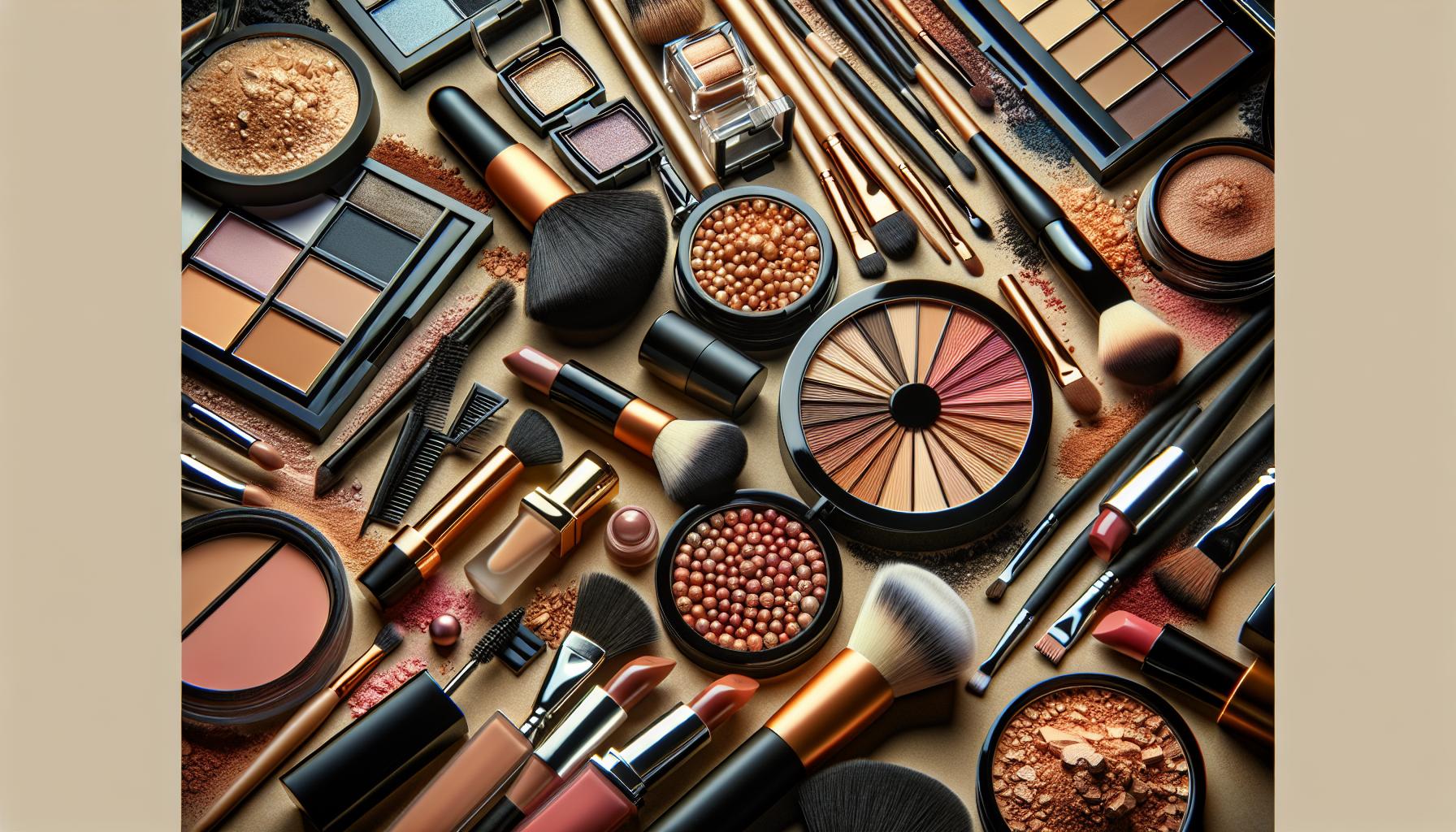
In recent years, the makeup industry has undergone a remarkable transformation toward inclusivity. This shift is largely driven by consumers who are increasingly demanding products that cater to their diverse needs and preferences. No longer is it acceptable for beauty brands to overlook a significant portion of their customer base. As a result, we are witnessing a vibrant expansion of makeup shades that are designed to suit every skin tone, reflecting a growing commitment to meeting the unique demands of all individuals.
Historically, many beauty products were formulated with a very narrow range of complexions in mind, often favoring lighter skin tones. This exclusion left many consumers feeling marginalized and undervalued in a market that should celebrate diversity. Today, the landscape is evolving drastically, fueled by several key features:
- Wider Shade Ranges: Major brands such as Fenty Beauty, launched by Rihanna, have set the standard by introducing extensive collections that accommodate an impressive spectrum of tones. Fenty’s range alone included over 40 shades at its launch, allowing people from various ethnic backgrounds to find their perfect match.
- Technology in Formulation: Advances in both the technology and chemistry of cosmetics have led to improved color matching and pigment depth. Brands are utilizing groundbreaking computational technologies to analyze skin undertones and formulate products that appear seamless on varied complexions.
- Representation: A notable increase in the visibility of diverse models in advertising campaigns has revolutionized how beauty is portrayed. This initiative not only promotes cosmetic lines but also encourages individuals to embrace their unique features. Campaigns from brands like Maybelline and NARS are championing diversity, showcasing models of varying ages, ethnicities, and skin types.
As consumers grow increasingly aware of the importance of cultural representation, their call for inclusive products is booming. Recent research reveals that approximately 70% of women actively seek makeup tailored to their individual skin tones. This heightened awareness is compelling companies to rethink their marketing strategies and product development to ensure they are inclusive of diverse customer needs.
The demand for inclusive beauty is resonating across all segments of the market, from luxury brands to accessible drugstore staples. Makeup giants like L’Oréal and Revlon are not only expanding their shade ranges but are also re-evaluating their marketing narratives to highlight inclusivity. This evolution promises to shape the future of beauty trends profoundly, encouraging creativity and self-expression across the board.
So, how does this shift influence the future of the beauty industry? It invites a richer dialogue about what beauty means in a multicultural society and opens doors for innovation that honors every individual’s unique aesthetic. Stay tuned as we continue to explore how the world of makeup is evolving to celebrate the beauty of every skin tone.
DIVE DEEPER: Click here to discover the latest in skincare trends
Reimagining Beauty Standards
The evolution of makeup trends toward inclusive beauty represents more than just an expansion of color ranges; it marks a seismic shift in societal beauty standards and consumer expectations. The traditional paradigm of beauty often adhered to narrow definitions, primarily celebrating lighter skin tones while leaving a significant demographic either unrepresented or underrepresented. However, the current landscape is characterized by a democratization of beauty that embraces every hue in the spectrum.
Central to this movement is the recognition that beauty is not monolithic. It is an intricate tapestry of skin tones, textures, and cultural backgrounds that deserve to be celebrated. Here are several factors driving this positive shift:
- Consumer Advocacy: Social media has empowered consumers to voice their needs and demand greater representation. Hashtags such as #DiversityInBeauty and #AllShades are more than mere trends; they are rallying cries for brands to prioritize inclusivity. Influencers and beauty advocates are leveraging platforms to highlight their personal stories, which resonate with many who have felt excluded from mainstream beauty offerings.
- Influence of Cultural Movements: Movements advocating for racial and cultural equality have catalyzed significant changes within the beauty industry. From the Black Lives Matter movement to broader discussions about systemic racism, consumers are now more aware of the implications of excluding diverse shades and are pushing brands to align with values of equity and representation.
- Innovative Marketing Strategies: Forward-thinking beauty brands are adopting inclusive marketing strategies that resonate with a diverse audience. Brands are not only showcasing a broader array of shades but also telling stories that reflect various cultural influences and experiences. This holistic approach not only attracts consumers but encourages a deeper emotional connection with the brand.
Uplifting these diverse narratives is not merely an ethical or social necessity but a lucrative market opportunity. Research indicates that nearly 63% of women are willing to pay up to 20% more for beauty products that specifically cater to their skin tones. As a result, companies are investing significantly to formulate products that not only meet the aesthetic needs but also honor the cultural identities of their consumers.
The beauty industry’s pivot towards greater inclusivity is not a fleeting trend but rather a fundamental rethinking of beauty norms. The recognition that makeup should cater to everyone is reshaping product development, marketing strategies, and consumer relationships alike. As brands continue to diversify their offerings, the future of makeup promises a celebration of authenticity, allowing individuals to express their unique beauty in all its forms.
Inclusive Beauty: The Evolution of Makeup Trends for All Skin Tones
The landscape of beauty has significantly transformed over the past few decades, with a remarkable shift towards inclusivity. Makeup brands are finally recognizing the importance of catering to diverse skin tones, ensuring that beauty is accessible and representative of everyone. With this evolution, the need for products that enhance and celebrate a wide range of complexions has become paramount.
In recent years, foundations and concealers have been developed with an expansive palette of shades, affordably addressing varying undertones. While many conventional brands have expanded their offerings, pioneers in the industry have set new standards that challenge the narrative of beauty being one-size-fits-all. For instance, brands like Fenty Beauty have gained immense popularity due to their commitment to inclusivity, launching over 40 shades of foundation which sparked a movement across the entire beauty landscape.
This evolution isn’t just limited to product ranges; consumer awareness and demand have also played a crucial role. The push for representation goes beyond products — it extends to advertising, marketing campaigns, and the very faces that embody these brands. The emergence of diverse models and influencers has encouraged all skin tones to feel empowered and represented in the beauty space.
| Category 1 | Category 2 |
|---|---|
| Diversity in Shades | Products now available for all undertones, from warm to cool. |
| Representation Matters | Increased visibility for diverse models in campaigns empowers all consumers. |
The impact of this evolution reaches beyond just color selection; it fosters a community where every individual feels seen and valued. As brands continue to innovate, there is a growing celebration of unique beauty in all its forms, encouraging consumers to embrace and love their skin. The evolution of makeup trends signifies a fundamental shift toward a more inclusive and progressive beauty industry, inviting everyone to join the conversation and express their individuality through the art of makeup.
DISCOVER MORE: Click here to learn about the benefits of plant-based ingredients
Empowering Personal Expression
As the beauty industry navigates the landscape of inclusivity, another pivotal component emerges: the ability for individuals to embrace their unique identities through makeup. This empowerment is changing not only how consumers interact with products but also how they perceive themselves and their place in society. The opportunity for self-expression within makeup has transcended the cosmetic purpose, evolving into a form of artistry that celebrates cultural heritage and personal stories.
Recent studies reveal that nearly 80% of women believe that makeup isn’t just about looking good, but also about feeling good and expressing individuality. This shift fuels the demand for brands to manufacture cosmetics that resonate with diverse experiences, especially among the BIPOC community. For instance, brands like Fenty Beauty, by Rihanna, revolutionized the concept of inclusivity by launching an unprecedented range of 40 foundation shades upon its debut, prompting others in the industry to expand their offerings similarly. These efforts signify a growing awareness of the importance of representation across the beauty spectrum.
Adapting to Diverse Needs
Inclusive beauty also necessitates an understanding of different skin types and conditions. For example, brands are increasingly aware that darker skin tones require distinct formulations to counteract issues such as hyperpigmentation and oiliness. A report by Global Industry Analysts Inc. forecasts that the global market for cosmetics tailored to women of color will reach a staggering $20 billion by 2027. This growing market indicates not just a financial incentive but highlights a significant cultural shift in beauty standards.
- Innovative Formulations: Cosmetic companies are now prioritizing research and development to create products tailored specifically for varied skin tones and conditions. For instance, the inclusion of shades that counteract ashy appearances in products for deeper skin tones shows a commitment to addressing specific concerns effectively.
- Collaborations with Influencers: Many makeup brands are collaborating with diverse influencers who represent and speak to different communities. For example, beauty mogul Jackie Aina has played a crucial role in garnering attention for inclusive practices, urging brands to provide better options for their consumers, prompting significant changes in product development.
Furthermore, brands are now crafting makeup that not only acknowledges surface-level diversity but ventures deeper into cultural significance. Packaging designs and marketing narratives are incorporating elements identified with various ethnicities, giving consumers a sense of pride and belonging. The idea of beauty is no longer confined to the mere application of products but has grown to become an extension of one’s identity.
A Shift in Brand Responsibility
The evolution of makeup trends toward inclusivity is not limited to product development. There is a growing expectation for brands to take on a more significant role in social responsibility. Many consumers now prefer brands that actively support diversity initiatives and engage in community-building efforts. According to a survey by McKinsey & Company, 70% of consumers are more likely to purchase from brands that demonstrate a commitment to inclusivity and authenticity.
This shift affirms the necessity for companies to continually assess their practices and ensure that they engage in constructive dialogue with the communities they aim to serve. It’s no longer enough to simply provide a range of shades; brands must also consider their overall impact on societal perceptions of beauty.
The journey toward inclusive beauty remains ongoing, with continuous innovations and shifts in societal attitudes. With consumers demanding more, the beauty industry is tasked with rising to meet these expectations, ensuring that everyone has the opportunity to find products that celebrate their unique beauty.
DISCOVER MORE: Click here to uncover the truth about natural ingredients
Conclusion: The Future of Inclusive Beauty
The evolution of makeup trends towards inclusivity highlights a profound transformation in the beauty industry, where the celebration of diversity has become paramount. With brands recognizing that beauty is personal and multifaceted, the increase in products tailored for all skin tones and types is a direct response to consumer demands for representation and authenticity. This shift is not merely about expanding color ranges; it reflects a deeper recognition of individual identities and the stories tied to them.
As evidenced by the market forecasts predicting a surge in demand for cosmetics catering to a diverse clientele, the beauty industry stands at a crucial juncture. The estimated $20 billion market for cosmetics tailored for women of color by 2027 showcases both an economic opportunity and a cultural imperative for brands to engage in meaningful inclusivity. Furthermore, collaborations with influential figures, such as Jackie Aina and Rihanna, signal a growing awareness that the voices of marginalized communities must be elevated and supported.
However, as brands continue to innovate and evolve, they must simultaneously embrace their social responsibilities. Authenticity, transparency, and active engagement with diverse communities are essential in winning the trust and loyalty of consumers from all backgrounds. The path forward requires a blend of innovative product development and an unwavering commitment to inclusivity that resonates on both personal and societal levels.
Ultimately, inclusive beauty is not just about makeup; it’s about fostering a culture where everyone can feel seen, celebrated, and empowered to express their unique beauty. As we look to the future, the potential for positive change is immense, urging both consumers and brands to advocate for beauty standards that truly encompass the diversity of human experience.