
The Importance of Customizing Your Skincare Routine for Different Skin Types
Understanding Your Unique Skin Needs
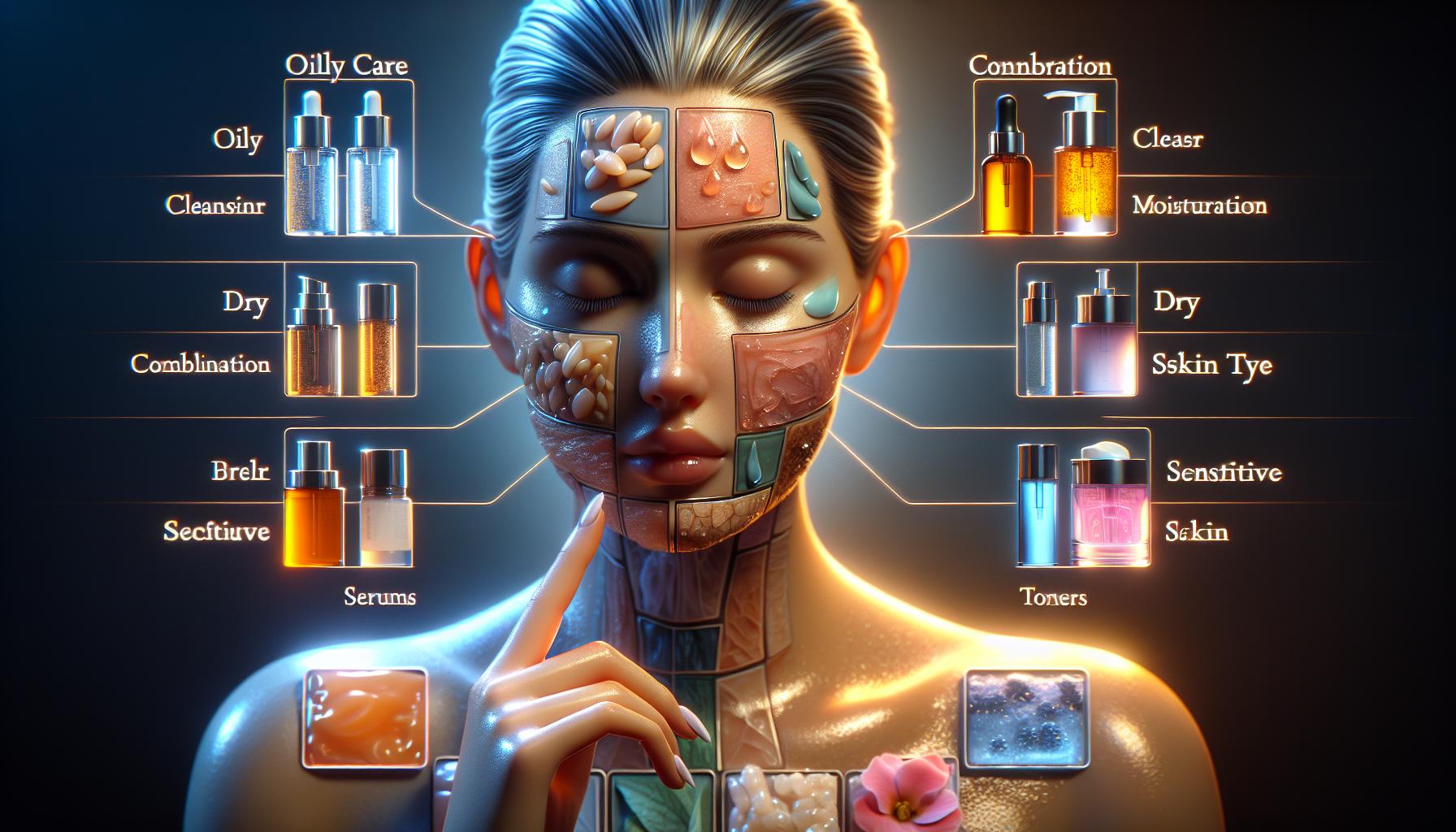
The journey to radiant skin begins not with products, but with a deep understanding of your individual skin characteristics. Skin is a dynamic organ, influenced by genetics, environmental factors, diet, and lifestyle. Hence, a one-size-fits-all approach to skincare can lead to frustration and subpar results. By identifying your skin type—whether oily, dry, combination, or sensitive—you can adopt a more effective skincare regimen tailored to your needs, ultimately paving the way for healthier and more vibrant skin.
Why Customization Matters
- Optimal Results: Customized skincare routines address specific concerns such as acne, dark spots, or aging. For example, someone with oily skin might benefit more from a gel-based cleanser, while someone with dry skin may see improvements using a creamier formula.
- Minimized Irritation: Selecting products that cater to your skin type can significantly reduce the likelihood of adverse reactions, such as redness or breakouts. For instance, individuals with sensitive skin often benefit from hypoallergenic and fragrance-free options, which are less likely to provoke irritation.
- Enhanced Hydration: Skin requires moisture, but the type and level of hydration needed can vary widely. While a rich cream may be necessary for dry skin, a lightweight lotion or gel may be more suitable for oily skin. Tailored moisturizers can provide hydration without the uncomfortable greasy feeling.
Moreover, understanding seasonal fluctuations can further enhance your skincare routine. During harsh winters, your skin may require additional moisture to combat the drying effects of cold air and indoor heating. Conversely, summer may prompt a shift towards lighter formulations that feel refreshing and help control excess shine.
Common Skin Types and Their Requirements
- Oily Skin: Individuals with this skin type should focus on oil-free products and non-comedogenic ingredients to prevent clogged pores and breakouts. Products containing salicylic acid or niacinamide can also be beneficial in controlling shine.
- Dry Skin: This skin type thrives on richer moisturizers and hydrating serums infused with ingredients like hyaluronic acid and glycerin that draw moisture to the skin. Cream-based cleansers can also help prevent moisture loss.
- Combination Skin: A balanced routine is crucial here. Products should address the oily areas, often found in the T-zone, while providing sufficient hydration to the drier areas chanced in cheekbones and jawlines.
- Sensitive Skin: Gentle and fragrance-free formulations are imperative. Ingredients such as chamomile and aloe vera can soothe and calm the skin, while avoiding harsh exfoliants that could exacerbate irritation.
Ultimately, customizing your skincare routine to align with your unique skin type is not merely about appearance; it can significantly enhance your skin’s health and boost your self-confidence. Understanding these distinctions fosters not only beauty but promotes an intrinsic connection with oneself. Engaging with your skin’s specific needs allows for the discovery of tailored products that can transform your daily regimen into a ritual of self-care, leading to a more confident and empowered you.
DISCOVER MORE: Click here to enhance your beauty routine
Decoding the Skin Types
To fully appreciate the importance of customizing your skincare routine, it’s vital to first decode the different skin types and their distinct characteristics. Each skin type exhibits unique traits that not only determine how it reacts to products but also influences how it requires care. Understanding the nuances of your skin can lead to better choices and ultimately foster a more effective skincare strategy.
Identifying Your Skin Type
Many people assume they understand their skin, yet the reality can be quite complex. Factors such as hormonal changes, temperature variations, and even stress levels can temporarily shift your skin’s condition. To accurately identify your skin type, you can conduct a simple test:
- Cleanse and Wait: Start with a gentle cleanser to wash your face and wait for about an hour without applying any products. This allows your skin to return to its natural state, revealing its true type.
- Observe: After an hour, take note of how your skin feels. Is it tight or flaky? Does it shine or feel greasy? Is it a combination with both oily and dry patches?
- React: Pay attention to any redness or irritation. If your skin reacts negatively to certain products, you may need to adopt a more careful approach to your skincare routine.
After conducting this simple assessment, you can categorize your skin into one of the primary types: oily, dry, combination, or sensitive. Understanding these categories will streamline your product selection process, ensuring you invest in products that genuinely work for you.
Personalized Product Selection
Once you have identified your skin type, the next step is to select products that cater specifically to those needs. A tailored approach significantly increases your chances of achieving the results you desire. Here’s why personalizing product selection is key:
- Ingredients Matter: Every skin type benefits from specific ingredients. For instance, individuals with oily skin may do well with products containing salicylic acid, known for its oil-controlling properties, whereas those with dry skin might seek out ceramides and hyaluronic acid for hydration.
- Formulation Choices: Different formulations serve distinct skin needs. A gel cleanser is ideal for oily skin, while cream cleansers are more effective for dry skin types. Adopting the right formulation can make a noticeable difference in how your skin feels and looks.
- Consistency is Key: A customized routine encourages consistency, making it easier to establish a regimen that suits your skin’s unique requirements. This permanence fosters a proactive approach to your skin’s health.
Ultimately, customization not only enhances the efficacy of your skincare products but also creates a more enjoyable and fulfilling skincare experience. Embracing your skin’s specific needs turns your daily routine into an empowering self-care ritual. By continuing to explore and adjust your regimen, you can cultivate a lasting relationship with your skin that promotes both beauty and confidence.
Understanding that each skin type responds differently to products and environmental factors is essential for effective skincare. When you tailor your routine to match your skin’s specific needs, you not only enhance your skin’s health but also significantly boost its appearance. Customized skincare helps in addressing unique issues such as acne for oily skin, dryness for sensitive skin, or excess pigmentation for combination skin. By investigating and identifying your skin type, you can select products that avoid unnecessary irritation and promote overall complexion harmony.
The key to a successful skincare routine begins with understanding the various skin types: normal, oily, dry, combination, and sensitive.Each of these categories presents distinct challenges; for example, those with oily skin may benefit from oil-free moisturizers and non-comedogenic ingredients, whereas dry skin requires richer, hydrating formulas. Failing to take these differences into account can lead to skin imbalances, exacerbating existing problems and causing long-term damage.
Moreover, different skin types require varying routines throughout the seasons. For instance, summer may demand lighter, gel-based products for oily skin, while winter might call for heavier creams to combat dryness. Adjusting your skincare routine accordingly not only keeps your skin healthy year-round but also maintains its glow.
Active ingredients like salicylic acid, hyaluronic acid, or vitamin C are known for their efficacy in treating specific skin concerns. However, using the wrong products can cause more harm than good. Conducting careful research or consulting a professional dermatologist can guide you toward creating an effective regimen. This process involves trial and error but ultimately leads to a deeper understanding of what your skin craves.
In summary, customizing your skincare routine for different skin types is vital. It allows you to effectively combat specific concerns, adapt to varying conditions, and use ingredients that genuinely benefit your complexion. Transforming your skincare approach begins with a commitment to understanding your skin’s individual needs.
DISCOVER: Click here to uncover the latest trends
Tailoring Your Routine: The Key to Radiant Skin
Understanding the specific needs of your skin type opens the door to effective skincare strategies. That said, a customized skincare routine involves more than just selecting the right products; it also encompasses the right application techniques, layering, and timing that align with your skin’s unique requirements.
Application Techniques Matter
How you apply your products can profoundly impact their effectiveness. For instance, individuals with oily skin should adopt a light touch when applying moisturizers to prevent the disruption of oil balance. Using a gentle patting motion rather than rubbing can allow the product to absorb better, reducing the chance of clogged pores. On the other hand, those with dry skin types may benefit from massaging their moisturizers in circular motions to facilitate hydration and promote circulation, creating a plump and radiant appearance.
Layering: The Right Order for Maximum Efficacy
Understanding the layering order of skincare products is crucial. The general rule is to apply from thinnest to thickest, using a serum before a moisturizer, as serums typically contain concentrated active ingredients. For example, if your skin is oily or acne-prone, you might start with a lightweight serum featuring niacinamide, which helps regulate oil production. In contrast, if your skin is dry, a rich cream layer following a hydrating essence can prevent trans-epidermal water loss.
Timing is Everything
When you apply your skincare products also matters significantly. The night is an opportune time to repair and restore the skin, as it works through the cell turnover process more efficiently during sleep. This is especially true for those using treatments like retinoids or glycolic acid, which can make the skin more sensitive to sunlight. Mornings, conversely, should focus on protecting the skin with sunscreens, antioxidants, and repairing products to shield it from daily aggressors.
- Morning Routine: Cleansing, toning, moisturizing, and applying SPF should be on the agenda. For those with oily skin, a gel-based cleanser, followed by a lightweight moisturizer designed for oil control can set a great foundation for your makeup or a sleek natural look.
- Evening Routine: Focusing on hydration and repair with richer creams or oils is critical at night. For dry or sensitive skin types, look for richer formulations containing essential fatty acids or balms that lock in moisture while you sleep.
The Impact of Seasonality on Skincare
It’s important to consider how external factors like climate can affect your skin’s condition. For instance, colder months may exacerbate dryness, compelling individuals with normally balanced skin to switch to heavier moisturizers or incorporate oils. Conversely, people with oily skin may find summer heat exacerbates their oiliness, leading them to favor lighter, matting products during hotter months. Adjusting your skincare regimen to align with seasonal shifts will ensure your skin continues to receive the care it needs year-round.
Ultimately, customizing your skincare routine fosters a dynamic approach to skin health. As you explore different products and techniques tailored specifically to your type, you may discover new ways to achieve a radiant, thriving complexion. Remember, your skin is a unique landscape, and the right skincare strategies will help it flourish.
DISCOVER MORE: Click here to learn how meditation can enhance your skin’s youthfulness
Conclusion: Elevate Your Skincare with Customization
In a world increasingly aware of individual uniqueness, customizing your skincare routine has never been more crucial. Embracing your specific skin type allows you to cut through the clutter of generic solutions and discover what truly works for your complexion. From understanding application techniques to mastering the art of product layering and timing, every aspect plays a vital role in nurturing your skin’s health.
As we’ve explored, the importance of tailoring your skincare cannot be overstated. Different skin types — whether dry, oily, or sensitive — require specific ingredients and formulations to thrive. Adapting your approach based on factors like climate and seasonal changes further ensures your routine remains relevant and effective. Investing the time to learn about your skin’s unique needs not only enhances its appearance but also boosts your confidence.
As you continue on your skincare journey, remember that a flawless complexion is not merely achieved through products but through understanding and responding to your skin’s evolving needs. Seek out personalized advice, engage with dermatologists, or experiment with different routines until you find your perfect match. Every effort you make in customizing your skincare regimen brings you one step closer to uncovering the radiant glow that lies beneath.
From careful selection to strategic application, customizing your skincare routine is an empowering experience that ultimately leads to healthier, happier skin. It’s time to celebrate your individuality and transform your skincare journey into a personalized ritual that resonates with your skin type.