The Popularity of Natural Ingredients in the Beauty Industry: What’s Trending?
Exploring the Surge of Natural Ingredients in Beauty
The beauty industry is currently undergoing a remarkable transformation. Consumers are increasingly drawn to products that feature natural ingredients, leading to a significant shift in market trends. This movement reflects a growing awareness of health, sustainability, and the desire for clean beauty alternatives. In recent years, a surge in consumer demand has prompted brands to pivot their formulations, prioritizing natural and organic components over synthetic ones.
Several factors contribute to this trend:
- Health Consciousness: As consumers become more aware of the potential harmful effects of certain chemicals, many are seeking beauty products with minimal or no synthetic additives. Ingredients like parabens, sulfates, and phthalates are increasingly scrutinized and often avoided, prompting manufacturers to reformulate their products using safer, naturally-derived components.
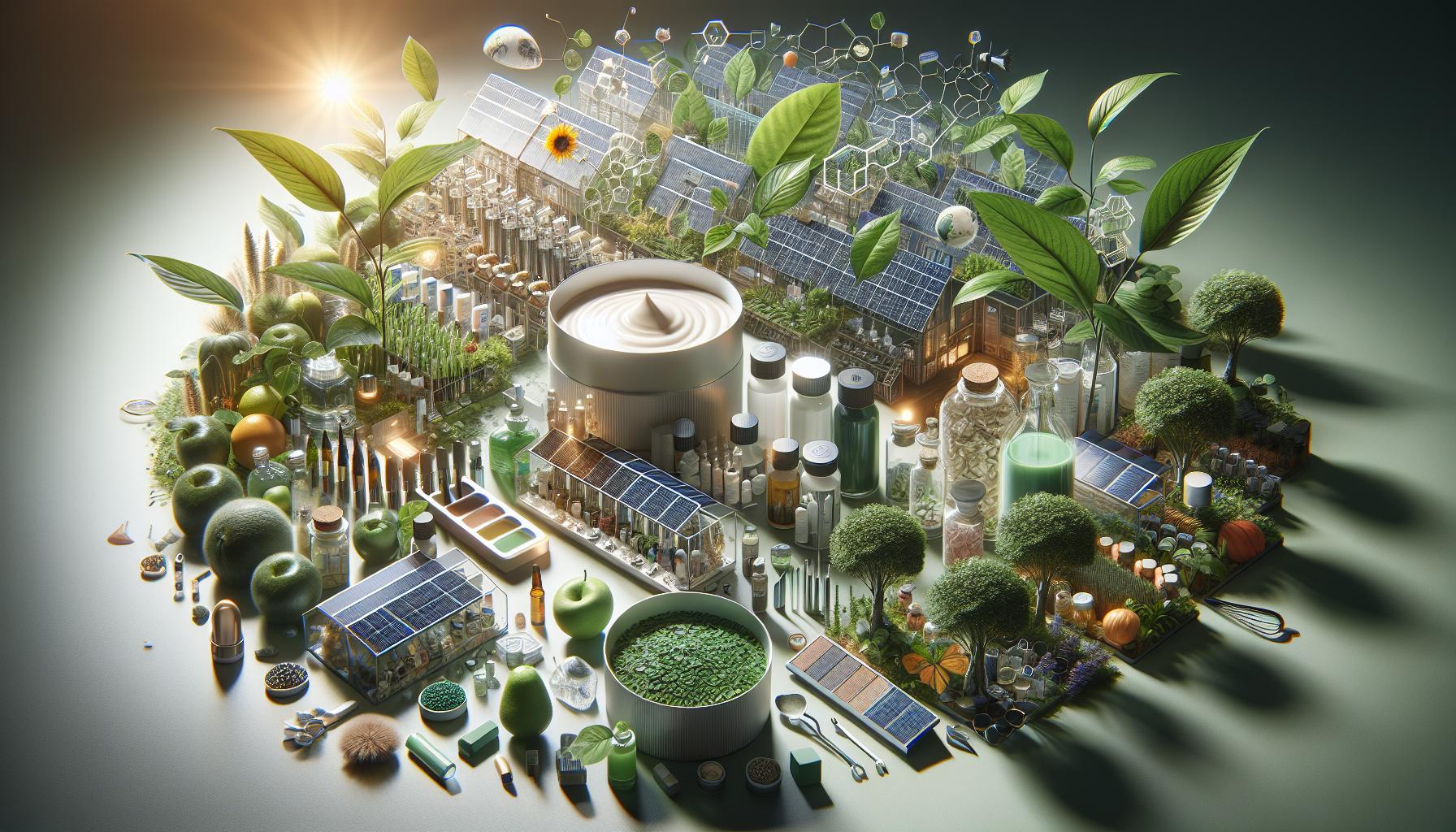
- Environmental Impact: Eco-friendly options are now more desirable, aligning with global sustainability efforts. Products that are sustainably sourced and packaged are gaining traction, with many brands now emphasizing their use of biodegradable materials and carbon-neutral practices. The shift towards cruelty-free testing protocols has further solidified the attraction to natural beauty products.
- Transparency: Brands that disclose their ingredient sourcing and production processes are gaining consumer trust. With the rise of social media and online scrutiny, consumers are no longer passive recipients of marketing messages; they demand authenticity and clarity about the products they use. This shift has led many companies to adopt open-label policies, ensuring shoppers can make informed choices.
Some of the top trending natural ingredients include:
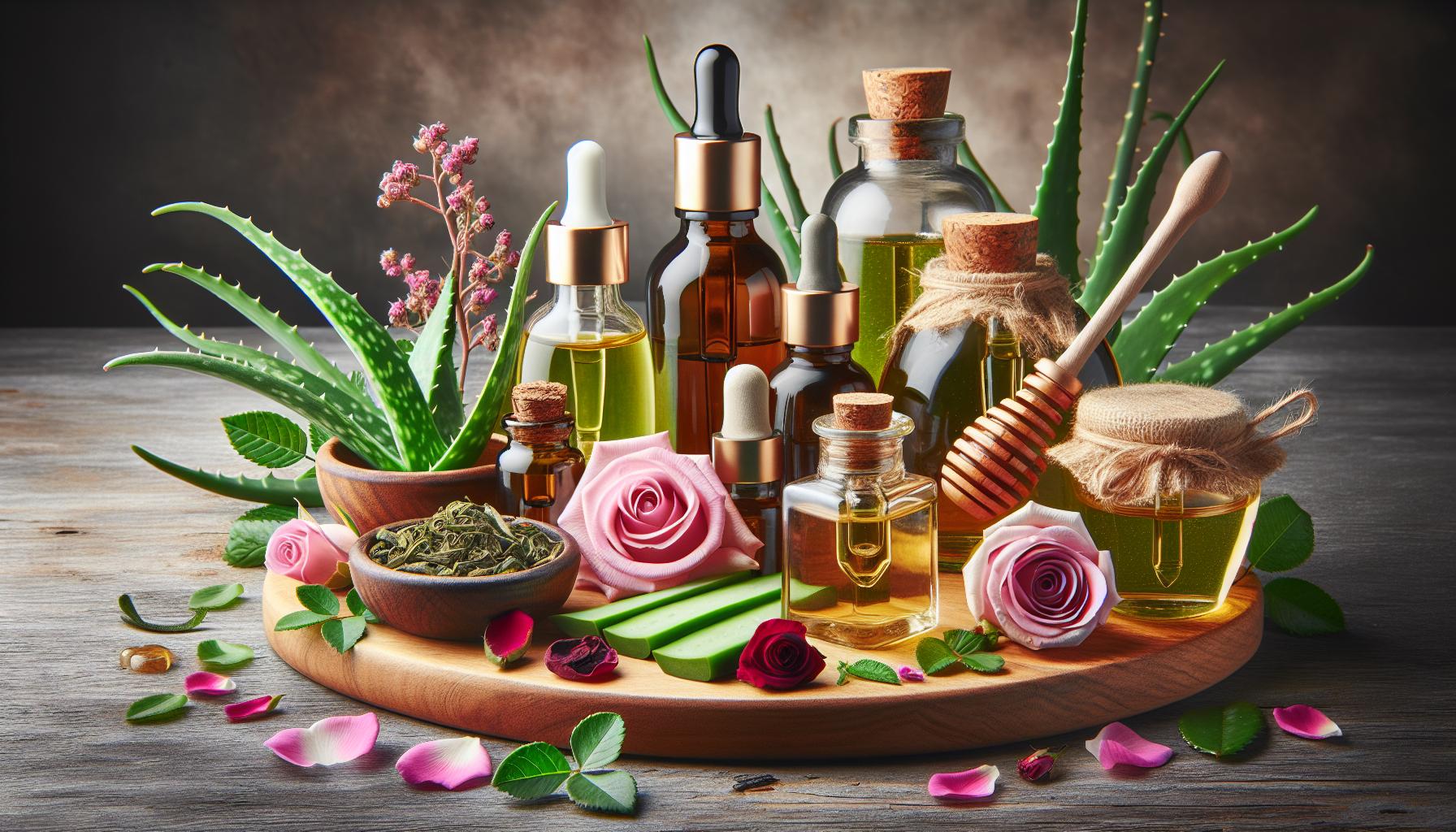
- Botanical Extracts: Such as green tea and aloe vera, celebrated for their skin-soothing benefits. Green tea, rich in antioxidants, is known for its anti-aging properties, while aloe vera is lauded for its hydration and healing capabilities, making it a cornerstone in moisturizing lotions and after-sun products.
- Oils: Like jojoba and argan, which nourish and hydrate the skin. Jojoba oil closely resembles human sebum, making it an excellent moisturizer for all skin types. Argan oil, often referred to as “liquid gold,” is not only used in skin care but also widely embraced in hair care products for its frizz-fighting properties.
- Clays: Used in masks and cleansers for their purifying properties. Bentonite and kaolin clays, for example, are popular for detoxifying skin by absorbing excess oil and impurities, positioning them as staples in the natural beauty arsenal.
This shift in beauty preferences not only signals a change in consumer behavior but also challenges traditional brands to innovate. With increased demand for natural ingredients, it’s an opportune moment to examine what’s trending in this vibrant landscape. The National Retail Federation reported that in 2021, nearly half of consumers expressed a willingness to pay more for products made with natural ingredients. Understanding these developments could lead consumers to more informed, healthier choices, enabling them to select products that align with their values of wellness and sustainability.
As the beauty industry continues to evolve, staying informed about these trends becomes crucial for consumers who want to make choices that benefit both their health and the planet. With an ever-expanding array of options featuring natural ingredients, the quest for beauty becomes not just about aesthetics but also an opportunity to engage in a greater, more sustainable lifestyle.

DISCOVER MORE: Click here to unlock the secrets of youthful skin</p
The Shift Towards Clean Beauty: Natural Ingredients Take Center Stage
The rise of natural ingredients in the beauty industry not only reflects consumer desires but also highlights a broader transformation in values surrounding health and wellness. As more people prioritize their well-being, the demand for products crafted from nature rather than chemistry labs continues to grow. This movement is underscored by a number of influential trends that have emerged in recent months, showcasing just how deeply consumers care about what they put on their skin.
One of the most striking phenomena is the increasing popularity of clean beauty brands. These brands focus on formulating products that are free from harmful ingredients while prioritizing transparency about sourcing and production practices. In fact, a survey conducted by the Clean Beauty Coalition found that over 70% of consumers consider ingredient safety to be a critical aspect of their purchasing decisions. This shift aligns with a more knowledge-driven society, where consumers feel empowered to seek out brands that reflect their values.
Trending Natural Ingredients Gaining Popularity
Within this landscape of clean beauty, certain natural ingredients are taking the spotlight due to their multifunctional properties and proven effectiveness. Here are some of the top trending natural ingredients that are capturing consumer interest:
- Hemp Seed Oil: Known for its nourishing and anti-inflammatory properties, hemp seed oil is becoming increasingly popular in creams and serums. Rich in omega fatty acids, this oil is particularly appealing for those seeking to soothe dry or irritated skin.
- Turmeric: This golden spice is renowned for its anti-inflammatory and antioxidant benefits. Beauty brands are incorporating turmeric into various formulations, from masks to cleansers, to harness its ability to brighten the complexion and combat signs of aging.
- Coconut Water: As a hydrating powerhouse, coconut water is celebrated for its ability to replenish moisture in the skin. Used in toners and moisturizers, it has become a favored ingredient in products aimed at providing hydration and a healthy glow.
- Seaweed and Algae: These marine ingredients are gaining traction for their anti-aging properties and ability to detoxify the skin. Rich in vitamins, minerals, and antioxidants, seaweed extracts are now common in skincare products tackling environmental aggressors.
Such ingredients not only offer significant benefits but also resonate with an environmentally conscious consumer base that seeks to support sustainable practice within the industry. The trend is further buoyed by social media influencers and beauty advocates who often share their personal experiences and the advantages of embracing natural beauty solutions. As platforms like Instagram and TikTok spotlight these ingredients, they become household names, igniting further interest among the public.
The increasing preference for natural ingredients in beauty signifies a major evolution in consumer consciousness. As brands and consumers alike embrace this paradigm shift, understanding which ingredients hold the most value becomes critical for organizations aiming to stay relevant in a rapidly changing market. In the upcoming sections, we will delve deeper into the specific brands leading this movement and explore innovative formulations that are redefining beauty norms.
As consumers become increasingly discerning about what they apply to their skin, the beauty industry has seen a significant uptick in the demand for natural ingredients. This shift reflects a broader trend towards sustainability and wellness, where individuals seek products that not only enhance their beauty but also contribute to their overall health. Polls indicate that over 70% of consumers prefer products with natural ingredients, indicating a major departure from synthetic alternatives. Ingredients such as aloe vera, coconut oil, and shea butter have become household staples, praised for their nourishing properties and minimal environmental impact. These components are not merely trendy fads; they deliver tangible benefits, such as hydration and skin repair, appealing to a conscious consumer market.Furthermore, the rise of social media influencers who champion natural beauty products has amplified interest in these ingredients, often leading brands to reformulate their offerings. The use of plant-based extracts and bio-based formulations signifies a paradigm shift towards eco-friendly practices, resonating with environmentally aware consumers. However, it’s essential to scrutinize labels and marketing claims diligently, as the term “natural” is not always regulated. Some brands may leverage the popularity of natural ingredients while containing only minimal quantities. Consequently, beauty enthusiasts are encouraged to look for certifications and perform thorough research before purchasing. In an industry poised for transformation, the increase in demand for natural alternatives is not just a fleeting trend but a reflection of a community striving for authenticity and transparency in beauty. The discussion surrounding the popularity of natural ingredients continues to evolve, inviting consumers to explore further while fostering a profound connection between skincare and sustainability. As new ingredients emerge and market demands shape product innovation, exciting opportunities abound in discovering what’s next in the world of natural beauty.
DISCOVER MORE: Click here to simplify your beauty routine</p
The Science Behind Natural Ingredients: Efficacy Meets Safety
The popularity of natural ingredients in the beauty industry is not merely a passing fad; it’s deeply rooted in the science that supports their efficacy and safety. With consumers increasingly informed about the ingredients in their beauty products, many are turning to scientifically-backed natural alternatives that can deliver tangible results without the adverse side effects associated with synthetic counterparts. This confluence has sparked an era where brands are investing in research to validate the potency of natural ingredients, making them not just buzzwords but valid components of effective skincare.
Recent studies have demonstrated that for many natural ingredients, the active compounds can rival their synthetic alternatives in effectiveness. For instance, a 2022 study published in the *Journal of Cosmetic Science* highlighted that plant-based antioxidants, such as green tea extract, outperform traditional anti-aging agents like retinol in certain scenarios, especially for sensitive skin types. This data provides a compelling reason for consumers to gravitate towards products featuring natural formulations that deliver results while maintaining skin integrity.
The Role of Sustainability in Consumer Choices
As environmental consciousness rises, consumers are increasingly aligning their purchasing decisions with their values. The beauty industry is witnessing a significant push towards sustainability that caters to this demand. Brands that prioritize eco-friendly sourcing, sustainable farming practices, and ethical harvesting methods are not just considered more trustworthy; they are becoming leaders in the market. For example, companies that utilize responsibly sourced botanicals, such as shea butter and argan oil, are gaining traction due to their commitment to not only enhancing beauty but also preserving the planet.
An aspect that cannot be overlooked is the importance of packaging. Many beauty brands are opting for recyclable or biodegradable containers as part of their commitment to sustainability. This decision resonates well with consumers, especially millennials and Gen Z, who are advocating for a more responsible approach to consumption. According to surveys, over 60% of this demographic is willing to pay more for products with sustainable packaging—a clear indicator that sustainability is a key factor in contemporary beauty buying habits.
The Influence of Celebrity Endorsements and Social Media
The ascent of natural ingredients in the beauty sector has also been propelled by the influence of celebrity endorsements and social media. High-profile figures such as Victoria Beckham and Jessica Alba have launched successful beauty lines featuring natural products, further legitimizing these ingredients in the eyes of their fans. They amplify the narrative not just through advertisements but also through genuine stories and personal experiences shared on platforms like Instagram and TikTok, where hashtags like #CleanBeauty and #NaturalSkincare trend consistently.
Moreover, the accessibility of social media allows consumers to share their reviews and successes with natural beauty products. User-generated content builds a community of advocates who encourage peers to explore the advantages of natural alternatives, amplifying word-of-mouth marketing. This organic conversation not only drives awareness but also fosters trust in new products that might otherwise go unnoticed in a crowded market.
The convergence of scientific validation, sustainability, and social influence is creating a robust ecosystem that promotes the use of natural ingredients in the beauty industry. As these elements evolve, they reveal a future where consumer preferences not only dictate product formulations but also shape the entire ethos of the beauty landscape, making informed choices accessible to everyone.
DISCOVER MORE: Click here to learn about the evolution of facial cleansing
Conclusion: A Transformative Shift in Beauty Standards
The popularity of natural ingredients in the beauty industry signals a transformative shift that prioritizes health, sustainability, and authenticity. As consumers become increasingly savvy about their choices, they demand transparency and efficacy, pushing brands to reflect these values in their product offerings. The scientific validation of natural ingredients, coupled with a growing awareness of their safety profiles, has led to a significant acceptance of these alternatives in skincare regimens, proving that nature can offer powerful solutions to beauty concerns.
In addition to efficacy, sustainability has emerged as a key driver in consumer preferences. The tangible impact of eco-friendly practices and sustainable sourcing has resonated particularly with younger demographics, who value brands that align with their ethical principles. This desire for responsible consumption is not just a trend; it’s establishing new standards for the industry that prioritize both personal and planetary health.
Furthermore, the influence of social media and celebrity endorsements cannot be underestimated, as they amplify the appeal of natural beauty products and create communities dedicated to sharing knowledge and experiences. Platforms like Instagram and TikTok have turned everyday consumers into advocates for clean beauty, democratizing access to information and expanding the marketplace for natural ingredients.
As the beauty landscape continues to evolve, it becomes clear that the integration of natural ingredients is not just a trend but a fundamental shift in how we define beauty. With ongoing research and innovation, the future promises an exciting blend of science, sustainability, and authenticity, paving the way for an industry that empowers consumers to make informed and conscientious choices. As we look ahead, the beauty industry stands at the cusp of a new era—one where nature and nurture coexist harmoniously on the shelves, offering potent solutions for all.