The Role of Nutrition in Skin Aging: Foods That Promote Youthful Skin
Understanding Nutrition’s Role in Skin Health
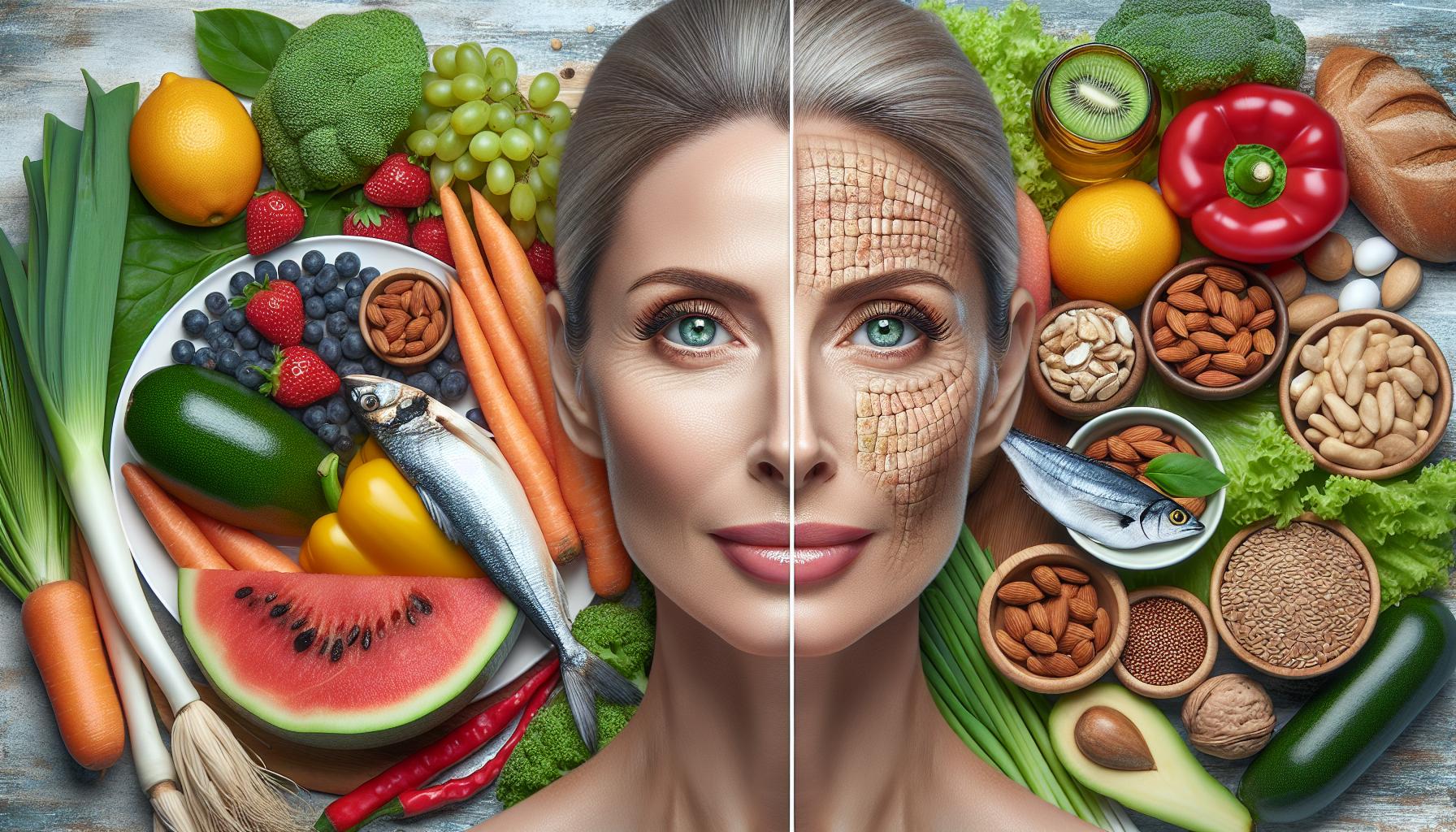
As part of the natural aging process, our skin can experience a host of changes, including reduced elasticity, dryness, and an overall loss of vibrancy. While genetics and environmental factors such as sun exposure and pollution are well-known contributors to these changes, the crucial impact of nutrition should not be overlooked. The foods we consume can either accelerate or diminish the visible signs of aging on our skin.
The Role of Antioxidants
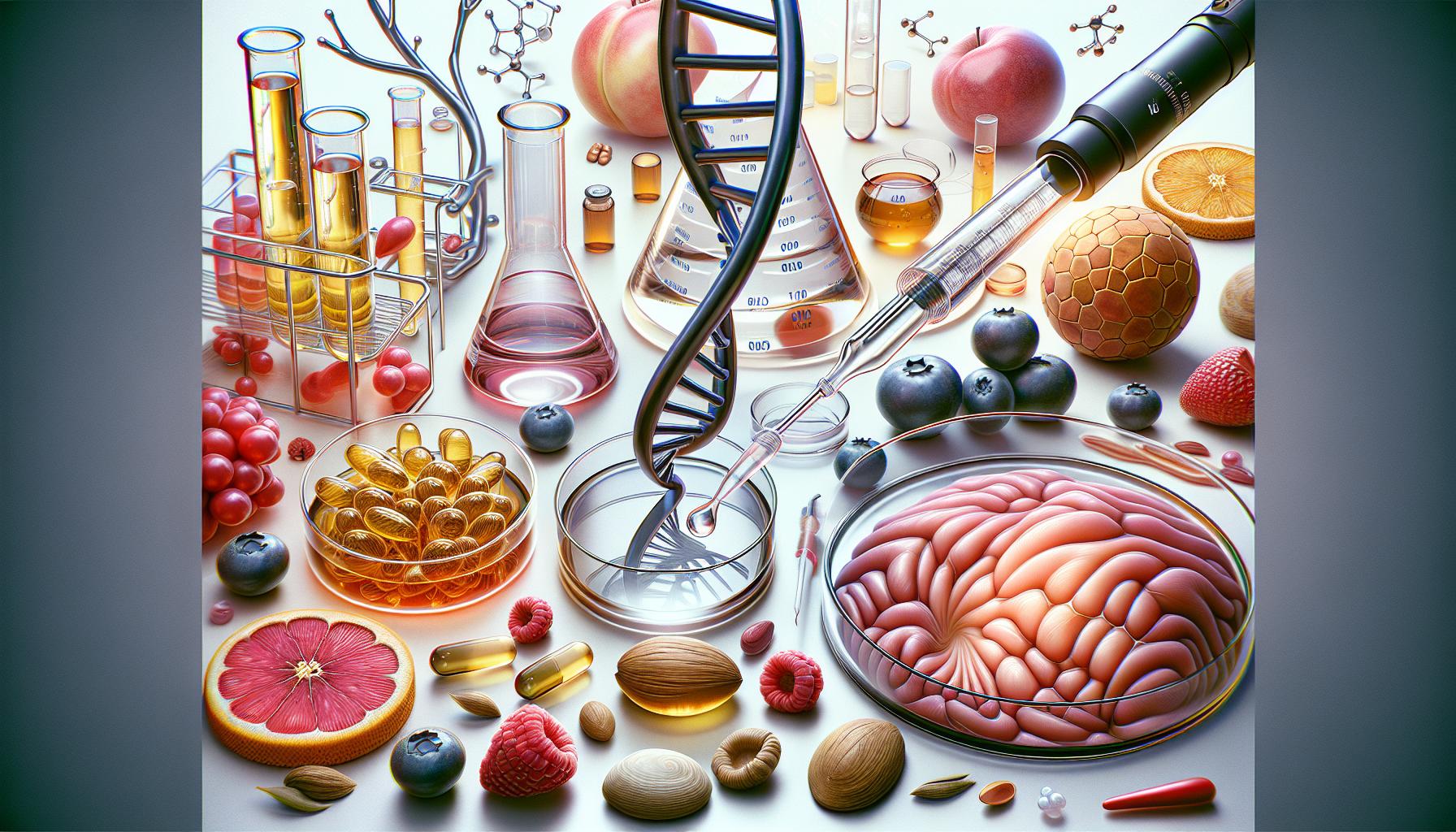
Antioxidants play a pivotal role in neutralizing free radicals, which are unstable molecules that contribute to skin aging. Incorporating foods high in antioxidants into our diet can provide substantial benefits. For instance, berries such as blueberries and strawberries are not only delightful but are also powerhouses of vitamin C, which promotes collagen production, essential for maintaining skin elasticity. Similarly, dark chocolate rich in cocoa can enhance blood flow and moisture levels in the skin, providing a youthful glow. Additionally, green tea, packed with polyphenols, may help protect against UV damage, reinforcing its status as a superfood for skin health.
Healthy Fats for a Radiant Complexion
Healthy fats are integral to maintaining skin hydration and promoting a youthful appearance. Foods like avocados are rich in monounsaturated fats, which help to keep the skin plump and moisturized. They also contain lutein, a carotenoid that provides protective effects by combating oxidative damage. Nuts, especially walnuts, are high in omega-3 fatty acids, which are essential for skin barrier function and preventing dryness. Moreover, incorporating olive oil in your meals not only enhances flavor but also provides a source of healthy fats that can improve skin elasticity and hydration.
Hydration Through Diet
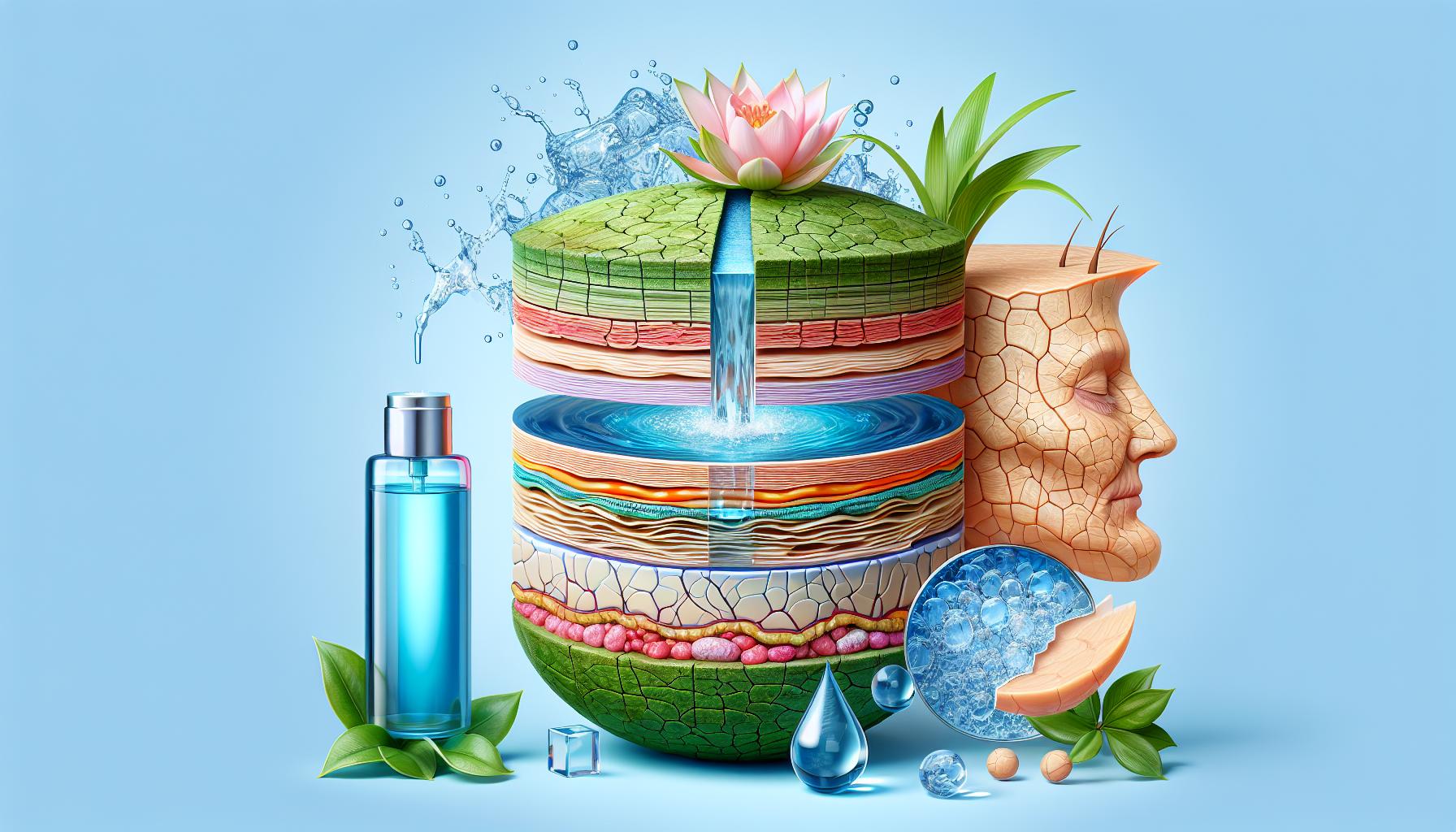
Many people underestimate the impact of hydration on their skin. Including hydrating foods in your daily diet can complement your water intake and significantly improve skin appearance. Fresh fruits like cucumbers and oranges are mostly water and can help keep skin hydrated from the inside out. Tomatoes, particularly when cooked, provide lycopene, a powerful antioxidant that can protect the skin against sun damage and enhance its overall texture.
A Proactive Approach to Skin Aging
By understanding the relationship between nutrition and skin health, individuals can make conscious decisions to prioritize foods that contribute positively to their skin. Embracing a diet rich in these skin-boosting ingredients can foster an approach to aging that is both proactive and empowering. Moreover, ongoing research continues to unveil new findings about how our dietary choices influence not just our skin, but overall health and well-being.

In light of these insights, one can gather that a mindful approach toward diet—emphasizing a variety of nutrient-dense foods—can play a significant role in maintaining a youthful, radiant complexion. So next time you plan your meals, consider what your skin craves and make choices that help unveil your natural beauty.
DIVE DEEPER: Click here to learn more about how meditation can enhance your skin’s youthfulness
Nutrient-Rich Foods for Sustaining Skin Elasticity
To foster a youthful appearance, it is essential to consider the nutrient density of our food choices. Engaging in a diet rich in vitamins, minerals, and essential fatty acids can be transformative for the skin. Notably, certain nutrients have been identified as crucial players in maintaining skin integrity and appearance. These include vitamins A, C, and E, as well as zinc and selenium.
The Power of Vitamin A
Vitamin A is fundamental for skin health, facilitating cell turnover and renewal. This vitamin can be found in various foods, including sweet potatoes, carrots, and spinach. By increasing the intake of these vitamin-rich foods, individuals may notice improvements in skin texture and a reduction in fine lines. In addition, vitamin A derivatives, such as retinol, have made headlines in skincare products, proving that this vitamin plays a key role in both diet and topical applications.
Vitamin C: The Collagen Booster
Another essential nutrient is vitamin C, well-known for its role in collagen synthesis. This vitamin can be found abundantly in citrus fruits, bell peppers, and kiwis. Beyond supporting collagen production, vitamin C also aids in skin repair and provides photoprotection against UV exposure. Ensuring a daily intake of vitamin C-rich foods can help to maintain the skin’s plumpness, contributing to a more youthful visage.
Minerals Matter: Zinc and Selenium
Minerals like zinc and selenium should not be overlooked in dietary considerations for youthful skin. Zinc, found in foods such as oysters, chickpeas, and pumpkin seeds, plays a vital role in skin regeneration and repair. This mineral’s anti-inflammatory properties support the skin’s healing processes, making it particularly beneficial for those prone to acne and other skin irritations. Meanwhile, selenium, present in Brazil nuts and whole grains, provides antioxidant protection that combats oxidative stress, another factor associated with accelerated aging.
Food Sources Beneficial for Skin Aging
To further assist in crafting a skin-friendly diet, here’s a list of essential food sources packed with skin-loving nutrients:
- Fatty Fish (like salmon and mackerel) for omega-3 fatty acids
- Leafy Greens (spinach, kale) rich in vitamins A and C
- Citrus Fruits (oranges, grapefruit) for vitamin C
- Nuts and Seeds (walnuts, flaxseeds) for healthy fats
- Berries (blueberries, strawberries) loaded with antioxidants
By consciously incorporating these foods into your meals, you can build a robust foundation for maintaining youthful skin. Investing in nutrition is not merely about aesthetics; it’s a commitment to overall health and well-being. As we explore the intricate connections between diet and skin aging, it becomes abundantly clear that what we put on our plates resonates far beyond our immediate nourishment.
| Nutrient Type | Impact on Skin Aging |
|---|---|
| Antioxidants | Protect skin from oxidative stress, which accelerates aging. |
| Essential Fatty Acids | Support skin barrier function and retain moisture, promoting elasticity. |
| Vitamins A, C, E | Stimulate collagen production and repair damaged skin. |
| Hydrating Foods | Fruits and vegetables rich in water content help maintain skin hydration. |
Nutrient-rich foods play a critical role in enhancing the skin’s resilience against aging. For instance, antioxidants found in berries, nuts, and green tea can significantly reduce oxidative damage caused by free radicals. Additionally, incorporating essential fatty acids from sources like fish and flaxseeds helps in maintaining skin moisture and elasticity, which ultimately fights off sagging and fine lines.Moreover, vitamins A, C, and E serve as foundational components for skin health. Vitamin C, in particular, encourages collagen synthesis, essential for firm skin structure. By consuming a well-rounded diet enriched with hydrating foods such as cucumber and watermelon, you keep the skin well-moisturized, which can lead to a more youthful appearance. As research continues to unveil the profound connection between nutrition and skin health, it’s crucial to embrace dietary choices that will serve your skin’s longevity. Curiosity about further details on each food type can lead to profound insights about achieving glowing, youthful skin.
DISCOVER MORE: Click here to learn about the latest advancements
Essential Fatty Acids and Their Impact on Skin Health
In our quest for youthful skin, we must also pay close attention to essential fatty acids, which play a pivotal role in skin hydration and barrier function. These fats are crucial for maintaining the skin’s lipid matrix, preventing moisture loss, and keeping skin cells healthy and vibrant. Two prominent types of essential fatty acids are omega-3 and omega-6, both of which can be incorporated into your diet through various food sources.
The Importance of Omega-3 Fatty Acids
Omega-3 fatty acids are renowned for their anti-inflammatory properties, which can significantly benefit those experiencing skin conditions like eczema or psoriasis. They are predominantly found in fatty fish such as salmon, sardines, and mackerel, as well as in plant-based sources like flaxseeds, chia seeds, and walnuts. Research suggests that a diet rich in omega-3 may also improve the skin’s overall texture and elasticity, leading to a reduced appearance of fine lines and wrinkles. The anti-inflammatory effects of omega-3s promote a more balanced and clearer complexion, which is a desirable quality in the pursuit of youthful skin.
Omega-6 Fatty Acids: The Balancing Act
Though omega-6 fatty acids are often linked with inflammation, they are indispensable for maintaining skin health. These acids are found in oils such as corn oil, sunflower oil, and soybean oil, which help in overall skin barrier maintenance. Striking a balance between omega-6 and omega-3 fats is crucial, as an excess of omega-6 can lead to inflammatory responses in the body. Therefore, it is important to focus on obtaining omega-3 fats to counteract the potential negative effects of omega-6, ensuring a harmonious relationship between these two fatty acids for optimal skin health.
The Role of Antioxidants in Fighting Skin Aging
Alongside essential fatty acids, antioxidants should be a cornerstone of a diet aimed at promoting youthful skin. These powerhouse nutrients combat oxidative stress caused by free radicals—molecules that can damage skin cells and accelerate the aging process. Incorporating antioxidant-rich foods into your meals can enhance your skin’s defense mechanisms and support long-term youthful vitality.
Colorful Fruits and Vegetables: Nature’s Antioxidant Powerhouses
Berries, particularly blueberries, strawberries, and raspberries, are excellent sources of antioxidants like vitamins C and E, as well as flavonoids. These compounds work synergistically to enhance the skin’s resilience against environmental damage while improving its overall tone and texture. Additionally, green tea, steeped in polyphenols, offers remarkable protective benefits for the skin. Drinking green tea regularly can help improve skin hydration and reduce the severity of aging signs.
The Protective Barrier of Plant Compounds
Beyond fruits and vegetables, certain spices and herbs such as turmeric and ginger are also rich in antioxidants and have been shown to support skin health. Turmeric contains curcumin, which has potent anti-inflammatory properties, while ginger acts as a natural skin protectant. Incorporating these spices into your diet and skincare routine enhances both flavor and skin resilience.
To ensure the best possible protection against skin aging, consider the synergy created by consuming a variety of antioxidant and nutrient-rich foods. A diet filled with color and diversity not only supports overall health but also translates into radiant, youthful skin.
DISCOVER MORE: Click here to learn how water temperature impacts your cleansing routine
Conclusion: Nourishing Your Skin from Within
In summary, the journey toward maintaining youthful skin is intricately woven with the choices we make about our nutrition. The role of essential fatty acids cannot be overstated, particularly omega-3s, which provide a potent defense against inflammation and promote skin health. Balancing these fats with omega-6s can enhance hydration and fortify skin barriers, giving your complexion the resilience it deserves.
Moreover, the inclusion of antioxidant-rich foods like berries, green tea, and vibrant vegetables marks a proactive approach to combatting oxidative stress and free radical damage. These food sources are more than mere dietary items; they are powerful allies against skin aging. The synergistic effects of vitamins and plant compounds enrich our skin, providing it with the essential nutrients necessary for a healthy glow.
As we reflect on the ingredients that support our skin’s vitality, it becomes clear that incorporating a colorful array of fruits, vegetables, and healthy fats into our meals is paramount. By embracing a nutrient-rich diet, we don’t just enhance our overall health; we invest in the longevity and beauty of our skin.
Thus, the conversation around nutrition and skin aging invites us to explore new culinary adventures, encouraging us to select wholesome, nourishing options. Ultimately, your diet holds the key to unlocking radiant, youthful skin. So, take a moment to reevaluate your eating habits and consider embarking on a delicious journey toward glowing skin!