The Importance of Hydration in Preventing Skin Aging
The Importance of Hydration in Skin Health
Our skin is not just a protective barrier; it is a living organ that responds dynamically to our health and environment. When we think about maintaining youthful skin, hydration should be at the forefront of our strategies. The water we consume has far-reaching effects on our skin, influencing its texture, appearance, and overall health.
Let’s explore how hydration plays a crucial role in preserving the skin’s integrity:
- Maintaining elasticity: Well-hydrated skin is more supple and elastic, which contributes to its ability to bounce back from facial expressions. As we age, the natural production of collagen decreases and our skin can lose its firmness. Staying hydrated helps combat this process, allowing the skin to maintain its youthful resilience, which helps reduce the visibility of fine lines and wrinkles.
- Enhancing radiance: Ever notice how after a glass of water, your skin appears more alive? This is not merely coincidental. Adequate hydration facilitates better circulation, ensuring that oxygen and vital nutrients reach the skin cells. This process enhances the skin’s glow, giving it a healthful sheen. The result is a complexion that doesn’t just look good but feels revitalized from within.
- Reducing signs of aging: With each passing year, external aggressors and internal changes impact our skin’s aging process. Consistent hydration creates an environment where skin cells can repair and regenerate effectively. By providing the necessary moisture, hydrated skin becomes more resilient against damage from pollution, UV rays, and other environmental stressors.
While the citizens of the United States often lead fast-paced lives filled with daily commitments, hydration tends to take a backseat in our wellness routines. Many Americans overlook their water needs, leading to dry skin and premature aging. Awareness of the link between hydration and skin health is the first step toward better skincare practices. Did you know that the average adult should consume about 11.5 cups (or around 92 ounces) of water daily? This recommendation varies based on individual factors such as activity level and climate, but it serves as a useful baseline.
Incorporating hydration into our lives can be simple and enjoyable. From flavored waters to herbal teas and hydrating foods, there are endless ways to meet our daily water intake. Foods like cucumbers, watermelon, and oranges not only quench our thirst but also provide essential nutrients and hydration together.
Ultimately, the connection between hydration and skin health goes beyond mere aesthetics—it plays a vital role in your overall well-being. By recognizing the effects of proper hydration, we open doors to informed habits that can positively influence our skin’s longevity and appearance. As we continue to explore the intricacies of skin health, remember that the choices we make each day can build a foundation for a vibrant, youthful complexion.
DISCOVER MORE: Click here to learn how to identify natural ingredients in skincare
The Role of Hydration in Supporting Skin Structure
Hydration is fundamental not only for general health but also for the structural integrity of our skin. As we age, the layers of skin that protect us and provide a youthful appearance change, often leading to aging signs such as wrinkles, sagging, and dry patches. Keeping the skin adequately hydrated can help slow down these effects of aging and promote a more vibrant appearance.
One of the primary ways hydration contributes to youthful skin is through its capacity to support cellular function. Skin cells require water to optimally perform vital processes, including nutrient absorption and waste removal. When skin cells are adequately hydrated, they can better retain moisture, leading to a plumper and healthier-looking complexion. Conversely, dehydrated cells can appear dull and lifeless, amplifying the appearance of fine lines and uneven texture.
How Water Affects Skin Health
To truly grasp the importance of hydration, consider the various functions of water in skin health:
- Boosting natural moisturizers: Our skin naturally produces substances such as hyaluronic acid that are crucial for retaining moisture. Ensuring adequate water intake supports the production of these natural moisturizers, making skin more resilient against dryness.
- Regulating sebum production: Proper hydration can help balance sebum production, which is vital for maintaining healthy skin. Dehydrated skin often over-produces oil to compensate, leading to breakouts and other skin issues. A well-hydrated skin surface is better equipped to regulate its oil levels naturally.
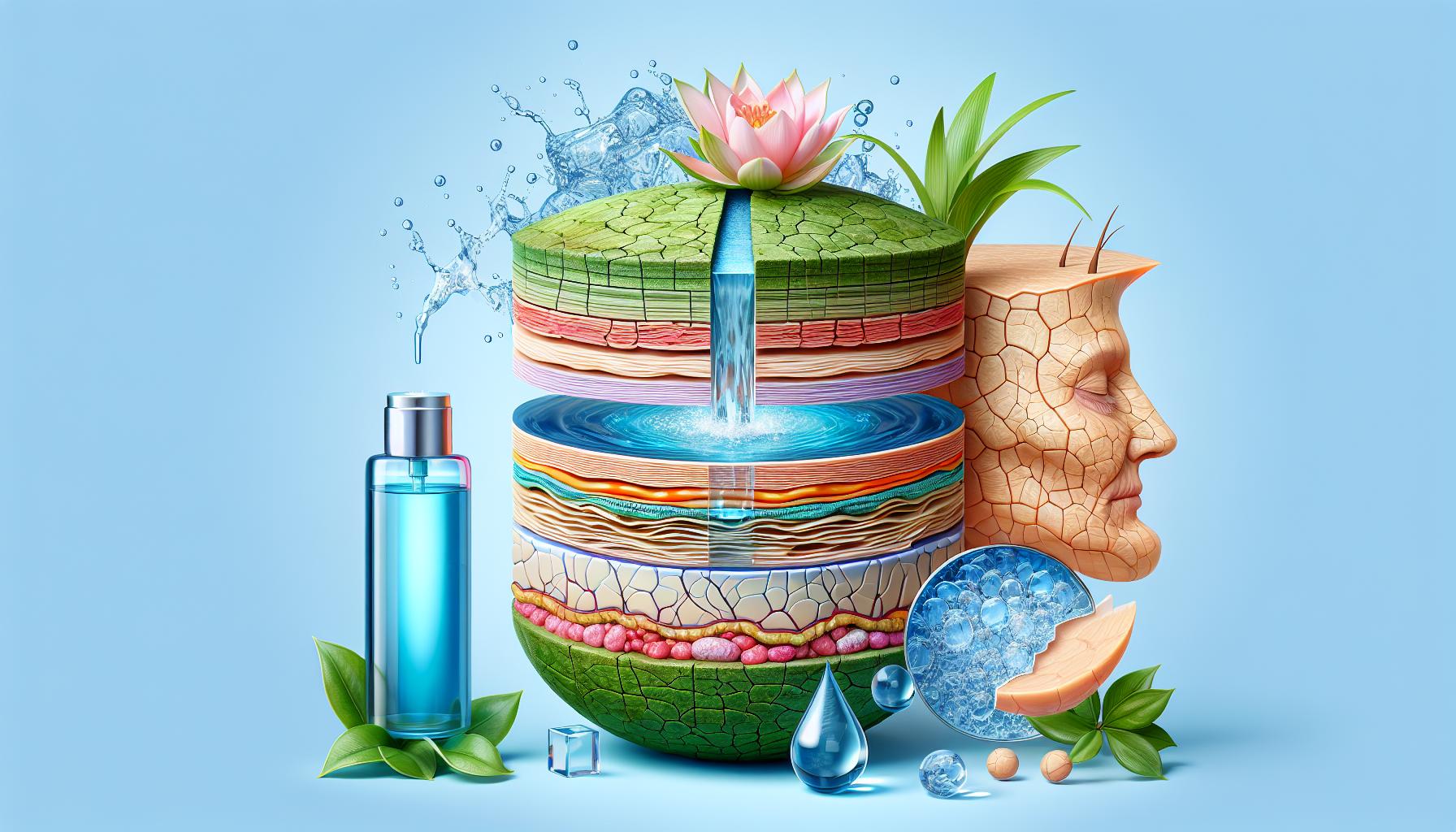
- Enhancing barrier function: The skin’s barrier function, which protects us from environmental aggressors and prevents moisture loss, can be compromised by dehydration. Adequate hydration strengthens this barrier, making skin less susceptible to external irritants and helping it protect against premature aging.
Furthermore, the therapeutic benefits of proper hydration extend beyond aesthetic improvements. When skin is hydrated, it can better manage conditions like eczema and dermatitis, which can be exacerbated by dry skin. This means that maintaining a healthy hydration level can not only slow down the signs of aging but also contribute to overall skin health.
Considering the significant impact of hydration, it is wise to prioritize water consumption throughout the day. On average, individuals should aim to drink at least 8 to 10 glasses of water daily, keeping in mind that factors like exercise, climate, and age can increase these needs. Incorporating hydration through water-rich foods, like soups and salads, can also contribute to daily intake and make the process enjoyable.
Ultimately, recognizing the link between hydration and skin aging is essential in forming effective skincare routines. By adopting habits that prioritize hydration, we can pave the way for healthier, more youthful skin, helping to mitigate the effects of time and environmental stressors.
The Importance of Hydration in Preventing Skin Aging
Hydration plays a crucial role in maintaining the health and elasticity of the skin, directly contributing to its appearance and longevity. When the skin is well-hydrated, it boasts a youthful glow, and fine lines and wrinkles become less pronounced. Moreover, hydration aids in the skin’s natural repair processes, allowing for enhanced recovery from environmental damage. Conversely, dehydration can lead to dryness, which is often exacerbated by factors such as hot weather, excessive sun exposure, and indoor heating. Saliently, dehydration makes the skin more susceptible to damage from external aggressors, thus accelerating the aging process.
In addition to topical moisturizers, drinking adequate water is pivotal for skin health. It has been shown that consuming at least eight glasses (about 2 liters) of water per day can significantly improve skin hydration levels. Foods with high water content, such as cucumbers, oranges, and watermelon, also contribute to overall hydration and promote skin health. Incorporating these elements into one’s daily routine not only improves skin vitality but also boosts mood and energy levels.
Interestingly, studies have demonstrated a strong correlation between hydration and skin elasticity. The more hydrated the skin is, the more likely it is to remain firm and plump, thus reducing the visibility of signs of aging. Additionally, maintaining hydration helps in the production of collagen—a protein that provides structure and support to the skin. Collagen production diminishes with age, and proactive hydration can mitigate some of these losses.
| Category | Benefits |
|---|---|
| Hydration | Maintains skin elasticity and reduces the appearance of fine lines. |
| Water Intake | Improves skin moisture levels and boosts overall vitality. |
Ultimately, focusing on hydration is one of the most effective strategies to combat skin aging. By ensuring both internal and external hydration, individuals can achieve healthier, more resilient skin, leading to a youthful appearance. The incorporation of hydrating practices should be a fundamental aspect of anyone’s skincare routine. As we delve further into skincare science, it becomes increasingly clear that hydration is not just about thirst; it’s about protecting our skin’s integrity over the years.
DIVE DEEPER: Click here to discover the truth about natural ingredients in skincare
Hydration: The Inner Workings of Skin Rejuvenation
The benefits of hydration extend well beyond surface-level moisture, influencing the very processes integral to skin rejuvenation and repair. When we consider skin aging, understanding how hydration interacts with cellular regeneration is crucial. This interplay ensures that skin retains its vitality and overall health, defying visible signs of aging.
One particularly fascinating aspect of hydration is its role in promoting collagen synthesis. Collagen, a protein essential for skin elasticity and firmness, requires adequate hydration to form effectively. As we age, natural collagen production declines, leading to sagging and wrinkles. However, studies have shown that well-hydrated skin can stimulate increased collagen synthesis, enhancing the skin’s structural framework. This effect is particularly notable in younger individuals, where consistent hydration can establish a robust foundation for healthy aging.
The Impact of External Factors
In addition to intrinsic hydration, external influences play a significant role in maintaining skin moisture levels. Environmental factors like pollution, UV radiation, and dry climates can exacerbate skin dehydration. Consequently, increasing our water intake becomes even more critical in such scenarios, as these elements can strip the skin of its natural moisture, leading to premature aging.
Moreover, factors like indoor heating and air conditioning can create an arid atmosphere that contributes to skin dryness. Implementing daily strategies to combat these effects is vital. For instance, using a humidifier in your home or office can introduce moisture into the air, complementing your daily hydration efforts. Additionally, applying moisturizers formulated with hydrating agents like glycerin or aloe vera can trap essential moisture in the skin, enhancing its barrier function and preventing trans-epidermal water loss.
Hydration and Skin Conditions
Interestingly, proper hydration has been linked to the management of various skin conditions beyond the typical concerns of aging. For example, individuals suffering from psoriasis or rosacea often notice improvements in their symptoms when they prioritize hydration. These conditions often involve an impaired skin barrier, leading to increased dryness and irritation. Ensuring that the skin remains hydrated can alleviate symptoms by promoting smoother and healthier skin overall.
Additionally, incorporating antioxidant-rich beverages and foods into your diet can synergistically support your hydration efforts. Green tea, for instance, boasts significant anti-inflammatory properties and can help combat oxidative stress, which is known to accelerate skin aging. Smoothies packed with hydrating fruits like watermelon and cucumber not only provide hydration but also deliver essential vitamins and minerals, supporting skin health from the inside out.
The connection between hydration and skin aging reinforces the idea that it is never too early or too late to adopt a proactive approach. By being mindful of our hydration levels and considering the impact of both internal and external factors, we can significantly influence the aging process and enjoy healthier, more resilient skin for years to come. Taking these steps allows you to harness the full potential of hydration, revealing the radiant and youthful skin you deserve.
DIVE DEEPER: Click here to discover the latest trends
Conclusion: The Transformative Role of Hydration in Skin Aging
In the quest for youthful and vibrant skin, the importance of hydration cannot be overstated. As we have explored, optimal hydration serves as a cornerstone in not only maintaining skin elasticity and firmness but also in fostering essential processes such as collagen synthesis. This foundational principle underscores the need for both adequate water intake and strategic external hydration efforts to combat the effects of environmental stressors and aging.
Addressing hydration holistically involves a multi-faceted approach. From increasing daily water consumption to incorporating skin-friendly nutrients, establishing a routine that emphasizes hydration can significantly reduce visible signs of aging. Moreover, the management of skin conditions like psoriasis and rosacea showcases how prioritizing moisture can lead to a healthier complexion overall, proving that hydration is not just a preventive measure, but a vital component of skin health.
As we navigate a world filled with challenges to skin hydration—from harsh climates to artificial environments—the necessity for vigilance in our hydration habits remains paramount. By embracing preventive strategies such as the use of humectants and antioxidant-rich diets, individuals can empower themselves to prolong skin vitality and resist the aging process. Ultimately, hydration is an accessible yet profound tool that equips us to reflect not just health and beauty, but also resilience in our skin’s appearance.
In conclusion, making hydration a priority today will undoubtedly pave the way for a more youthful tomorrow. Whether it be through a glass of water or nutrient-packed foods, every effort to hydrate counts in the battle against skin aging. Let us remember, radiant and youthful skin is within reach—one sip at a time.