The Role of Herbal Extracts in Modern Skincare Formulations
The Growing Trend of Herbal Extracts in Skincare
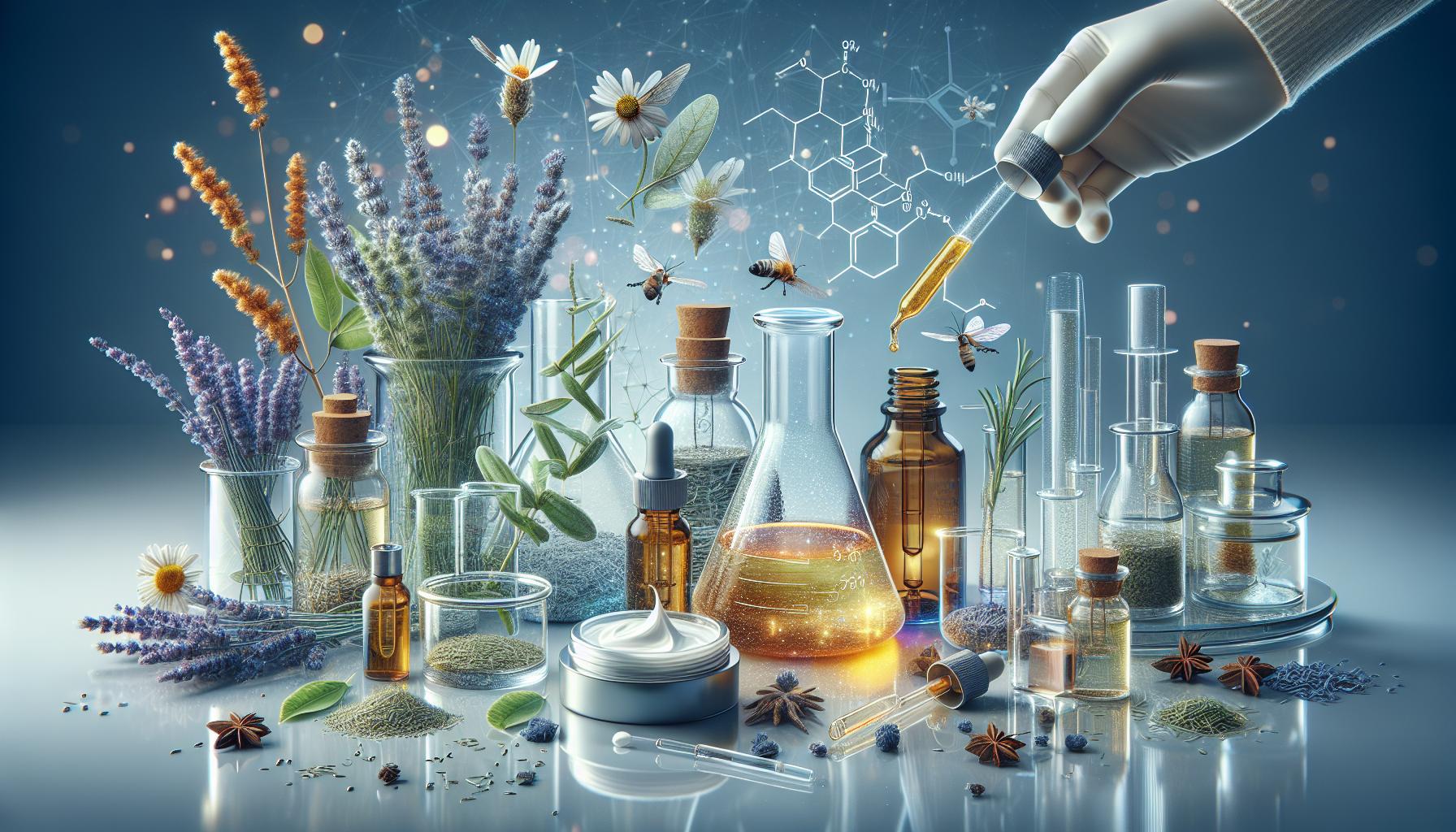
The quest for effective skincare solutions has evolved significantly, leading consumers to explore options infused with the enriching properties of nature. As a result, products containing herbal extracts have gained remarkable traction in the beauty industry, recognized for their numerous benefits that cater to a variety of skin concerns. From serum formulations to moisturizers, herbal ingredients are making their mark with diverse functionalities and captivating results.
One of the most compelling reasons to embrace herbal extracts is their antioxidant properties. For instance, green tea is not only revered for its health benefits when consumed but also celebrated for its ability to combat oxidative stress when applied topically. Rich in polyphenols, green tea helps neutralize harmful free radicals in the skin, which can lead to premature aging. Similarly, lavender oil, known for its calming aroma, also possesses potent antioxidant compounds that contribute to the skin’s defense mechanism against environmental damage.
In addition to their protective qualities, these extracts are also praised for their anti-inflammatory effects. Ingredients like chamomile and calendula are frequently used in skincare formulations aimed at soothing irritated or sensitive skin. Chamomile, for example, contains bisabolol, a compound that not only reduces inflammation but also promotes healing. Calendula is renowned for its skin-soothing properties and is often included in products designed for conditions like eczema or psoriasis, providing relief for those with chronic skin irritations.
Furthermore, herbal extracts like aloe vera and cucumber play a crucial role in hydration. Aloe vera is widely known for its ability to retain moisture, making it a staple in hydrating gels and creams. It also enhances skin elasticity, contributing to a youthful appearance. Cucumber, with its high water content, acts as a natural toner and hydrator, refreshing the skin and making it look revitalized. These ingredients not only enrich formulations but also connect consumers with the natural world, satisfying their desire for authenticity in the products they use.
The rising trend of herbal extracts signals a broader movement towards holistic wellness in skincare. Consumers are increasingly discerning, seeking transparency in ingredient sourcing and expressing a preference for clean beauty products. Brands are responding to this shift by incorporating herbal extracts into their offerings, promoting them not just for their effectiveness but also for their sustainable and eco-friendly credentials.
As we continue to delve into the world of herbal extracts, it becomes evident that these natural wonders are not merely fleeting trends; they are shaping the future of skincare formulations. With every application, they promise an experience that nurtures the skin while also connecting users to the earth’s bounty. By understanding the potential of these ingredients, consumers can better navigate their skincare choices, leading to enhanced routines that celebrate the vitality of nature.
Unpacking the Benefits of Herbal Extracts
Herbal extracts have become central to modern skincare formulations, and their benefits are as diverse as the ingredients themselves. These natural compounds, derived from various plants, possess unique attributes that can address a multitude of skin concerns. As brands increasingly embrace these botanical wonders, understanding their roles becomes essential for consumers aiming to enhance their skincare regimens.
Powerful Antioxidants for Skin Protection
At the forefront of the conversation on herbal extracts is their remarkable antioxidant capacity. Antioxidants play a critical role in neutralizing free radicals – unstable molecules that can lead to skin damage and aging. Some notable herbal extracts renowned for their antioxidant properties include:
- Green Tea: Packed with polyphenols, particularly EGCG (epigallocatechin gallate), which has been shown to protect skin cells from UV radiation damage.
- Rosemary: An often-overlooked herb that is rich in rosmarinic acid and carnosic acid, both of which exhibit strong antioxidant and anti-inflammatory effects.
- Pomegranate: Known for its high levels of punicalagins and anthocyanins, which can help stimulate collagen production and improve skin elasticity.
By incorporating these herbal extracts into various skincare products, manufacturers harness the power of nature to combat the harmful effects of environmental stressors, ensuring consumers receive products that not only improve appearance but also protect and nurture their skin.
Soothing Anti-Inflammatory Properties
In addition to antioxidant effects, many herbal extracts are lauded for their soothing and anti-inflammatory characteristics. This is particularly beneficial for individuals with sensitive or inflammatory skin conditions. Notable extracts include:
- Chamomile: Known for its calming scent, chamomile contains chamazulene, which helps reduce redness and irritation.
- Calendula: A powerful flower extract, calendula is often utilized in creams and ointments aimed at alleviating conditions such as dermatitis and acne.
- Turmeric: With its active component curcumin, turmeric is celebrated for its anti-inflammatory and antibacterial properties, making it a popular choice for combating acne.
Incorporating these extracts into skincare formulations allows consumers to address uncomfortable skin conditions effectively while enjoying the therapeutic benefits that these herbs offer.
Hydration Reimagined
Furthermore, herbal extracts are pivotal in promoting skin hydration. Ingredients such as aloe vera and hyaluronic acid from herbal sources have gained recognition for their ability to bind moisture to the skin. Aloe vera, prized for its lavish hydration properties, is often included in gels intended for post-sun exposure or for use after workouts. Its rich composition helps soothe the skin while delivering essential moisture.
Meanwhile, extracts derived from fruits like cucumber not only provide hydration but also serve as natural humectants. This means they attract water from the environment into the skin, resulting in a refreshed appearance. The meticulous blending of these herbal extracts into hydration-focused products reflects a thoughtful approach to skincare, marrying the wisdom of nature with modern scientific understanding.
The integration of these herbal extracts in skincare formulations illustrates their undeniable roles in creating effective, natural solutions that resonate with today’s health-conscious consumers. As individuals become increasingly aware of the ingredients they apply to their skin, the advantages offered by herbal extracts not only enhance the efficacy of products but also align with a lifestyle that values sustainability and health.
| Advantages | Details |
|---|---|
| Natural Ingredients | Herbal extracts are made from botanical sources, providing a safer alternative to synthetic compounds. |
| Rich in Antioxidants | Many herbal extracts contain powerful antioxidants that protect the skin from free radical damage. |
| Soothing Properties | Herbal extracts like chamomile and aloe vera are well-known for their calming effects on irritated skin. |
| Hydration | Extracts such as hibiscus promote moisture retention, keeping skin supple and hydrated. |
Modern skincare formulations increasingly incorporate herbal extracts due to their extensive range of benefits. With consumers becoming more aware and concerned about the ingredients in their skincare products, formulations that include herbal ingredients are gaining popularity. These extracts not only enhance the effectiveness of the products but also appeal to the growing preference for organic options in beauty routines.Moreover, many herbal extracts are known for their therapeutic properties. For instance, those derived from plants like tea tree and witch hazel are being researched for their potential role in controlling acne, providing an effective solution for blemish-prone skin. This natural approach is proving to be a fundamental component in the development of niche brands aimed at sustainability-conscious consumers. As the cosmetic industry continues its evolution, it’s clear that the integration of herbal extracts can lead to more personalized, effective, and eco-friendly skincare solutions. With ongoing studies further exploring these potent ingredients, the future of skincare holds exciting possibilities for enhancing skin health and overall beauty.
Harnessing Herbal Extracts for Skin Rejuvenation
As consumers continue to seek effective and natural alternatives in their skincare routines, the rejuvenating abilities of herbal extracts are proving to be a cornerstone of modern formulations. These extracts not only enhance skin health but also promote youthful vitality, making them highly sought after by beauty enthusiasts and skincare professionals alike.
Revitalizing Skin Cells
A pivotal quality of many herbal extracts lies in their ability to stimulate cell regeneration. For instance, ginseng, a long-celebrated herbal remedy, is known for its potential to energize skin cells. Rich in ginsenosides, ginseng can improve circulation and cellular turnover, leading to brighter and more vibrant skin. This makes it a perfect ingredient for serums and creams aimed at reviving tired or aging skin.
Moreover, Gotu Kola—a herb traditionally used in Ayurvedic medicine—has garnered attention for its capability to boost collagen production and accelerate wound healing. Its high concentration of saponins aids in strengthening the skin and improving elasticity, which is particularly beneficial for aging skin showing signs of sagging.
Natural Exfoliation for a Healthy Glow
Exfoliation is a crucial part of any skincare regime, and certain herbal extracts excel in providing a gentle, natural alternative to chemical exfoliants. AHA-rich plant extracts, such as those derived from sugarcane and maple, not only remove dead skin cells but also enhance skin radiance. By including these extracts in formulations, brands cater to those with sensitive skin who may experience irritation from traditional exfoliants.
Pineapple extract, containing bromelain, is another excellent example. Its enzyme properties help dissolve dead skin cells while promoting a smoother texture. This makes it particularly desirable in face masks and exfoliating scrubs aimed at revitalizing dull skin.
Balancing Oily and Acne-Prone Skin
Consumers battling oily or acne-prone skin often turn to herbal extracts for their reputation in balancing sebum production and addressing breakouts. Sage, known for its antibacterial properties, can help control acne while offering an astringent effect that tightens the pores. Another potent extract, willow bark, offers a natural source of salicylic acid, a key ingredient in acne treatments known for its ability to unclog pores and reduce inflammation.
Furthermore, the inclusion of Neem in skincare formulations highlights the movement towards herbal solutions for acne issues. This powerful extract possesses antiseptic properties that not only help to combat existing blemishes but also prevent the formation of new ones, making it a staple in many anti-acne products.
With these various roles played by herbal extracts, it becomes clear that their incorporation into modern skincare formulations goes beyond mere trends. They are infused with a wealth of benefits that cater to diverse skin types and conditions, addressing everything from hydration to rejuvenation, all while emphasizing nature’s potential in the beauty industry.
As research continues to uncover the myriad advantages of using herbal extracts in skincare, the future looks promising for consumers seeking effective, natural solutions. Understanding these dynamic ingredients allows consumers to make informed choices that not only enhance their natural beauty but also promote overall skin health.
Conclusion: Embracing the Power of Nature in Skincare
In the evolving landscape of skincare, herbal extracts have established themselves as indispensable allies in the quest for healthy, radiant skin. By seamlessly integrating age-old knowledge with contemporary formulations, these natural ingredients cater to the diverse needs of all skin types. From stimulating cell regeneration with invigorating botanicals like ginseng to providing gentle exfoliation through AHA-rich plant extracts, the versatility of herbal solutions speaks volumes about their efficacy.
Furthermore, the growing emphasis on sustainability and clean beauty choices positions herbal extracts as a preferred option for consumers seeking more natural alternatives. The understanding that nature can offer potent remedies fosters a deeper connection to our environment, encouraging a more thoughtful approach to skincare. As brands recognize the demand for herbal infusions, formulations are increasingly enriched with plants like Neem and Sage, pivotal in addressing common concerns like acne and oiliness.
As research sheds light on their unique benefits, herbal extracts are poised to shape the future of skincare, making it vital for consumers to stay informed about these innovative ingredients. By embracing the power of nature, individuals can not only enhance their beauty but also support healthier skin with peace of mind. A new era of skincare is upon us, where the synergy between science and tradition will continue to unlock the secrets of timeless beauty.