The Effectiveness of Natural Ingredients in Skin Hydration

The Relevance of Natural Ingredients in Skincare
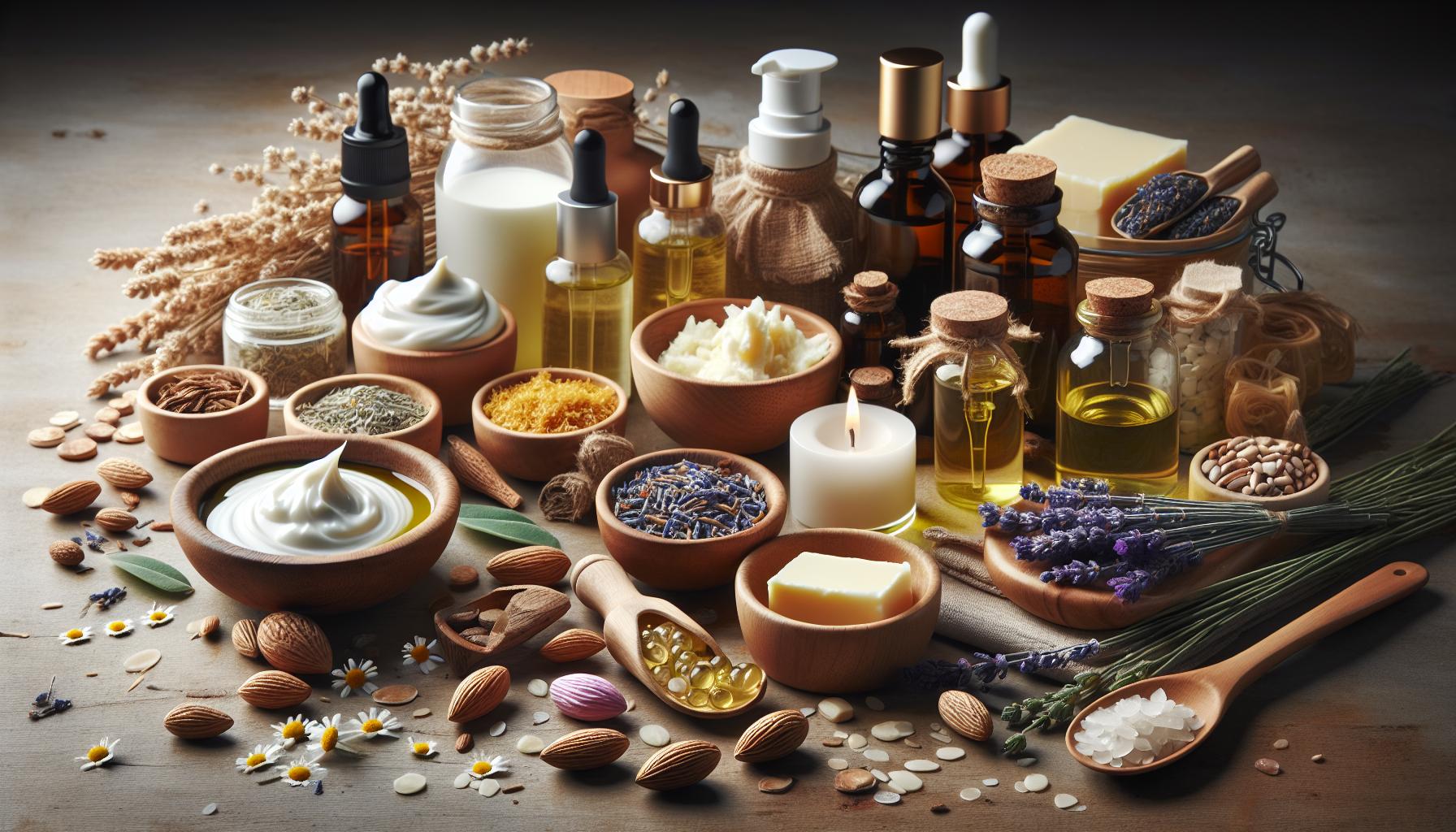
In the pursuit of a radiant complexion, many individuals have turned their attention to natural ingredients that promise to deliver effective hydration while minimizing the risk of harmful side effects often associated with synthetic products. The vast array of skincare options can be overwhelming, but understanding which natural elements effectively contribute to skin health can simplify this journey. As consumers become more conscientious of ingredient lists, the discussion around skincare increasingly revolves around nature’s offerings.
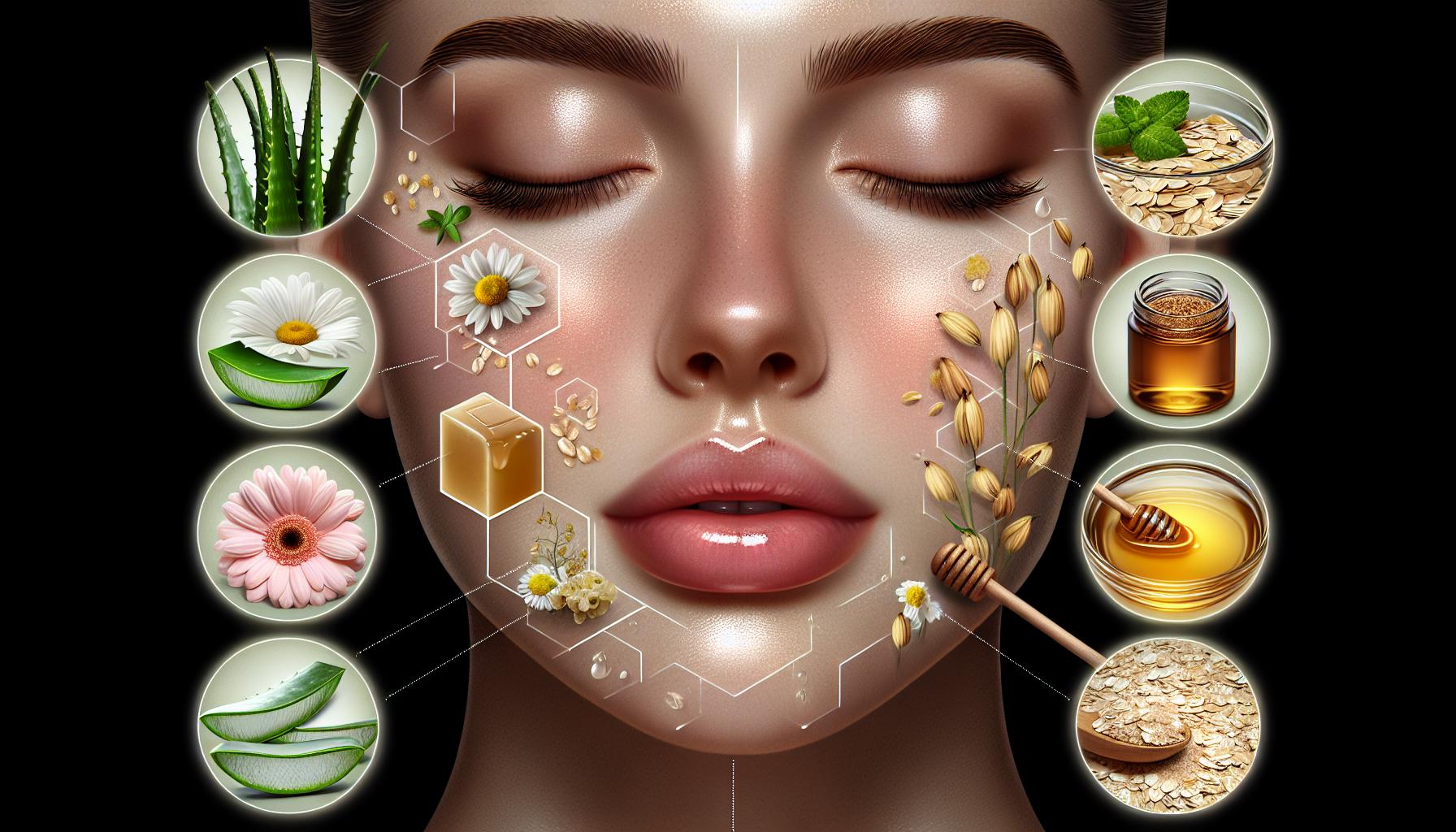
A prominent example of a natural ingredient with a proven track record is Aloe Vera. This succulent plant has been revered for centuries not only for its soothing properties but also for its ability to retain moisture effectively. Loaded with vitamins, minerals, and amino acids, Aloe Vera acts as a humectant, drawing water into the skin and keeping it hydrated. Studies consistently confirm that its antioxidant and anti-inflammatory properties may help reduce redness and irritation, making it ideal for sensitive skin types.
Another essential ingredient gaining traction is Jojoba Oil. This oil is unique because it closely resembles the skin’s sebum, the natural oil produced by our bodies. When applied, Jojoba Oil can help balance oil production, effectively providing hydration without clogging pores. Its stability and ability to penetrate the skin barrier make it an excellent choice for both dry and oily skin types, providing hydration without greasiness.
Coconut Oil also deserves a spotlight due to its rich composition of fatty acids, including lauric acid, which contributes to its antimicrobial properties. By forming a protective barrier on the skin, coconut oil locks in moisture, preventing transepidermal water loss. This feature is especially beneficial in arid climates, prevalent across many regions in the United States, where dry skin is a common concern.
Moreover, the fascination with these natural components is supported by ongoing research that highlights their additional benefits. For instance, natural extracts have been found to possess anti-inflammatory and antioxidant qualities, which can combat free radicals and reduce signs of aging. As the clean beauty movement gains momentum in the United States, these scientifically backed benefits further affirm the efficacy of choosing nature’s solutions over chemical-laden alternatives.
In conclusion, as more and more eco-conscious brands emerge on the market, it becomes crucial for consumers to explore the depths of what natural ingredients can offer. Armed with knowledge about ingredients like Aloe Vera, Jojoba Oil, and Coconut Oil, individuals can make informed decisions that enhance their skincare routines, fostering both health and vitality in their skin. The time is ripe to embrace nature’s gifts for lasting hydration and revitalized beauty.
DISCOVER MORE: Click here to uncover the benefits of natural ingredients
Unlocking Nature’s Secrets for Skin Hydration
Natural ingredients have stood the test of time as effective agents for skin hydration, with a plethora of options offering unique benefits tailored to various skin types. In a world increasingly dominated by synthetic substances, the spotlight on these organic compounds is not merely a trend; it is rooted in centuries of usage backed by growing scientific evidence. As consumers, understanding the specifics of how these ingredients work can empower us to make better choices for our skincare regimens.
Among the leaders in natural hydration is Shea Butter, a fat extracted from the nuts of the African shea tree. This rich emollient is packed with vitamins A and E, which are crucial for nourishing and hydrating the skin. Shea Butter works by creating a protective barrier, effectively sealing in moisture and preventing dryness, especially during harsh winter months when skin tends to lose its natural hydration more rapidly. Its ability to soothe and soften the skin makes it a staple in many moisturizer formulations.
Another noteworthy contender in the realm of natural ingredients is Honey. Revered since ancient times for its therapeutic properties, honey is not just a sweetener but also a powerful humectant. It attracts moisture from the environment into the skin, making it an effective hydrating agent for individuals battling dryness. Additionally, honey’s natural antibacterial properties can aid in combating acne, providing dual functionality that resonates well with those looking for multiple benefits from their skincare products.
- Aloe Vera: Best known for soothing sunburns, it is an incredibly versatile ingredient for hydration.
- Jojoba Oil: Replicates skin’s sebum, offering hydration without clogging pores.
- Shea Butter: Forms a protective barrier and enriches the skin with vitamins.
- Honey: A natural humectant that draws moisture and offers antibacterial properties.
- Coconut Oil: Contains fatty acids that lock in moisture and protect the skin.
Furthermore, incorporating other natural ingredients such as Avocado Oil can significantly enhance skin hydration. Rich in fatty acids, vitamins, and antioxidants, avocado oil penetrates deep into the skin, delivering moisture and enhancing elasticity. Its healing properties can also benefit dry, damaged skin, making it an excellent choice for those seeking rejuvenation and nourishment through their skincare routine.
The rise of the clean beauty movement in the United States has also played a pivotal role in shifting consumer preferences towards products infused with natural hydration ingredients. Brands that prioritize transparency in ingredient sourcing and formulation are becoming increasingly popular, setting the stage for broader acceptance and demand for natural skincare solutions. This reflects a growing awareness of the potential risks associated with chemicals in beauty products, driving many individuals to seek safer, effective alternatives.
As knowledge about the effectiveness of natural ingredients continues to progress, consumers are encouraged to delve deeper into the world of botanical hydration. Understanding the science behind these ingredients not only showcases their effectiveness but also instills confidence in choosing them as part of an essential skincare regimen. From longstanding favorites like honey and shea butter to emerging powers like avocado oil, nature offers a treasure trove of hydration solutions waiting to be explored.
The Effectiveness of Natural Ingredients in Skin Hydration
When it comes to skin hydration, natural ingredients have been gaining traction for their effectiveness and inherent benefits. Many consumers are increasingly shifting away from synthetic products with harsh chemicals, seeking instead the gentleness and nourishment that nature has to offer. Natural ingredients, such as aloe vera, coconut oil, and hyaluronic acid, have been celebrated not only for their moisturizing properties but also for their ability to restore and enhance the skin’s natural barrier.
Aloe vera, for example, is renowned for its hydrating and soothing properties. It contains a high content of water and essential vitamins, making it a perfect candidate for those looking to maintain optimal skin moisture levels. Similarly, coconut oil is loaded with fatty acids that not only hydrate but also offer antimicrobial benefits, making it ideal for preventing infections and promoting overall skin health.
Moreover, ingredients like hyaluronic acid—found naturally in the human body—can hold up to 1000 times its weight in water, making it a powerhouse in hydration. This ingredient not only moisturizes but also plumps the skin, giving it a youthful appearance.
| Natural Ingredient | Benefits |
|---|---|
| Aloe Vera | Soothes and hydrates skin; rich in vitamins. |
| Coconut Oil | Moisturizes and possesses antimicrobial properties. |
| Hyaluronic Acid | Holds moisture; plumps skin for a youthful look. |
This growing trend toward natural ingredients signifies a larger movement towards sustainable beauty practices. Consumers are increasingly valuing not only the effectiveness of the products they use but also the sourcing and environmental impact of those ingredients. For those interested in exploring these options, the realm of natural skin care provides a plethora of choices that can effectively nourish and hydrate the skin, ensuring a beautiful and healthy complexion.
DISCOVER MORE: Click here to learn about your ideal cleanser
The Science Behind Nature’s Hydration Powers
Delving deeper into the science of natural ingredients reveals fascinating interactions with our skin’s physiology, particularly when it comes to hydration. One such ingredient, Hyaluronic Acid, though naturally occurring in the body, can be derived from various plant sources for use in skincare. Its notable ability to hold up to 1000 times its weight in water makes it a prized component in keeping skin plump and hydrated. Hyaluronic acid draws moisture from the environment and locks it in, making it ideal for individuals prone to dryness. This can lead to a noticeable reduction in fine lines and improved skin elasticity, reinforcing its efficacy in natural skincare products.
Equally compelling is the role of Green Tea Extract. Rich in polyphenols, this natural ingredient offers exceptional antioxidant properties that combat free radicals, which can dehydrate and damage skin cells. Research indicates that green tea can enhance skin hydration by boosting circulation and promoting a healthy skin barrier. Incorporating products with green tea into a daily regimen not only hydrates the skin but also provides anti-aging benefits, which are especially appealing in today’s beauty market.
The Role of Essential Oils in Hydration
Another intriguing avenue of exploration is the use of essential oils, which are becoming popular in the search for natural skin hydration treatments. Lavender Oil, for example, is well known for its calming properties, but it also has been shown to enhance skin hydration while promoting healing due to its anti-inflammatory characteristics. Similarly, Rosehip Oil, rich in essential fatty acids and antioxidants, not only hydrates but helps improve skin texture, making it a powerful ally for dry and aging skin.
Moreover, many consumers are discovering the benefits of Native American remedies like Burdock Root, which is often overlooked. Traditionally used for its detoxifying properties, research indicates that Burdock root has hydrating effects, partially achieved through its potential anti-inflammatory qualities. Incorporating such traditional ingredients into modern formulations signifies a bridging of ancient wisdom and contemporary skincare practices.
DIY Options: Crafting Homemade Hydrating Solutions
The quest for natural hydration is not limited to commercial products. Many individuals are turning to homemade skincare solutions. For example, a simple blend of coconut oil and sugar can create an effective scrub that not only exfoliates but also deeply moisturizes the skin. The fatty acids in coconut oil penetrate and hydrate, while sugar removes dead skin cells, allowing for better absorption of moisture.
In addition, a mask made from mashed bananas and honey can deliver immediate hydrating benefits. Bananas contain natural oils and potassium, which nourishes and hydrates the skin. When combined with honey’s humectant properties, this mask can rejuvenate dull skin and offer hydration that feels fresh and revitalized.
With robust scientific evidence supporting the effectiveness of these ingredients, it becomes clear that natural hydration solutions stand out not only for their efficacy but also for their largely gentle profiles. This makes them suitable for a wide range of skin types, including sensitive skin, providing an attractive alternative to harsh synthetic ingredients commonly found in commercial products.
As the dialogue around skin hydration continues to evolve, consumers are further encouraged to experiment with these natural ingredients, fostering a deeper understanding of what promotes skin health from the inside out. Such explorations into nature’s pantry promise a comprehensive approach to hydration that is both creative and effective, allowing individuals to maintain a skin regime rooted in health consciousness and sustainability.
DON’T MISS: Click here for essential skincare tips
Conclusion: Embracing Nature for Radiant Skin
As we stand at the intersection of nature and skincare, the effectiveness of natural ingredients in skin hydration is becoming increasingly clear. From the remarkable moisture-retaining abilities of Hyaluronic Acid to the rejuvenating properties of Green Tea Extract, it is evident that nature holds a wealth of solutions to combat dehydration and promote healthy, radiant skin. Moreover, the incorporation of essential oils like Lavender and Rosehip offers not just hydration, but also therapeutic benefits, making them multifaceted allies in skincare routines.
The exploration of traditional remedies, such as Burdock Root, underscores an important shift towards valuing ancient wisdom in modern skincare formulations. This bridging of tradition and innovation invites consumers to rediscover the potent hydrating effects of natural ingredients that have stood the test of time. The rise of homemade skincare solutions also empowers individuals to take control of their skin health, crafting personalized products that align with their unique needs and preferences.
In a landscape often saturated with synthetic alternatives, embracing natural hydration methods is not just beneficial, it is a sustainable choice that advocates for both skin health and environmental responsibility. Moving forward, consumers are encouraged to explore these natural options, engaging in a mindful journey towards understanding their skin’s needs and celebrating the power of nature in their daily beauty rituals. Ultimately, the effectiveness of natural ingredients in skin hydration promises a holistic approach to skin health—one that values gentleness, efficacy, and a resolute connection to the earth.