How to Choose Natural Ingredients for Your Skincare Routine
The Rise of Natural Ingredients in Skincare
As consumers become more health-conscious and environmentally aware, there is a notable shift towards natural ingredients in skincare products. This trend is driven by a desire to understand and appreciate what is applied to our skin, as well as the potential side effects of synthetic substances found in many commercial products. Selecting the right components is essential for achieving healthy skin while minimizing exposure to harsh chemicals that may cause irritation or long-term damage.
Considerations for Choosing Natural Skincare Ingredients
When navigating the vast landscape of natural skincare ingredients, it is crucial to consider several factors that will enhance your shopping experience and promote skin health.
- Source: Prioritize ingredients that are sustainably sourced, organic, and cruelty-free. For example, brands like Burt’s Bees or Pai Skincare emphasize their commitment to ethical sourcing and often provide transparency regarding their supply chains.
- Efficacy: Research the benefits of various ingredients based on your specific skin type. For instance, if you have oily skin, incorporating ingredients like witch hazel can help manage excess oil production, while dry skin may benefit from the hydrating properties of hyaluronic acid.
- Allergens: Even natural products can trigger allergic reactions in some individuals. Always conduct a patch test before fully integrating a new product into your regimen, especially if you have known sensitivities to certain plants or botanical extracts.
Exploring Popular Natural Ingredients
The plethora of natural ingredients available can be both exhilarating and daunting. Here are a few popular options that have proven their worth in the skincare community:
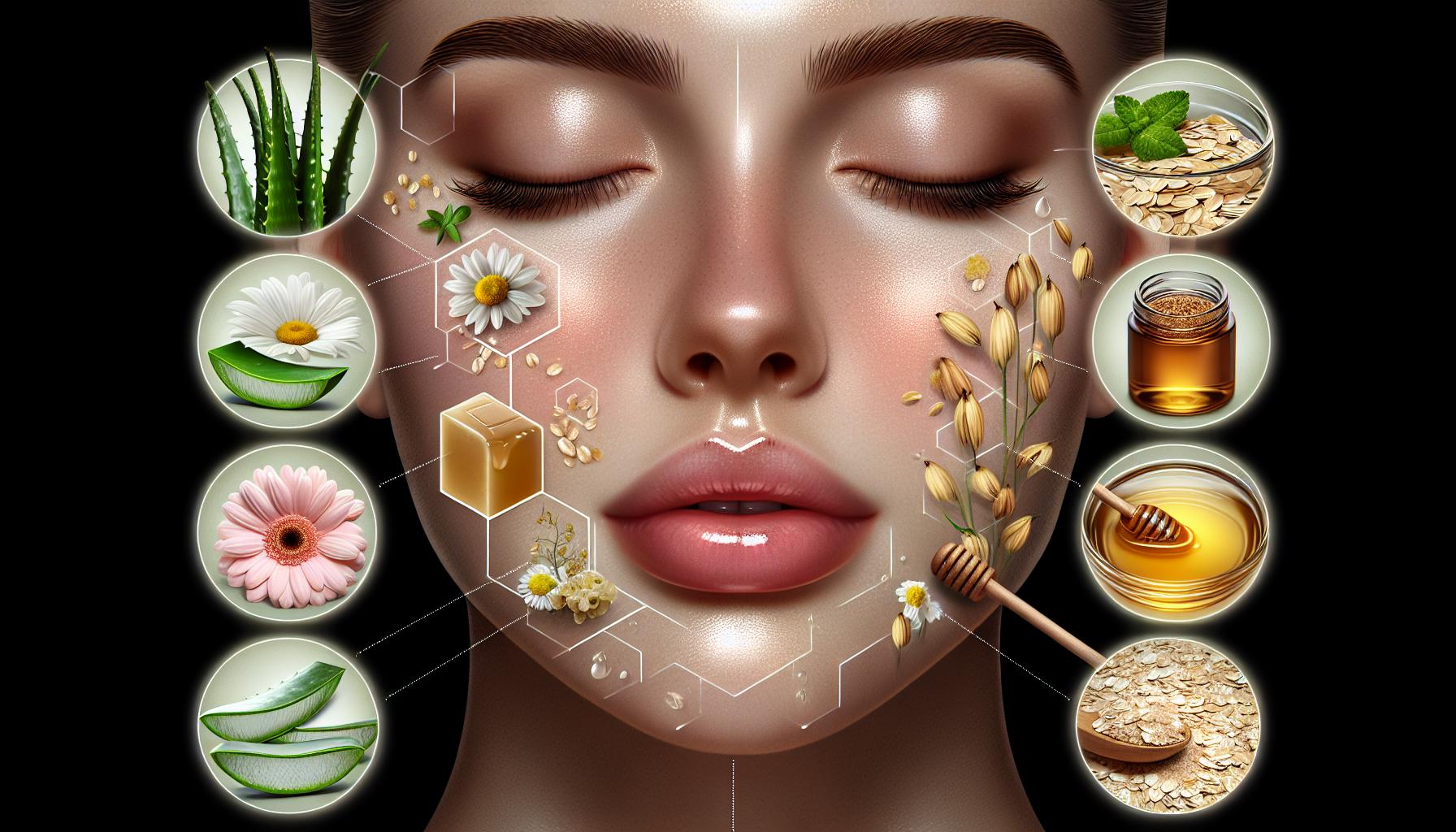
- Aloe Vera: Known for its soothing and moisturizing properties, aloe vera is a common ingredient in after-sun care products due to its ability to calm irritated skin. It boasts anti-inflammatory properties that can help relieve sunburn and other skin irritations.
- Shea Butter: Packed with vitamins A and E, shea butter is an excellent choice for individuals with dry skin. Its emollient properties provide deep hydration, making it a popular ingredient in body butters and lip balms.
- Tea Tree Oil: Renowned for its potent antiseptic qualities, tea tree oil is often incorporated into skincare routines for acne-prone skin. It helps reduce inflammation and combats acne-causing bacteria, offering a natural alternative to harsh synthetic treatments.
Embarking on Your Natural Skincare Journey
By extensively researching and exploring these natural ingredients, you can curate a personalized skincare routine that aligns with both your values and your skin health aspirations. The journey to better skin awaits as you dive deeper into the world of natural ingredients. Many brands even offer sample sizes or starter kits, allowing you to experiment with different products without committing to full-sized versions right away.
As you explore the natural skincare landscape, consider leveraging online communities or forums to connect with other like-minded individuals. By sharing tips and experiences, you can remain informed about the latest trends in natural skincare and discover efficacious formulations that truly resonate with your skin’s unique needs.

Ultimately, the power to choose healthy, natural alternatives for your skincare lies in your hands—take that first step toward a more informed and empowering skin health journey.
DISCOVER MORE: Click here to find out what’s best for your skin
Understanding Your Skin Type
Before diving into the world of natural skincare ingredients, it’s essential to understand your skin type. This foundational knowledge will guide you in selecting products that not only feel good on your skin but also address its specific needs effectively. Skin types generally fall into one of five categories: oily, dry, combination, sensitive, and normal.
- Oily Skin: Characterized by excess sebum production, individuals with oily skin may experience shine and frequent breakouts. When selecting natural ingredients, look for options such as witch hazel or tea tree oil, which can help regulate oil production and combat acne.
- Dry Skin: Those with dry skin often suffer from tightness, flakiness, and irritation. Such individuals should seek ingredients that provide intense hydration, such as sheer butter or hyaluronic acid, to nourish and moisturize the skin effectively.
- Combination Skin: A mix of oily and dry areas, combination skin can be tricky to manage. Ingredients like aloe vera can help balance moisture while providing soothing properties that benefit both dry and oily patches.
- Sensitive Skin: Prone to redness, irritation, and allergic reactions, sensitive skin requires ingredients that are gentle and calming. Natural soothing agents like chamomile or calendula are excellent choices for maintaining skin health without triggering irritation.
- Normal Skin: Normal skin typically exhibits a balanced texture without excessive oiliness or dryness. Individuals with this skin type can experiment with a variety of ingredients, focusing on those that boost overall radiance and health.
Research Ingredients Thoroughly
Once you have identified your skin type, the next step is to research specific natural ingredients that align with your skin’s needs. This involves going beyond trendy claims and delving into the scientific benefits of each component. Resources like online databases, skincare blogs, and peer-reviewed journals can provide valuable insights into the efficacy of various natural ingredients.
For instance, green tea extract is known for its antioxidant properties and is a fantastic ingredient for protecting the skin from environmental stressors while promoting a youthful appearance. Similarly, argan oil is rich in essential fatty acids, making it a superb option for hydration and nourishment, particularly for dry and aging skin types.
Furthermore, pay attention to how these ingredients are formulated within the product. The concentration and pH levels can significantly affect the efficacy of natural ingredients. Understanding this can help you make informed decisions, ensuring that you not only buy natural but also effective skincare products.
As you embark on this exciting journey, keep in mind that everyone’s skin is unique; what works for one person may not necessarily yield the same results for you. Therefore, taking the time to learn about your skin and the natural ingredients available will empower you to create a skincare routine that is both personal and effective.
To better navigate the world of natural skincare, understanding the components and benefits of different ingredients is crucial. Choosing natural ingredients not only aligns with a holistic approach to beauty, but also minimizes exposure to synthetic chemicals that could irritate the skin. Factors like sourcing, potency, and compatibility with skin types are foundational when selecting the right products.One must first consider the skin’s unique needs. For instance, oily skin may benefit from ingredients such as tea tree oil, known for its antibacterial properties, while dry skin individuals might find relief in the nourishing qualities of shea butter. Understanding how these components function can inform better choices.Additionally, investigating the sources of ingredients plays a vital role in their efficacy. Ingredients derived from organic sources are often more potent because they lack the toxins and pesticides found in conventional farming. Moreover, local ingredients not only support sustainability but also resonate with the history and tradition of a region, enhancing the ritualistic experience of skincare.Furthermore, it’s essential to keep an eye on preservatives and artificial fragrances that can negate benefits. The quest for a glowing complexion can often be hindered by hidden irritants. A clean label approach, which emphasizes transparency and simplicity in the ingredient list, serves as a guiding principle.As you delve deeper into the skincare realm, consider embracing a DIY approach. Creating custom blends tailored to your skin’s needs can be both empowering and effective. Use natural items you might already have at home, like honey, known for its moisturizing and antibacterial properties, or coconut oil, a fantastic moisturizer and skin barrier.By arming yourself with knowledge about natural ingredients, you can curate a skincare routine that not only enhances beauty but also contributes to overall wellness. Each product becomes a choice that reflects your personal values and skin health. Expanding your understanding of the vast array of options available empowers you not merely to adopt natural skincare but to embrace it wholeheartedly.
DISCOVER MORE: Click here to learn about the future of beauty
Evaluating Ingredient Labels
After gaining a solid understanding of your skin type and the impressive benefits of various natural ingredients, the next step in the journey towards selecting the best natural skincare products is to master the art of reading and evaluating ingredient labels. This skill can significantly influence the effectiveness of your skincare routine.
One of the first things to look for on an ingredient label is the INCI (International Nomenclature of Cosmetic Ingredients) names. This systematic naming convention provides a standard format for identifying ingredients, making it easier for consumers to understand what they are putting on their skin. For instance, instead of tracking down “shea butter,” you’ll find it listed as “Butyrospermum parkii,” the scientific term that may appear repeatedly across different product formulations.
When assessing a skincare product, pay attention to the order of ingredients. Ingredients are typically listed in descending order by their concentration, meaning that those listed first are present in the largest amounts. Therefore, if you’re seeking a product that prioritizes a specific natural ingredient, ensure it appears near the top of the list. For example, if you’re searching for the moisturizing benefits of aloe vera, verify that “Aloe Barbadensis Leaf Juice” is listed prominently.
Checking for Certifications
In addition to scrutinizing the ingredient list, look for reputable certifications that signify the product’s authenticity and quality. Certifications such as USDA Organic, Natural Seal, or Leaping Bunny can assure you that a product is not only derived from natural sources but is also free from harmful chemicals and not tested on animals. While these labels may increase the cost of a product, they can serve as a reliable guide for making conscientious purchasing decisions.
- USDA Organic: This label indicates that the product is composed of at least 95% organic ingredients, providing peace of mind in terms of natural sourcing.
- Natural Seal: Products bearing this mark have been verified to contain a certain percentage of natural ingredients, above and beyond synthetic alternatives.
- Leaping Bunny: A stand-out for those who prioritize ethical choices, this certification signifies that no animal testing was involved in the product’s development.
Patch Testing New Ingredients
Even with thorough research, individual reactions to skincare products can vary widely. Therefore, it is advisable to conduct a patch test before fully integrating new ingredients or products into your routine. This simple process involves applying a small amount of the product to a discreet area of skin, typically on the inner forearm or behind the ear, and observing for any adverse reactions over a 24-48 hour period.
Should any irritation, redness, or discomfort arise, it might be a sign that the ingredient does not mesh well with your skin. Furthermore, keep in mind that gradual integration into your skincare regime is essential. Introducing multiple new products all at once can make it difficult to identify which ingredient is beneficial or problematic.
In a world where consumer choices abound and new products consistently flood the market, making informed decisions regarding natural ingredients can lead to the development of a skincare routine that not only nurtures your skin but also aligns with your philosophy on health and wellness.
DISCOVER MORE: Click here to explore the latest trends
Final Thoughts on Choosing Natural Skincare Ingredients
In a consumer landscape overflowing with skincare options, the journey to selecting the right natural ingredients for your routine can seem daunting, but it is also incredibly rewarding. By understanding your unique skin type and the benefits of various ingredients, you lay a strong foundation for effective skincare. Mastering the practices of evaluating ingredient labels, checking for trustworthy certifications, and conducting patch tests allows you to navigate this vibrant market with confidence.
Remember that not every natural ingredient will suit everyone. Individual reactions to ingredients can vary, emphasizing the importance of a personalized approach to skincare. As you pour over product labels, keep in mind the significance of ingredient order and the credibility of certifications like USDA Organic or Leaping Bunny. These labels not only guide you towards higher-quality products but also align with a commitment to ethical consumerism.
Ultimately, the art of choosing natural skincare ingredients involves a blend of knowledge, intuition, and mindfulness. As you refine your approach, you may find that not only does your skin thrive but your overall well-being benefits, too. By investing time in understanding what you apply on your skin, you embark on a journey that reflects a deeper commitment to health, beauty, and the environment. So, dive into this exploration with curiosity, and let your skincare routine become a canvas for your values and self-expression.