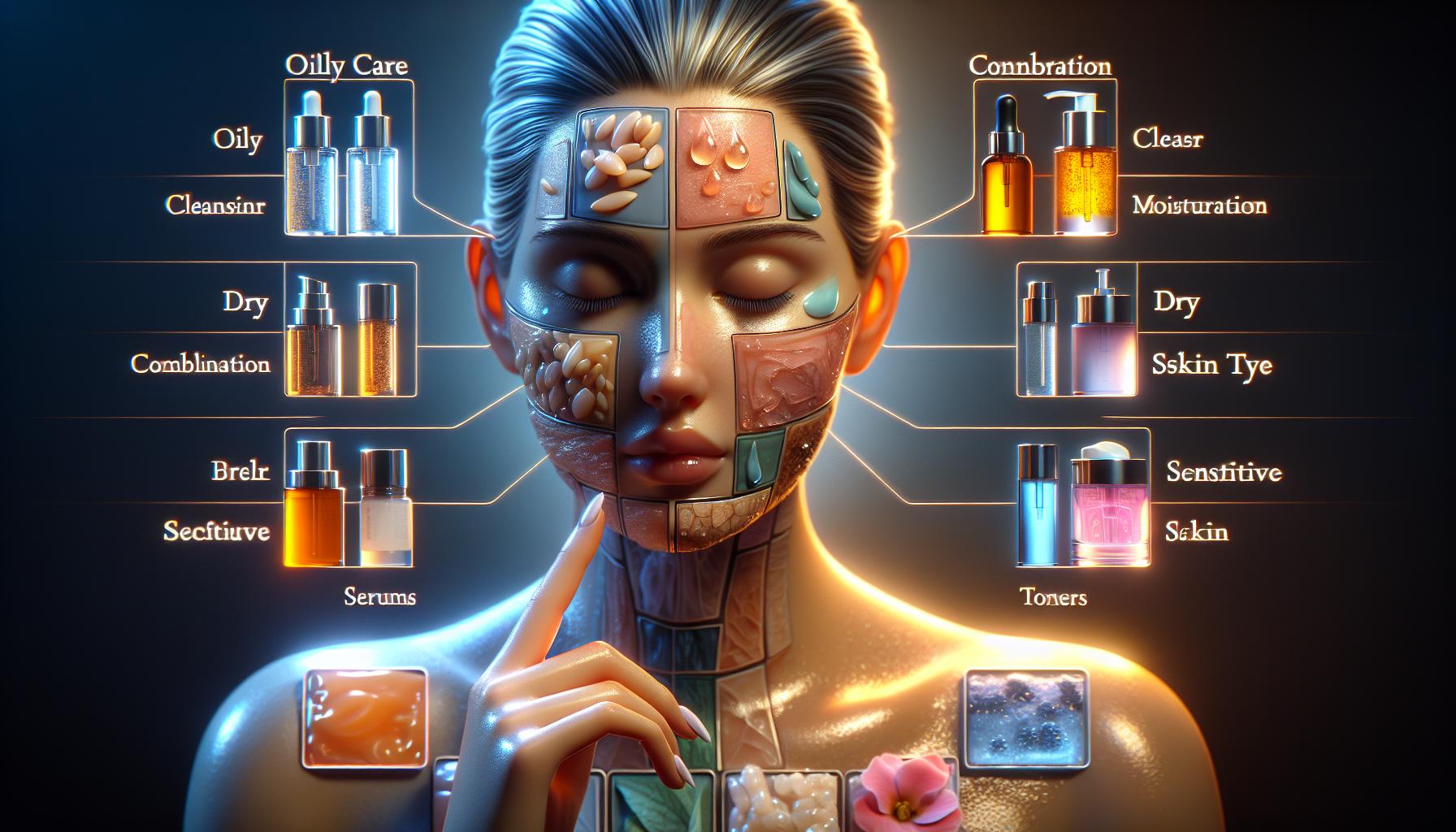
Skincare for Different Skin Types: How to Adapt Your Routine for Optimal Results

Skincare is not a one-size-fits-all journey. Each individual’s skin possesses unique characteristics that demand tailored care. Understanding your unique skin type is pivotal as it forms the bedrock on which you can build an effective skincare regime. Whether you have oily, dry, combination, or sensitive skin, your routine should reflect these differences for optimal results.
Identifying Skin Types
Identifying your skin type can sometimes feel like a puzzle, but the pieces are often right in front of you, waiting to be assembled. Here’s a closer look at the most common skin types and their distinctive features:
- Oily Skin: Characterized by a shiny complexion, larger pores, and a tendency to develop blackheads, this skin type often suffers from breakouts. Individuals with oily skin may notice their faces feeling greasy, especially during warmer months or after workouts. Regular exfoliation and using oil-free moisturizers can help manage excess oil.
- Dry Skin: This skin type often feels tight or rough, and may also exhibit flakiness. People with dry skin may find that their skin looks dull or lacks vitality. A focus on hydration is essential, and incorporating moisturizing treatments such as serums or oils can significantly improve the skin’s texture and appearance.
- Combination Skin: As the name suggests, this type encompasses characteristics of both oily and dry skin. Typically, individuals notice their T-zone (forehead, nose, and chin) is oilier, while the cheeks may feel parched. The key to managing combination skin is to use products that balance these conflicting elements, such as lightweight moisturizers or targeted treatments.
- Sensitive Skin: Prone to irritation, redness, and reactions, this skin type requires gentle care. Sensitive skin can react adversely to various environmental factors, such as pollution or temperature changes. It’s crucial to opt for hypoallergenic products and to always patch-test new items before fully integrating them into your regimen.
Why Adapt Your Routine?
Adapting your skincare routine not only enhances the effectiveness of the products you use but also helps in preventing potential issues. Each skin type has unique needs, and tailoring your approach can yield fantastic results. For instance, a targeted routine can:
- Address specific concerns like acne or dryness; for oily skin, incorporating salicylic acid can control breakouts, while those with dry skin benefit from rich creams to lock in moisture.
- Enhance your skin’s natural glow and health; using vitamin C serums can brighten dull skin, irrespective of the skin type.
- Prevent adverse reactions, especially for sensitive skin types; using fragrance-free products and avoiding alcohol-based formulations can significantly reduce irritation.
By diving deeper into individualized skincare solutions, you open the door to healthier, more radiant skin. Each type demands a unique approach, and understanding these nuances is key to your skincare success. Remember, the journey to beautiful skin begins with the commitment to understand your unique needs, and with the right knowledge, your efforts can lead to transformative results.
DISCOVER MORE: Click here to learn about the significance of natural ingredients

Understanding Your Skin Type: The Foundation of Skincare
To embark on a successful skincare journey, knowledge is essential. Understanding your unique skin type is not just beneficial; it is the core element that should shape your entire routine. The skin, as the largest organ of the body, reflects not only our external environment but also our internal health and lifestyle choices. Thus, it is vital to engage in a careful and personalized assessment of your skin, its needs, and, perhaps most importantly, its responses to various products.
Skin Type Assessments: Techniques and Tips
Pinpointing your skin type can be a simple yet insightful process. One effective technique is the ‘bare-faced test.’ This involves cleansing your face with a mild cleanser, allowing it to rest without products for about an hour, and then observing how it feels. Here’s a breakdown of what you might encounter:
- If your skin feels tight and rough: You may be dealing with dry skin. Look for indications of flakiness or redness in particularly dry areas.
- If you notice shine, particularly on your forehead, nose, and chin: You likely have oily skin. Pay attention to breakouts or blackheads that may accompany this skin type.
- If some areas feel oily while others are dry: You have combination skin. The goal here is to find a balance by using different products for localized areas.
- If your skin reacts quickly to products and environmental factors: You should exercise caution as you might have sensitive skin. Look for any signs of redness or irritation.
Furthermore, incorporating a few additional factors can expand on this assessment. Consider your age, location, and lifestyle, as these can all influence skin health. For instance, aging can lead to a decrease in natural oils, shifting your skin type from combination to dry. Similarly, if you live in a humid climate, your skin could trend towards oiliness, while dry, cold climates may aggravate sensitivity and dryness. Hence, adaptiveness is key.
Essential Products Based on Skin Type
Each skin type requires a unique set of products tailored to its specific needs. Here’s a closer look at products that can significantly enhance your routine based on skin classification:
- For oily skin: Opt for non-comedogenic moisturizers and gel-based cleansers that contain ingredients like benzoyl peroxide or salicylic acid to help reduce oil and prevent breakouts.
- For dry skin: Choose thick creams or oils infused with hyaluronic acid, glycerin, and ceramides to provide deep hydration and restore the skin barrier.
- For combination skin: A dual approach is necessary. Employ lightweight moisturizers for oily areas while using richer creams on dry patches.
- For sensitive skin: Focus on gentle, fragrance-free formulations that are hypoallergenic. Ingredients like aloe vera and chamomile can help reduce irritation.
Recognizing your skin type and adapting your routine accordingly is a dynamic process. Changes in weather, diet, and stress levels can all impact your skin’s needs, making it essential to regularly evaluate and adjust your skincare regimen. By fostering a deeper understanding of your unique skin characteristics, you pave the way for enhanced vitality and resilience, ensuring that your skincare efforts are indeed rewarded.
Understanding Skin Types for Tailored Treatments
It is essential to recognize that not all skin is created equal; each type comes with distinct characteristics and needs that require tailored treatments. The primary skin types include oily, dry, combination, and sensitive, and understanding them is the first step in building an effective skincare routine.
| Skin Type | Recommended Products |
|---|---|
| Oily Skin | Lightweight moisturizers, salicylic acid, clay masks |
| Dry Skin | Rich moisturizers, hyaluronic acid, argan oil |
| Combination Skin | Gentle cleansers, multi-masking products |
| Sensitive Skin | Fragrance-free products, aloe vera, chamomile |
DIVE DEEPER: Click here to uncover the latest trends
Daily Routines Tailored to Skin Types
A skincare routine is pivotal in maintaining skin health and achieving optimal results. However, understanding that the composition of products needs to vary based on skin type is crucial. Let’s explore how to craft effective daily routines for each skin type to ensure they get the nutrition they need.
Morning and Evening Rituals
Morning and evening rituals can significantly affect your skin’s overall appearance and texture. Here’s how to structure your routines based on your skin type:
- For oily skin: Start your morning with a gentle foaming cleanser that combats excess oil. Follow up with a lightweight, oil-free moisturizer and a broad-spectrum SPF of at least 30 to protect your skin from UV damage. In the evening, incorporate a salicylic acid toner to target any blemishes, and apply a treatment containing retinoids to accelerate cell turnover and minimize pores.
- For dry skin: The key for dry skin is hydration. Begin with a creamy cleanser that doesn’t strip away natural oils. After cleansing, use a hydrating serum packed with hyaluronic acid followed by a rich moisturizer. In the evening, consider using a nourishing night cream that contains ingredients like shea butter or vitamin E to help restore barrier function while you sleep.
- For combination skin: Identify the specific needs of your skin in different areas. Use a gentle cleanser that balances oil and hydration, followed by a light moisturizer on the T-zone and a heavier formula on drier areas. It may be beneficial to mask once a week: clay masks can help absorb excess oil in the T-zone, while hydrating masks can provide relief for dry patches.
- For sensitive skin: A minimalist approach is best. Opt for a gentle, non-foaming cleanser free from harsh sulfates. Follow with a soothing serum containing chamomile or green tea extract and finish with a lightweight, fragrance-free moisturizer. At night, consider using a calming overnight mask or treatment designed to reduce redness and irritation.
Seasonal Adjustments for Your Skincare Regimen
Just as your wardrobe changes with the seasons, so too should your skincare routine. Environmental factors such as humidity and temperature can substantially impact your skin’s condition, necessitating adjustments in product choices. For instance, in colder months, dry skin often requires even richer creams and increased use of facial oils, whereas, during summer, you may want to switch to lighter gels or lotions.
Furthermore, recognizing patterns such as increased oiliness in warmer months allows for the introduction of exfoliating treatments or mattifying products to keep excess shine at bay. Utilizing seasonal ingredients can also enhance your results—think of incorporating squalane or coconut oil in the winter, while artsy ingredients like aloe vera and witch hazel can work wonders in summer. Adapting your routine based on seasonal shifts not only helps maintain balance but also ensures your skin continuously receives the best care throughout the year.
Regular Treatments and Professional Consultations
While at-home care is paramount, including regular treatments and professional skincare consultations can provide additional benefits. Facials tailored to your skin type can help rejuvenate and clarify your complexion. Chemical peels or microdermabrasion treatments can also be utilized periodically to give oily or aging skin a reset.
Furthermore, identifying your unique skin challenges may warrant seeking the advice of a dermatologist. They can provide personalized recommendations, prescribe targeted treatments, and even help diagnose any underlying skin conditions that may not be apparent through self-assessment. The journey to optimized skin health is not just about finding the right routine; it’s about building knowledge and seeking expert guidance to adapt your routine effectively.
DIVE DEEPER: Click here to learn more
Finding Your Perfect Skincare Strategy
In conclusion, mastering the art of skincare tailored to your unique skin type is essential for achieving and maintaining a radiant complexion. By understanding the varying needs of oily, dry, combination, and sensitive skin, you can develop an effective daily routine that nourishes your skin while addressing its specific challenges. Importantly, adaptation is an ongoing process; as your skin fluctuates with seasonal changes, environmental factors, and even hormonal shifts, so too should your regimen.
Incorporating professional treatments such as targeted facials or consultations with dermatologists can provide valuable insights and further refine your approach. Armed with this knowledge, you’ll be equipped not only to protect your skin but to enhance its natural beauty. Remember to experiment and listen to your skin’s response, adjusting products as needed to maximize hydration, combat excess oil, or soothe sensitivity.
As we continue to explore the dynamic world of skincare, staying informed about new research and innovations is key to taking proactive steps toward optimal skin health. By committing to a diligent and personalized skincare routine, you’re not only investing in your appearance but also in your confidence and well-being. Whether you’re new to skincare or a seasoned enthusiast, the journey of discovery will always yield rewarding results—inviting you to embrace the best version of yourself.

Linda Carter is a writer and pet care expert specializing in pet health, grooming, and wellness. With extensive experience helping pet owners create safe, loving, and enriching environments for their animals, Linda shares her knowledge on our platform. Her goal is to empower readers with practical advice and strategies to ensure their pets thrive and lead joyful, healthy lives.