The Rise of Sustainable Beauty Products: Trends and Innovations
Understanding the Shift in Consumer Preferences
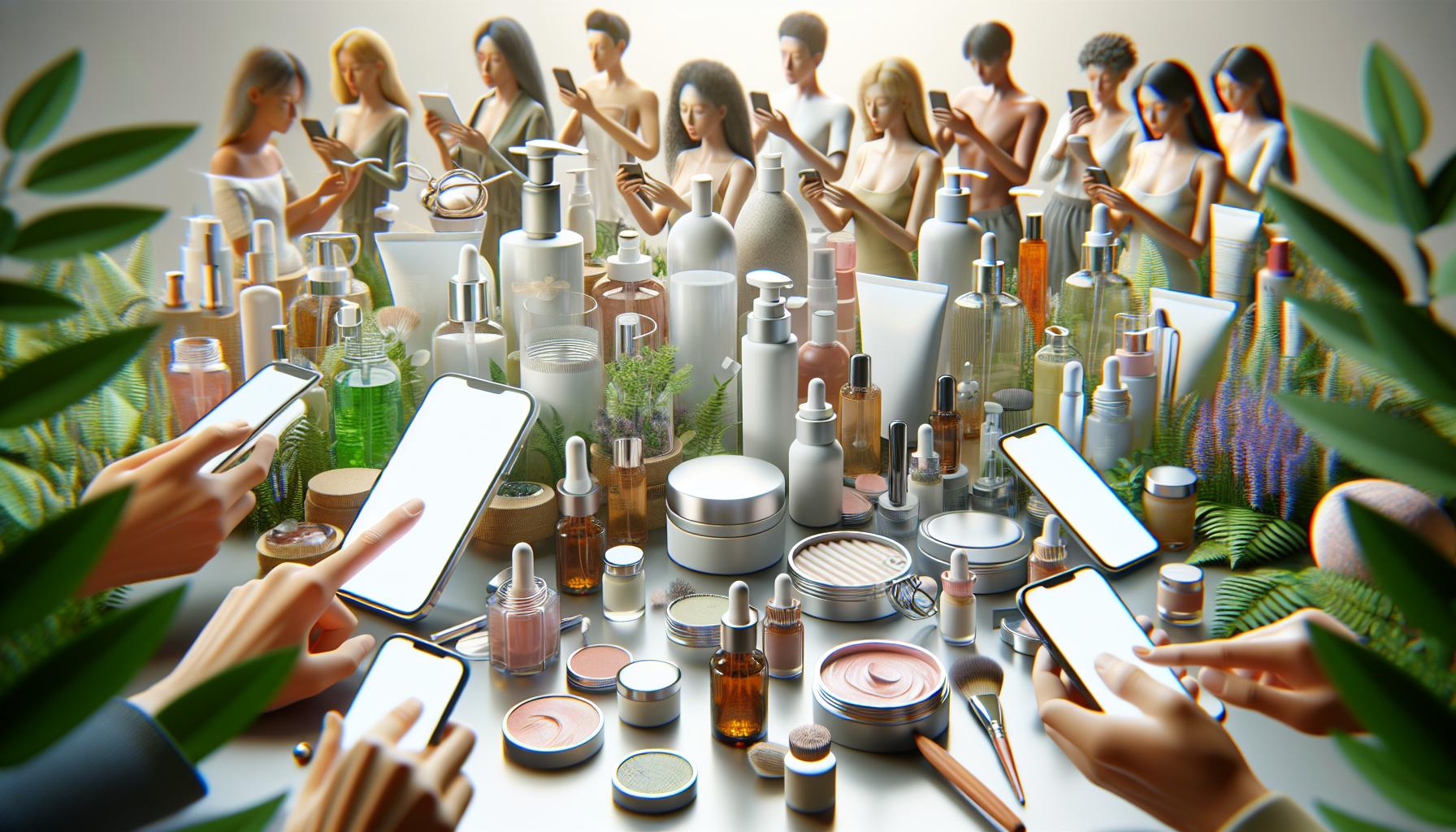
In recent years, the consumer landscape has undergone a significant transformation, with a noticeable shift towards environmentally conscious purchasing behaviors. Today’s consumers, particularly younger generations such as Millennials and Gen Z, are increasingly prioritizing eco-friendly choices in their everyday purchases. The beauty industry stands at the forefront of this change, driven by a growing demand for sustainable products that do not compromise on quality or performance.
Key Trends Shaping Sustainable Beauty
The surge in sustainable beauty can be attributed to several key trends that resonate deeply with eco-conscious consumers. These trends are fostering a new standard within the industry.
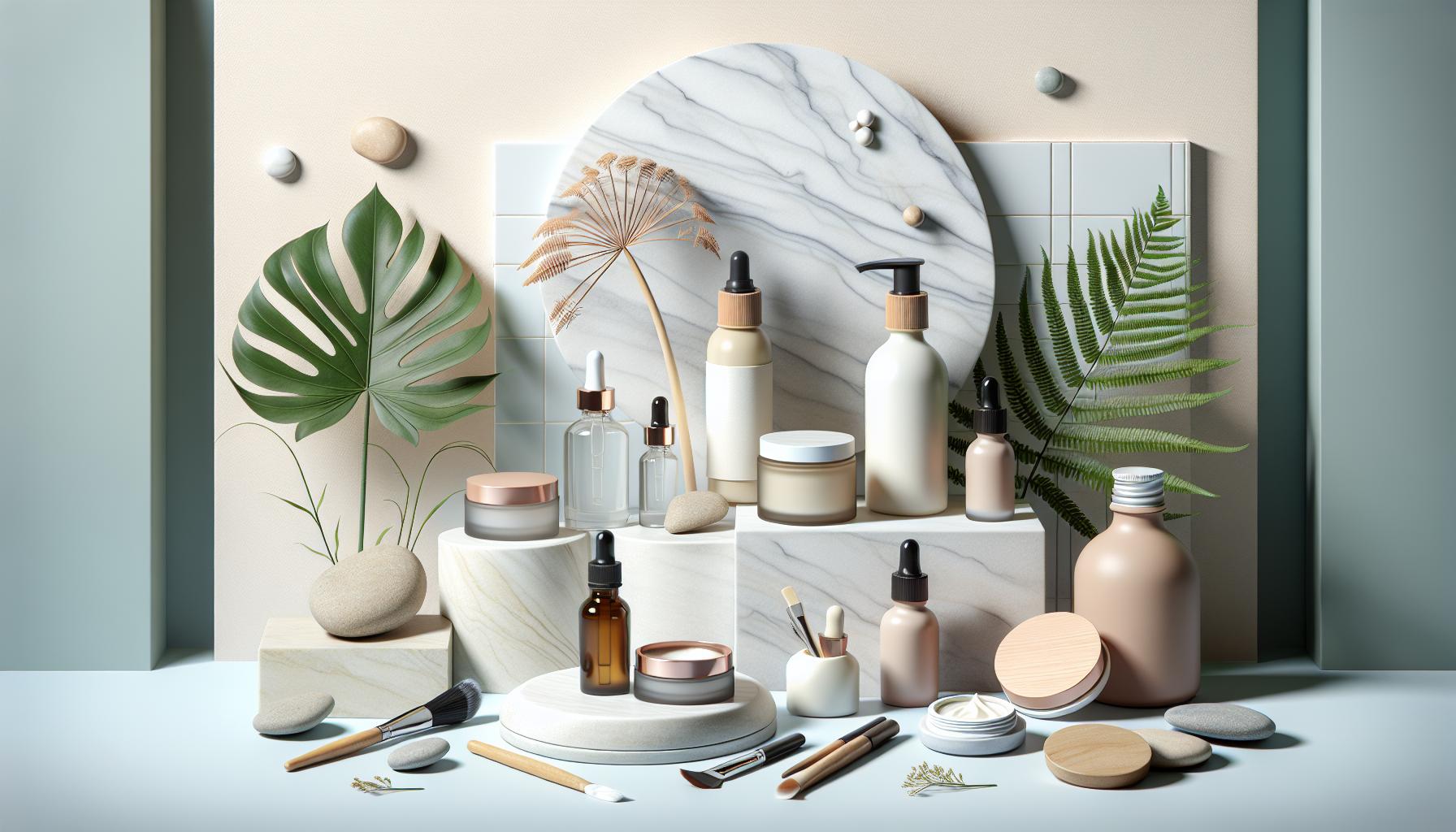
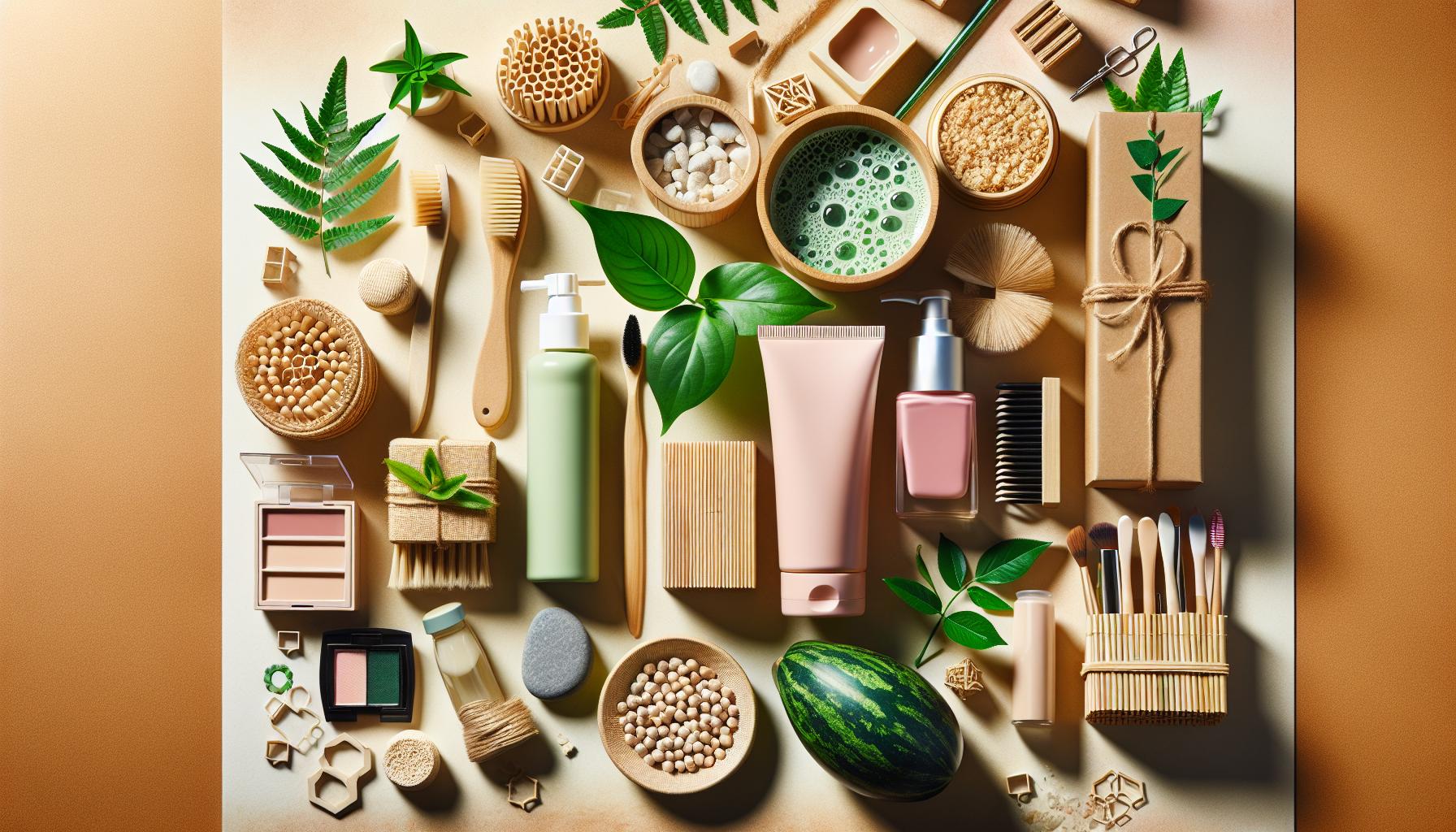
- Biodegradable Packaging: Traditional beauty product packaging often contributes significantly to landfill waste. In response, many brands are making a conscious effort to adopt biodegradable materials that naturally decompose, such as plant-based plastics or recycled paper. An example of this trend is found in brands like Love Beauty and Planet, which utilizes packaging made from 100% recycled materials.
- Plant-Based Ingredients: Beyond just packaging, consumers are increasingly scrutinizing the actual contents of their beauty products. There is a growing demand for naturally derived ingredients, such as botanical extracts and essential oils, that provide not only safety but also effective results. Brands like 100% Pure emphasize the use of organic, nutrient-rich ingredients in their formulations, appealing to consumers seeking cleaner alternatives.
- Transparency: The trend towards transparency in the beauty sector cannot be overstated. Shoppers are now more informed and demand clarity regarding the sourcing, composition, and ethical practices of products they buy. Brands like Beautycounter have built their business model around transparency, openly sharing ingredient lists and the safety of their formulations, thus fostering trust with their customer base.
Innovative Technologies Driving Sustainability
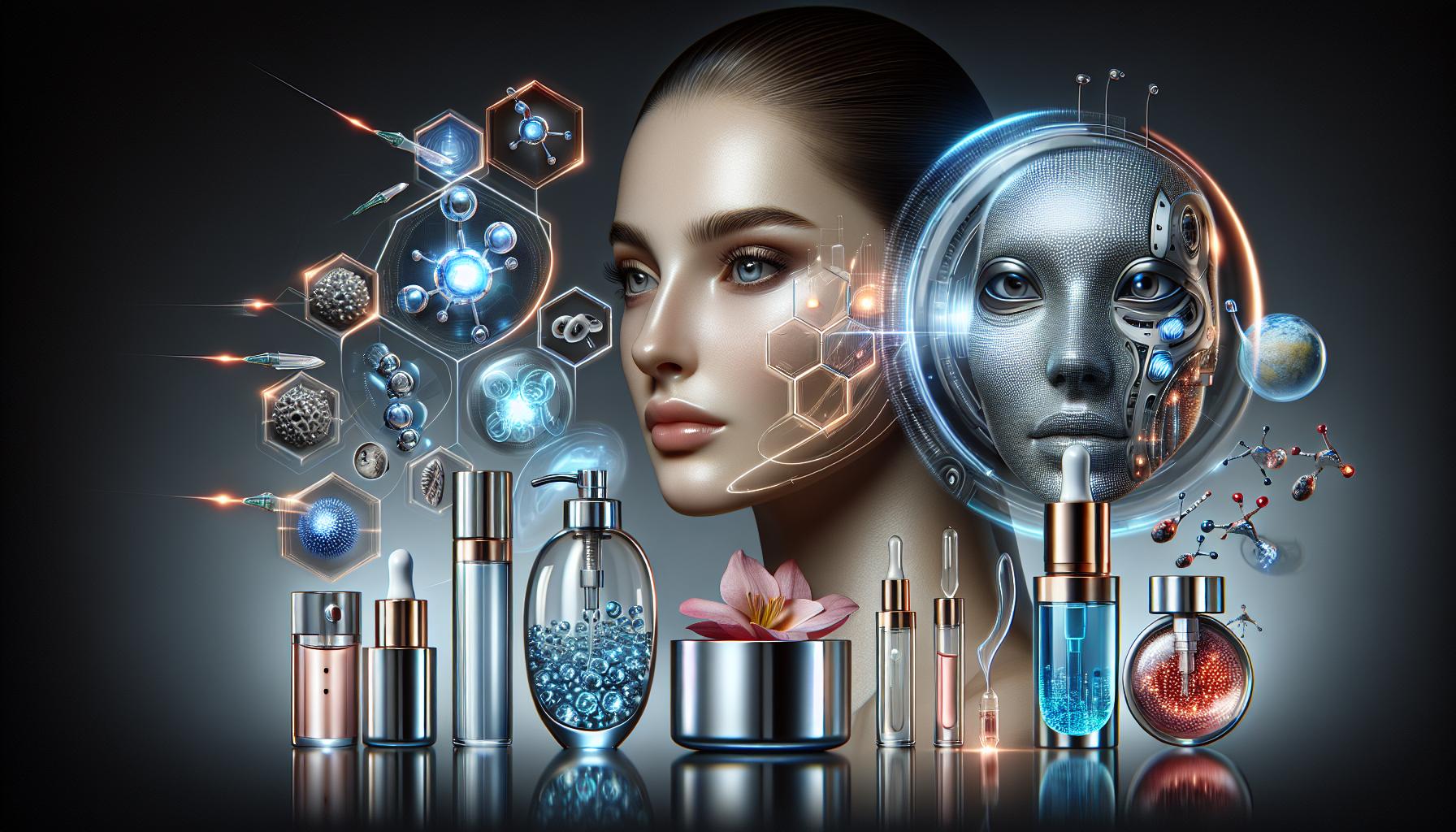
The embrace of innovative technologies is also reshaping sustainable beauty. Modern advancements, such as waterless formulations, reduce the environmental burden associated with water usage in production. Additionally, the development of lab-grown ingredients is emerging as a viable solution to minimize the dependence on natural resources while maintaining quality. For instance, brands like Atolla are leading the way by utilizing personalized skincare technologies that take environmental impact into account.
Opportunities for Brands and Consumers
The rise of sustainable beauty offers a unique opportunity for both consumers and companies alike. As brands align themselves with these progressive trends, they can actively influence consumer behaviors, encouraging responsible purchasing choices that ultimately benefit the planet. This transformative journey is more than just a trend; it invites an exploration of sustainable practices and their long-term effects on the beauty industry and beyond.
As a result, the sustainable beauty landscape is becoming a dynamic arena brimming with innovation and potential. With consumer curiosity piqued and a commitment to better products on the horizon, the future of sustainable beauty promises an exciting frontier for all stakeholders involved.

Dive Deeper: Click here to discover the future of skincare
Key Trends Shaping Sustainable Beauty
The surge in sustainable beauty can be attributed to several key trends that resonate deeply with eco-conscious consumers. These trends are fostering a new standard within the industry, transforming how brands approach product development and marketing.
- Biodegradable Packaging: Traditional beauty product packaging often contributes significantly to landfill waste. In response, many brands are making a conscious effort to adopt biodegradable materials that naturally decompose, such as plant-based plastics or recycled paper. For example, brands like Love Beauty and Planet utilize packaging made from 100% recycled materials, showcasing an initiative that not only minimizes waste but also appeals to consumers eager to make environmentally friendly choices.
- Plant-Based Ingredients: Beyond just packaging, consumers are increasingly scrutinizing the actual contents of their beauty products. There is a growing demand for naturally derived ingredients, such as botanical extracts and essential oils, that provide both safety and effective results. Brands like 100% Pure emphasize the importance of using organic, nutrient-rich ingredients in their formulations, appealing to consumers seeking cleaner alternatives while ensuring high performance.
- Transparency: The trend towards transparency within the beauty sector cannot be overstated. Today’s shoppers are more informed than ever and demand clarity regarding the sourcing, composition, and ethical practices of products they purchase. Brands like Beautycounter have built their business model around transparency, openly sharing ingredient lists and safety information of their formulations, thus fostering trust and loyalty with their customer base.
Innovative Technologies Driving Sustainability
The embrace of innovative technologies is also reshaping the landscape of sustainable beauty. Modern advancements, such as waterless formulations, are gaining traction as brands seek to reduce the environmental burden associated with water usage during production. This innovation not only conserves vital resources but also adds an intriguing dimension to product performance. Additionally, the emergence of lab-grown ingredients provides a viable solution to minimize dependency on natural resources while maintaining product quality. Brands like Atolla are pioneering personalized skincare technologies that take environmental impact into account, offering custom formulations that align with both consumer desires and ecological responsibility.
Opportunities for Brands and Consumers
The rise of sustainable beauty presents a unique opportunity for both consumers and companies alike. As brands align themselves with these progressive trends, they can actively influence consumer behaviors, encouraging responsible purchasing choices that ultimately benefit the planet. This transformative journey is more than just a fleeting trend; it invites an exploration of sustainable practices and their long-term effects on the beauty industry and beyond.
With consumer curiosity piqued and a commitment to better products on the horizon, the future of sustainable beauty promises an exciting frontier for all stakeholders involved. As this dynamic arena continues to evolve, consumers will undoubtedly play a pivotal role in shaping the direction and innovations that lie ahead.
The Rise of Sustainable Beauty Products: Trends and Innovations
As the world shifts towards a more environmentally-conscious mindset, the beauty industry is responding with innovative and sustainable practices. The demand for eco-friendly beauty products has skyrocketed, with consumers increasingly favoring brands that prioritize sustainability throughout their product lifecycle. This movement reflects a significant change in purchasing behavior, pushing beauty brands to rethink their approaches.
One of the most noticeable trends is the introduction of refillable packaging. Many companies now offer products in refillable containers, allowing customers to reduce waste significantly. This not only saves consumers money but also contributes to a healthier planet by minimizing single-use plastics. Brands such as Lush and Ilia Beauty have pioneered this approach, showcasing how businesses can thrive while reducing their environmental footprint.
Another major trend is the rise of plant-based ingredients in beauty formulations. Consumers are now more aware of the harmful effects synthetic chemicals can have on their skin and the environment. Brands are responding by incorporating natural botanicals and sustainable sourcing practices in their products. For instance, ingredients like aloe vera, shea butter, and coconut oil are gaining popularity, with many brands emphasizing transparency in their ingredient lists.
Moreover, cruelty-free and vegan certifications are becoming essential for brands looking to establish credibility in the sustainable beauty market. A growing number of beauty enthusiasts are actively seeking out products that do not harm animals and align with their ethical values. This trend is prompting many traditional brands to rethink their practices, leading to a more compassionate beauty landscape.
| Sustainable Approach | Key Benefits |
|---|---|
| Refillable Packaging | Reduces waste and encourages sustainable consumption habits. |
| Plant-Based Ingredients | Promotes skin health and minimizes environmental impact. |
| Cruelty-Free and Vegan | Aligns with ethical consumerism, catering to a growing audience. |
As these trends continue to gain momentum, it’s evident that the sustainable beauty revolution is not a fleeting fad but rather a fundamental shift in the industry’s direction. Brands willing to adapt and innovate in their practices will not only win over consumers but also contribute positively to the planet’s future. As we delve deeper into these innovations, it’s essential to remain informed about the products we choose and their respective impact on sustainability.
DIVE DEEPER: Click here to simplify your beauty routine</
Consumer Empowerment and Changing Norms
Consumer empowerment is a driving force behind the rise of sustainable beauty products, as individuals grow increasingly aware of the environmental and ethical implications of their choices. Social media platforms, particularly Instagram and TikTok, have become powerful channels for advocacy and storytelling, helping to educate the public on the importance of sustainability in beauty. Influencers and eco-activists are championing brands that prioritize ethical practices, which boosts consumer curiosity and encourages brands to innovate.
This shift is reflected in recent data: a 2023 study by McKinsey found that 65% of consumers prioritize sustainability when purchasing beauty products. This statistic not only underscores the proactive nature of consumers but also pinpoints a significant change in market expectations. The demand for sustainable beauty now reaches across demographics, appealing especially to younger consumers who value authenticity and brand ethics.
Emerging Brands Leading the Charge
While established brands are adopting sustainable practices, a wave of emerging brands is stepping into the spotlight and redefining the beauty landscape. Companies like Herbivore Botanicals and EcoTools focus on producing products free from harmful chemicals and advocating for cruelty-free practices, drawing in a devoted following. Herbivore, for example, prioritizes lightweight formulas derived from natural botanicals, successfully catering to health-conscious beauty enthusiasts. These smaller, agile brands can adapt more quickly to consumer demands and are often leaders in producing fully recyclable or compostable packaging.
Collaboration is another driving trend, with brands pairing up with environmental organizations to enhance their sustainability efforts. Initiatives such as BeautyUnited embrace the concept of partnership to not only raise awareness but also support grassroots movements focused on sustainability. This collaborative spirit fosters community and helps consumers feel they are contributing to a larger cause.
Health and Safety Considerations
As sustainability becomes a focal point, health and safety considerations also play a significant role in consumer decision-making. With growing knowledge around toxic ingredients, campaigns like The Never List from Beautycounter have educated shoppers about the potential harm of certain chemicals commonly found in traditional beauty products. This emphasis on safety not only enhances product integrity but also highlights the importance of regulatory standards in the industry.
Moreover, the intersection of wellness and beauty—often referred to as “self-care”—is prompting consumers to opt for organic and ethically sourced beauty options. The new wave of beauty brands, such as Ritual and Osea, showcases product lines that integrate the ideals of holistic health, linking skincare to overall well-being. As consumers increasingly embrace a lifestyle ethos that values both beauty and personal health, the demand for products that align with these beliefs will undoubtedly continue to rise.
The Role of Innovations Beyond the Product
Innovation in sustainable beauty is not just about the products themselves; it extends to the entire lifecycle of beauty consumption. Brands are exploring refillable packaging systems, which significantly reduce waste and encourage responsible usage. Initiatives like The Loop allow consumers to return empty containers for cleaning and reuse, minimizing the impact on the environment while promoting a circular economy. This strategy empowers consumers to consciously engage in their purchasing habits and raises awareness about the significant impact of packaging waste in the beauty industry.
Furthermore, technology-driven approaches are contributing to cleaner production processes. Advanced research is leading to bioengineering techniques that allow for the development of eco-friendly ingredients and formulations without compromising efficacy. For example, brands experimenting with synthetic biology can create sustainable ingredients that do not deplete natural resources, showcasing the dual benefits of innovation—protecting the planet while delivering high-performance products.
DIVE DEEPER: Click here to discover the benefits and trends
Conclusion
The rise of sustainable beauty products marks a pivotal shift in the cosmetics industry, driven by consumer empowerment, innovation, and an increasing awareness of health and environmental factors. As consumers become more informed about the impacts of their purchases, the demand for eco-friendly and ethically produced beauty items has surged. Recent studies, such as the 2023 McKinsey report, illustrate that approximately 65% of consumers now prioritize sustainability in their beauty choices, fundamentally altering market dynamics and pushing brands to adapt.
Emerging brands are leading the charge, crafting formulas that are not only effective but also considerate of both the planet and consumer health. The incorporation of initiatives like refillable packaging and collaborations with environmental organizations demonstrates the commitment to a more sustainable future in beauty. Brands are not only meeting consumer expectations but actively engaging them in a shared mission for responsible practices.
Moreover, as health considerations gain prominence, the trend of intertwining wellness and beauty is reshaping product offerings, aligning them with a more holistic approach to self-care. This convergence reflects a broader societal movement towards sustainability and wellbeing, encouraging individuals to seek products that resonate with their values.
In conclusion, the sustainable beauty sector is not merely a trend; it is an evolving landscape that signals long-lasting changes in consumer behavior and industry standards. As innovation propels this movement forward, the beauty industry is poised for a transformative era that will redefine the relationship between personal care and environmental stewardship. The question for consumers and brands alike is not just how to adapt, but how to thrive in this new, conscious approach to beauty.