Trends in Sustainable Beauty: The Growth of Natural and Organic Ingredients
The Rise of Sustainable Beauty
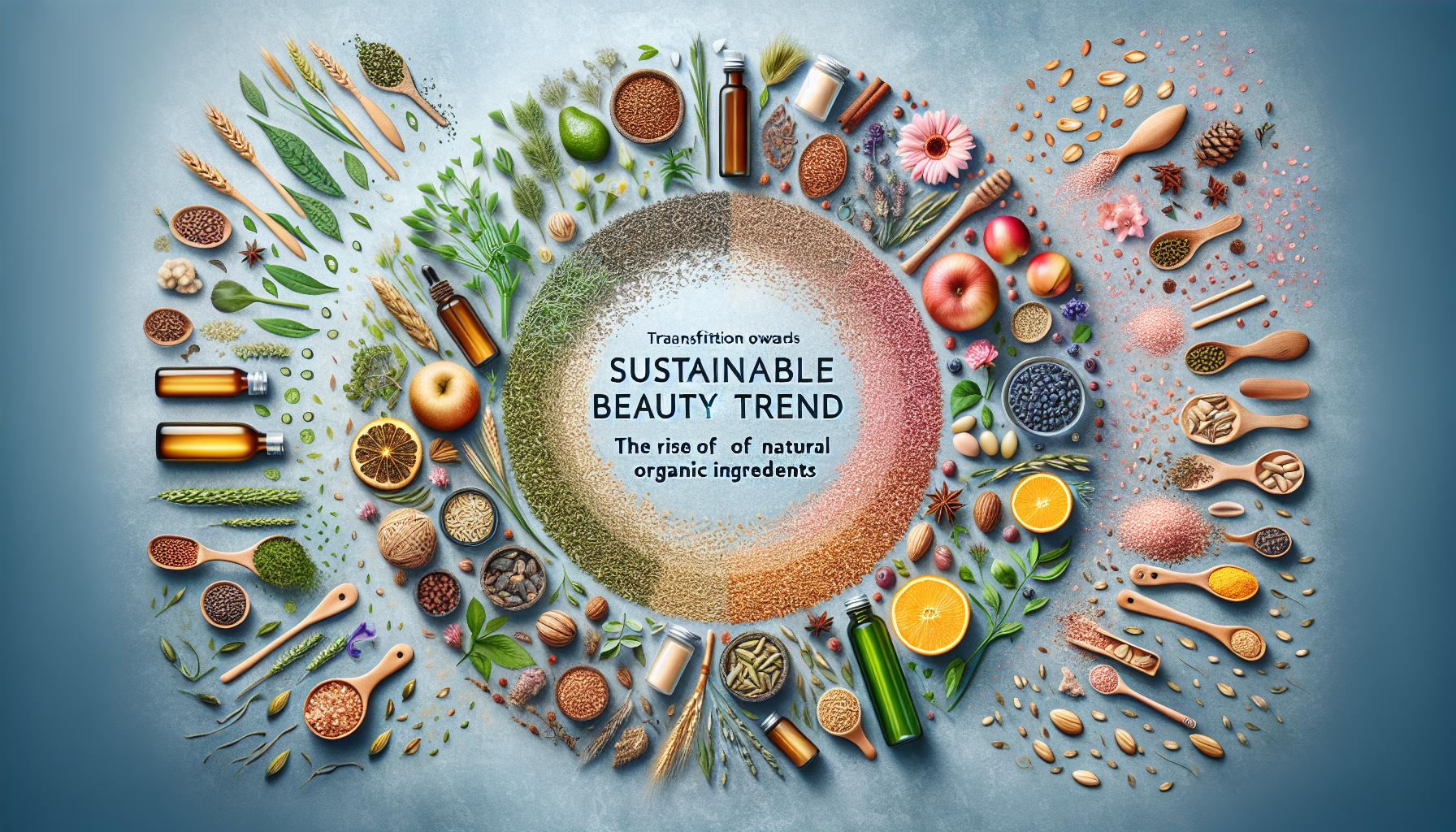
As consumers increasingly prioritize well-being and environmental consciousness, the beauty industry is undergoing a significant transformation. Sustainable beauty has shifted from a niche concept to a mainstream movement, primarily driven by the rising demand for natural and organic ingredients. This evolution in consumer expectations reflects a growing commitment to ethical consumption, where the impact of beauty products on both personal health and the planet is more transparent and significant than ever before.
This paradigm shift reflects a greater awareness of the ingredients we apply to our skin and hair. Many beauty enthusiasts are now opting for products that boast:
- Eco-friendly packaging: Biodegradable and recyclable materials are gaining traction. Many brands are transitioning to innovative packaging solutions such as biodegradable tubes and jars made from recycled ocean plastics. An excellent example is the skincare brand Biolage, which has adopted an initiative to use plastic waste for their product packaging, significantly reducing their ecological footprint.
- Transparency in sourcing: Brands are now expected to disclose ingredient origins and manufacturing practices explicitly. For instance, the widely popular brand Drunk Elephant provides detailed information about each ingredient used in their products, fostering trust and informed choices among consumers.
- Clean formulations: Products free from synthetic chemicals, parabens, and sulfates are becoming highly sought after. The clean beauty movement has influenced a myriad of brands, prompting them to eliminate harmful additives. Brands like Josie Maran focus on 100% natural formulations, showcasing the effectiveness of going clean without compromising results.
Recent statistics reveal that the global organic personal care market is projected to reach $25 billion by 2025, showcasing a robust growth in consumer interest. With the rise of social media and platforms like Instagram, beauty influencers are increasingly sharing their personal journeys towards sustainable choices, further pushing the movement into the mainstream. As people become more educated about the benefits of choosing botanical over synthetic, brands are racing to adapt their offerings to meet these evolving demands.
In exploring these trends, one cannot ignore the significance of plant-based ingredients such as aloe vera, coconut oil, and shea butter, which have proven effective and safe. These ingredients not only nourish the skin and hair but also promote sustainability as they are often sourced through fair-trade practices. Brands like SheaMoisture exemplify this with their commitment to using ethically sourced shea butter, benefitting both their consumers and the communities involved in sourcing such ingredients.
This journey into the heart of sustainable beauty unveils not only innovative products but also a renewed commitment to the planet. As consumers continue to seek out more environmentally responsible options, the future of the beauty industry promises a deepening connection between luxurious self-care and sustainable practices, ultimately leading to a healthier planet for generations to come.

DIVE DEEPER: Click here to discover inclusive beauty trends
Embracing Natural Ingredients
The trend towards natural and organic ingredients in the beauty industry is not merely a fad; it represents a profound shift in how consumers interact with beauty products. As awareness of the potential harm of synthetic chemicals increases, many individuals are turning to products that utilize nature’s offerings in their purest forms. This shift reflects a desire for transparency and authenticity in beauty choices.
A key aspect driving the growth of natural beauty products is the increasing availability of effective botanical alternatives. Ingredients such as argan oil, tea tree oil, and green tea extract are lauded for their multifaceted benefits. Argan oil, for instance, is celebrated for its moisturizing properties, making it a staple in hair and skincare routines. Meanwhile, the antimicrobial properties of tea tree oil establish it as a go-to solution for acne-prone skin. The recognition of such ingredients validates the demand for products that harmonize nature and efficacy.
Moreover, the implementation of sustainable farming practices supports not only the environment but also the socioeconomic conditions of local communities involved in the sourcing of these ingredients. Brands are increasingly adopting ethical sourcing strategies that promote fair labor practices and environmental stewardship. Notably, the brand Herbivore Botanicals takes pride in sourcing cruelty-free ingredients, further aligning with consumers’ ethical standards.
Consumer Demand for Certifications
As consumer interest in sustainability grows, so does the necessity for brands to provide certifications that communicate their commitment to organic and natural standards. Common certifications include:
- USDA Organic: This certification ensures that the ingredients meet stringent guidelines for organic farming, free from synthetic fertilizers and pesticides.
- Leaping Bunny: A symbol of cruelty-free products, indicating that no animal testing has been used in the product’s development.
- EcoCert: This certification guarantees that products are evaluated based on their ecological and social impacts, ensuring a smaller carbon footprint.
These certifications not only guide conscious consumers in their purchasing decisions but also educate them about the value of choosing products that align with their values. Brands like 100% Pure leverage these certifications to build trust and reputable consumer relationships, making them a prominent player in the realm of sustainable beauty.
As we witness the emergence of clean beauty as an industry norm, it becomes evident that both brands and consumers are evolving. The beauty landscape reflects a new consciousness that prioritizes health and wellness, encouraging an exploration of natural beauty routines. With increasing visibility in social media and a shift towards grassroots advocacy for more responsible formulations, the demand for natural and organic beauty products is expected to only intensify, paving the way for innovative trends in sustainable beauty.
| Advantage | Description |
|---|---|
| Reduced Environmental Impact | Natural and organic beauty products often utilize sustainable sourcing, promoting eco-friendly practices and reducing the carbon footprint. |
| Improved Skin Health | Ingredients derived from nature are less likely to cause irritation and allergies, contributing to healthier skin. |
| Transparency in Ingredients | Brands focusing on sustainability often provide detailed labeling and transparency about sourcing, enhancing consumer confidence. |
| Support for Local Economies | Natural beauty products can help bolster local farmers and communities, as many brands source locally. |
As the demand for
natural and organic ingredients surges, consumers increasingly prioritize environmental sustainability in their beauty choices. Brands are responding with formulations that appeal to eco-conscious buyers, offering solutions that are not only better for the skin but also the planet. Moreover, emerging studies continue to link synthetic chemicals in beauty products to various health issues, prompting a shift towards safer alternatives. This evolving landscape redefines beauty standards, making transparency and sustainability imperative to modern consumers. Harnessing the power of natural botanicals, these products not only promote beauty but elevate a holistic approach to wellness and ecological responsibility, signaling a new era in the beauty industry.
DISCOVER MORE: Click here to learn how nutrition can enhance your skincare
The Rise of Eco-Friendly Packaging
As the beauty industry embraces natural and organic ingredients, it simultaneously addresses the environmental impact of packaging. Traditional beauty product packaging has been notorious for contributing to plastic waste, prompting consumers to seek options that reflect their sustainable values. Consequently, the demand for eco-friendly packaging solutions is surging, with brands innovating to reduce their carbon footprint.
Many companies are now opting for recyclable, biodegradable, and refillable packaging, aligning with the expectations of environmentally-conscious consumers. For instance, beauty brands like Lush have long been pioneers in using minimalistic and waste-free packaging, while others, like Pacifica, champion fully recyclable components for their aesthetic products. These brands exemplify the shift toward sustainability, where packaging not only protects the product but also serves as a part of the overall eco-conscious ethos.
Innovation in Formulations
The growing interest in sustainable beauty has spurred significant innovation in product formulations. Brands are leveraging advanced technology to create high-performance products without compromising on ingredients. The rise of lab-grown ingredients, which are cultivated from natural sources in a lab setting, is gaining traction as it minimizes environmental impact while providing consumers with effective solutions. Companies like Amorepacific are integrating such innovations, highlighting the capacity for sustainability to merge with cutting-edge science.
Additionally, brands are now more than ever focusing on circular beauty, which promotes a lifecycle approach to product use. This entails designing products that can be returned, recycled, or reused, significantly enhancing their appeal in eco-conscious markets. As such, programs like TerraCycle’s partnership with various beauty brands allow consumers to send back empty containers for recycling, further embedding sustainability into the consumer experience.
Community and Inclusivity in Sustainable Beauty
Equally important to the trend in natural and organic ingredients is the movement towards community engagement and inclusivity. The rise of beauty brands that reflect and support diverse cultures has paved the way for a more comprehensive understanding of what sustainable beauty can embody. Brands like Fenty Beauty and Uoma Beauty prioritize inclusivity, offering natural products tailored to various skin tones and types while emphasizing sustainability in their ingredient sourcing and development.
This approach transcends mere product formulation; it fosters a dialogue about beauty standards, self-identity, and cultural representation. By prioritizing the voices and needs of marginalized communities, the movement towards sustainability in beauty becomes a platform for holistic representation rather than a singular focus on environmental factors alone.
As awareness about ethical considerations in beauty expands, consumers are encouraged to engage with brands that not only commit to sustainable practices but also advocate for social justice. The union of ecological sustainability with socio-cultural considerations marks an exciting evolution in the beauty industry, driving new innovations and setting a precedent for responsible consumption.
DISCOVER MORE: Click here to learn about the evolution of natural ingredients
Conclusion
As the demand for sustainable beauty continues to gain momentum, brands are embracing a transformative approach that encompasses not only natural and organic ingredients but also eco-conscious practices and inclusivity. The beauty landscape is reshaping itself to align with the growing consumer expectation for products that are both effective and responsible. This shift manifests through innovative formulations that leverage cutting-edge science, like lab-grown ingredients, which minimize ecological impact while maintaining high performance.
Moreover, the emphasis on eco-friendly packaging reflects a broader awareness of the environmental challenges the industry faces. As brands pivot towards recyclable, biodegradable, and refillable solutions, they are not just reducing waste; they are creating a holistic narrative around sustainability that resonates with increasingly conscious consumers. Programs that encourage circular beauty signify a commitment to not only producing sustainable products but also fostering a mindful consumption culture.
In this evolving paradigm, brands that prioritize community and inclusivity are making notable strides. By highlighting diverse voices and catering to a wide spectrum of beauty needs, they underscore the importance of social equity in the sustainable beauty narrative. This multifaceted approach invites consumers to think critically about their choices, encouraging them to support brands that champion both environmental integrity and social justice.
Ultimately, the trends in sustainable beauty pave the way for a new era—one that champions the integration of ethical practices, accountability, and innovation. As consumers become more informed and engaged, the convergence of beauty, sustainability, and social responsibility will not only thrive but will also redefine the industry’s standards, paving the path for a future that values both beauty and our planet.