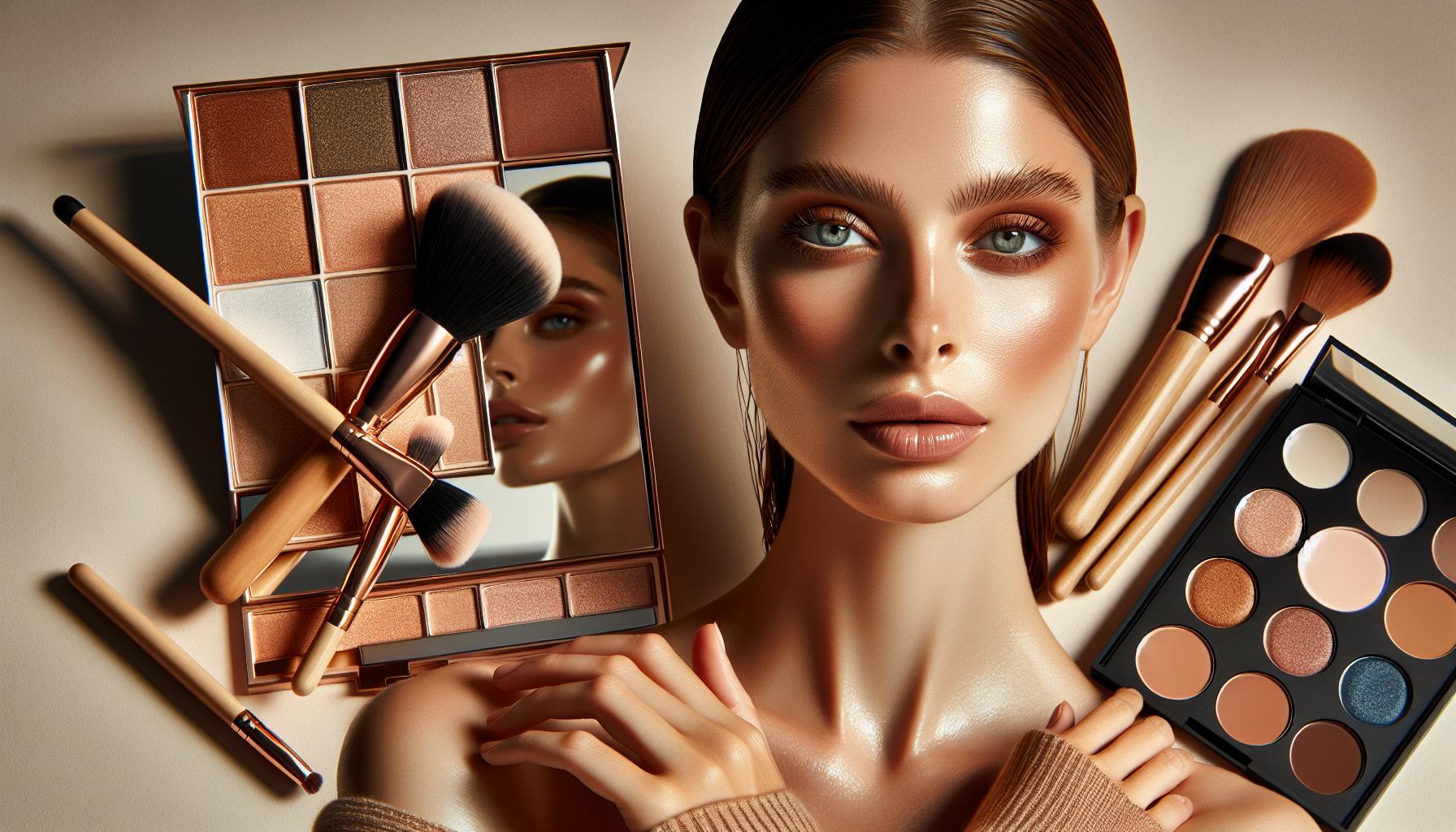
Sustainable Makeup Trends: Beauty with Responsibility
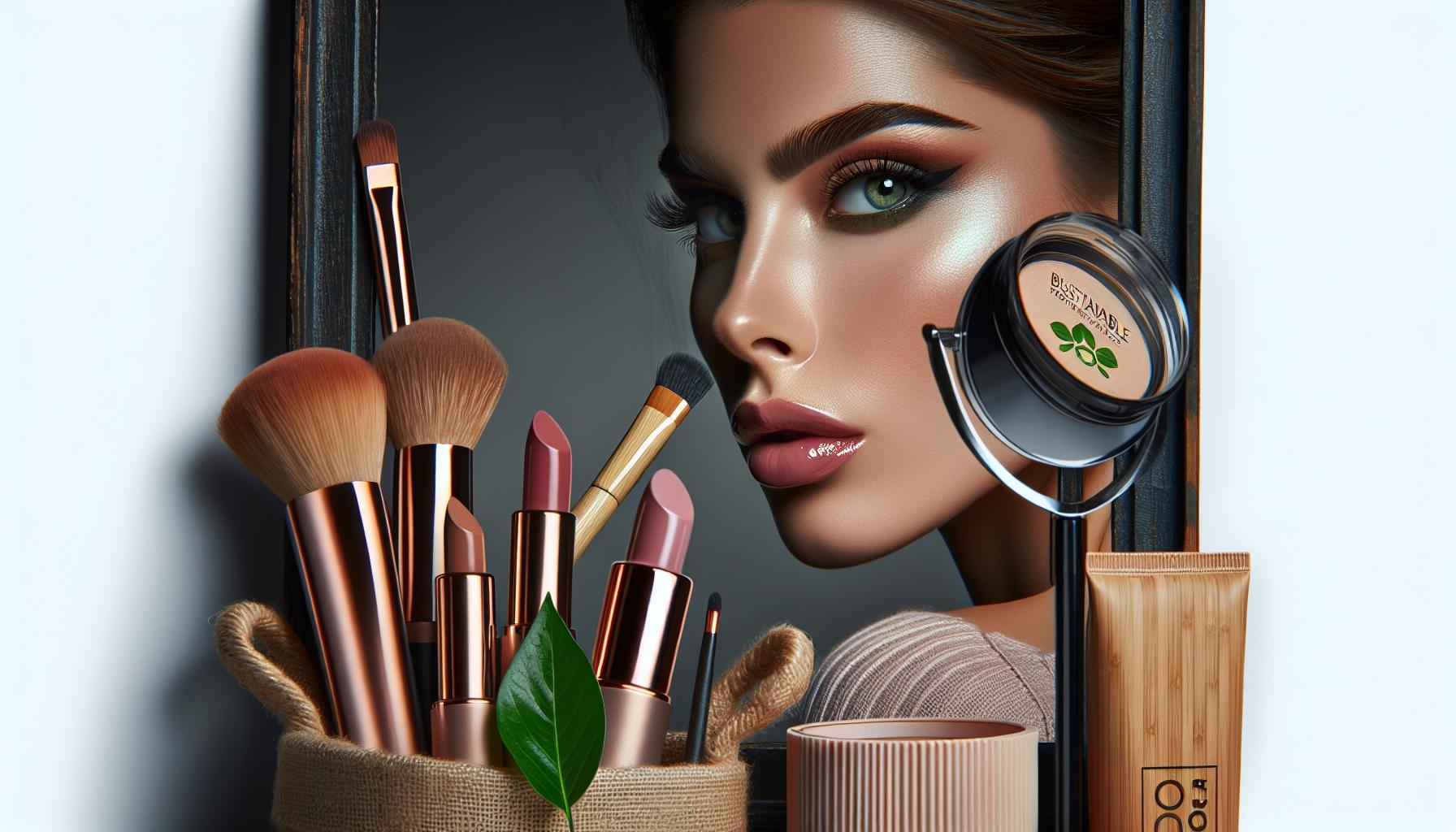
Embracing Responsible Beauty
The beauty industry is in the midst of a remarkable evolution. As awareness surrounding climate change and social responsibility grows, consumers are increasingly prioritizing products that not only enhance their external aesthetic but also contribute positively to societal and environmental well-being. This growing demand has driven the emergence of sustainable makeup trends, which emphasize eco-friendliness, ethical practices, and transparency.
Why Sustainable Makeup Matters
- Environmental Impact: The traditional beauty sector has long been criticized for its extensive use of harmful chemicals and unsustainable packaging. Products often contain synthetic ingredients that can contribute to pollution and ecological harm. In contrast, sustainable makeup formulations leverage safer, naturally derived components that reduce the environmental footprint.
- Ethical Sourcing: Today’s consumers are more conscious than ever about the origins of their products. Many emerging brands, such as Ilia Beauty and Kora Organics, prioritize responsibly sourced ingredients that not only adhere to sustainable farming practices but also ensure fair labor conditions for workers throughout the supply chain.
- Health Consciousness: Awareness surrounding skin health is also on the rise. Consumers are increasingly scrutinizing labels and seeking out products free from harsh chemicals like parabens and sulfates. Evidence suggests that natural, organic ingredients not only benefit the planet but also promote healthier skin.
This shift towards sustainability has prompted the beauty market to explore innovative solutions. Brands are now embracing concepts like refillable packaging and plant-based formulations. For example, Fenty Beauty’s refillable compact mirrors allow users to minimize waste without sacrificing luxury, thereby merging function with environmental stewardship. This dual focus not only appeals to eco-conscious shoppers but also paves the way for new, exciting trends in the industry.
Key Trends to Watch
- Zero-Waste Packaging: To combat the plastic pollution crisis, numerous brands are adopting minimalistic packaging designs made from recyclable or biodegradable materials. For instance, the brand Bite Beauty offers a collection of lip products packaged in compostable tubes, setting a high standard for others in the industry.
- Vegan and Cruelty-Free Products: With growing awareness around animal rights, there has been a sharp increase in consumer demand for vegan and cruelty-free makeup options. Brands like Tarte Cosmetics and Too Faced have garnered a loyal following by aligning their product lines with these ethical values.
- Natural Ingredients: The trend towards natural ingredients is flourishing, with consumers seeking out products infused with organic, safe ingredients that promise both efficacy and skin health. For example, brands like RMS Beauty and 100% Pure capitalize on using minimally processed, unrefined ingredients, appealing to shoppers wary of synthetic alternatives.
As we explore these sustainable makeup trends, it becomes increasingly clear that these initiatives hold the potential to foster lasting change within the beauty industry. The collective push for responsible beauty is not simply a trend; it reflects a profound cultural shift toward prioritizing ethics alongside aesthetics. By embracing these changes, consumers contribute to a more sustainable future for all. Join the movement towards beauty with responsibility and discover how your choices can make a difference.
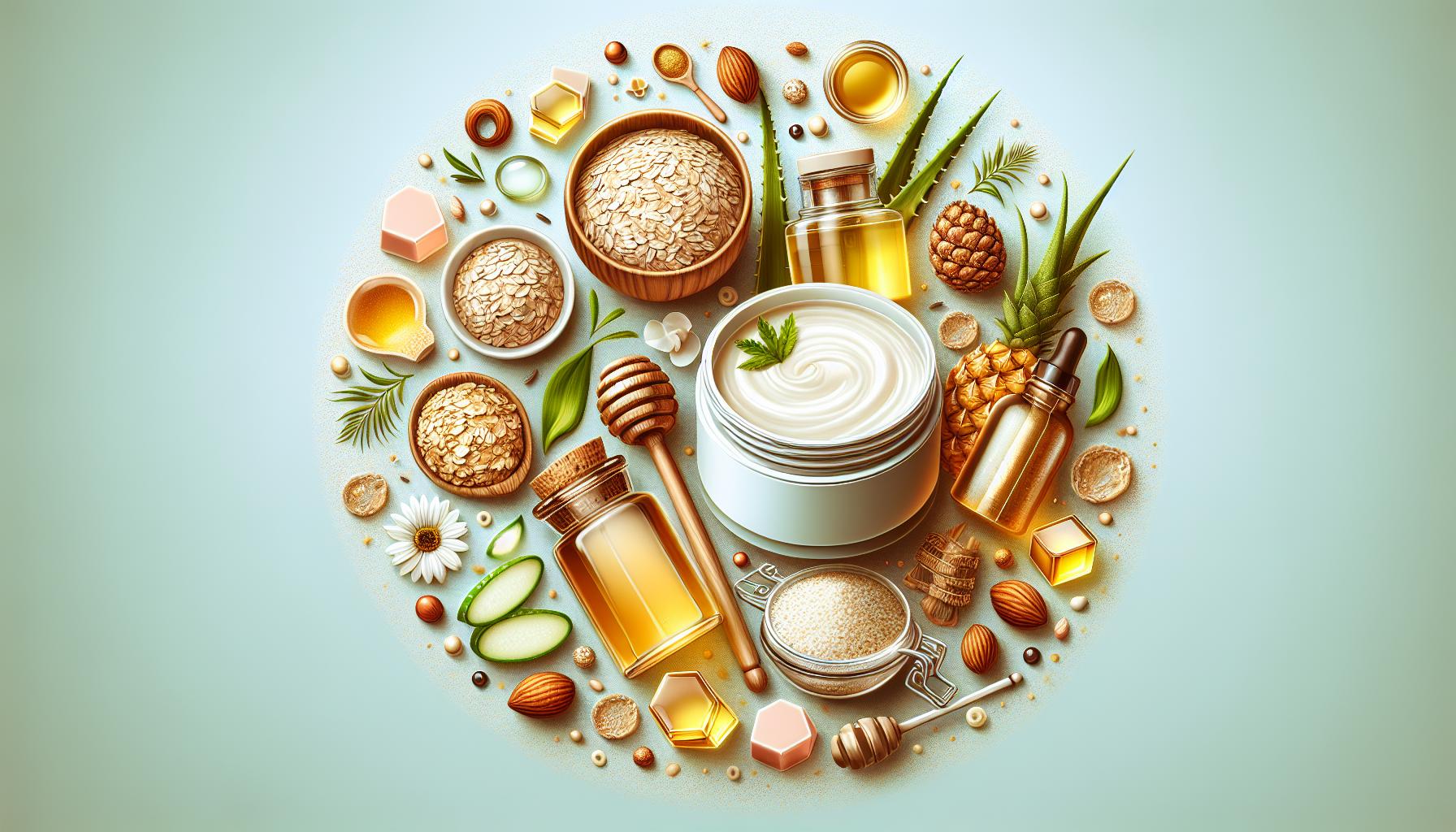
DISCOVER MORE: Click here to unlock the secrets of natural hydration
Revolutionizing Beauty Routines
As the beauty industry embraces sustainability, traditional makeup routines are undergoing profound transformations. The integration of sustainability into beauty isn’t merely about opting for eco-friendly products; it signifies a shift in the entire purchasing mindset. Consumers now seek products that align with their values and lifestyles, effectively intertwining beauty with accountability. When seeking sustainable makeup trends, it’s crucial to understand how these changes manifest in everyday beauty practices.

Innovative Ingredients and Formulations
The rise of natural makeup ingredients is one of the most significant trends in sustainable beauty. Consumers are increasingly shifting away from products loaded with synthetic additives, opting for alternatives that utilize safe, organic materials. This movement aligns with the growing awareness of skin health, as many traditional beauty products contain chemicals that may lead to irritation or long-term health issues.
Brands such as 100% Pure and RMS Beauty have made strides by formulating makeup that relies on fruit pigments and plant-based oils. These companies prioritize the use of minimally processed ingredients, which not only benefit skin health but also reduce the ecological impact associated with chemical production.
Eco-conscious Packaging Solutions
- Refillable Options: A notable focus for many beauty brands is the introduction of refillable packaging. This innovative approach encourages consumers to reuse containers rather than discarding them. Brands like Fenty Beauty are leading by example with their refillable products, merging luxury with sustainability. By reducing plastic waste, this model supports a circular economy and shifts consumer habits toward greater sustainability.
- Biodegradable Materials: The beauty sector is becoming increasingly aware of its plastic footprint. Products packaged in biodegradable or compostable materials are gaining traction. For example, Bite Beauty has launched lip products in innovative packaging that breaks down naturally, setting a high standard for environmentally friendly alternatives.
- Minimalist Designs: The trend towards simplicity in packaging design not only reduces environmental impact but also appeals to consumers seeking a contemporary aesthetic. Brands embracing this ethos are often met with enthusiasm as they cater to the visually-driven expectations of consumers.
This ongoing transition towards a more responsible beauty landscape indicates a broader cultural shift in consumer behavior. As the desire for authenticity permeates the market, brands that embrace sustainable practices are not only enhancing their reputations but are also pushing the industry toward a more ethical and environmentally aware future. By making conscious product choices, individuals can contribute to the broader goal of sustainability in makeup, paving the way for beauty that respects both people and the planet.
Sustainable Makeup Trends: Beauty with Responsibility
As the beauty industry shifts towards a more conscious approach, sustainable makeup trends are leading the charge, inviting consumers to embrace choices that not only enhance their appearance but also reflect their values. These trends are intricately linked to ethical sourcing, minimal waste, and eco-friendly practices, allowing beauty enthusiasts to feel good about their purchasing decisions.
In this evolving landscape, brands are becoming more transparent about their ingredients and production processes. For instance, many cosmetics companies are now prioritizing natural and organic ingredients, reducing their reliance on synthetic chemicals that can harm both the environment and personal health. This commitment not only supports personal wellness but also contributes to the well-being of the planet.
Furthermore, the emergence of refillable packaging is gaining traction, minimizing single-use plastic waste and encouraging customers to reuse their containers. Such innovations appeal to the eco-conscious consumer who is now more aware of their ecological footprint. Additionally, many brands are adopting cruelty-free practices, ensuring that their products are not tested on animals, which resonates with ethical consumers.
The inclusivity of sustainable makeup trends also can’t be overlooked. As brands expand their shade ranges and formulas to cater to diverse skin tones, they are empowering all individuals to express their unique beauty without sacrificing their commitment to the environment.
| Advantages | Description |
|---|---|
| Environmental Impact | Reduces pollution and waste through sustainable sourcing and packaging. |
| Health Conscious | Utilizes natural ingredients that are safer for consumers and the planet. |
As more consumers become involved in the quest for responsible beauty, they are discovering that sustainable makeup is not just a trend; it’s a movement that embraces principles of integrity, inclusivity, and innovation. The call for a more sustainable approach means that the beauty industry is aligning itself with the values of a new generation—one that demands accountability and transparency.
CHECK OUT: Click here for essential skincare tips
Conscious Consumer Choices
As the sustainable makeup movement steadily gains momentum, consumers find themselves at the forefront of change by making more informed and conscious choices. This shift isn’t merely reactive but stems from a deeper understanding of the environmental implications that accompany traditional beauty products. With every purchase, consumers now have the opportunity to impact the planet positively, driving brands to adopt ethical practices.
The Rise of Clean Beauty Standards
The concept of clean beauty has revolutionized the makeup landscape, positioning itself as a critical component of sustainable makeup trends. Brands are now held accountable for the transparency of their ingredients, often sharing every component of their formulations with consumers. This demand for transparency is fueled by consumers who are increasingly educated about harmful ingredients and their potential effects on health and the environment.
For instance, Beautycounter and Ilia Beauty emphasize the exclusion of harmful substances such as parabens, phthalates, and formaldehyde. By promoting clean formulations, they not only cater to health-conscious consumers but also illustrate a commitment to sustainability. This growing emphasis on clean beauty is prompting a reevaluation of what constitutes “safe” beauty products, encouraging brands to formulate with ethics in mind.
Community and Inclusivity in Sustainable Practices
A growing trend within the sustainable makeup movement is the focus on community engagement and inclusivity. Brands are beginning to realize that sustainability is not just about eco-friendly practices; it is equally about social responsibility. Companies such as Fenty Beauty are not only committed to sustainability but are also paving the way for diversity within the beauty industry. By offering a wide range of shades that cater to various skin tones, they are setting a precedent for inclusivity while simultaneously championing eco-conscious practices.
Moreover, several brands support fair trade and ethical sourcing initiatives, ensuring that the ingredients used are harvested in a manner that supports local economies and minimizes environmental degradation. This embodies a holistic approach to beauty, where both social and ecological aspects are regarded, ultimately benefiting not only consumers but communities around the globe.
Digital Innovations Driving Sustainability
As technology continues to transform various industries, the realm of sustainable beauty is no exception. Brands are increasingly leveraging digital innovations to foster sustainability. For example, augmented reality (AR) technology is being utilized to allow consumers to virtually try on products before purchasing, thereby reducing the likelihood of returns — a common issue that contributes to landfill waste in the beauty industry.
Additionally, subscription models and online platforms are emerging and focus on curated beauty packages featuring sustainable brands. These online experiences foster awareness of eco-friendly options, facilitating access to various products without the excessive waste associated with traditional shopping methods.
This intersection of technology and sustainability not only enhances consumer experiences but also reinforces the idea that makeup can be luxurious and responsible at the same time. By prompting a reconsideration of beauty habits and encouraging the adoption of more sustainable practices, the merging of innovation and eco-consciousness creates an enriching landscape for future consumers.
DIVE DEEPER: Click here to discover the science behind natural beauty ingredients
Conclusion: Embracing the Future of Sustainable Beauty
As we have explored the various dimensions of sustainable makeup trends, it becomes evident that this movement marks a significant shift in how we perceive beauty and its impact on the world. From the rise of clean beauty standards that prioritize ingredient transparency, to the commitment to community and inclusivity that fosters social responsibility, today’s cosmetic landscape embodies a more holistic approach. The emphasis on digital innovations not only enhances consumer experiences but also drives the message that luxurious beauty products can be ethical and eco-conscious.
For beauty enthusiasts, this presents a compelling avenue to explore brand offerings with a clear conscience, recognizing that every purchase has the power to influence positive change. As brands continuously adapt to meet the growing demand for sustainability and ethical practices, consumers play a critical role in steering the industry toward a future where beauty thrives hand-in-hand with responsibility.
In this evolving landscape, it is essential to remain curious and engaged, exploring new options and supporting brands that align with these values. Whether it is through choosing products made from sustainable ingredients or advocating for brands that emphasize fair trade and inclusivity, we as consumers hold the key to unlocking a more responsible beauty industry. As we embrace these trends, we not only enhance our beauty routines but also contribute to a brighter, more sustainable future for all.