
Embracing the Natural Revolution
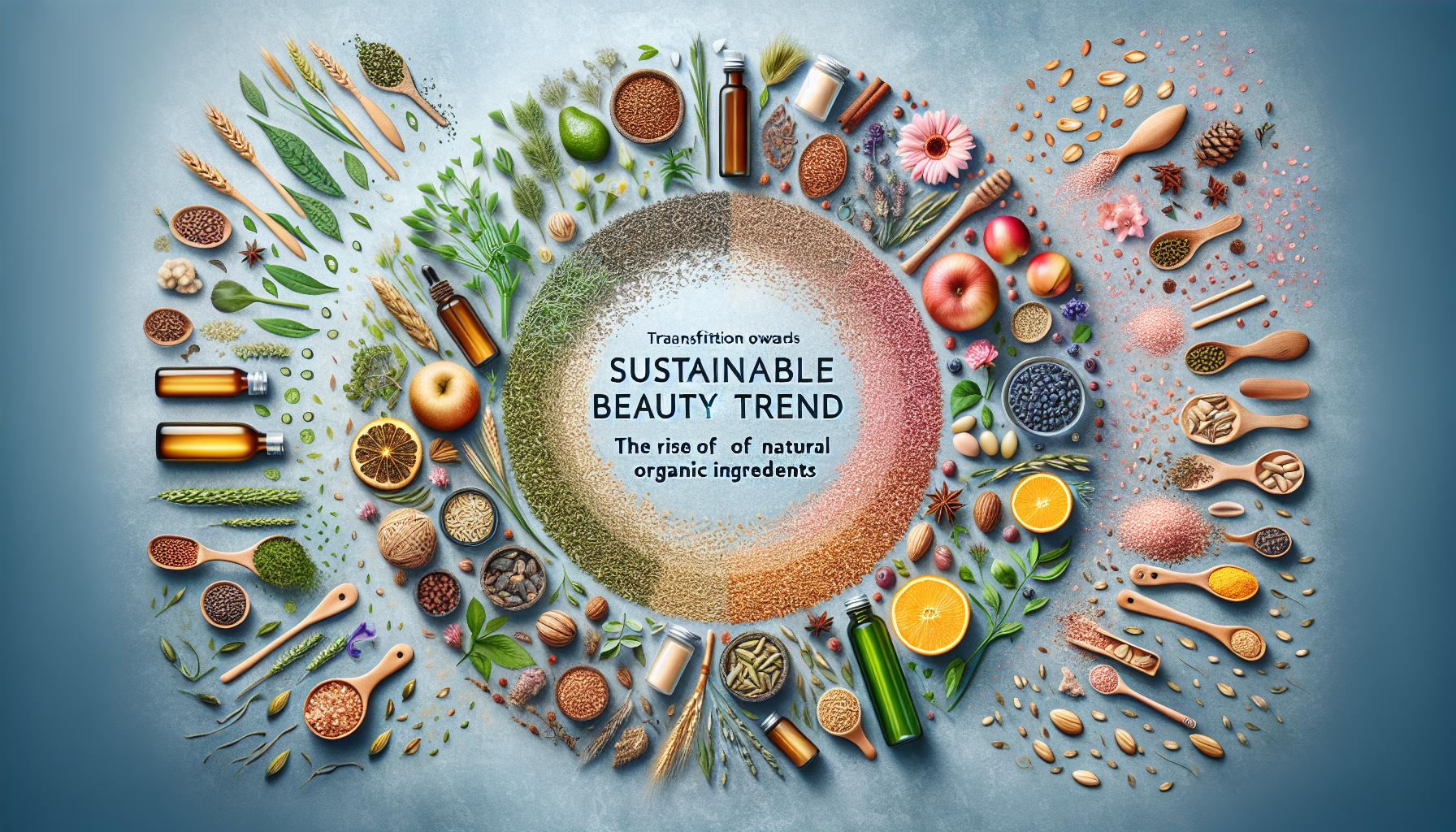
In recent years, the beauty industry has undergone a transformative shift, moving toward a more eco-conscious approach. Consumers are increasingly wary of synthetic chemicals and are actively seeking sustainable beauty solutions. This has sparked a wave of interest in natural ingredients that promise not just aesthetic benefits, but also nourish and protect the skin. This movement is not merely a fad; it reflects a deeper understanding of how choices made today can impact our health and the environment for generations to come.
The Shift to Natural
As we continue to explore the relationship between health and beauty, the appeal of natural ingredients has never been clearer. Here are some key factors driving this trend:
- Skin Compatibility: Natural substances are often less irritating and more compatible with our skin’s biology. For instance, many people find that natural oils like argan and coconut provide moisture without causing breakouts, unlike some synthetic alternatives that can clog pores.
- Environmental Impact: Sustainable beauty practices emphasize reducing waste and resource consumption. Brands like Lush and Ethique are leading the charge by creating solid shampoos and conditioners that eliminate plastic bottles from their packaging. This not only reduces landfill waste but also encourages consumers to reconsider their purchasing habits.
- Holistic Approach: Many consumers are drawn to holistic beauty that incorporates well-being and self-care. Products infused with aromatherapy benefits, such as lavender and eucalyptus, are not just about looking good; they also promote relaxation and mental wellness, which is essential in today’s fast-paced world.
This new paradigm is not only beneficial for consumers; it fosters a greater awareness of the social and environmental responsibility within the beauty industry. From botanical extracts to essential oils, the potential of natural ingredients is vast and varied, enriching products with their unique properties and enhancing overall health. With brands increasingly transparent about their sourcing and production methods, informed consumers are more empowered than ever.
Exploring the Benefits
Natural beauty products boast an impressive range of benefits that go beyond their ingredients:
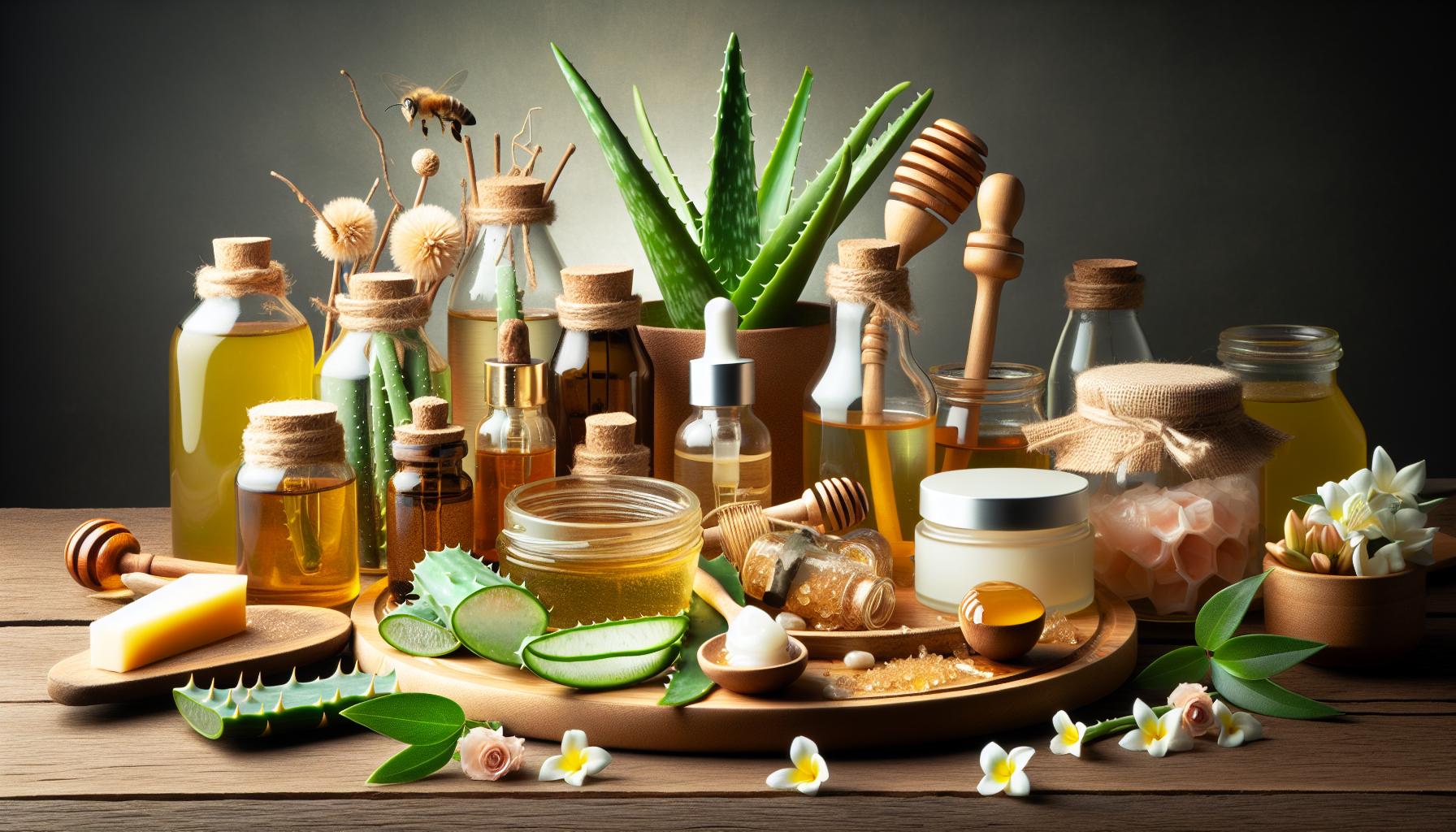
- Hydration: Ingredients like aloe vera and jojoba oil improve skin moisture. These components are rich in fatty acids and Vitamin E, providing hydration without the greasy feel often associated with synthetic moisturizers.
- Antioxidant Properties: Natural extracts from berries, green tea, and grapeseed are packed with antioxidants that protect against environmental damage, such as pollution and UV rays, which can accelerate aging. Products with these ingredients help in maintaining a youthful appearance.
- Anti-Aging Effects: Many plants contain compounds like resveratrol found in red wine, which rejuvenates and repairs skin cells. This natural alternative serves as a safer option compared to many retinol products, minimizing irritation and promoting cellular turnover without harsh side effects.
As we delve deeper into the world of sustainable beauty, it becomes clear that choosing products with natural ingredients can usher in profound changes—not only for our skin but also for the planet. Consumers are not just purchasing beauty products; they are buying into a movement that prioritizes health, sustainability, and a brighter future. By embracing natural beauty, we are taking significant steps toward creating a healthier relationship with ourselves and the environment around us.
LEARN MORE: Click here for essential tips
The Allure of Natural Ingredients
The surge in popularity of sustainable beauty solutions reflects a growing awareness of both personal health and environmental impact. As consumers increasingly prioritize natural ingredients in their beauty routines, this shift is promoting a myriad of benefits that extend beyond mere aesthetics. Natural ingredients not only enhance the skin’s appearance but also foster a healthier ecosystem.
Why Choose Natural Over Synthetic?
The inclination towards natural beauty products is rooted in various compelling reasons that highlight their superiority over synthetic alternatives:
- Gentle on the Skin: Many individuals experience irritation or allergic reactions to synthetic chemicals found in conventional cosmetics. Natural ingredients such as chamomile and calendula are known for their soothing properties, making them ideal for sensitive skin types. Furthermore, natural formulations often contain fewer chemicals, resulting in a more harmonious interaction with our skin’s own biological processes.
- Ethical Sourcing: The demand for transparency in sourcing has led many brands to adopt more ethical practices. Companies like Tata Harper and 100% Pure prioritize organic farming practices, ensuring that their ingredients are free from harmful pesticides and are harvested sustainably. This not only supports environmental health but also fosters a connection between consumers and the products they use.
- Support for Local Economies: By opting for products that feature local and organic ingredients, consumers can contribute to the economic well-being of their communities. Many sustainable brands engage with local farmers to source ingredients, creating jobs while promoting biodiversity in agriculture.
In addition to these motivations, the fascination with natural beauty ingredients can be attributed to their diverse and dynamic properties. For example, the incorporation of superfoods into skincare, such as avocado and matcha, has garnered increased attention for their nutrient-rich profiles. In addition to providing nourishment, these ingredients often possess unique qualities that serve specific skin needs.
Understanding Ingredient Efficacy
Navigating the world of natural ingredients can be an empowering yet overwhelming experience for consumers. It’s essential to recognize the efficacy of various compounds and understand how they interact with the skin. Here are a few noteworthy natural ingredients that stand out:
- Shea Butter: Packed with vitamins A, E, and F, shea butter serves as an excellent moisturizer that nourishes and protects the skin barrier. It’s particularly effective for dry skin, promoting elasticity and reducing inflammation.
- Tea Tree Oil: Renowned for its antibacterial properties, tea tree oil is often a go-to for acne-prone skin. It helps to reduce blemishes while soothing irritation, making it a staple in natural skincare regimens.
- Rosehip Seed Oil: Rich in essential fatty acids and antioxidants, rosehip seed oil is known for its ability to repair and rejuvenate skin. It aids in fading scars and fine lines, making it an excellent anti-aging option for those seeking natural alternatives.
As the beauty landscape continues to evolve, the focus on natural ingredients highlights a significant consumer awakening. This shift is not just about choosing healthier products; it’s about rethinking our collective impact on the planet. By selecting sustainable beauty practices with natural components, individuals are advocating for a more promising future, both for their skin and the environment.
Sustainable Beauty: The Rise of Natural Ingredients and Their Benefits for the Skin
As the beauty industry evolves, the shift towards sustainable beauty has garnered significant attention. Natural ingredients, often sourced from plants and minerals, are at the forefront of this movement. They not only cater to environmentally conscious consumers but also promise remarkable benefits for skin health.
The adoption of natural ingredients comes with multifaceted advantages. Consumers are increasingly aware of the toxic elements often found in conventional beauty products. With this awareness, they are gravitating towards sustainable options that prioritize wellness and safety. Ingredients such as shea butter, aloe vera, and essential oils provide hydration and nourishment without the side effects associated with synthetic additives.
| Natural Ingredients | Benefits for Skin |
|---|---|
| Aloe Vera | Offers soothing properties that calm irritation and hydrate the skin. |
| Jojoba Oil | Mimics skin’s natural oils, providing deep moisture without clogging pores. |
| Green Tea Extract | Rich in antioxidants, it protects skin from environmental damage and promotes a youthful appearance. |
Furthermore, the incorporation of natural anti-aging agents leads to substantial improvements in skin texture and elasticity. Ingredients like vitamin C and hyaluronic acid derived from plant sources can significantly reduce the visible signs of aging, giving rise to a more radiant complexion.
As consumers continue to seek transparency and efficacy in their beauty products, the rise of sustainable beauty signifies a return to nature’s wisdom. This shift not only encompasses individual skin benefits but also promotes a broader ethos of environmental care and ethical consumerism.
DIVE DEEPER: Click here to learn how to enhance your skincare routine with natural ingredients
The Science Behind Natural Beauty
As we delve deeper into the realm of sustainable beauty, it’s essential to examine the scientific principles that underscore the effectiveness of natural ingredients. Understanding how these components interact with skin biology can enhance our appreciation for their use in beauty care.
Biocompatibility of Natural Ingredients
Natural ingredients often exhibit a higher level of biocompatibility compared to synthetic compounds. This simply means they interact more favorably with the skin’s inherent properties. For instance, oils derived from plants such as jojoba closely mirror the natural oils produced by our skin, making them readily absorbed without clogging pores. This characteristic is paramount for achieving hydration without compromising skin health.
Antioxidant Properties and Skin Repair
Another compelling aspect of natural beauty products is their capacity to protect against damage from environmental stressors. Many natural ingredients are loaded with antioxidants, which play a vital role in neutralizing harmful free radicals. Ingredients such as green tea extract and blueberry extract are celebrated for their rich antioxidant profiles. Studies have shown that these ingredients can help reduce the visible effects of aging, such as fine lines and uneven skin tone.
Holistic Benefits of Using Natural Ingredients
Utilizing natural components in beauty formulations also aligns with a holistic approach to wellness. Besides their external benefits, many natural substances can interact with our body’s physiology. For example, essential oils like lavender and peppermint not only offer fragrance but also promote mental well-being through aromatherapy. This synergy of beauty and wellness encapsulates the essence of sustainable beauty solutions.
Trends in Sustainable Beauty
Brands in the sustainable beauty arena are increasingly leveraging these scientific insights to create innovative products that not only deliver on performance but also adhere to ethical standards. Consider the emergence of zero-waste packaging and refillable systems. Companies such as Lush and Aveda are leading the charge by reducing plastic waste while offering high-quality natural products. This trend reflects a consumer base that values not only what goes on their skin but also the ecological footprint of the products they purchase.
The Role of Education in Sustainable Beauty Choices
As consumers, becoming informed about the benefits associated with natural ingredients is crucial. Understanding labels, proper ingredient sourcing, and production methods can empower individuals to make choices aligned with their values. Numerous platforms and resources are emerging to help guide this journey, from mobile applications that scan product ingredient lists to online communities dedicated to sharing information on sustainable brands.
In the landscape of wellness-focused consumers, the focus on education will inevitably drive demand for transparency in the beauty industry. With knowledge as their ally, consumers are more equipped than ever to make choices that benefit both their skin and the planet.
The Economic Shift Towards Sustainability
Statistics further support the rise of sustainable beauty, with the organic beauty market projected to reach over $25 billion by 2025, according to industry analysts. This growth is fueled by consumers who prefer clean beauty products that offer safe and effective solutions while preserving environmental integrity. The correlation between consumer behavior and market trends indicates that sustainable beauty is not merely a passing phase but a significant shift in the industry paradigm.
With consumers leading the charge towards sustainability, brands that prioritize natural ingredients and ethical practices are poised to reshape the future of the beauty industry. This evolving landscape not only underscores the importance of ingredient selection but also highlights the potential for a symbiotic relationship between personal health and environmental stewardship.
DIVE DEEPER: Click here to discover more
Conclusion: Embracing a New Era of Beauty
As we conclude our exploration of sustainable beauty, it becomes evident that the incorporation of natural ingredients marks a transformative shift in the beauty industry. From enhanced biocompatibility to the potent antioxidant properties of plants, natural components are proving to be more than just a trend; they are the foundation for healthier, radiant skin.
The growing awareness surrounding personal and planetary well-being is propelling consumers to seek clean beauty products, ultimately reshaping market dynamics. In the United States, where consumers are increasingly mindful of ingredient sourcing and environmental impact, brands that prioritize sustainability are witnessing significant growth. The projected market reach of over $25 billion by 2025 underscores this pivotal demand.
As brands innovate with ethical practices, such as zero-waste packaging and refillable systems, they are responding to a consumer base that desires transparency and responsibility. This movement not only enhances our skincare routines but also fosters a deep connection between beauty regimes and advocacy for the environment.
Education plays a critical role in this evolving narrative. By equipping themselves with knowledge about natural ingredients and their benefits, consumers can make informed choices that align with their values of sustainability and wellness. As individuals become more discerning in their purchases, they are driving a change that is good for both our skin and our planet.
In embracing the rise of sustainable beauty, we are not just elevating our skincare rituals, we are participating in a larger dialogue aimed at protecting our world. As we move forward, let us continue to champion products that reflect our commitment to both personal beauty and environmental integrity.