The Rise of Sustainable Beauty Products and Their Influence on the Market
Examining the Shift in Beauty Trends
The beauty industry is undergoing a transformative shift towards sustainability. As consumers become increasingly aware of environmental issues, the demand for sustainable beauty products is on the rise. This movement transcends mere trendiness; it reflects a profound change in consumer values and preferences that is reshaping the market landscape.
Key factors driving this change include:
- Environmental awareness: As global warming and pollution become more pressing concerns, consumers are increasingly seeking to minimize their ecological footprint. Many are opting for brands that emphasize eco-friendly practices, such as reducing carbon emissions and waste production.
- Health consciousness: Modern consumers are more informed than ever about what goes into the products they apply on their skin. There is a strong push for beauty products free from harmful chemicals, with consumers favoring clean, natural formulations that promote overall wellness.
- Ethical sourcing: A greater number of individuals are advocating for cruelty-free and fair-trade practices. This includes a demand for ingredients sourced without harming animals and ensuring fair wages for workers in supply chains.
In response to these demands, major beauty brands are innovating with new formulations and emphasizing sustainable packaging. For instance:
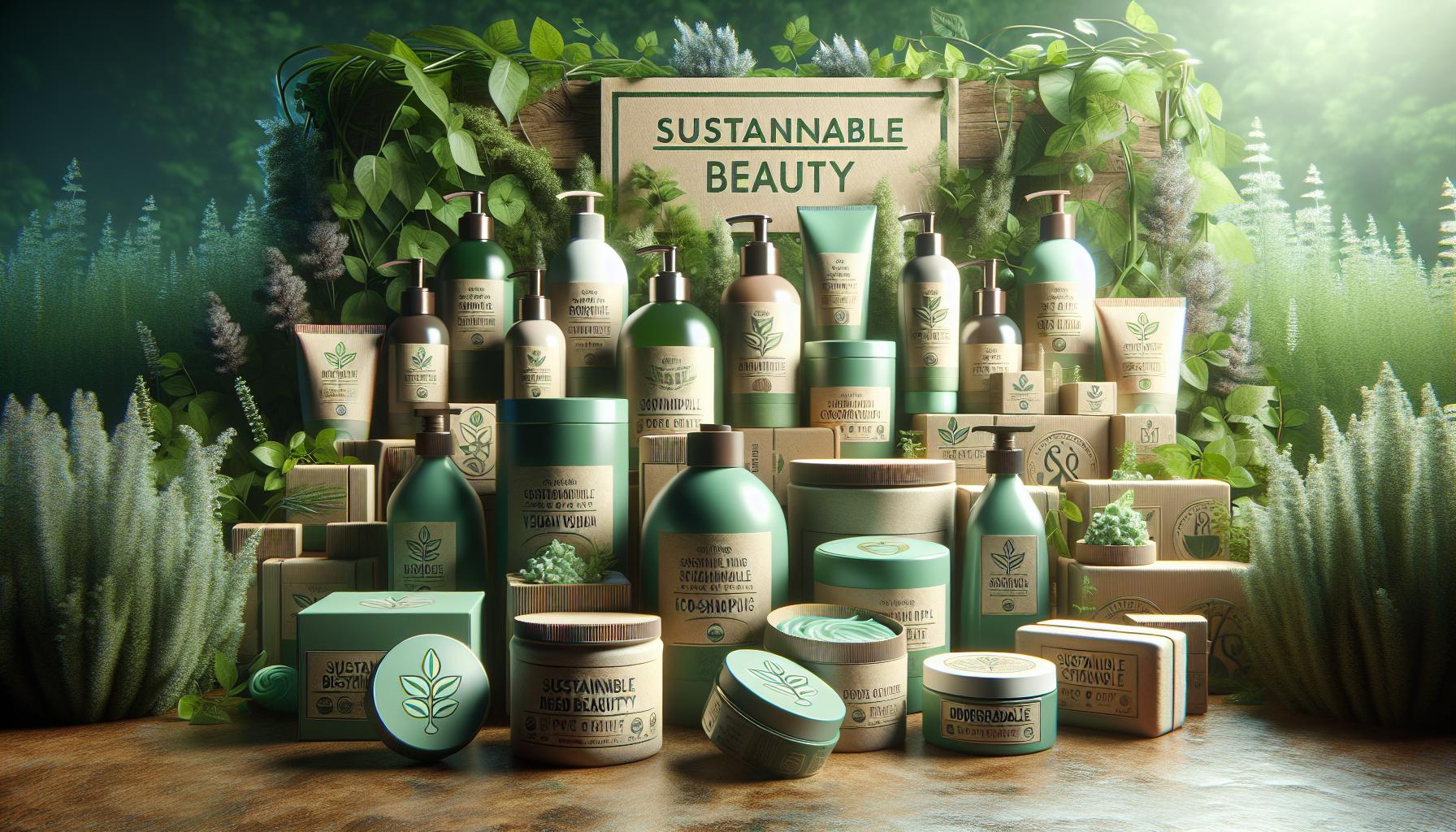
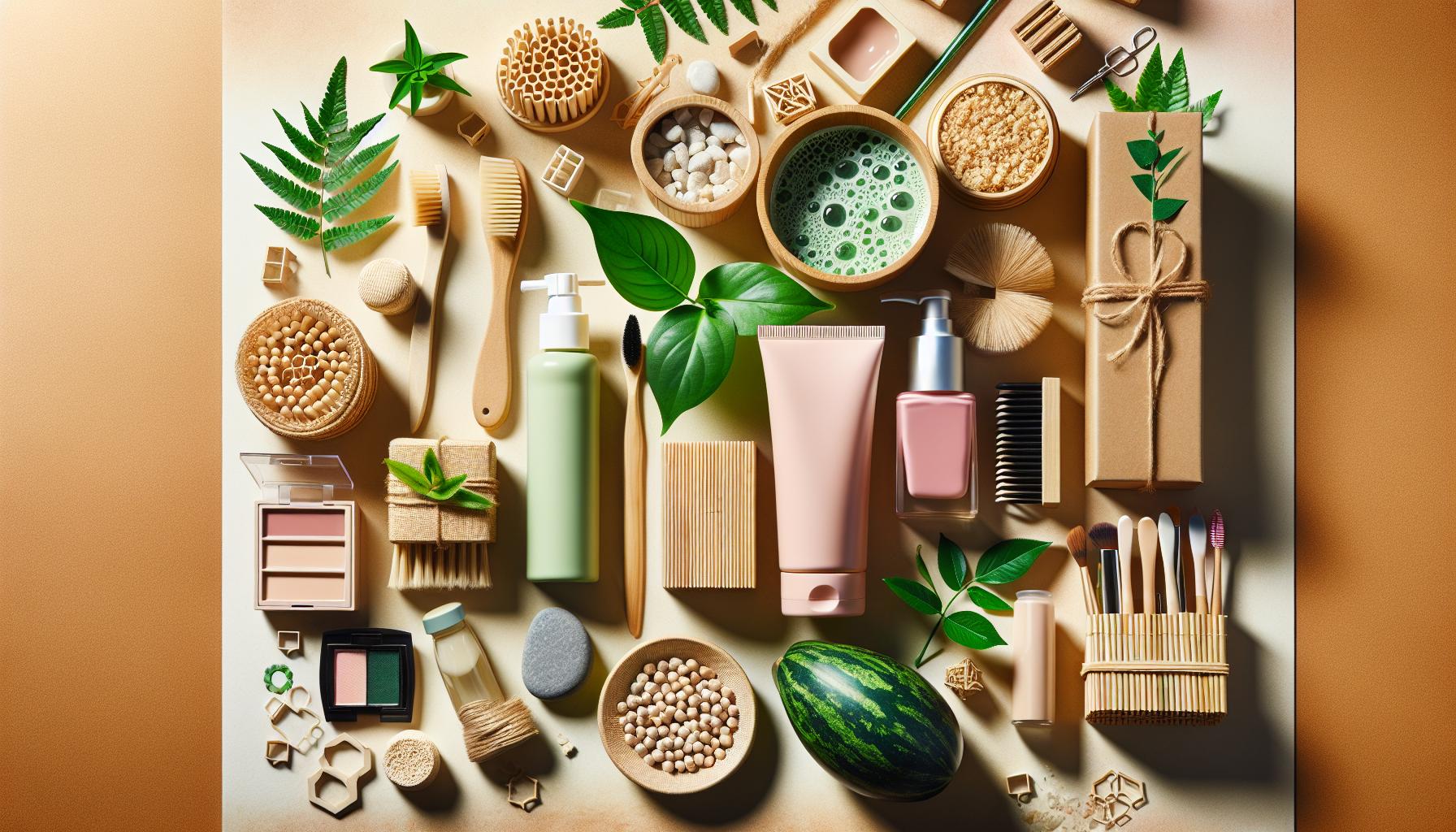
- Biodegradable materials are becoming standard in packaging, replacing traditional plastics that contribute to landfill waste.
- Brands are investing in refillable or reusable containers, allowing consumers to reduce waste while maintaining their beauty routines.
- Natural ingredients are prioritized over synthetic ones, with companies often highlighting organic certifications and the absence of parabens, sulfates, and other harmful additives.
The influence of sustainable beauty products extends beyond consumer choice; it is reshaping the entire beauty market landscape. For example, in 2020, the global organic beauty market was valued at approximately $14 billion and is projected to continue its upward trajectory as more consumers demand transparency and sustainability from their favorite brands.
This shift not only contributes to global sustainability goals but also taps into a lucrative market segment that prioritizes eco-consciousness. In a time when social media amplifies consumer voices, brands are increasingly held accountable for their practices. Beauty influencers are also playing a crucial role in this shift, promoting sustainable products and educating their followers about the importance of ethical consumption.

This article delves deeper into the rise of sustainable beauty products and their significant impact on consumer behavior, market trends, and the wider implications for the industry as a whole. The journey towards sustainability in beauty is not only about innovative products, but also about fostering a community that values ethical practices and environmental stewardship.
DISCOVER MORE: Click here to learn how to create your own skincare products at home
Driving Forces Behind Sustainable Beauty’s Popularity
The surge in sustainable beauty products is not occurring in a vacuum; rather, it is the culmination of various societal shifts and consumer sentiments. This movement has garnered significant traction, curating a new landscape in the beauty market. To comprehend this evolution, it is essential to explore the multifaceted motivations that are propelling the demand for eco-friendly beauty options.
One of the most significant motivators is heightened environmental awareness. Reports indicate that consumers, particularly millennials and Generation Z, are more conscious than ever about climate change and its repercussions. This demographic is not just interested in convenience; they deeply value brands that align with their commitment to sustainability. According to a study by Nielsen, 73% of millennials are willing to pay more for sustainable brands, indicating a marked preference for products that contribute positively to the environment. Consequently, companies are paying closer attention to their environmental footprints, seeking ways to minimize waste and pollution.
In addition to eco-awareness, there is a growing health consciousness among beauty consumers. Savvy shoppers are increasingly scrutinizing ingredients lists, demanding transparency and clean formulations. As consumers become more knowledgeable about harmful chemicals traditionally found in beauty products, they are opting for brands that boast natural ingredients. The clean beauty category, which focuses on products free from toxic substances, has seen a remarkable uptick in popularity, with sales skyrocketing in recent years.
Moreover, the ethical sourcing of ingredients has come to the forefront of consumer concerns. The ethical beauty movement stresses the availability of cruelty-free products, as well as support for fair-trade practices, ensuring that workers in the beauty supply chain receive fair wages and humane working conditions. This shift towards ethically sourced products reflects a larger trend in consumer behavior—today’s shoppers want to feel good about the choices they make, knowing that their purchases are having a positive impact.
To adapt to these shifting consumer demands, brands have begun implementing innovative strategies aimed at sustainability. Here are some key trends currently shaping the sustainable beauty space:
- Zero-waste initiatives: Many brands are prioritizing refillable or reusable packaging, significantly cutting down on plastic waste and encouraging sustainable consumer habits.
- Biodegradable and compostable materials: As a response to environmental concerns, brands are increasingly opting for materials that decompose naturally, reducing long-term waste in landfills.
- Ingredient transparency: Clean beauty brands are making a mark by providing customers with easy access to the source and safety of ingredients, fostering trust and loyalty.
The influence of these factors on the beauty industry cannot be overstated. Sustainability is no longer just a marketing gimmick; it is becoming an essential part of the brand narrative. Major players and small startups alike are realizing that prioritizing sustainability not only meets consumer demands but also positions them as forward-thinking entities in a competitive market. Brands that focus on these crucial aspects are likely to thrive as ‘green’ continues to become synonymous with beauty in the years to come.
| Category 1 | Category 2 |
|---|---|
| Eco-friendly Ingredients | Use of natural components that are biodegradable and non-toxic. |
| Reduced Environmental Impact | Minimizes waste and pollution through sustainable practices, such as packaging made from recycled materials. |
The growing interest in sustainable beauty products reveals a significant shift in consumer behavior, heavily influenced by a heightened awareness of ecological issues. Brands are now compelled to adapt their strategies and embrace sustainable practices, aiming to attract the eco-conscious consumer. The eco-friendly beauty industry is not merely about using less harmful ingredients; it’s rooted in a commitment to responsible sourcing. Companies that prioritize ethically sourced raw materials align their missions with the values of a new generation of buyers who demand transparency and responsibility.In addition to appealing to consumers’ environmental consciousness, sustainable beauty products often possess superior performance qualities. Ingredients derived from nature are frequently touted for their effectiveness and lower allergenic potential compared to synthetic alternatives. Furthermore, the trend encourages innovations such as biodegradable packaging and refillable containers, establishing a circular economy within the beauty market. This comprehensive approach not only challenges traditional industry norms but also pushes the boundaries of creativity and ethics in product development.The convergence of sustainability and beauty exemplifies a profound transformation in how individuals perceive and engage with personal care products. As industry players adjust to these demands, ongoing analysis of market trends, consumer feedback, and environmental impact will be crucial for success in this evolving landscape.
DIVE DEEPER: Click here to learn more
The Market Impact of Sustainable Beauty Trends
As the demand for sustainable beauty products continues to escalate, their influence on the market is becoming increasingly apparent. Brands, retailers, and even consumers are feeling the ripple effects of this transition toward eco-consciousness. For many companies, integrating sustainability into their business models has evolved from a niche focus into a central strategy that defines their identity in the marketplace.
One area dramatically shaped by the rise of sustainable beauty is retail distribution. Major retailers are now increasingly featuring sustainable brands in their product offerings, allowing eco-friendly companies to reach wider audiences. Chains such as Sephora and Ulta Beauty have introduced dedicated sections for sustainability-focused brands, recognizing that environmentally responsible shopping choices have shifted from the periphery to the forefront of consumer agendas. The strategic decision to spotlight these products also reflects a recognition that shoppers are actively seeking them out; the global organic beauty market is projected to reach $25.11 billion by 2025, according to a report by Grand View Research.
Moreover, social media has emerged as a powerful platform for promoting sustainable beauty. Influencers and beauty advocates are increasingly sharing their personal experiences with sustainable products, creating authenticity and connection with followers. Hashtags such as #SustainableBeauty and #EcoFriendlyProducts have gained traction, fostering a sense of community among consumers who are committed to making responsible choices. Platforms like Instagram and TikTok have become significant vehicles for educating potential customers about the benefits of sustainable beauty, paving the way for new brands to thrive based on their ethical practices.
Another significant trend is the shift toward subscription services that emphasize sustainable products. Companies are curating boxes that focus on eco-friendly and cruelty-free items, offering consumers a convenient way to explore new brands without overwhelming the typical retail journey. Birchbox and Ipsy, for instance, have begun to introduce select options for sustainable beauty enthusiasts, encouraging consumers to enjoy beauty products without compromising their values. This subscription model not only helps brands reach mindful consumers, but also cultivates a sense of loyalty among subscribers who appreciate being part of a community championing sustainable practices.
One cannot overlook the role of regulatory frameworks and standards shaping this market landscape as well. With the increasing attention toward environmental issues, government agencies like the Environmental Protection Agency (EPA) and various state-level organizations are beginning to set stricter guidelines for the beauty industry regarding sustainability and ingredient safety. This regulatory environment encourages brands to invest more heavily in sustainable practices, ensuring accountability while promoting consumer health and environmental stewardship.
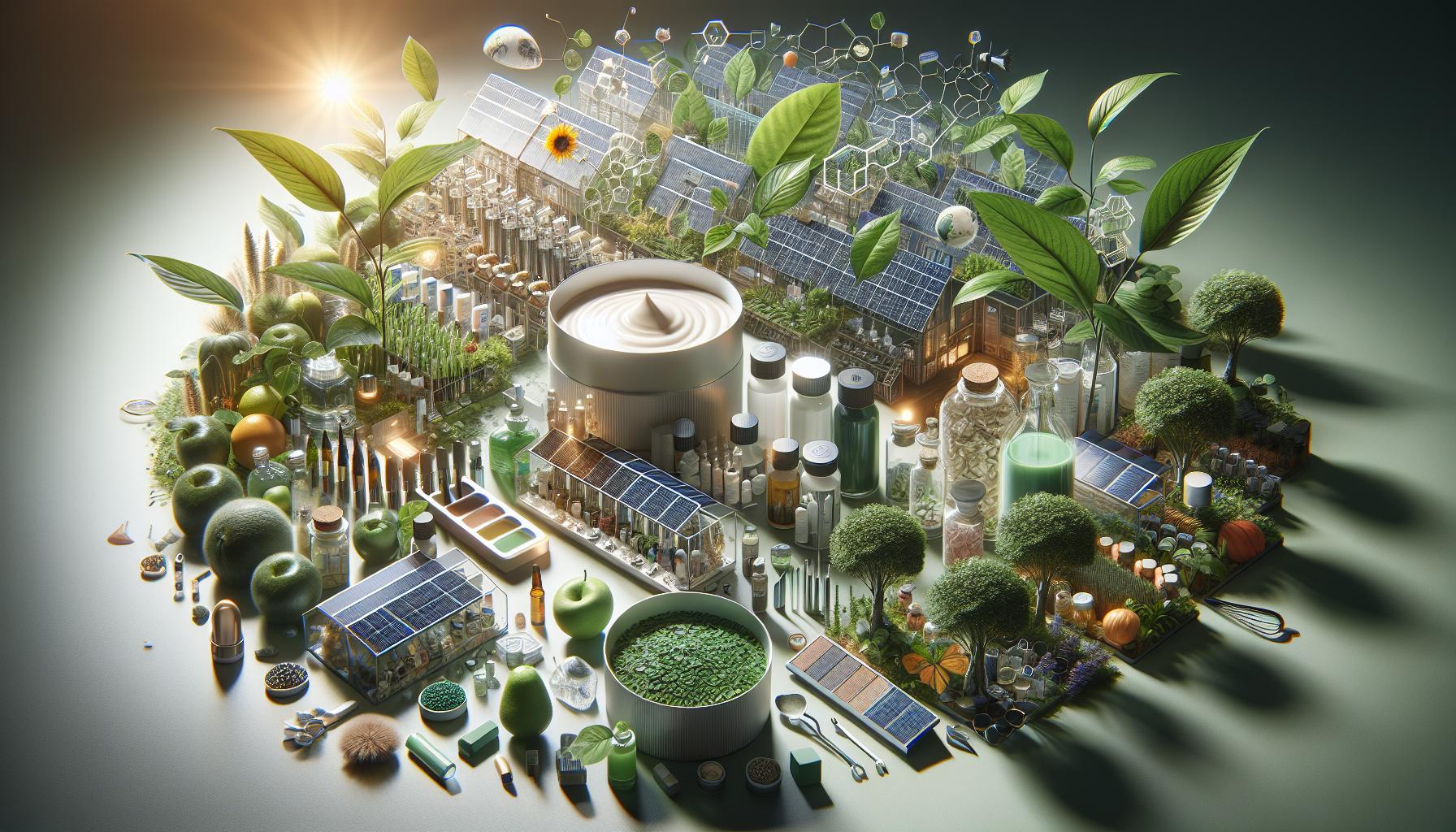
- Innovative Product Development: Brands are investing in research and development for sustainable formulations. Companies are exploring uncharted territories such as lab-grown ingredients and to upcycle plant materials, reducing waste while creating high-quality products.
- Circular Economy Practices: The sustainable beauty trend is fostering a shift toward a circular economy, wherein brands strive to create products that can be reused, recycled, or repurposed. This model not only reflects a commitment to sustainability but encourages innovation within product design.
- Consumer-Driven Advocacy: With consumers increasingly willing to advocate for brands that prioritize sustainability, initiatives like #BuyOneGiveOne have emerged, wherein companies donate products for each purchase made, emphasizing a commitment to social responsibility.
The interactions between sustainability and consumer behavior are contributing to a lingering shift in the beauty industry. As expectations for sustainable practices rise, brands will have to keep pace or risk being left behind. The narrative of beauty is evolving, with sustainability at its core, creating a dynamic landscape that is as compelling as it is necessary. As these trends gain momentum, they signal a broader acceptance of the ethos that beauty and responsibility can indeed coexist.
DISCOVER MORE: Click here for insights on stress and your skin</a
Conclusion
The rise of sustainable beauty products marks a transformative shift in the beauty industry, illustrating a growing awareness of environmental and ethical considerations among consumers. As eco-consciousness takes center stage, brands are not merely adapting but are redefining their identities to cultivate a sustainable ethos that resonates with their audience. This evolution is underscored by the remarkable growth of the global organic beauty market, projected to exceed $25 billion by 2025, signaling that the demand for eco-friendly products is not just a trend but a lasting movement.
Retail giants are paving the way for sustainable brands, creating dedicated spaces that amplify eco-friendly choices. Such initiatives make sustainable beauty accessible, enhancing consumer engagement through innovative retail experiences. Moreover, the role of social media is pivotal, as influencers harness their platforms to advocate for sustainability, engaging followers in a collective journey toward greener beauty practices.
Furthermore, subscription services and advancements in product development, which emphasize lab-grown ingredients and circular economy practices, are reshaping consumer behavior. This new landscape compels brands to not only meet consumer demand but also uphold transparency and accountability. Regulations being introduced further strengthen this trajectory, encouraging brands to invest diligently in sustainable practices.
As sustainability becomes core to beauty’s narrative, it presents an opportunity for brands to innovate and connect deeply with their audience. This convergence of beauty and responsibility showcases a future where consumers can indulge in their passion for beauty while making choices that positively impact the planet. The time to embrace this change is now, as the evolution of beauty is not just about aesthetics—it’s about fostering a sustainable world where beauty can truly bloom.